

Plot Explained Spoilers guaranteed!
Plot Explained

Browse by genre

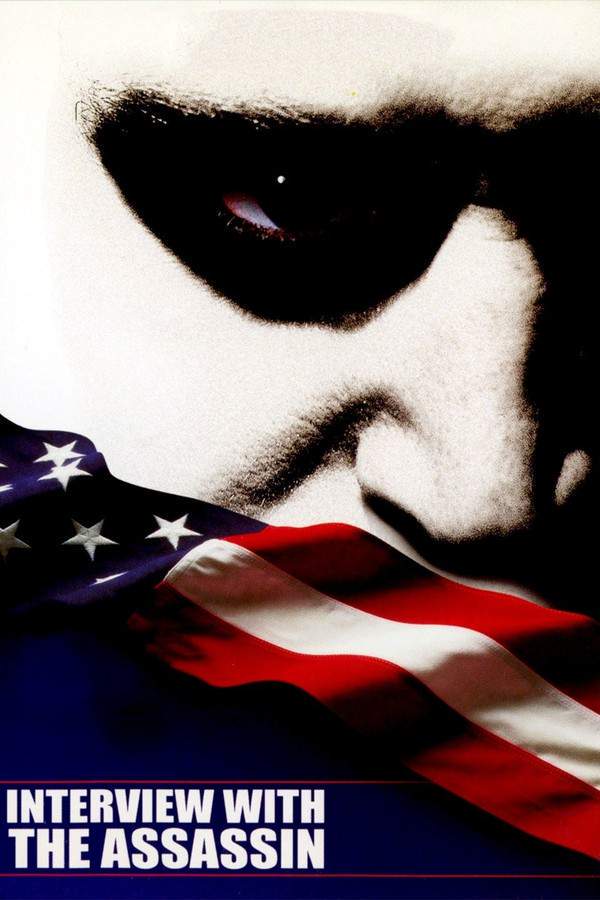
Interview with the Assassin (2002) movie poster

Timeline

Interview with the Assassin (2002) Timeline Explained – Every Event in Order

Release, runtime and language
2002 · 88 min · English
Directed by
Neil Burger
Starring
Raymond J. Barry, Dylan Haggerty, Renee Faia

A struggling TV news cameraman's life takes a dramatic turn when he meets his mysterious neighbor, Walter Ohlinger. Ohlinger makes the startling claim of being the shooter at the "grassy knoll" during the JFK assassination, launching the cameraman, Ron Kobeleski, on a dangerous search for the truth. Their investigation places them both in a precarious and threatening situation as they delve deeper into a decades-old conspiracy.

On this page (6)
  1. 1 Where to watch
  2. 2 Events in order (12)
  3. 3 Timeline questions answered
  4. 4 Movie threads
  5. 5 Movies like Interview with the Assassin
  6. 6 Every angle

Where to watch

Where to Watch Interview with the Assassin (2002)

Where can you watch Interview with the Assassin? Stream, rent or buy it in the US, including on Apple TV Store: current JustWatch availability with up-to-date prices.

Streaming availability powered by JustWatch

12 events in order · contains spoilers

Interview with the Assassin Timeline: Events in Chronological Order

Every key event of Interview with the Assassin (2002) in order, scene by scene, with when and where it takes place. Use it to untangle flashbacks, time jumps and parallel storylines, to refresh your memory before the sequel or to find the exact scene you are thinking of.

  1. Ron Kobeleski's Monotonous Life

    The film opens with Ron Kobeleski, an unemployed cameraman, leading a life of monotony. His days are filled with aimlessness and a lack of purpose, showcasing his struggle to find meaning in a world that seems stagnant.

  2. Walter Ohlinger's Shocking Secret

    Kobeleski's life takes a dramatic turn when his reclusive neighbor, Walter Ohlinger, reveals a shocking secret. Ohlinger confesses to Kobeleski that he was the one who fired the fatal shot that killed President John F. Kennedy, rather than the commonly believed Lee Harvey Oswald.

    Where
    Kobeleski's neighborhood
  3. The Grassy Knoll Revelation

    Ohlinger’s confession introduces the unsettling idea that the conspiracy theory surrounding a second shooter on the grassy knoll might have truth to it. This claim sends Kobeleski spiraling into doubt and intrigue as he grapples with the enormity of the revelation.

  4. Searching for Evidence

    Kobeleski, filled with skepticism, demands solid evidence to believe Ohlinger's confession. Accompanying him on a quest for validation, the pair seek out individuals that support Ohlinger's narrative, deepening the mystery.

  5. Conflict with His Ex-Wife

    As Kobeleski becomes engrossed in Ohlinger's story, he faces mounting pressure from his ex-wife, who dismisses him as a lunatic and a fraud. This personal conflict adds another layer of tension as Kobeleski struggles between loyalty and disbelief.

  6. The Attempted Assassination

    The film takes a terrifying turn when Ohlinger attempts to assassinate the current president. This dramatic act escalates the stakes and propels Kobeleski into a life-or-death situation as he confronts Ohlinger.

    Where
    Ohlinger's home
  7. Kobeleski's Extreme Action

    In a moment of self-preservation during Ohlinger's assassination attempt, Kobeleski is forced to take extreme measures. This drastic action leads to unforeseen consequences that drastically reshape the course of his life.

  8. Arrest and Legal Trouble

    Following the thwarted assassination attempt, Kobeleski faces arrest and is charged as an accomplice. The gravity of his situation is accentuated as he learns he may serve a three-year prison sentence.

  9. Heart-Wrenching Admission

    Just before his incarceration, Kobeleski gives a poignant interview to a journalist. He heartbreaking admits, 'telling my side of the story won't help me at all,' which underscores his feelings of hopelessness and despair.

  10. Tragic Fate Behind Bars

    In the film's haunting closing moments, it is revealed that Kobeleski meets a tragic fate while imprisoned. This twist leaves the audience reflecting on the heavy consequences of choices made in desperation.

    Where
    Prison
  11. Cinematographic Perspective

    The film creatively employs cinematography that mimics Ron Kobeleski's point of view. This storytelling approach allows the audience to feel as though they are witnessing the events firsthand through Kobeleski's lens.

  12. Emotional Depth through Performance

    Dylan Haggerty, portraying Kobeleski, brings a complex emotional depth to the character's journey. His rich performance resonates throughout the film, enriching the narrative with moments of vulnerability and despair.

Last updated: November 18, 2024 at 20:21

Was this helpful?

Timeline questions answered

Interview with the Assassin Timeline Explained: Your Questions Answered

When does it happen, and why in that order? The questions people ask about the chronology of Interview with the Assassin (2002): time jumps, flashbacks, cause and effect between scenes and the correct order of events, each answered with spoilers.

Q1

Why does Walter Ohlinger claim to be the JFK assassin?

Ohlinger, a retired Marine facing terminal cancer, confesses to being the grassy knoll shooter as a desperate attempt to establish a legacy before dying. He shows Kobeleski a spent rifle casing as supposed proof of his claim, using his terminal diagnosis as motivation to finally reveal what he believes is the truth about the JFK assassination.

  • walter ohlinger
  • jfk assassination
  • grassy knoll
  • conspiracy
  • terminal cancer
  • shooter
Q2

Why does Ohlinger attempt to assassinate the current president?

The film reveals that Ohlinger plans to kill the current president, though the exact motivation is not fully detailed in the summary. This act serves as the violent climax that forces Kobeleski to take extreme action in self-preservation, transforming the investigation into a life-or-death confrontation.

Foreshadowing: Ohlinger's confession about killing JFK establishes he's capable of political violence, making his later assassination attempt a logical progression of his mindset.

  • walter ohlinger
  • assassination attempt
  • president
  • violence
  • climax
Q3

What does Kobeleski do during the assassination attempt?

During Ohlinger's assassination attempt on the current president at Ohlinger's home, Kobeleski is forced to take extreme action in a moment of self-preservation. His drastic intervention stops Ohlinger but leads to severe consequences, as Kobeleski is subsequently arrested and charged as an accomplice to the assassination attempt.

  • ron kobeleski
  • walter ohlinger
  • confrontation
  • self-preservation
  • arrest
Q4

Why is Kobeleski arrested as an accomplice?

Kobeleski is arrested and charged as an accomplice because he was present during Ohlinger's assassination attempt on the current president and took action to stop it. Though he intervened to prevent the murder, the authorities consider him complicit due to his involvement in Ohlinger's plan and his presence during the crime, resulting in a three-year prison sentence.

  • ron kobeleski
  • arrest
  • accomplice
  • prison sentence
  • charges
Q5

What happens to Kobeleski at the end of the film?

In the film's haunting closing moments, Kobeleski meets a tragic fate behind bars while imprisoned. Before his incarceration, he gives a heart-wrenching interview to a journalist, admitting that telling his side of the story won't help him at all, underscoring his feelings of hopelessness and despair.

  • ron kobeleski
  • prison
  • death
  • ending
  • tragic fate
Q6

Why is the film shot from Kobeleski's perspective?

The film uses found-footage cinematography that mimics Kobeleski's point of view, giving the audience the impression that they are documenting these events firsthand through his lens. This technique creates an immersive, claustrophobic atmosphere that amplifies the anxious and paranoid mood of the story.

  • found footage
  • point of view
  • cinematography
  • perspective
  • immersive
Q7

Why does Kobeleski get involved with Ohlinger's claims?

Initially filled with doubt, Kobeleski becomes engrossed in Ohlinger's story after seeing the spent rifle casing. He accompanies Ohlinger on a quest to find individuals who support his narrative, driven by a combination of curiosity, the desire for a compelling story, and his aimless life lacking purpose.

Foreshadowing: The opening establishes Kobeleski's monotonous, aimless existence, explaining why he'd be drawn into such a dangerous investigation.

  • ron kobeleski
  • walter ohlinger
  • investigation
  • evidence
  • doubt
Q8

What evidence does Ohlinger provide for his claim?

In support of his claim about being the grassy knoll shooter, Ohlinger shows Kobeleski a spent casing from the rifle he allegedly used. This physical evidence, along with his confident confession and details about the assassination, initially convinces Kobeleski to take the investigation seriously, though many others label Ohlinger a lunatic and fraud.

  • spent casing
  • rifle
  • evidence
  • grassy knoll
  • proof
Q9

Why does Kobeleski's ex-wife call him a lunatic?

Kobeleski's ex-wife dismisses him as a lunatic and fraud because she sees his involvement with Ohlinger as delusional and dangerous. As Kobeleski becomes more engrossed in the investigation, his ex-wife represents the voice of reason and skepticism, adding personal conflict as he struggles between her perspective and his growing belief in Ohlinger's story.

  • ex-wife
  • conflict
  • skepticism
  • family
  • opposition
Q10

What is the message of the film's bleak ending?

The unambiguously bleak ending, with Kobeleski imprisoned and dying tragically behind bars, reinforces a sense of hopelessness about the futility of seeking truth. His final admission that telling his side of the story won't help him suggests that getting involved with such dangerous conspiracies leads only to destruction, regardless of one's intentions.

  • ending
  • bleak
  • hopelessness
  • truth
  • consequence
  • futility

Movie threads

More Movies Like Interview with the Assassin, by Mood & Story

Curated lists built around what makes Interview with the Assassin tick: the same mood, the same kind of story or the same emotional payoff. Each list explains why these movies belong together.

Paranoid thrillers of dangerous truth-seeking like Interview with the Assassin

Stories where the search for a dangerous truth turns the protagonist's world upside down. If you liked the tense investigation and growing fear in Interview with the Assassin, you'll find more movies like it here. This list features gripping thrillers where characters risk everything to uncover a conspiracy, leading to claustrophobic and paranoid narratives.

  • paranoid
  • tense
  • conspiracy
  • investigative
  • unsettling
  • claustrophobic
  • Tone: tense, paranoid, bleak
  • Pacing: steady, investigative
Why these movies?

The story pattern: The narrative typically centers on an investigation that begins with a single clue or confession. The protagonist's initial curiosity morphs into obsession as they uncover layers of a conspiracy, facing threats and manipulation that erode their sense of safety and sanity, often leading to a tragic or isolating conclusion.

Why they belong together: These movies are grouped together because they share a core psychological experience: the visceral fear and alienation that comes from pursuing a truth that powerful forces want to keep buried. They excel at creating a pervasive atmosphere of suspicion and high-stakes tension.
Bleak found-footage documentaries and thrillers like Interview with the Assassin

First-person narratives that document a harrowing journey toward a hopeless end. For viewers who appreciated the immersive, first-person camera perspective and somber ending of Interview with the Assassin. Discover more movies like it that use a documentary or found-footage style to tell tense, emotionally heavy stories with tragic conclusions.

  • unsettling
  • somber
  • gripping
  • immersive
  • fatalistic
  • tragic
  • Tone: unsettling, somber, tense
  • Pacing: steady, immersive
Why these movies?

The story pattern: The story is presented as raw footage, often from a single camera operator, documenting events as they unfold. This perspective creates immediate intimacy and tension. The narrative arc is typically a downward spiral, where the filmmaker becomes entangled in the events they are recording, leading to an inescapably dark resolution.

Why they belong together: These films are united by their formal style and emotional impact. The found-footage approach amplifies tension and realism, while the shared focus on fatalistic journeys and tragic endings creates a cohesive viewing experience of despair and inevitability.

If you liked this

Movies Like Interview with the Assassin

Similar movies to Interview with the Assassin: the same genre, themes or kind of story. Each one comes with its own plot summary, timeline and ending explained.

Browse all movie summaries

Every angle

Interview with the Assassin (2002) Explained: Plot, Timeline & Characters

Everything about Interview with the Assassin in one place: what happens in the plot summary, the timeline in chronological order, the characters and meaning and a spoiler-free summary. What's After the Movie adds the cast, box office and post-credit scenes.

Coming soon on iOS and Android

The Plot Explained Movie Summary App

Plot summaries, endings explained and timelines on your phone. Catch up on any movie in minutes, save your favorites and never miss a twist again.

Be the first to know when we launch. Your email stays private, always.

Learn more about the app