History of the World: Part I

History of the World: Part I

Year: 1981

Runtime: 92 min

Language: English

HistoryComedy

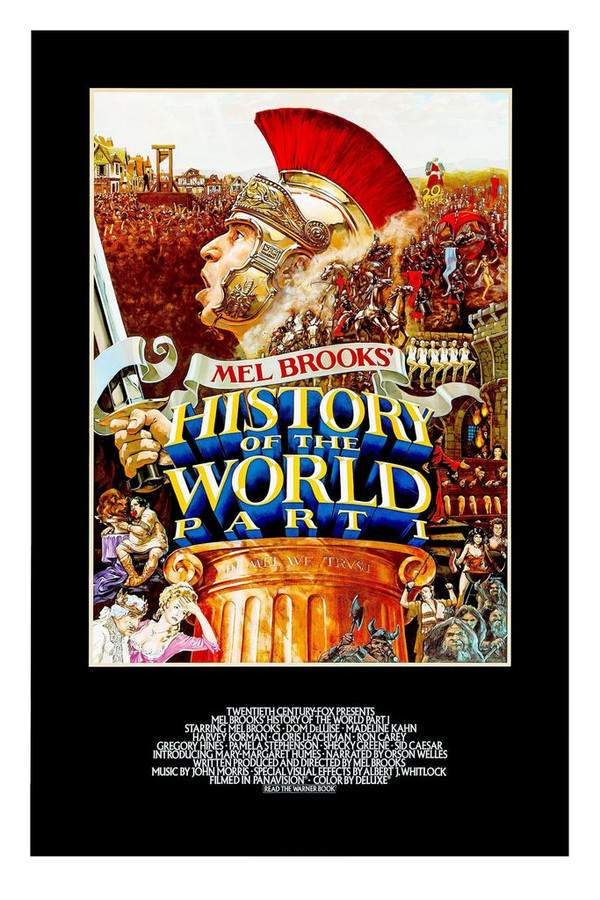
A comedic look at significant moments in human history, from the dawn of humankind to the Middle Ages. The film playfully depicts cavemen discovering fire, Moses receiving the Ten Commandments, the excesses of Emperor Nero's Rome, and the Spanish Inquisition, all while incorporating irreverent humor and memorable musical numbers. It’s a hilarious and imaginative reimagining of familiar historical events.

Where to Watch History of the World: Part I?

Find where to stream, rent, or buy History of the World: Part I (1981) in the US with current JustWatch availability, up-to-date pricing, and platform listings for subscription, rental, and digital purchase options.

Warning: spoilers below!

Haven’t seen History of the World: Part I yet? This summary contains major spoilers. Bookmark the page, watch the movie, and come back for the full breakdown. If you're ready, scroll on and relive the story!

Timeline & Setting – History of the World: Part I (1981)

Explore the full timeline and setting of History of the World: Part I (1981). Follow every major event in chronological order and see how the environment shapes the story, characters, and dramatic tension.

Time period

Various historical eras

The movie traverses multiple historical eras, starting from the primitive Stone Age to the ancient complexities of Egypt and Judea, ultimately landing in revolutionary Paris. Each segment plays with historical events, reimagining them through a comedic lens, thus blending humor with varied timelines. This variety showcases the evolution of culture and societal norms across ages.

Location

Stone Age, Ancient Egypt, Judea, Paris

The Stone Age is depicted with early humans inventing fundamental aspects of civilization, such as fire and art, marking the dawn of mankind. Ancient Egypt serves as a backdrop for significant religious narratives, particularly the comedic reinterpretation of Moses's encounter with divine laws. Judea is humorously illustrated during an intimate dinner of Jesus and his disciples, blending reverence with absurdity. Paris is the setting for the brewing French Revolution, characterized by a tavern scene rich in cultural upheaval and comedic rebellion.

🏞️ Era 🏺 History 🏰 Culture

Last updated: October 22, 2024 at 22:44

Was this helpful?

Main Characters – History of the World: Part I (1981)

Meet the key characters of History of the World: Part I (1981), with detailed profiles, motivations, and roles in the plot. Understand their emotional journeys and what they reveal about the film’s deeper themes.

Moses (Mel Brooks)

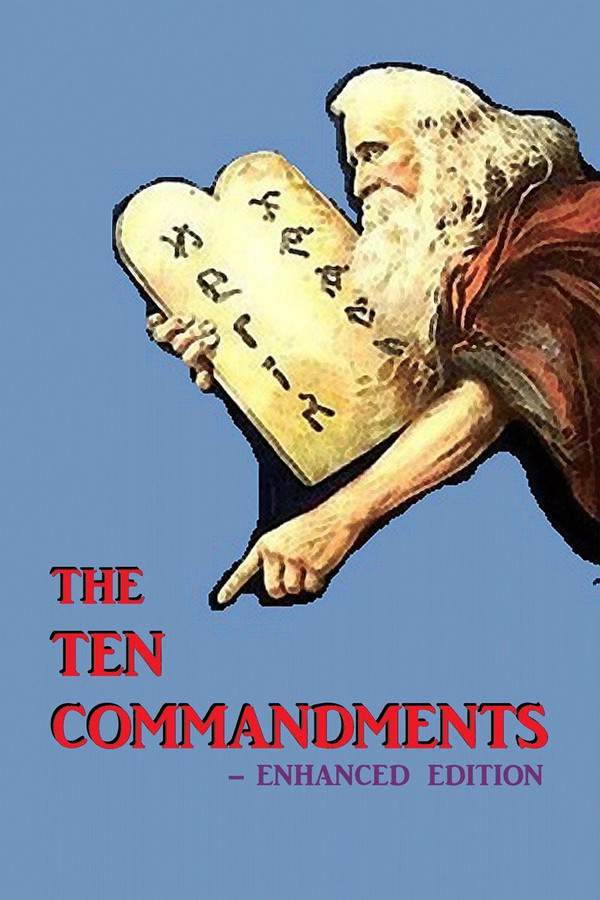
Moses is a comically exaggerated figure, caught in a humorous predicament as he accidentally alters the commandments. His character embodies the clash between divine authority and human error, delivering comedic revelations during critical moments. He represents both leadership and folly in a light-hearted retelling of biblical events.

👑 Leader 📜 Comedic 🏺 Biblical

Comicus (Mel Brooks)

Comicus is a philosophical comedian navigating the absurdities of Roman life. As a clever and witty character, he reflects the struggle of an artist trying to find his place within a rigid system, using humor as his shield. His encounters highlight the collision of intellect and jest in a politically charged environment.

🎭 Comic 🤔 Philosopher 🏛️ Roman

Emperor Nero (Dom DeLuise)

Nero is portrayed as an over-the-top, egotistical ruler whose pompous nature leads to comedic misadventures. His inflated sense of self and detachment from reality provide a richly humorous critique of power and corruption in ancient Rome. He exemplifies the excess and folly of leadership in a vibrant historical parody.

👑 Egotistical 🤴 Ruler 🔥 Absurdity

Josephus (Gregory Hines)

Josephus is a loyal companion and comedic foil to Comicus, navigating the challenges of Roman culture as an Ethiopian slave. His character brings a unique energy and perspective, often blending cleverness with comedic mishaps. His comedic relief is essential as he helps highlight the absurdities occurring around him.

🪐 Loyal ✊ Comedic ⚔️ Slave

Empress Nympho (Madeline Kahn)

Empress Nympho is a flamboyant character whose presence adds an additional layer of humor to the political chaos. Her captivating and bold personality creates witty exchanges, enhancing the comedic elements of the plot. She plays a crucial role in the farcical antics surrounding palace intrigue.

👑 Empress 💃 Flamboyant 🎭 Comedic

Last updated: October 22, 2024 at 22:44

Was this helpful?

Major Themes – History of the World: Part I (1981)

Explore the central themes of History of the World: Part I (1981), from psychological, social, and emotional dimensions to philosophical messages. Understand what the film is really saying beneath the surface.

😂 Comedy

The overarching theme of comedy is prevalent throughout as historical events are portrayed in a humorous and satirical manner. From the absurd errors of Moses to the playful mockery of Roman politics, the film uses humor to challenge conventional narratives. It cleverly intertwines brand new comedic scenarios with well-known historical tales, creating a unique blend of laughter and learning.

🕰️ History

This film creatively engages with historical events, exploring key moments from the Stone Age to the French Revolution. By re-contextualizing these eras with humor and wit, it invites the audience to reflect on the absurdities of human history. It showcases various cultural milestones, urging viewers to see the lighter side of our past.

Last updated: October 22, 2024 at 22:44

Was this helpful?

History of the World: Part I (1981) Character & Theme Questions Answered – Info FAQ

Browse frequently asked questions about History of the World: Part I (1981) focused on characters, relationships, themes, symbols, setting, and story context. This movie info FAQ gives spoiler-aware explanations for character arcs, world details, and thematic interpretation so readers can better understand what the film is really about.

Q2

What are the main themes of the movie?

A.

The film centers on two primary themes: comedy and history. It uses humor to satirize and reimagine significant historical events, from cavemen inventing fire to Emperor Nero's Rome to the French Revolution. The comedy consistently undercuts potentially serious subjects, transforming them into absurdist sketches while prompting viewers to see the lighter side of human history.

comedysatireparodyhistorical comedymel brooks humor
Q3

What are the main settings in the film?

A.

The movie is set across four distinct locations: the Stone Age wilderness, Ancient Egypt during biblical times, Judea for a comedic dinner scene, and Paris during the French Revolution. These settings are portrayed as stylized backdrops that allow the film to lampoon different periods of human civilization.

stone ageancient egyptparisromehistorical settings
Q4

Who is Moses in the film and what role does he play?

A.

Moses, played by Mel Brooks, is a comically exaggerated prophet who accidentally alters the Ten Commandments due to human error. He embodies the clash between divine authority and human folly, delivering comedic revelations during critical biblical moments while representing both leadership and comedic blunder in this historical parody.

mosesmel brooksten commandmentsbiblical parody
Q5

What is Comicus's role in the story?

A.

Comicus, also played by Mel Brooks, is a philosophical Roman comedian navigating the absurdities of life in ancient Rome. He represents the struggle of an artist trying to find his place within a rigid political system, using humor as his defense. His character highlights the collision between intellect and entertainment in a politically charged environment.

comicusroman comedianmel brooksancient rome
Q6

How is Emperor Nero depicted in the film?

A.

Emperor Nero, portrayed by Dom DeLuise, appears as an over-the-top, egotistical ruler whose pompous nature leads to comedic misadventures. His inflated sense of self and detachment from reality provide a humorous critique of power and corruption in ancient Rome, exemplifying the excess and folly of leadership in this comedic parody.

emperor nerodom deluiseroman emperortyrant parody
Q7

Who is Josephus and what is his function in the film?

A.

Josephus, played by Gregory Hines, is an Ethiopian slave who serves as a loyal companion and comedic foil to Comicus. He brings a unique energy and perspective to the Roman segments, blending cleverness with comedic mishaps while helping highlight the absurdities of Roman culture and society.

josephusgregory hinesethiopian slavecomic relief
Q8

What role does Empress Nympho play?

A.

Empress Nympho, portrayed by Madeline Kahn, is a flamboyant character whose presence adds humor to the political chaos of the Roman segment. Her bold personality creates witty exchanges with other characters, enhancing the comedic elements of palace intrigue and farcical antics surrounding the Roman court.

empress nymphomadeline kahnpalace intrigueroman comedy
Q9

What is the tone and style of the film?

A.

The film maintains a whimsical, light-hearted tone throughout, driven by broad absurdist comedy. Despite covering serious topics like the Spanish Inquisition and gladiatorial combat, the movie consistently undercuts any potential tension with comedic escapes, musical numbers, and visual gags. The result is a playful, unserious approach to historical storytelling.

whimsical toneabsurdist comedymel brooks stylelighthearted parody
Q10

Does the film include the Spanish Inquisition?

A.

Yes, the film includes a comedic portrayal of the Spanish Inquisition, featuring the infamous Torquemada. Like all historical segments in the movie, this dark period is handled with absurd humor, including a musical number that turns the Inquisition into a farcical spectacle, consistent with the film's approach of using comedy to transform serious historical events.

spanish inquisitiontorquemadamel brooks musicalreligious satire
Q11

How is the movie structured?

A.

The film uses an anthology format, presenting separate historical sketches rather than a continuous narrative. Each segment covers a different era with distinct characters and scenarios, loosely connected by the theme of human history told through comedy. This structure allows the film to jump through time without needing complex plot threads linking the periods together.

anthology formatsketch comedymultiple storylinesmel brooks structure
Q12

Is the film meant to be historically accurate?

A.

The film is a comedic parody and does not aim for historical accuracy. It takes well-known historical events and reimagines them through an absurdist lens, prioritizing humor over historical fidelity. The intentional departures from real history are central to the film's comedic purpose, inviting audiences to laugh at how humanity's past might have played out in more ridiculous ways.

historical accuracyparodycomedic reinterpretationsatire
Mobile App Preview

Coming soon on iOS and Android

The Plot Explained Mobile App

From blockbusters to hidden gems - dive into movie stories anytime, anywhere. Save your favorites, discover plots faster, and never miss a twist again.

Sign up to be the first to know when we launch. Your email stays private, always.

Explore Movie Threads

Discover curated groups of movies connected by mood, themes, and story style. Browse collections built around emotion, atmosphere, and narrative focus to easily find films that match what you feel like watching right now.

Irreverent Historical Comedies like History of the World: Part I

Wildly funny and absurdist satires of well-known historical events.If you loved the madcap historical sketches of History of the World: Part I, you'll enjoy these movies. This section features films that share a similar vibe of gleeful historical satire, comedic musical numbers, and an overall sense of absurd, good-natured fun. Find your next favorite spoof of history here.

sketch comedyhistorical spoofabsurdsillymadcapmusical numbersirreverentplayful

Narrative Summary

Narratives in this thread are typically episodic, moving through a series of loosely connected sketches that parody famous moments from history. The plot is secondary to the comedic set-pieces, with stories structured to deliver a rapid-fire sequence of gags, visual puns, and musical interludes centered on historical themes.

Why These Movies?

Movies in this thread are grouped by their shared approach to comedy: they all use history as a backdrop for broad, irreverent humor. They share a fast-paced, anthology-like structure, a light emotional weight that avoids genuine darkness, and a whimsical tone that celebrates silliness above all else.

Ensemble Comedy Anthologies with a vibe like History of the World: Part I

Fast-paced comedic collections of short stories with a large, zany cast.Looking for more movies with the sprawling, sketch-based fun of History of the World: Part I? This section gathers ensemble-driven comedy anthologies that share its fast pacing, playful tone, and madcap spirit. Discover similar films built on a series of hilarious, interconnected or thematic short stories.

ensemble castsketch comedymadcapzanyfast-pacedplayfulanthologyshort stories

Narrative Summary

The narrative pattern is defined by its anthology structure. Instead of a single through-line, the film presents multiple self-contained comedic segments. The journey is one of variety and surprise, with the overall experience feeling like a curated selection of the funniest ideas, united by a common stylistic approach or overarching concept.

Why These Movies?

These movies are grouped by their unique comedic structure and energetic vibe. They share a fast pacing driven by short segments, a lighthearted tone that avoids heavy drama, and a focus on ensemble performances where the collective zaniness of the cast is more important than any single character's arc.

Unlock the Full Story of History of the World: Part I

Don't stop at just watching - explore History of the World: Part I in full detail. From the complete plot summary and scene-by-scene timeline to character breakdowns, thematic analysis, and a deep dive into the ending - every page helps you truly understand what History of the World: Part I is all about. Plus, discover what's next after the movie.

History of the World: Part I Summary

Read a complete plot summary of History of the World: Part I, including all key story points, character arcs, and turning points. This in-depth recap is ideal for understanding the narrative structure or reviewing what happened in the movie.

History of the World: Part I Summary

History of the World: Part I Timeline

Track the full timeline of History of the World: Part I with every major event arranged chronologically. Perfect for decoding non-linear storytelling, flashbacks, or parallel narratives with a clear scene-by-scene breakdown.

History of the World: Part I Timeline

History of the World: Part I Spoiler-Free Summary

Get a quick, spoiler-free overview of History of the World: Part I that covers the main plot points and key details without revealing any major twists or spoilers. Perfect for those who want to know what to expect before diving in.

History of the World: Part I Spoiler-Free Summary

More About History of the World: Part I

Visit What's After the Movie to explore more about History of the World: Part I: box office results, cast and crew info, production details, post-credit scenes, and external links - all in one place for movie fans and researchers.

More About History of the World: Part I