Plot Explained Spoilers guaranteed!
Plot Explained

Browse by genre

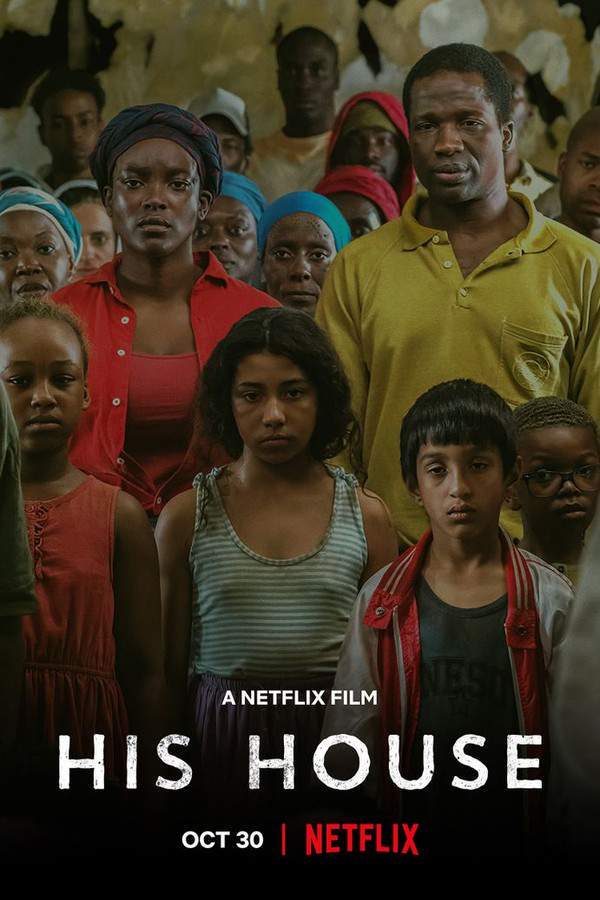
His House (2020) movie poster

Plot Summary

His House (2020) Plot Summary & Ending Explained

Release, runtime and language
2020 · 93 min · English
Echo score 83
Loading streaming availability…
Directed by
Remi Weekes
Starring
Matt Smith, Robert Ryan, Andy Gathergood, Bradley Banton, Cornell John, Emily Taaffe

Fleeing war-torn South Sudan, a refugee couple attempts to rebuild their lives in an English town. However, they soon discover that their past trauma and the horrors they escaped have followed them. As they struggle to adjust to their new surroundings, a sinister presence emerges, blurring the line between reality and nightmare and threatening to destroy their fragile hope for a future.

On this page (7)
  1. 1 Where to watch
  2. 2 What happens: full plot
  3. 3 Plot questions answered
  4. 4 How it ends
  5. 5 Movie threads
  6. 6 Movies like His House
  7. 7 Every angle
Loading streaming availability…

Full plot summary · contains spoilers

What Happens in His House: Full Plot Summary

The whole story of His House (2020) explained, from the opening scene to the final frame: every key event, every twist and what it all adds up to. Read it as a quick recap before the sequel, to check a scene you missed, or to finally understand what really happened.

Bol (Sope Dirisu) and Rial (Wunmi Mosaku) are refugees who bravely flee from the war-torn landscapes of South Sudan, accompanied by their daughter, Nyagak. Their perilous journey involves crossing stormy Mediterranean waters on a crowded motorboat filled with other hopeful refugees, all yearning for a brighter future in Europe. Unfortunately, tragedy strikes during this treacherous passage, as they manage to survive, but not without losing their beloved daughter and many others along the way.

Three months later, they are granted probational asylum in the UK, but the grim reality sets in as they are provided with a run-down house on the outskirts of London, its walls peeling and the furnishings hardly livable. They are subjected to stringent restrictions, living under the constant threat of deportation. Their new life is overshadowed by the challenges of racism and hostility from their neighbors in the tenement.

As they start to adapt to their surroundings, they meet their case worker, Mark, portrayed by Matt Smith, who cautiously expresses his hopes that they are among “the good ones.” Striving for acceptance, Bol attempts to assimilate into British culture by embracing local customs—singing football songs, urging Rial to eat with utensils instead of their hands, and even changing his attire. In contrast, Rial holds on tightly to their heritage, cherishing Nyagak's necklace, wearing vibrant clothes, and opting to eat on the floor, further emphasizing their cultural ties.

However, their new home harbors strange and unsettling experiences. Both Bol and Rial begin witnessing visions of their daughter Nyagak and a mysterious male figure who seem to escape into the very walls that surround them. The reality of their haunted existence becomes clearer when Rial identifies the malevolent presence as an apeth, or "night witch." She recounts a tale from her village about a man who unknowingly provoked an apeth, leading to a life filled with torment.

Determined to reclaim their daughter, Rial believes that if they can repay the debt owed to the apeth, they might have a chance to see Nyagak again. Confusion reigns as they try to comprehend what this debt truly entails. In a desperate act, Bol decides to burn everything they brought with them, but the haunting continues, creating tension between him and Rial. After realizing their living conditions are intolerable, Bol seeks assistance from Mark to find a new place, fabricating a story about rats infesting their home, but he proves unsuccessful.

Feeling increasingly tormented, Bol's behavior deteriorates as he frantically searches for the apeth, risking their asylum status. Rial, sensing the distress, expresses her desire to leave. In a moment of desperation, Bol locks Rial inside their home while he calls upon the apeth himself, who pierces through his guilt by declaring him a thief who has taken what was never his to possess. The apeth offers an agonizing trade of his life for Nyagak’s, yet Bol resolutely rejects the deal, leading to a period of emotional paralysis that engulfs him in rage.

Meanwhile, Rial escapes their harrowing home only to find herself transported back to South Sudan, where echoes of her past unfold in a familiar classroom filled with former friends—victims of a dreadful massacre. Reminded of the violence that forced them away, she reunites with Bol, and they seek a way out as turmoil ensues around them. Their escape takes a dark turn when desperation strikes; Bol sees a child resembling Nyagak and seizes the opportunity, claiming her as his own to board a bus headed for safety. The heart-wrenching scene of Nyagak's real mother left behind, as gunfire erupts, adds to the emotional turmoil of their choices.

Eventually, they find themselves crossing unforgiving seas once again, where tragedy claims Nyagak once more, forcing Bol to confront his past and offer restitution to the apeth. As Bol prepares to merge with this malevolent spirit, Nyagak miraculously reappears to Rial. In a final act of defiance against the apeth, Rial chooses to save Bol by slitting the creature’s throat, breaking the cycle of torment.

When Mark returns for an inspection, he finds their home transformed and repaired. Bol and Rial, now resolved, declare their intention to stay and make a life for themselves, saying that Rial has vanquished the witch that haunted them. With a mix of somber acceptance and hope, they choose to move forward in their new home, haunted by their past, yet determined to live alongside its shadows.

In a poignant vision, the couple stands together with other immigrants at the threshold of their new life, peacefully looking towards the possibility of a brighter future, juxtaposed against the haunting memories of those they have left behind.
Last updated: April 16, 2025 at 14:33

Was this helpful?

Plot questions answered

His House Plot Explained: Your Questions Answered

The questions people ask most about His House (2020): what happens in the confusing scenes, why the characters do what they do, the twists, hidden details and what the ending means. Each answer contains spoilers.

Q1

Why does the apeth haunt Bol and Rial?

The apeth haunts them because of their guilt over Nyagak's death. The creature tells Bol that he is a thief who has taken what was never his to possess, meaning Bol tried to keep his daughter alive through sheer will, violating the natural order. This guilt is what draws the apeth to them, using their grief as a weapon to torment them.

  • apeth
  • night witch
  • haunting
  • guilt
  • nyagak
Q2

How did Nyagak die during the boat crossing?

Nyagak drowned during the perilous Mediterranean crossing. The boat was overcrowded and faced stormy waters. In the chaos, Nyagak was lost to the sea, though the exact moment is shown through traumatic flashbacks. Her death marks the central trauma that haunts Bol and Rial throughout the film.

Foreshadowing: The film opens with the dangerous sea crossing, establishing the threat that ultimately claims Nyagak's life.

  • nyagak
  • drowning
  • mediterranean
  • refugee boat
  • death
Q3

What is an apeth in the movie?

An apeth is a malevolent spirit from South Sudanese folklore, also known as a "night witch." Rial explains that in her village, a man unknowingly provoked an apeth, and it tormented him for the rest of his life. The creature feeds on guilt and offers terrible bargains to its victims.

  • apeth
  • night witch
  • spirit
  • folklore
  • supernatural
Q4

Why does Bol reject the apeth's deal?

The apeth offers Bol a trade: his own life in exchange for Nyagak's return. Bol rejects this because he cannot sacrifice himself while Rial still needs him. His refusal leads to emotional paralysis, but it also demonstrates his unwillingness to make another fatal bargain that would leave Rial alone.

  • apeth deal
  • nyagak
  • bol sacrifice
  • rejection
Q5

Why does the supernatural haunting begin in their new home?

The haunting begins because Bol and Rial have not properly processed Nyagak's death or their guilt. Their unresolved grief creates an opening for the apeth to manifest. Additionally, their cultural divide, Bol's attempt to assimilate versus Rial's preservation of heritage, creates psychological tension that the apeth exploits.

Foreshadowing: The grief and guilt from losing Nyagak during the crossing follows them from the moment they arrive in the UK.

  • haunting
  • home
  • grief
  • trauma
  • assimilation
Q6

What happens to the child Bol takes during the flashback?

During a chaotic flashback to South Sudan, Bol sees a child resembling Nyagak and desperately claims her as his own to board a fleeing bus. The child's real mother is left behind as gunfire erupts. This heart-wrenching decision highlights the moral compromises refugees make for survival, though the child ultimately does not survive the subsequent sea crossing where Nyagak dies again.

  • child
  • bol
  • survival
  • refugee
  • choice
Q7

How does Rial kill the apeth?

Rial kills the apeth by slitting its throat with a knife during the final confrontation at sea. When the apeth tries to claim Bol, Rial intervenes and destroys the creature, breaking the cycle of torment. This act of defiance represents her overcoming her fear and choosing to fight rather than accept the apeth's bargain.

  • rial
  • apeth
  • kill
  • confrontation
  • sea
Q8

What does the ending mean for Bol and Rial?

The ending shows Bol and Rial choosing to stay in the UK and build a life despite their haunting past. Their home is repaired, symbolizing their psychological healing. They declare they will live alongside their trauma rather than be consumed by it, a bittersweet acceptance that they cannot undo their losses but can still move forward.

  • ending
  • resolution
  • future
  • trauma
  • acceptance
Q9

Why does Rial resist assimilating into British culture?

Rial clings to her South Sudanese heritage because Nyagak's memory is tied to their culture. Wearing vibrant clothes, eating on the floor, and keeping Nyagak's necklace represent her refusal to abandon their identity. For Rial, assimilation feels like betraying their daughter and their roots, especially after losing Nyagak.

Foreshadowing: From their first scenes, the contrast between Bol's assimilation efforts and Rial's cultural preservation establishes this central tension.

  • rial
  • culture
  • assimilation
  • heritage
  • identity
Q10

Why does Mark inspect their home and what does he find?

Mark, their case worker, returns for a final inspection and finds their home transformed and repaired, symbolizing Bol and Rial's psychological healing. The supernatural damage has been healed because they have confronted their trauma. Mark represents the bureaucratic world that grants or denies their asylum, and his approval signifies their acceptance into society.

  • mark
  • inspection
  • home
  • acceptance
  • asylum
Q11

What debt do Bol and Rial owe the apeth?

The "debt" is their guilt over Nyagak's death. The apeth feeds on this psychological burden. Rial initially believes they owe a literal debt that can be repaid, leading Bol to burn their belongings, but the true debt is emotional, their unresolved grief and the moral compromises they made during their escape, such as taking another woman's child.

  • debt
  • apeth
  • guilt
  • nyagak
  • repayment

Ending explained

What Happens at the End of His House?

How His House (2020) ends, in short: the final scene, the last twist and what it means for the characters. The full ending explained, with every spoiler, lives on its own page.

Read the full ending explained

In the end, "His House" reveals that Bol and Rial's haunted house is a manifestation of their own guilt and tragedy. Throughout the film, the house’s ghostly inhabitants and the apeth monster symbolize their unresolved grief and the terrible price paid for their survival. Bol, believing he sacrificed Nyagak by pushing her into the ocean to keep her alive long enough to reach safety, is haunted by this guilt, which draws the monster—the night witch—closer. The apeth, rooted in Dinka mythology, is a creature that "eats" or steals from its victims in a spiritual sense. When Bol sacrifices himself and cuts his arm, it’s a symbolic act of having "eaten" Nyagak’s life, representing the enormity of his crime and guilt. The monster’s promise to return Nyagak is a cruel trick and a reflection of how their past actions haunt them, preventing peace.

As Rial tells Bol a story of a man who built a house with stolen goods—building their new home with Nyagak’s life—she underscores that they are living in a house built on theft and tragedy. Their true belonging can’t be found in a house, but in accepting their past and their grief. The film’s ending remains ambiguous about their future, yet it signifies a moment of acceptance: Rial chooses to let go of the hope of reuniting with Nyagak, while Bol accepts that he cannot escape his guilt. When they hold hands, the ghosts fade away, suggesting they are finally confronting their trauma and finding a fragile sense of belonging with each other. The haunting is not just about the house or monsters, but about their own truths, and by facing them, they start to heal—holding on to each other as their real refuge.

His House ending explained in full

Movie threads

More Movies Like His House, by Mood & Story

Curated lists built around what makes His House tick: the same mood, the same kind of story or the same emotional payoff. Each list explains why these movies belong together.

Movies where horror symbolizes trauma like in His House

Stories where ghosts and monsters embody the inescapable pain of past events. Discover movies like His House that use supernatural horror as a direct metaphor for psychological pain. If you enjoyed how His House externalized refugee trauma into a haunting, these films offer similar narratives where monsters and ghosts represent grief, guilt, and the lingering effects of devastating past events.

  • haunting
  • somber
  • anxious
  • psychological
  • metaphorical
  • unsettling
  • Tone: dark, somber, melancholic
  • Pacing: steady, deliberate
Why these movies?

The story pattern: These narratives typically feature characters grappling with a profound, unresolved trauma from their past. A supernatural threat emerges that directly mirrors or is born from this trauma, forcing the characters to confront their pain head-on. The plot unfolds not just as a fight for survival, but as a painful journey of acknowledgement and, sometimes, a form of acceptance.

Why they belong together: Movies in this thread are grouped by their shared approach to using the horror genre to explore deep-seated emotional wounds. They share a high emotional weight, a dark tone, and a focus on the psychological over simple jump scares, creating a cohesive viewing experience for those interested in allegorical horror.

Claustrophobic horror dramas like His House

Tales where the setting itself becomes a source of inescapable psychological pressure. If you felt the suffocating tension of His House, explore more movies that master claustrophobic dread. These films trap their characters in oppressive settings—be it a house, an institution, or a psychological state—creating a similar feeling of anxious, inescapable pressure that slowly unravels the protagonists.

  • claustrophobic
  • oppressive
  • anxious
  • tense
  • uneasy
  • trapped
  • Tone: oppressive, anxious, tense
  • Pacing: steady, slow burn
Why these movies?

The story pattern: The narrative often isolates characters in a single, oppressive location or an inescapable circumstance. The threat may be external or internal, but the feeling of being trapped is constant. Tension builds steadily as the characters' options dwindle and their environment closes in, leading to a climax that is often psychologically intense.

Why they belong together: These films are united by their masterful use of setting and atmosphere to generate a specific, palpable feeling of anxiety and confinement. They share a similar pacing that steadily builds unease, a high tension score, and mood tags like claustrophobic and oppressive, providing a consistent vibe for viewers.

If you liked this

Movies Like His House

Similar movies to His House: the same genre, themes or kind of story. Each one comes with its own plot summary, timeline and ending explained.

Browse all movie summaries

Every angle

His House (2020) Explained: Plot, Ending, Timeline & Characters

Everything about His House in one place: what happens in the plot summary, the timeline in chronological order, the characters and meaning, the ending explained and a spoiler-free summary. What's After the Movie adds the cast, box office and post-credit scenes.

Coming soon on iOS and Android

The Plot Explained Movie Summary App

Plot summaries, endings explained and timelines on your phone. Catch up on any movie in minutes, save your favorites and never miss a twist again.

Be the first to know when we launch. Your email stays private, always.

Learn more about the app