Plot Summary
Hayao Miyazaki and the Heron (2024) Plot Summary & Ending Explained
- Directed by
- Kaku Arakawa
- Starring
- Toshio Suzuki
This documentary offers a rare and intimate look into the creative process of acclaimed animator Hayao Miyazaki as he works on "The Boy and the Heron." Viewers are granted access to six years of his artistic journey, witnessing both the challenges and triumphs involved in crafting a new masterpiece and gaining insight into his unique vision.
On this page (3)
Full plot summary
Hayao Miyazaki and the Heron (2024) Plot Summary Coming Soon
We are working on the full plot summary and ending explained of Hayao Miyazaki and the Heron (2024). Check back soon, or request it now to move it up the list.
Ending explained
What Happens at the End of Hayao Miyazaki and the Heron?
How Hayao Miyazaki and the Heron (2024) ends, in short: the final scene, the last twist and what it means for the characters. The full ending explained, with every spoiler, lives on its own page.
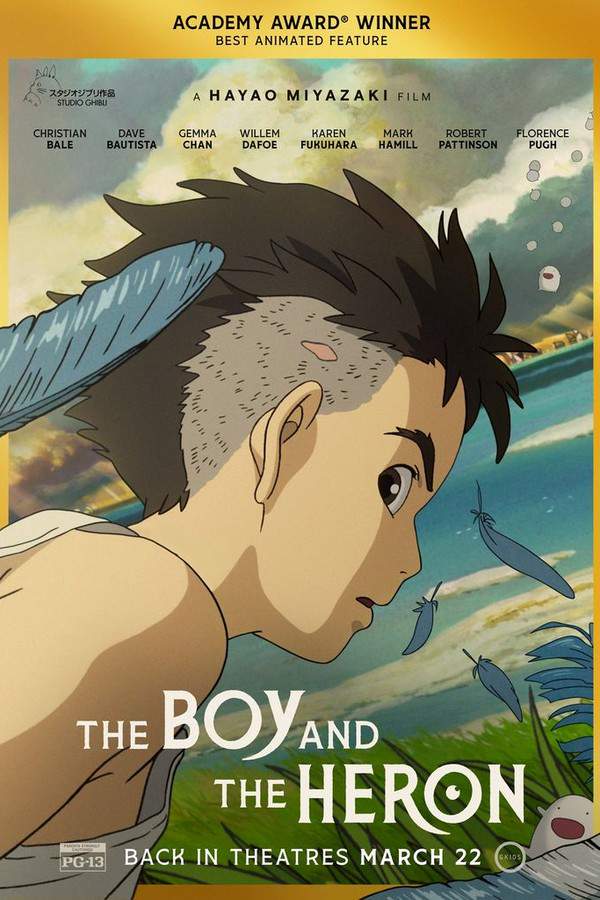
The ending of Hayao Miyazaki’s The Boy and the Heron is a deeply symbolic and emotionally resonant conclusion to Mahito’s journey through grief, imagination, and acceptance. Throughout the film, Mahito experiences a fantastical world that blurs the lines between life, death, and memory, guided by the talking heron that symbolizes a being capable of traversing these realms — a creature rooted in Japanese folklore as a ghostly shapeshifter linked to death. As Mahito ventures into the realm of the dead, he confronts his fears about loss and begins to understand that his obsession with rescuing his mother was a manifestation of his yearning to hold on to her presence and his childhood innocence.
By the story’s climax, Mahito confronts the idea that his imagined reunion with his mother, through the character of Himi, is a projection of his desire to reconnect with her spirit. Himi, who embodies a younger, more innocent version of his mother, reveals herself as a symbol of his childhood hope and love. When she chooses to stay in her own world—her original reality—Mahito accepts that she must exist apart from him, which serves as a metaphor for his acceptance of his mother’s death. This parting signifies a crucial step in his emotional growth, acknowledging that life continues even after loss.
Continue reading the ending (2 more paragraphs)
The figure of the Granduncle, a solitary creator locked within his tower of loneliness and obsession, reflects the dangers of retreating into one’s imagination to escape pain. Mahito’s refusal to become a ruler of the fantastical realm and his decision to return to the real world highlight the film’s core message: true healing comes from reconnecting with loved ones and facing reality, rather than dwelling in the comforts of imaginary worlds. As Mahito leaves the tower, the collapsing structure and the birds’ exit with good luck symbolize the end of his internal retreat and the beginning of his acceptance of life's imperfect but meaningful nature.
Ultimately, the film’s conclusion indicates that Mahito has grown enough to move forward. He understands that his mother’s spirit lives on in his memory and that his purpose now is to cherish the moments he can share with those around him. The fantastical journey, though rooted in imagination, has taught him an essential truth: love and connection are what give life its resilience, and accepting loss is part of growing up. The farewell with Himi, who chooses her own reality, underscores the importance of letting go and appreciating the present, reaffirming that true strength lies in facing life’s realities with hope and acceptance.
Every angle
Hayao Miyazaki and the Heron (2024) Explained: Plot, Ending, Timeline & Characters
Everything about Hayao Miyazaki and the Heron in one place: what happens in the plot summary, the timeline in chronological order, the characters and meaning, the ending explained. What's After the Movie adds the cast, box office and post-credit scenes.
- Hayao Miyazaki and the Heron Timeline Every key event in chronological order, ideal for flashbacks and time jumps.
- Hayao Miyazaki and the Heron Characters & Themes Who is who, where it takes place and what the movie really means.
- Hayao Miyazaki and the Heron Ending Explained What happens at the end, the final scene and what it means.
- Hayao Miyazaki and the Heron on What's After the Movie Cast and crew, box office, post-credit scenes and more.
Coming soon on iOS and Android
The Plot Explained Movie Summary App
Plot summaries, endings explained and timelines on your phone. Catch up on any movie in minutes, save your favorites and never miss a twist again.
Be the first to know when we launch. Your email stays private, always.
Learn more about the app