Plot Explained Spoilers guaranteed!
Plot Explained

Browse by genre

Ghosts of Mississippi (1996) movie poster

Timeline

Ghosts of Mississippi (1996) Timeline Explained – Every Event in Order

Release, runtime and language
1996 · 130 mins · English
Directed by
Rob Reiner
Starring
Craig T. Nelson, Lucas Black, Alec Baldwin, Virginia Madsen, Richard Stahl, James Woods

A Mississippi district attorney teams with Medgar Evers’s widow to finally hold a notorious white supremacist accountable for the 1963 assassination of the civil‑rights icon. Their relentless pursuit confronts decades‑old racism, corruption and a legal system that has long turned its back on the case, offering a last chance for justice.

On this page (6)
  1. 1 Where to watch
  2. 2 Events in order (13)
  3. 3 Timeline questions answered
  4. 4 Movie threads
  5. 5 Movies like Ghosts of Mississippi
  6. 6 Every angle

Where to watch

Where to Watch Ghosts of Mississippi (1996)

Where can you watch Ghosts of Mississippi? Stream, rent or buy it in the US, including on Kanopy, Plex and Tubi TV: current JustWatch availability with up-to-date prices.

Streaming availability powered by JustWatch

13 events in order · contains spoilers

Ghosts of Mississippi Timeline: Events in Chronological Order

Every key event of Ghosts of Mississippi (1996) in order, scene by scene, with when and where it takes place. Use it to untangle flashbacks, time jumps and parallel storylines, to refresh your memory before the sequel or to find the exact scene you are thinking of.

  1. Medgar Evers is assassinated

    Civil rights leader Medgar Evers is shot and killed in Jackson, Mississippi on June 12, 1963. Byron De La Beckwith is suspected as the killer, and his name becomes the focal point of a case that spurs national attention. The murder catalyzes a long pursuit of justice in the face of violent resistance.

    When
    June 12, 1963
    Where
    Jackson, Mississippi
  2. Two 1960s trials end in hung juries

    Beckwith is tried twice in the 1960s for Evers's murder, but both juries fail to reach a verdict. The hung juries keep the case unresolved and embolden the idea that the white-supremacist climate could shield the killer. The failure to convict becomes a painful reminder of the era's resistance to civil rights justice.

    When
    1960s
    Where
    Mississippi
  3. Myrlie Evers pursues justice over decades

    Myrlie Evers, Medgar’s widow, continues to seek justice for more than two decades, enduring political pressure and personal strain. Her steadfast pursuit becomes a central through-line of the story as advocates hope a new era might yield new evidence. Her unwavering resolve symbolises civil rights perseverance.

    When
    1960s–1989
    Where
    Mississippi
  4. 1989 newspaper article exposes jury tampering

    Jerry Mitchell's investigative article reveals alleged jury tampering by the Mississippi State Sovereignty Commission, rekindling attention on the old case. Myrlie Evers believes renewed scrutiny could finally bring De La Beckwith to trial. The article serves as a catalyst for reopening the investigation.

    When
    1989
    Where
    Mississippi
  5. Bobby DeLaughter takes up the case; forms a team

    Bobby DeLaughter, an assistant district attorney, decides to reopen the case despite warnings about his political future. He forms a team of investigators from his office to reevaluate the evidence and search for new leads. The effort marks the beginning of a high-stakes pursuit of a conviction decades after the crime.

    When
    early 1990s
    Where
    Mississippi
  6. Key witnesses die; transcripts are lost

    Several key witnesses from the 1960s trials have died, and the court transcripts are missing, making it harder to reconstruct what happened. The team grapples with limited documentary evidence and uncertain recollections. Despite the odds, they press on, convinced new breakthroughs are possible.

    When
    early 1990s
    Where
    Mississippi
  7. Failed strategy to pressure alibi witnesses

    Two police officers who previously provided Beckwith with an alibi are pressured to admit they lied under oath, but they refuse or fail to recant convincingly. The setback illustrates the difficulty of reviving credible post-conviction testimony. The team remains determined despite this setback.

    When
    early 1990s
    Where
    Mississippi
  8. Rifle used in the murder is found

    The long-lost murder weapon is discovered hidden in plain sight. The discovery lends physical evidence back to the crime scene and helps anchor the new prosecution theory. Momentum shifts in the investigation as this tangible link reemerges.

    When
    early 1990s
    Where
    Mississippi
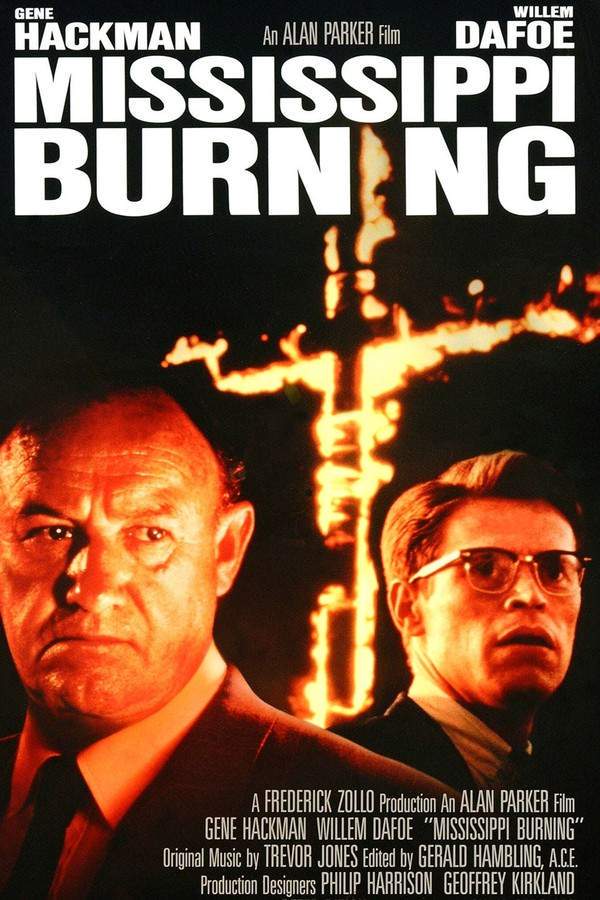
  9. Delmar Dennis emerges as an undercover informant

    Investigators learn of Delmar Dennis, a former Ku Klux Klan member who becomes an FBI informant. Dennis testified against the Klan in the Mississippi Burning case and claimed to have met De La Beckwith, suggesting a possible connection to the Evers murder. His involvement turns the tide for securing new indictments.

    When
    early 1990s
    Where
    Mississippi
  10. Dennis testifies; new witnesses strengthen the case

    Dennis, along with two other witnesses who corroborate his account, offers testimony that bolsters the prosecution's case. Their evidence helps fill gaps from the earlier trials and gives prosecutors credible leads to pursue. The team grows optimistic about securing a conviction.

    When
    early 1990s
    Where
    Courtroom / Mississippi
  11. Lloyd Bennett reads testimony to the jury

    Detective Lloyd Bennett reads the testimony of his father, LC Bennett—the officer who found the murder weapon—before the jury. The act ties fresh courtroom performance to the original crime and recontextualizes old facts for a new jury. The courtroom scenes emphasize how historical evidence can be repurposed.

    When
    1990s
    Where
    Courtroom
  12. 1994 conviction

    Byron De La Beckwith is found guilty of Medgar Evers's murder and sentenced to life imprisonment. The verdict closes a long chapter of legal battles and vindicates decades of civil rights advocacy. The courtroom celebration marks a historic breakthrough for justice in Mississippi.

    When
    1994
    Where
    Jackson, Mississippi
  13. Myrlie celebrates the verdict

    Myrlie Evers stands before the courthouse crowd, tearfully celebrating the long-awaited verdict. Her perseverance is portrayed as a defining force in the fight for justice and civil rights. The scene underscores the lasting impact of steadfast advocacy.

    When
    1994
    Where
    Courthouse

Last updated: October 09, 2025 at 11:18

Was this helpful?

Timeline questions answered

Ghosts of Mississippi Timeline Explained: Your Questions Answered

When does it happen, and why in that order? The questions people ask about the chronology of Ghosts of Mississippi (1996): time jumps, flashbacks, cause and effect between scenes and the correct order of events, each answered with spoilers.

Q1

Why did Myrlie Evers continue pursuing the case for over 25 years?

Myrlie Evers refused to accept that her husband's killer would escape justice. After two hung juries in the 1960s, she remained determined to secure a conviction despite political pressure, personal strain, and the overwhelming obstacles of reopening a decades-old case. Her persistence was driven by her belief that giving up would mean letting white supremacists win.

  • mrylie evers
  • medgar evers
  • justice
  • perseverance
  • civil rights
Q2

What revived the Medgar Evers case in 1989?

A newspaper article by Jerry Mitchell exposed jury tampering by the Mississippi State Sovereignty Commission during the original 1960s trials. This revelation proved the earlier trials were compromised and gave Myrlie Evers the legal grounds to demand the case be reopened after more than two decades.

  • jerry mitchell
  • jury tampering
  • mississippi state sovereignty commission
  • 1990s investigation
Q3

Why was Bobby DeLaughter warned against taking the case?

DeLaughter was warned that reopening the Medgar Evers case could destroy his political career and strain his marriage. The case was considered toxic in Mississippi politics because it would confront powerful white supremacist networks and challenge the entrenched corruption that had protected Beckwith for decades.

  • bobby delaughter
  • political risk
  • career
  • threats
Q4

How did finding the murder weapon help the prosecution?

The murder weapon, long thought lost, was discovered hidden in plain sight. This provided the first concrete physical evidence in decades, allowing prosecutors to connect Beckwith directly to the crime and anchor their case with tangible proof that could withstand the defense's challenges.

  • murder weapon
  • rifle
  • evidence
  • physical proof
Q5

Who was Delmar Dennis and why was his testimony crucial?

Delmar Dennis was a former Ku Klux Klan member who became an FBI informant. He had testified against the Klan in the Mississippi Burning case and claimed to have met De La Beckwith. His testimony provided a direct link between Beckwith and the KKK network, helping prosecutors build a credible narrative that a new jury could believe.

  • delmar dennis
  • kkk informant
  • fbi
  • testimony
  • mississippi burning
Q6

What major obstacles did the prosecution face when reviving the case?

Several key witnesses from the 1960s trials had died, and court transcripts from the original proceedings were missing. Additionally, two police officers who had previously provided Beckwith with an alibi refused to admit they had lied under oath. These obstacles made reconstructing the original case extremely difficult.

  • missing witnesses
  • transcripts
  • alibi
  • obstacles
  • investigation
Q7

What role did Myrlie Evers' missing transcripts play in the case?

Myrlie Evers revealed she possessed a court-certified transcript from one of the 1960s trials. This document proved crucial because it allowed Bobby DeLaughter to reconstruct the original prosecution's case and present nearly the same evidence to the new jury, supplemented by new witnesses and evidence.

  • transcripts
  • evidence
  • court records
  • myrlie evers
Q8

Why was the 1994 conviction a landmark moment?

Byron De La Beckwith was finally found guilty of Medgar Evers' murder in 1994, over 30 years after the assassination. The conviction marked the first successful prosecution in the case and represented a historic breakthrough for racial justice in Mississippi, proving that even decades-old crimes could be prosecuted despite institutional resistance.

  • 1994 conviction
  • landmark verdict
  • life sentence
  • justice delayed
Q9

What threats did Bobby DeLaughter and his family face?

White supremacist elements threatened Bobby DeLaughter and his children during the investigation, adding personal danger to the professional risks he already faced. These threats underscore the real danger involved in pursuing a case against a notorious racist in Mississippi during the early 1990s.

  • threats
  • white supremacists
  • family safety
  • danger
Q10

Why did the first two trials end in hung juries?

The 1960s trials ended in hung juries because the jury tampering by the Mississippi State Sovereignty Commission influenced the jury pool. White supremacist pressure and the era's deeply racist climate made it impossible to get a unanimous verdict against a white defendant accused of killing a Black civil rights leader.

  • hung juries
  • 1960s trials
  • jury tampering
  • racism
  • jury pool
Q11

How did Detective Lloyd Bennett's courtroom action help the prosecution?

Detective Lloyd Bennett read the past testimony of his father, LC Bennett, the officer who originally found the murder weapon. This connected the fresh courtroom proceedings to the original crime scene evidence, providing a bridge between decades-old facts and the new prosecution's case.

  • lloyd bennett
  • lc bennett
  • murder weapon
  • testimony
  • evidence chain

Movie threads

More Movies Like Ghosts of Mississippi, by Mood & Story

Curated lists built around what makes Ghosts of Mississippi tick: the same mood, the same kind of story or the same emotional payoff. Each list explains why these movies belong together.

Legal Justice Dramas like Ghosts of Mississippi

Gripping stories of relentless legal battles to right historical wrongs. If you liked the determined legal fight in Ghosts of Mississippi, explore these movies about tenacious lawyers and prosecutors battling systemic injustice. These similar films feature tense courtroom drama, cold cases, and the heavy emotional weight of fighting for righteousness against overwhelming odds.

  • tense
  • gripping
  • courageous
  • triumphant
  • urgent
  • historical
  • Tone: tense, urgent, courageous
  • Pacing: steady, methodical
Why these movies?

The story pattern: These narratives typically follow a linear, methodical path from the discovery of an old injustice or the reopening of a cold case, through a painstaking investigation fraught with obstruction and danger, culminating in a climactic legal confrontation. The protagonist's moral conviction is their primary weapon against a system designed to protect the guilty.

Why they belong together: Movies in this thread share a core focus on the legal process as a tool for social change, characterized by a tense tone, heavy emotional weight, and a steady pacing that builds towards a cathartic, often triumphant conclusion. The journey is difficult, but the pursuit of justice provides a powerful through-line.

Gripping Historical Dramas like Ghosts of Mississippi

Emotionally taxing journeys through dark history that end with meaningful hope. Discover movies like Ghosts of Mississippi that combine a serious look at difficult history with a ultimately uplifting ending. These similar films are tense and gripping, dealing with heavy themes like social injustice, but they provide a cathartic and triumphant conclusion that rewards the emotional investment.

  • historical
  • somber
  • triumphant
  • gripping
  • unsettling
  • courageous
  • Tone: somber, tense, ultimately hopeful
  • Pacing: steady, immersive
Why these movies?

The story pattern: The narrative pattern involves immersing the audience in a painful historical reality, forcing them to confront injustice and trauma head-on. The central conflict is monumental, often pitting courageous individuals against entrenched societal evils. The emotional arc is one of endurance, where hope is a flickering light that grows steadily until it finally breaks through the darkness in a conclusive, validating resolution.

Why they belong together: These films are grouped together because they masterfully balance a dark, intense, and emotionally heavy viewing experience with a fundamentally hopeful and satisfying conclusion. They don't shy away from brutality but use it to make the eventual triumph feel earned and meaningful, creating a specific and powerful emotional mix.

If you liked this

Movies Like Ghosts of Mississippi

Similar movies to Ghosts of Mississippi: the same genre, themes or kind of story. Each one comes with its own plot summary, timeline and ending explained.

Browse all movie summaries

Every angle

Ghosts of Mississippi (1996) Explained: Plot, Timeline & Characters

Everything about Ghosts of Mississippi in one place: what happens in the plot summary, the timeline in chronological order, the characters and meaning and a spoiler-free summary. What's After the Movie adds the cast, box office and post-credit scenes.

Coming soon on iOS and Android

The Plot Explained Movie Summary App

Plot summaries, endings explained and timelines on your phone. Catch up on any movie in minutes, save your favorites and never miss a twist again.

Be the first to know when we launch. Your email stays private, always.

Learn more about the app