Plot Explained Spoilers guaranteed!
Plot Explained

Browse by genre

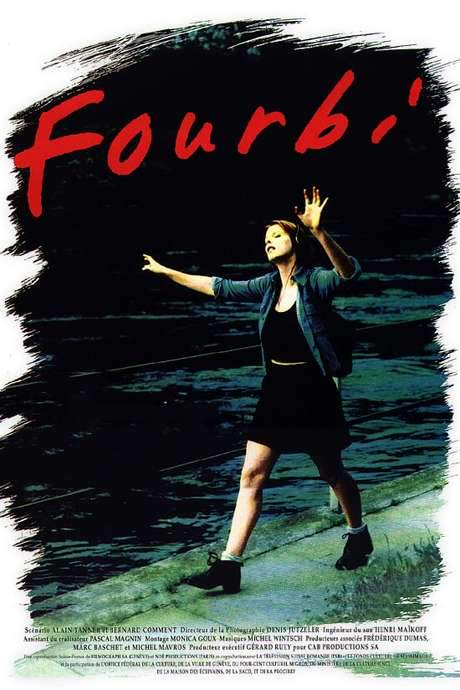
Gang of Four (1989) movie poster

Timeline

Gang of Four (1989) Timeline Explained – Every Event in Order

Release, runtime and language
1989 · 160 mins · French
Directed by
Jacques Rivette
Starring
Irène Jacob, Bulle Ogier, Nathalie Richard, Laurence Côte, Albert Dupontel, Michel Vuillermoz

Anna, Joyce, Claude and Lucia study under renowned film instructor Constance Dumas. When Lucia moves in with the other girls, the close‑knit group navigates the pressures of their craft. Shortly after, Lucia is assaulted on a street near her home, only to be rescued by a mysterious stranger.

On this page (6)
  1. 1 Events in order (15)
  2. 2 Timeline questions answered
  3. 3 Movie threads
  4. 4 Movies like Gang of Four
  5. 5 Categories
  6. 6 Every angle

15 events in order · contains spoilers

Gang of Four Timeline: Events in Chronological Order

Every key event of Gang of Four (1989) in order, scene by scene, with when and where it takes place. Use it to untangle flashbacks, time jumps and parallel storylines, to refresh your memory before the sequel or to find the exact scene you are thinking of.

  1. Four women share a suburban estate and pursue acting classes

    Four women—Anna, Claude, Joyce, and Cécile—live together on a small estate outside Paris and attend acting classes in the city. The dynamic is intimate and insular, with the group building their days around class schedules and the guidance of their demanding instructor. The setup establishes the claustrophobic world that will drive many conflicts later in the story.

    When
    Opening
    Where
    Suburban Paris estate
  2. Cécile moves out; Lucia arrives to replace her

    Cécile leaves the estate to be with her boyfriend, prompting Lucia to move in as a new resident. Her departure raises eyebrows and concern among the others, but life at the estate and in the acting classes continues as before. The shift tightens the group’s internal loyalties and tensions.

    When
    shortly after Cécile's departure
    Where
    Estate
  3. Constance runs a cult-like acting school in a derelict theater

    Constance leads a small, restrictive acting program that demands total devotion and pays little heed to conventional livelihoods. The class atmosphere is cultish, with members living Bohemian lives while remaining isolated from the outside world. Rehearsals focus on scenes rather than full plays, under Constance’s relentless, often destructive criticism.

    When
    start of classes
    Where
    Derelict theater
  4. An enigmatic man starts appearing and stirring trouble

    Joyce first encounters a peculiar man who provides his number, and Anna later meets him at an art gallery. He claims to be a former business partner of Cécile's boyfriend and hints at their involvement in fraudulent activity. His vague assertions and uncanny knowledge of the women's routines unsettle the group as the mystery surrounding him deepens.

    When
    early in the story
    Where
    Art gallery and estate
  5. The key falls from Anna's chimney; Lucia seizes it

    Thomas explains that a key fell down Anna's chimney one night and was secretly taken by Lucia. The object is framed as a potential damning piece of evidence, implying a larger conspiracy that could target a judge. The question of the key’s whereabouts becomes a central thread pulling characters toward danger.

    When
    shortly after his arrival
    Where
    Estate
  6. Anna and Joyce test Thomas in a lounge meet-up

    Anna and Joyce arrange a meeting with Thomas at a lounge to test the veracity of his claims and gauge his true motives. He begins to spin a story about a terror plot and an arsenal in the estate, but the women play along to observe him and avoid a direct confrontation. He escapes the scene before anyone can challenge him visibly.

    When
    later that day
    Where
    Lounge
  7. Thomas reveals his true identity and purpose

    Thomas discloses that he is a policeman investigating Cécile's boyfriend and that the key could unlock damning evidence about a judge. He argues that cooperation could help secure the boyfriend’s release, sowing doubt and mistrust among the women. He then remains at the estate for several days, escalating tension.

    When
    within days
    Where
    Estate
  8. Claude’s romance, manipulation, and the hunt for the key

    Claude's unrequited love complicates her life, while Thomas pretends to be an illicit art dealer to get closer to her. He has sex with Claude in an attempt to locate the key, blurring lines between manipulation and desire and deepening the group’s fragility.

    When
    over days
    Where
    Estate
  9. Cécile’s boyfriend is arrested, then goes on the run

    A news broadcast reveals that Cécile's boyfriend has been arrested on murder charges, though the case may be politically motivated. He later escapes custody, turning the already volatile situation inside the estate on its head and further fraying the group’s loyalties.

    When
    after arrest
    Where
    Estate / city
  10. Constance’s fate looms as the theater’s future darkens

    Even as Cécile continues to attend class, her performance quality suffers and rumors swirl about Constance’s possible complicity in criminal activities. It is implied that Constance is arrested by plainclothes officers, leading to the theater’s disbandment and a collapse of the structure that sustained the group.

    When
    after the arrest
    Where
    Estate and theater
  11. The key remains hidden; Lucia’s deception continues

    Lucia maintains that she tossed the key into the Seine, but Thomas suspects the key is still somewhere in the house. The uncertainty about the key’s location heightens paranoia and drives the group to scrutinize one another more intensely.

    When
    ongoing
    Where
    Estate; Seine
  12. Five days pass; a struggle culminates in the key’s exposure

    After five days of Thomas living in the estate, Lucia attempts to poison him. He outsmarts her by refusing the drink and, in the ensuing struggle, the key either falls from Lucia or is otherwise revealed, bringing the pursuit of the key to a crucial moment.

    When
    five days after his arrival
    Where
    Estate
  13. A childlike mock trial exposes bottled-up tensions

    Anna, Claude, Joyce, and Lucia stage an infantile mock trial for Cécile's boyfriend, a performative umbrage that mimics sensational courtroom drama. The exercise underscores their reliance on performance to process trauma and their hunger for validation, even as it exposes their fragility.

    When
    after the confrontation
    Where
    Estate
  14. The group reunites at Constance's theater to rehearse

    The former students reconvene at Constance’s theater to rehearse a play, marking the first time they have collaborated in years. Despite their talent, they struggle to complete even a single scene, and they confront the lingering absence of Constance’s relentless critique that held their performances together.

    When
    end of the story
    Where
    Constance's theater
  15. An unresolved ending; the future remains uncertain

    The film closes with the women facing an uncertain future as actors, realizing they cannot fully trust themselves or each other without Constance’s guidance. The theater sits in limbo, and the group exits with a shared sense of unresolved tension and fragile cohesion.

    When
    ending
    Where
    Theater

Last updated: October 09, 2025 at 14:24

Was this helpful?

Timeline questions answered

Gang of Four Timeline Explained: Your Questions Answered

When does it happen, and why in that order? The questions people ask about the chronology of Gang of Four (1989): time jumps, flashbacks, cause and effect between scenes and the correct order of events, each answered with spoilers.

Q1

Who is the mysterious man that infiltrates the women's home?

Thomas is a policeman working undercover, using aliases to infiltrate the estate in search of evidence against a judge. He pretends to be a former business partner of Cécile's boyfriend and an illicit art dealer. His real goal is to find a key that he believes will unlock damning evidence about judicial corruption.

Foreshadowing: Earlier, Thomas demonstrates uncanny knowledge of the women's routines and the exact route back to Anna's home, hinting at his investigative background.

  • thomas
  • policeman
  • undercover
  • investigator
  • judge
  • corruption
  • key evidence
Q2

Why is the key such a crucial element in the story?

The key is believed to be the evidence that could expose a judge's criminal activities. Thomas explains it fell down Anna's chimney and was secretly taken by Lucia. He suspects it can unlock a safe or documents containing damning information about the judge, which is why he infiltrates the estate and pressures the women to hand it over.

Foreshadowing: The key's significance is hinted at when Thomas claims Cécile's boyfriend was involved in forging ID cards and that both Cécile and her boyfriend are in serious trouble.

  • key
  • chimney
  • evidence
  • judge
  • corruption
  • lucia
  • safe
Q3

What happens to Constance, the acting teacher?

Constance is implied to have been arrested by plainclothes officers for her involvement in criminal activities connected to the judge case. Her theater is disbanded, and her students are left without the structure and criticism that defined their artistic lives. The ending leaves it unclear whether she will ever return.

Foreshadowing: Constance cancels class after learning of Cécile's boyfriend's escape from custody, a decision that hints at hidden complicities.

  • constance
  • acting teacher
  • arrest
  • theater
  • disbanded
  • criminal activity
Q4

Why does Claude allow Thomas to manipulate her?

Claude is vulnerable because she is experiencing unrequited love for another woman, leaving her emotionally isolated. Thomas exploits this vulnerability by posing as an art dealer and pursuing a romantic relationship with her. He uses the intimacy to dig for information about the key, manipulating her feelings while she desperately seeks connection.

Foreshadowing: Claude's unrequited love is established early in the film, making her susceptible to Thomas's advances.

  • claude
  • thomas
  • manipulation
  • sex
  • art dealer
  • unrequited love
  • vulnerability
Q5

Why does Lucia claim to have thrown the key into the Seine?

Lucia lies about throwing the key into the Seine to protect herself and maintain leverage over the situation. She secretly kept the key after finding it, possibly hoping to use it as protection or bargaining power. Her deception fuels Thomas's suspicion that the key remains hidden somewhere within the house, intensifying the psychological tension.

Foreshadowing: Lucia's vague and shifting stories about the key's whereabouts create ongoing distrust among the women.

  • lucia
  • key
  • seine
  • lie
  • deception
  • hidden key
  • secrets
Q6

What is the purpose of the mock trial scene at the end?

The four women stage a childlike mock trial for Cécile's boyfriend as a way to process their collective trauma and seek justice through performance. The scene mimics sensational courtroom dramas from European cinema and underscores how deeply the women rely on theatrical expression to make sense of their experiences. It also reveals their bottled-up tensions and desire for validation.

Foreshadowing: The mock trial reflects the women's lifelong immersion in acting and their inability to process real events without dramatizing them.

  • mock trial
  • performance
  • trauma
  • cécile's boyfriend
  • theater
  • justice
  • act
Q7

Why can the women not complete a scene without Constance?

The women struggle to perform because Constance's relentless, often destructive criticism has become essential to their artistic process. Years under her cult-like teaching have left them unable to trust their own abilities without her external validation. Her constant critique, though abusive, functioned as the structure that held their performances together, and without it, they feel lost and paralyzed.

Foreshadowing: Constance's teaching style is described as non-constructive criticism that keeps students insecure yet intensely loyal, creating dependency.

  • constance
  • criticism
  • dependency
  • acting
  • performance
  • theater
  • students
  • abuse
Q8

Why does Cécile's boyfriend escape from custody?

Cécile's boyfriend was arrested on murder charges that may be politically motivated, possibly tied to his failed whistleblowing against the corrupt judge. He escapes custody, which further destabilizes the already tense situation at the estate. His escape leads Constance to cancel class, hinting at her own entanglement in the criminal web surrounding the judge.

Foreshadowing: The news that Cécile's boyfriend has been arrested on murder charges comes as a shock, suggesting the case against him is part of a larger conspiracy.

  • cecile
  • boyfriend
  • arrest
  • escape
  • custody
  • murder charges
  • judge
  • whistleblower
  • conspiracy
Q9

Why does Lucia attempt to poison Thomas?

After five days of Thomas living at the estate and pressuring everyone for the key, Lucia attempts to poison him with a familiar toxin. She likely acts out of desperation to protect herself and the other women from his invasive investigation. The failed poisoning attempt triggers a violent confrontation that ultimately leads to the key's exposure.

Foreshadowing: The tension escalates as Thomas remains at the estate for days, with Lucia's anxiety growing alongside his relentless questioning.

  • lucia
  • poison
  • thomas
  • attempt
  • struggle
  • key
  • desperation
  • violence
Q10

What does Thomas actually want from the women?

Thomas wants the key that he believes will expose the judge. He initially approaches the women claiming to be a former business partner of Cécile's boyfriend, then reveals his true identity as a policeman. He stays at the estate, using manipulation and seduction to pressure them into handing over the key, which he believes could free Cécile's boyfriend or help build a case against the judge.

Foreshadowing: Thomas's knowledge of the estate's layout and his claim that Cécile's boyfriend forged ID cards establish his investigative motive early on.

  • thomas
  • key
  • judge
  • evidence
  • policeman
  • cécile's boyfriend
  • manipulation

Movie threads

More Movies Like Gang of Four, by Mood & Story

Curated lists built around what makes Gang of Four tick: the same mood, the same kind of story or the same emotional payoff. Each list explains why these movies belong together.

Claustrophobic Psychological Ensembles like in Gang of Four

Intimate stories where tight-knit groups succumb to manipulation and paranoia. If you liked the intense group dynamics and psychological tension in Gang of Four, explore more movies about insular communities and close-knit groups unraveling under pressure. These films share a focus on manipulation, paranoia, and the claustrophobic feel of a world closing in.

  • claustrophobic
  • paranoid
  • unsettling
  • anxious
  • psychological
  • ensembles
  • Tone: tense, unsettling, paranoid
  • Pacing: slow, deliberate
Why these movies?

The story pattern: Narratives in this thread often follow a group bound by a shared purpose or living situation. The arrival of a new member, a disruptive event, or the influence of a domineering figure introduces tension that pits members against each other, revealing secrets and betrayals in a slow, deliberate unraveling.

Why they belong together: Movies are grouped here for their shared atmosphere of psychological claustrophobia, their focus on ensemble casts in confined settings, and their exploration of how group dynamics can be distorted by manipulation and external threats, leading to a pervasive sense of unease.


Movies about Artistic Obsession like Gang of Four

Stories where the pursuit of art is shadowed by manipulative and demanding teachers. For viewers who appreciated the theme of artistic dedication and toxic pedagogy in Gang of Four, this list features similar stories of obsessive mentors and their proteges. Discover more films exploring the dark side of creative passion and manipulative teaching relationships.

  • obsessive
  • melancholic
  • bohemian
  • psychological
  • dramatic
  • mentorship
  • Tone: tense, dramatic, melancholic
  • Pacing: slow, character-driven
Why these movies?

The story pattern: The pattern follows talented individuals or groups who fall under the spell of a brilliant but flawed mentor. The story charts their journey from admiration to dependence, and ultimately to a crisis where they must confront the cost of their artistic devotion and break free from the manipulative influence.

Why they belong together: These films are connected by their central theme of artistic obsession, the specific archetype of the toxic mentor, and the psychological manipulation that occurs within pedagogical relationships. They share a serious, dramatic tone and often an ambiguous resolution regarding the characters' artistic futures.

If you liked this

Movies Like Gang of Four

Similar movies to Gang of Four: the same genre, themes or kind of story. Each one comes with its own plot summary, timeline and ending explained.

Browse all movie summaries

Categories

Movie Lists Featuring Gang of Four

Gang of Four appears in these hand-built movie categories. Each one groups movies by a specific mood, theme or story type, with their plot summaries and endings explained.

View all movie categories

Every angle

Gang of Four (1989) Explained: Plot, Timeline & Characters

Everything about Gang of Four in one place: what happens in the plot summary, the timeline in chronological order, the characters and meaning and a spoiler-free summary. What's After the Movie adds the cast, box office and post-credit scenes.

Coming soon on iOS and Android

The Plot Explained Movie Summary App

Plot summaries, endings explained and timelines on your phone. Catch up on any movie in minutes, save your favorites and never miss a twist again.

Be the first to know when we launch. Your email stays private, always.

Learn more about the app