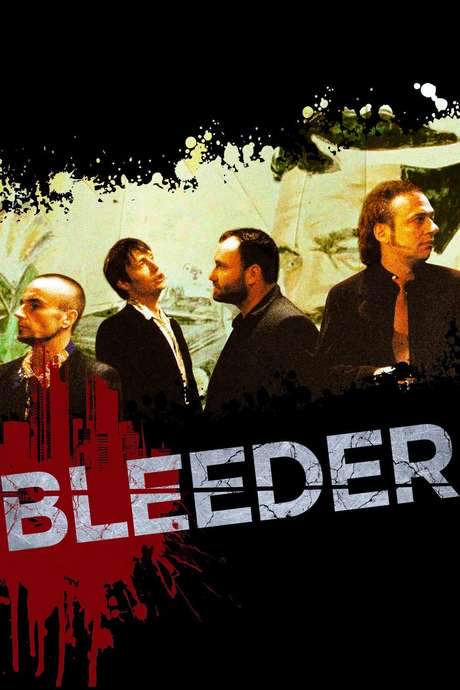
In an ordinary Moscow bar, the story centers on a troubled owner and the uneasy dynamics that unfold behind the counter. The owner, Alexander Alexandrovich (Sanych) Aleksandr Maslaev, is a drug addict and alcoholic who drinks at work until he often ends up vomiting, suggesting a relentless cycle of self-destruction that colors every decision he makes. Two cleaners live in the back room, each with a distinct temperament. Mychalkin, the quieter, almost mute figure who communicates through inarticulate sounds, contrasts sharply with the sharper, more calculating cleaner who is played by Sergey Pakhomov. The bar’s bartender is skilled but silent, a background presence whose competence goes mostly unspoken.
The plot kicks off when Mychalkin is caught up in a theft: five bottles of vodka vanish from the bar, and the two cleaners become prime suspects in the eyes of Sanych. Tension tightens the air as he probes them, leaning on fear and control to force compliance. The first cleaner, in a moment of cruelty and manipulation, compels Mychalkin to drink the stolen vodka. He vents about Sanych and people who have money, and in a blow of irrational rage, smashes one bottle on his own head before he hurls the remaining bottles to the floor. In a surprising, almost ritualistic moment, he sings The Beatles’ “Yesterday,” a song that oddly underscores the bleak, cyclical mood of the bar.
As the investigation unfolds, Sanych’s exploitation of the cleaners becomes more evident. He keeps them working relentlessly, drinking in the cruelty of his own power as he bullies the less able Mychalkin. The smarter cleaner—Sergey Pakhomov—steps in to defend Mychalkin, vowing that someday he will have his own reckoning with Sanych. The tension between fear, loyalty, and the fragile bonds among the back-room workers drives the early part of the narrative toward a grim turning point: the cleaner leads Mychalkin into a storage closet and drowns him in a bucket of water to spare him further suffering. He cradles the body, admitting, almost with tenderness, that Mychalkin was his only friend. When Sanych arrives with an umbrella to demand the closet be cleaned, the cleaner takes the chance to pin the crime on Mychalkin by claiming he stole the vodka. Before locking the body away, the cleaner sings church hymns, a stark contrast to the violence just witnessed.
The next day introduces a dangerous gangster who collaborates with Sanych. The orders he gives are chilling and theatrical: on the first day, a virgin girl must be brought in for sex; on the second day, a virgin man; and on the third day, death. If Sanych fails to fulfill these demands, the gangster threatens to kill him. In a troubling display of coercion and complicity, Sanych arranges a dangerous scene: he brings the bartender, dressed in a wedding gown, to the gangster who then uses the table for a sexual encounter that ends in brutal violation and murder when it becomes clear the woman is on her period. The cleaner, meanwhile, masturbates in the background, a detail that highlights the bar’s dehumanizing atmosphere. Afterward, the cleaner places the bartender’s body next to Mychalkin’s, candlelit and wrapped in a ritual of church songs.
The following day, Sanych amplifies the grotesque by dressing the cleaner in a wedding dress and presenting him to the gangster as the virgin man. The gangster has sex with him, and afterward Sanych locks the cleaner in the basement, sealing a new, even more disturbing power dynamic at the bar. The final day arrives with the gangster, who, in a morbid moment, sings “Break My Heart for Luck” in karaoke. Seizing the moment, Sanych strangles the gangster with a microphone cord. Overcome by the spree of alcohol and despair, Sanych drinks himself into intoxication, vomits once more, and finally drifts into sleep as the chaos of the bar lingers in the air.
This film crafts a stark portrait of a hostile workplace where power, desperation, and violence intertwine. The characters move through a landscape defined by coercion, fear, and a pervasive sense of moral decay, anchored by the strained relationships among the owner, the cleaners, and the would-be enforcers of the bar’s grim system. The atmosphere is dense with tension, ritual, and a chilling economy of violence that leaves little room for innocence or redemption, and the closing scenes linger on the grim consequences of unchecked control and the severities people impose on one another in a place where alcohol and desperation blur the lines between victim and perpetrator.