Year: 1987
Runtime: 93 min
Language: English
Director: Robert Townsend
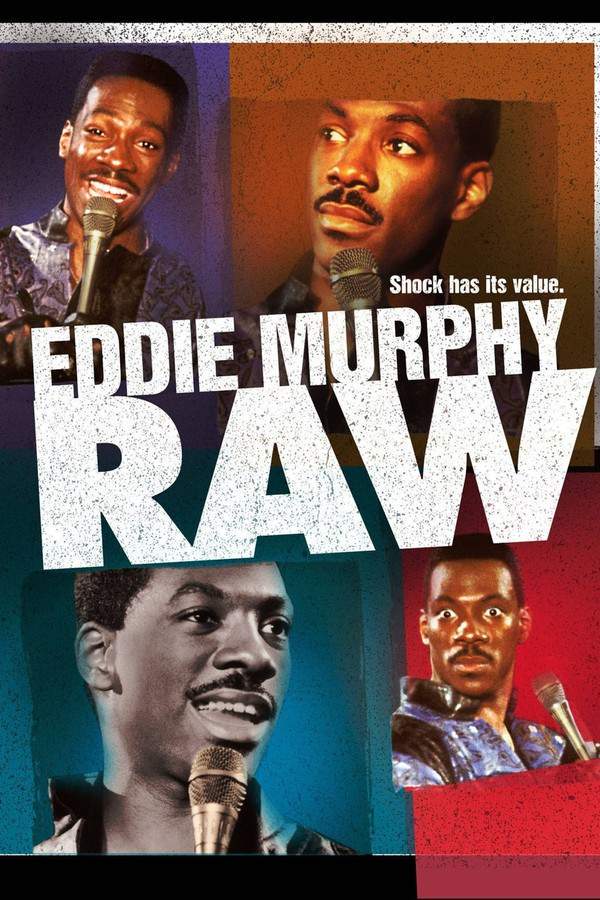
This comedy special presents a provocative and unfiltered stand-up performance from Eddie Murphy. He delivers a sharp routine exploring family relationships, societal issues, and cultural stereotypes. Samuel L. Jackson appears as Murphy’s uncle in a memorable sketch, and the comedian fearlessly satirizes marriage and everyday absurdities with unrestrained humor and candid observations.
Warning: spoilers below!
Haven’t seen Eddie Murphy: Raw yet? This summary contains major spoilers. Bookmark the page, watch the movie, and come back for the full breakdown. If you're ready, scroll on and relive the story!
Read the complete plot breakdown of Eddie Murphy: Raw (1987), including all key story events, major twists, and the ending explained in detail. Discover what really happened—and what it all means.
As the show begins, Eddie Murphy takes audiences on a captivating nostalgic journey back to Thanksgiving 1968. A young Eddie (played by Deon Richmond) effortlessly steals the spotlight with a cheeky joke that mentions a monkey and a lion, prompting waves of laughter from the crowd. His aunt and uncle, portrayed sumptuously by Samuel L. Jackson, are filled with pride, exclaiming, “I love that doo-doo line! That boy’s got talent!” As the screen fades, we are magically transported to the live stage where the real Murphy shines.
With a playful sparkle in his eye, he dives deep into a comedic rant about the outraged responses from various celebrities after his stand-up special, Delirious. He humorously shares the backlash from iconic figures such as Mr. T and Michael Jackson, along with the discontent expressed by his viewers from the LGBTQ+ community who were offended by his jokes concerning “faggots.” This leads us into a flashback filled with unexpected moments, including an eyeful of a phone call from Bill Cosby, who critiques Murphy for his use of profanity during the performance.
The indignation of Murphy grows as he recalls Cosby branding his entire act as nothing but “filth flarn filth,” spurring him to seek the wisdom of the comedic icon Richard Pryor. In true Pryor fashion, he straightforwardly advises, “Just make ‘em laugh and get paid, Eddie.” He even tells Cosby to “Have a Coke and a smile and shut the fuck up,” showcasing the distinctive style and humor of the legendary comedian.
Transitioning smoothly, Murphy pays homage to Pryor’s raw comedic genius by sharing tales from his own teenage years, delivering a side-splitting routine that playfully revolves around defecation emulating Pryor’s signature style. The laughter flows abundantly as he recounts the comical experience of having non-English speaking fans who only remember the curse words from his performances and shout them excitedly at him on the streets.
In a reflective turn, Murphy delves into discussions on dating and relationships, expressing concern about the increasing prevalence of sexually transmitted infections, which now make him contemplate the idea of marriage. However, the high-profile divorce between Johnny Carson and Joanna Holland, where she demanded a substantial portion of his fortune, has made him wary about the potential financial pitfalls of marriage. He cheekily concludes that, “no woman is worth $150 million,” adding humorous commentary on the assertive and materialistic traits he’s observed in American women, while distinguishing them from Japanese women whose gentler demeanor he admires. He cleverly references Janet Jackson’s hit song, “What Have You Done for Me Lately?” as he humorously navigates his own trials in romance.
Murphy further jokes about embarking on a journey to Africa in search of a woman untouched by Western influences, but quickly acknowledges the reality that American women would likely educate her to stand up for herself and demand, “HALF!” This amusingly transitions into a broader alert for men, covering the oft-discussed “pussy trap,” as well as a comical warning about how women may tolerate their partners’ misdeeds following an intense climax.
The discourse continues as Murphy fondly recalls his childhood when his mother would promise him a homemade hamburger that could rival those from McDonald’s. Despite the neighborhood kids proudly flaunting their fast-food burgers, she would serve up an unappetizing creation dubbed the “big, welfare, green-pepper burger,” essentially a lump of beef packed with onions and green peppers on Wonder Bread. However, as he’s matured, Murphy has learned to appreciate the distinct flavor and endearing characteristics of his mother’s unique cooking.
Next, he shifts to delightful observations of white individuals experiencing life with their rather comical dance moves. He deftly moves into a riff about the inspiration Italian-Americans draw from the Rocky franchise, which eventually leads him to reminisce about an unforgettable altercation he had in a disco with Deney Terrio. The skirmish was so wild that, in the aftermath, “everybody sued me” for millions of dollars.
In a poignant conclusion, Murphy reaches out to his parents, launching into a hilarious impersonation of his inebriated stepfather, complete with his tendency to misquote Motown classics, including the famous tune, “Ain’t Too Proud to Beg.” This last segment runs for more than ten enthralling minutes and features clever callbacks to beloved bits from earlier in the show, leaving audiences in stitches.
Last Updated: November 21, 2024 at 09:17
Discover curated groups of movies connected by mood, themes, and story style. Browse collections built around emotion, atmosphere, and narrative focus to easily find films that match what you feel like watching right now.
High-energy comedy performances that tackle social issues with irreverent humor.If you enjoyed Eddie Murphy: Raw, you'll like these movies and comedy specials. This section features unfiltered stand-up performances with similar high energy, social satire, and irreverent humor. Find more hilarious specials that tackle race, family, and relationships with a fearless comedic style.
The narrative is typically a linear stand-up performance, where a comedian moves rapidly between interconnected topics. The journey is built on a series of riffs and anecdotes, often building to a crescendo of callbacks and heightened energy, leaving the audience with a sense of shared catharsis and amusement.
These movies are grouped together because they share a core comedic DNA: a fast-paced, monologic structure, a light but provocative tone, and a focus on using humor as a lens to examine everyday absurdities and complex social dynamics.
Comedies that use humor to expose societal truths and personal hypocrisies.Looking for movies like Eddie Murphy: Raw? This section collects comedies and specials known for their sharp social satire and cultural commentary. These films share a similar playful yet provocative vibe, using humor to explore topics like celebrity, race, and relationships in an unfiltered way.
Stories in this thread often revolve around a central perspective—a comedian or a witty character—who deconstructs societal conventions through a series of observations and anecdotes. The conflict is typically intellectual and cultural rather than physical, pitting honest appraisal against comfortable ignorance.
These films are connected by their primary goal: to use comedy as a tool for cultural critique. They share a light emotional weight despite tackling serious subjects, a fast or steady pacing that keeps the jokes coming, and a tone that balances playful mockery with insightful commentary.
Don't stop at just watching — explore Eddie Murphy: Raw in full detail. From the complete plot summary and scene-by-scene timeline to character breakdowns, thematic analysis, and a deep dive into the ending — every page helps you truly understand what Eddie Murphy: Raw is all about. Plus, discover what's next after the movie.
Track the full timeline of Eddie Murphy: Raw with every major event arranged chronologically. Perfect for decoding non-linear storytelling, flashbacks, or parallel narratives with a clear scene-by-scene breakdown.
Discover the characters, locations, and core themes that shape Eddie Murphy: Raw. Get insights into symbolic elements, setting significance, and deeper narrative meaning — ideal for thematic analysis and movie breakdowns.
Get a quick, spoiler-free overview of Eddie Murphy: Raw that covers the main plot points and key details without revealing any major twists or spoilers. Perfect for those who want to know what to expect before diving in.
Visit What's After the Movie to explore more about Eddie Murphy: Raw: box office results, cast and crew info, production details, post-credit scenes, and external links — all in one place for movie fans and researchers.
Discover movies like Eddie Murphy: Raw that share similar genres, themes, and storytelling elements. Whether you’re drawn to the atmosphere, character arcs, or plot structure, these curated recommendations will help you explore more films you’ll love.
Eddie Murphy: Raw (1987) Scene-by-Scene Movie Timeline
Eddie Murphy: Raw (1987) Movie Characters, Themes & Settings
Eddie Murphy: Raw (1987) Spoiler-Free Summary & Key Flow
Movies Like Eddie Murphy: Raw – Similar Titles You’ll Enjoy
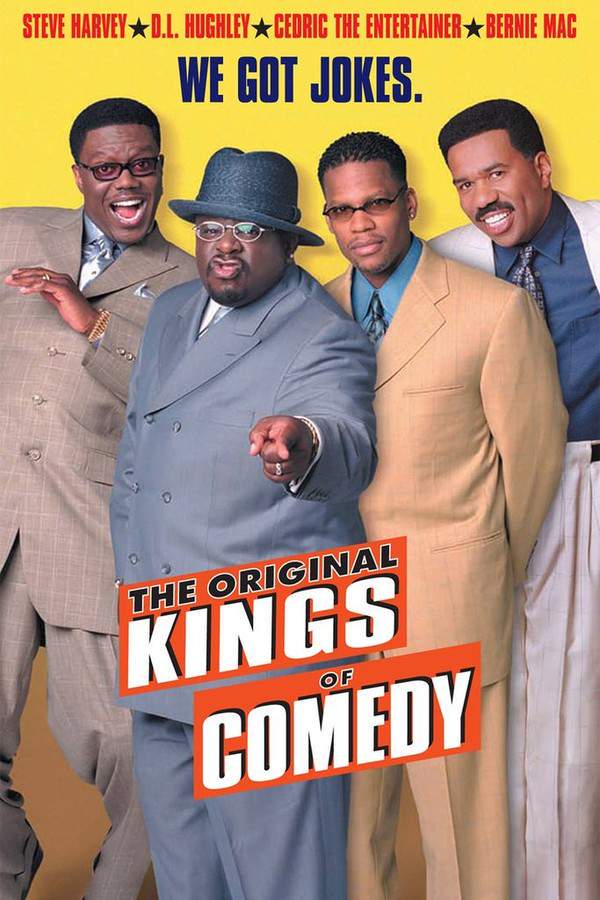
The Original Kings of Comedy (2000) Plot Summary & Ending Explained
Martin Lawrence Live: Runteldat (2002) Plot Summary & Ending Explained
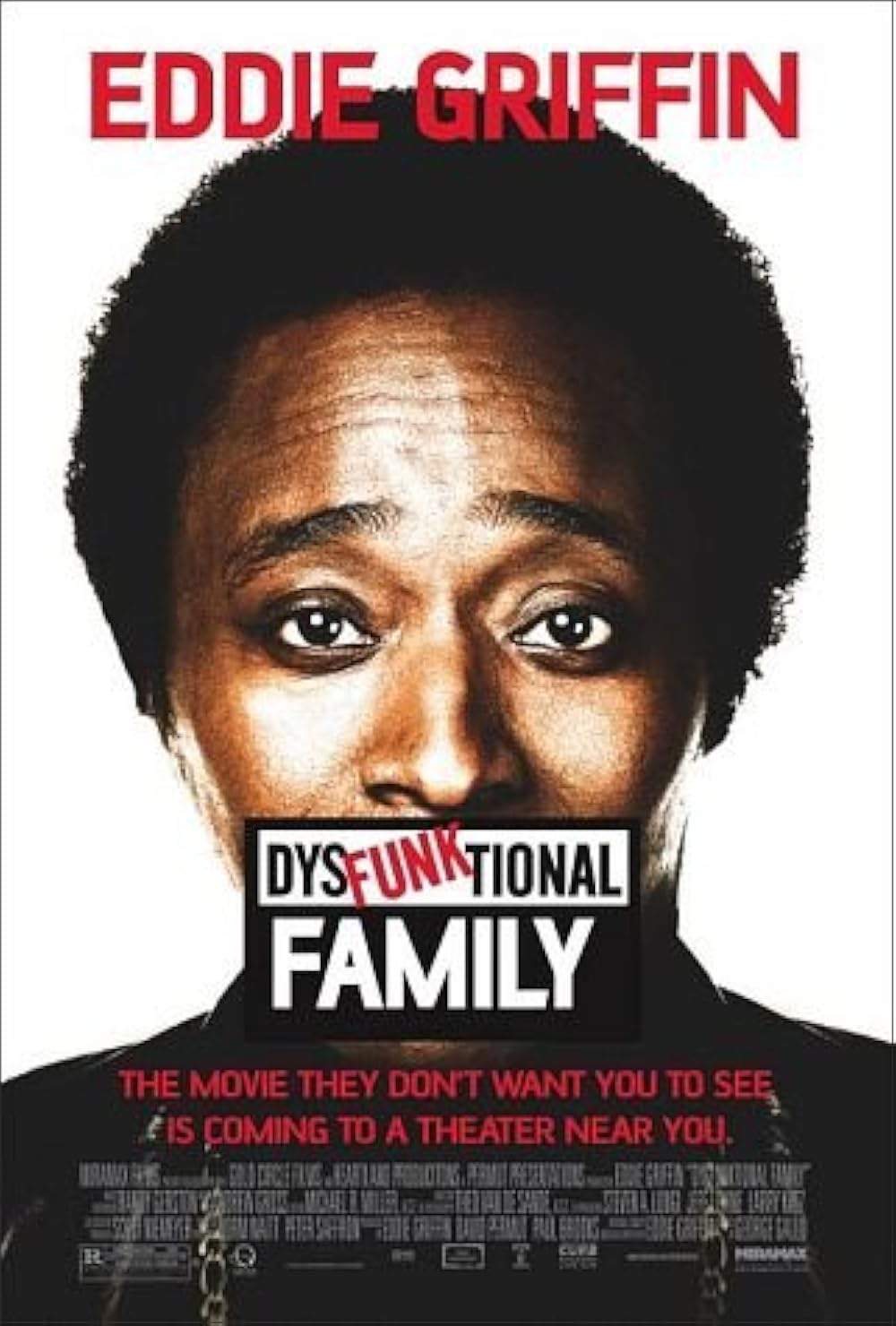
DysFunktional Family (2003) Complete Plot Breakdown
Eddie Griffin: Undeniable (2018) Movie Recap & Themes
Mike Epps: Only One Mike (2019) Complete Plot Breakdown
Eddie Griffin: DysFunktional Family (2003) Movie Recap & Themes
Mike Epps: Inappropriate Behavior (2006) Story Summary & Characters
Richard Pryor: Here and Now (1983) Plot Summary & Ending Explained
Eddie Murphy: Delirious (1983) Story Summary & Characters
All Star Comedy Jam (2009) Full Movie Breakdown
Eddie Griffin: Voodoo Child (1997) Ending Explained & Film Insights
Why We Laugh: Black Comedians on Black Comedy (2009) Story Summary & Characters
Eddie Griffin: Freedom of Speech (2008) Full Summary & Key Details
Eddie Izzard: Dress to Kill (1999) Film Overview & Timeline
Richard Pryor: Live in Concert (1979) Full Summary & Key Details