Plot Explained Spoilers guaranteed!
Plot Explained

Browse by genre

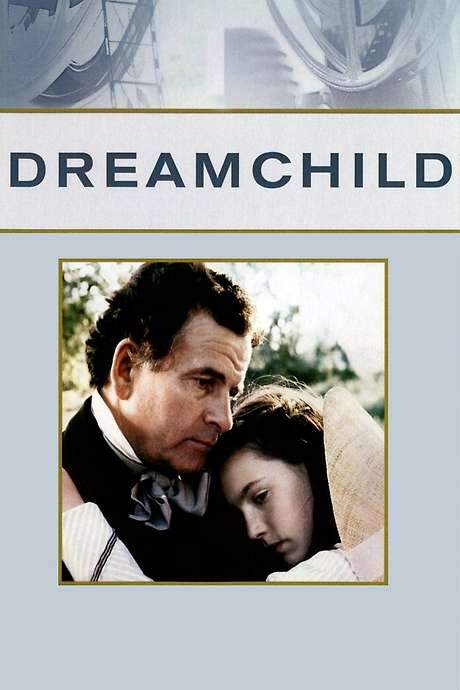
Dreamchild (2020) movie poster

Timeline

Dreamchild (2020) Timeline Explained – Every Event in Order

Release, runtime and language
2020 · 107 mins · French
Directed by
Raphaël Jacoulot
Starring
Nathan Willcocks, Mélanie Doutey, Jalil Lespert, Louise Bourgoin, Jean-Marie Winling, Rio Vega

François and Noémie operate a family-run sawmill nestled in the mountains near the Swiss border, continuing a legacy spanning four generations. François longs to have a child, and after struggling with fertility treatments, they decide to pursue adoption. However, his life takes an unexpected turn when he begins a passionate affair with Patricia, a newcomer to the area. Soon, Patricia becomes pregnant, altering their plans and introducing a complex new dynamic.

On this page (4)
  1. 1 Events in order (11)
  2. 2 Timeline questions answered
  3. 3 Movie threads
  4. 4 Every angle

11 events in order · contains spoilers

Dreamchild Timeline: Events in Chronological Order

Every key event of Dreamchild (2020) in order, scene by scene, with when and where it takes place. Use it to untangle flashbacks, time jumps and parallel storylines, to refresh your memory before the sequel or to find the exact scene you are thinking of.

  1. Arrival amid a press scrum

    The film opens with Alice Hargreaves and her carer Lucy disembarking to a swarm of journalists, all eager for a story about her past with Lewis Carroll. The relentless attention underscores how public interest eclipses private life. Jack Dolan, a former reporter, steps in to help them navigate the chaos, hinting at an uneasy alliance to come.

    Where
    Ship/Port arrival
  2. Dolan becomes their guide and agent

    Dolan swiftly befriends Alice and Lucy, using his experience to shield them from the media gauntlet. He quickly settles into the role of their agent, seeking endorsement opportunities and public appearances. The budding professional relationship also foreshadows a deeper personal connection.

    Where
    Hotel lobby/press area
  3. Romance begins to bloom

    A romance develops between Jack and Lucy as they work closely, balancing professional duties with growing affection. Their closeness adds a subtle tension to Alice's situation, as the past and present blur together. The evolving relationship becomes a central thread of the narrative.

    Where
    Various city venues
  4. Alice hallucinates alone in the hotel

    Back in their hotel room, Alice experiences a vivid, disorienting vision of Mr. Dodgson and familiar Wonderland inhabitants. The encounter blends memory with fantasy, illustrating her fragile grip on reality. The episode signals that the past will intrude on the present in unsettling ways.

    Where
    Hotel room
  5. Tea party with imagined figures

    During the hallucinatory tea party, Dodgson and the Wonderland creatures mock Alice for aging and forgetfulness. The surreal moment deepens her ambivalence toward the man who inspired her youth. The fantasy emphasizes how memory can distort rather than clarify relationships.

    Where
    Hotel room (fantasy tea party)
  6. Flashback: the 1862 boating party

    A flashback revisits the lazy boating party of July 4, 1862, where Dodgson entertained Alice and her sisters with a tale that would evolve into Alice's Adventures in Wonderland. The scene hints at Dodgson's charm and his fixation on Alice. It lays the groundwork for the complicated feelings that follow.

    When
    July 4, 1862
    Where
    Boating party
  7. Dodgson as professor and possible infatuation

    The memories portray Dodgson as a mathematics professor at Alice's father's college, suggesting an intimate, possibly inappropriate, emotional closeness. The insinuation of infatuation adds a darker undercurrent to their history. These elements complicate the beloved fairy-tale origin of her inspiration.

    Where
    Alice's father's college
  8. Jealousy when she meets her future husband

    Alice recalls Dodgson's jealousy when she meets the man she would marry, revealing the tension between his unreciprocated feelings and her impending life with someone else. The memory exposes the fragility of their emotional bond. This moment foreshadows the long-lasting impact of Dodgson's presence in her life.

    Where
    Social encounters
  9. Alice toys with Dodgson's affections

    She acknowledges enjoying toying with his affections, deliberately baiting his nervous stutter to provoke a reaction. The admission exposes how she wielded emotional power within their relationship. The revelation adds a layer of complexity to their dynamic, beyond reverence or affection.

    Where
    Various settings
  10. Acceptance speech as a turning point

    As Alice delivers her acceptance speech at Columbia University, she reaches a personal understanding of Dodgson and their shared past. The moment marks a shift in how she perceives their history and its influence on her life. It serves as a pivotal step toward reconciliation.

    Where
    Columbia University
  11. Final fantasy: forgiveness and peace

    In a closing fantasy sequence with the Mock Turtle and Gryphon, Alice and Dodgson forgive each other and find peace. The whimsical ending frames forgiveness as the ultimate resolution to their fraught history. The scene suggests healing that transcends literal memory, offering emotional closure.

    Where
    Fantasy sequence

Last updated: October 14, 2025 at 04:07

Was this helpful?

Timeline questions answered

Dreamchild Timeline Explained: Your Questions Answered

When does it happen, and why in that order? The questions people ask about the chronology of Dreamchild (2020): time jumps, flashbacks, cause and effect between scenes and the correct order of events, each answered with spoilers.

Q1

Why are journalists so interested in Alice's connection to Charles Dodgson?

The journalists are interested because Alice Hargreaves is the real-life inspiration for Alice in Lewis Carroll's famous book 'Alice's Adventures in Wonderland.' Decades after the original story was created, Carroll's relationship with the young Alice Liddell (now Alice Hargreaves) has become a subject of public fascination and controversy. The press scrum at the film's opening establishes how Alice's private past has become public property, with reporters seeking comments about a relationship that has been scrutinized for years.

  • journalists
  • press
  • charles dodgson
  • lewis carroll
  • alice Hargreaves
  • public interest
Q2

Why does Alice experience hallucinations of Wonderland characters?

Alice's visions of the Mad Hatter, March Hare, and other Wonderland figures represent her fragile mental state and her mind grappling with unresolved memories of Charles Dodgson. These fantasy sequences blend past and present, showing how her childhood encounters with Dodgson continue to haunt her in old age. The hallucinations function as a surreal way to explore her complex feelings about their relationship without simply narrating them.

  • hallucinations
  • wonderland characters
  • fantasy sequences
  • memory
  • psychological
Q3

What happened during the 1862 boating party with Dodgson?

On July 4, 1862, Charles Dodgson (then a mathematics professor at Christ Church, Oxford) took Alice and her sisters on a rowing picnic. To entertain them, he spontaneously invented the story that would later become 'Alice's Adventures in Wonderland.' The film presents this seemingly innocent memory in a new light, suggesting Dodgson's romantic or inappropriate attachment to young Alice colored these encounters.

  • 1862
  • boating party
  • charles dodgson
  • alice liddell
  • alice adventures in wonderland
  • origin story
Q4

Why does Alice recall Dodgson being jealous when she met her future husband?

Alice remembers Dodgson's jealousy as evidence of his romantic feelings toward her that were never reciprocated. When Alice met the man she would eventually marry, Dodgson's visible reaction revealed his deeper emotional attachment. This memory helps Alice understand that Dodgson's interest in her extended beyond a simple storytelling friendship, adding complexity to her reconsideration of their entire history.

  • jealousy
  • future husband
  • charles dodgson
  • emotions
  • unreciprocated feelings
Q5

What is the significance of Alice's acceptance speech at Columbia University?

Alice delivers an acceptance speech at Columbia University as a turning point in the film, representing her public reconciliation with her past. This moment marks her personal understanding and acceptance of her complicated history with Dodgson. The speech serves as the emotional climax where she comes to terms with what happened between them, providing closure to the narrative's central tension.

  • columbia university
  • acceptance speech
  • resolution
  • turning point
Q6

What does the final fantasy sequence with the Mock Turtle and Gryphon represent?

The final fantasy sequence where Alice and Dodgson find forgiveness and peace represents emotional resolution and healing. In this surreal closing scene, the Mock Turtle and Gryphon facilitate a reconciliation between Alice and Dodgson that transcends literal memory. It suggests that Alice has finally made peace with her complicated past, finding closure despite the bittersweet nature of their original relationship.

  • mock turtle
  • gryphon
  • forgiveness
  • peace
  • fantasy ending
  • resolution
Q7

Why does Alice admit to enjoying toying with Dodgson's affections?

Alice acknowledges that she deliberately provoked Dodgson's nervous stutter and enjoyed manipulating his emotions. This confession reveals that their dynamic was more complicated than a simple adult-child relationship, she wielded emotional power within their interactions. This admission adds psychological depth, showing that Alice was not merely a passive figure but someone aware of the effect she had on him.

  • manipulation
  • affections
  • nervous stutter
  • power dynamic
  • complex relationship
Q8

What is Jack Dolan's role in the story?

Jack Dolan, a former reporter, becomes Alice and her carer's advocate and guide through the media chaos surrounding their arrival. He helps them navigate endorsement opportunities and public appearances while a romance develops between him and Lucy, the caretaker. Dolan represents the present-day world intruding on Alice's past, and his professional assistance contrasts with the historical personal relationship she is reflecting on.

  • jack dolan
  • reporter
  • media
  • agent
  • luce romance
Q9

What is the meaning of the tea party scene where Dodgson mocks Alice's aging?

During the hallucinatory tea party, Dodgson and the Wonderland characters mock Alice for aging and forgetfulness, reflecting her own anxiety about mortality and her fear that her memories of Dodgson have become distorted. The surreal scene illustrates her ambivalence, she both reveres and resents the man who created the fantasy world around her childhood, and the mocking highlights how memory can distort relationships rather than preserve them clearly.

  • tea party
  • aging
  • forgetfulness
  • mockery
  • wonderland characters
Q10

Was Charles Dodgson sexually attracted to Alice?

The film strongly implies through flashbacks and Alice's reassessment that Dodgson's feelings toward her crossed appropriate boundaries. Through reinterpreted memories, Alice recognizes potential sexual undertones in their relationship that she did not understand as a child. The film presents this as a serious possibility rather than definitively confirming it, leaving the nature of Dodgson's obsession open to interpretation while treating it as emotionally significant.

  • charles dodgson
  • lewis carroll
  • attraction
  • infatuation
  • inappropriate relationship

Movie threads

More Movies Like Dreamchild, by Mood & Story

Curated lists built around what makes Dreamchild tick: the same mood, the same kind of story or the same emotional payoff. Each list explains why these movies belong together.

Movies about reconciliation and reflection like Dreamchild

Stories about characters peacefully resolving a troubled past through introspection. If you appreciated the reflective and reconciliatory journey in Dreamchild, you'll find similar moods in these films. This list features movies like Dreamchild that explore themes of aging, forgiveness, and peacefully revisiting a complex past through a melancholic and introspective lens.

  • reflective
  • melancholic
  • introspective
  • reminiscent
  • quiet
  • bittersweet
  • Tone: melancholic, bittersweet
  • Pacing: slow, contemplative
Why these movies?

The story pattern: The narrative often follows a character in the later stages of life who is prompted to re-examine a pivotal relationship or event from their youth. The story weaves between the present and the past, using memory and reflection as the primary driver. The central conflict is internal, focused on achieving emotional resolution rather than external action, culminating in a quiet acceptance.

Why they belong together: Movies are grouped here based on their shared focus on the bittersweet process of reconciliation. They possess a melancholic tone, a slow, deliberate pacing that allows for introspection, and an emotional journey that leans toward forgiveness and peace, even when acknowledging past pain.

Dreamlike films with ambiguous relationships like Dreamchild

Films that blend wistful fantasy with the psychological unease of revisiting the past. For viewers who enjoyed the dreamlike quality and exploration of ambiguous relationships in Dreamchild, this collection highlights similar movies. Discover films like Dreamchild that use fragmented memories and a melancholic tone to examine complex, psychologically charged connections between characters.

  • dreamlike
  • fragmented
  • psychologically uneasy
  • ambiguous
  • reminiscent
  • wistful
  • Tone: melancholic, dreamlike, psychologically uneasy
  • Pacing: slow, fragmented
Why these movies?

The story pattern: These narratives are characterized by a fractured timeline, blending reality with fantasy or memory sequences. The plot is often secondary to the exploration of a central, ambiguous relationship—one that may have been inappropriate, unfulfilled, or misunderstood. The primary tension comes from the character's (and audience's) re-evaluation of this relationship's true nature.

Why they belong together: These films share a specific aesthetic and thematic blend: a dreamlike visual style, a narrative structure built on memory, a focus on morally or emotionally ambiguous relationships, and a overall tone of melancholic reflection. The pacing is typically slow to allow the mood to settle.

Every angle

Dreamchild (2020) Explained: Plot, Timeline & Characters

Everything about Dreamchild in one place: what happens in the plot summary, the timeline in chronological order, the characters and meaning and a spoiler-free summary. What's After the Movie adds the cast, box office and post-credit scenes.

Coming soon on iOS and Android

The Plot Explained Movie Summary App

Plot summaries, endings explained and timelines on your phone. Catch up on any movie in minutes, save your favorites and never miss a twist again.

Be the first to know when we launch. Your email stays private, always.

Learn more about the app