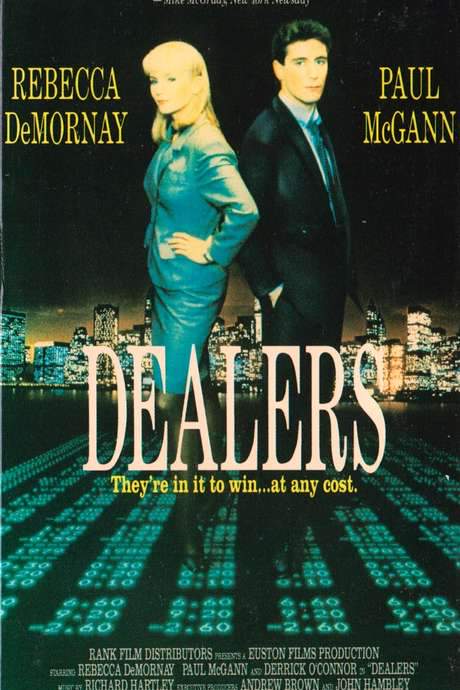
Eddie Muntz is a small-time American arms dealer who talks his way into a job with a large defense corporation selling high-tech UAVs to a volatile South American dictator. He lands in war-torn and impoverished San Miguel to pitch weapons to both its leader and the rebels seeking his ousting. The world he steps into is a tense mix of profit, power, and peril, where every deal is shadowed by risk and every victory is bought with blood.
During a mid-pitch to the rebels, Muntz is caught in a firefight and shot in the foot. Days later in a rundown hotel, he meets Harold DeVoto, a sales rep for Luckup, the company behind the more sophisticated equipment, the Peacemaker UAV, a drone designed to fly without pilots or airbases and to change the calculus of modern warfare. The meeting marks the hinge between two worlds: Muntz’s rugged pragmatism and DeVoto’s polished corporate tactics, a partnership that promises immense profit if the deal closes.
The situation in San Miguel grows darker as the military junta strings DeVoto along, pushing him toward despair. [Eddie Muntz] seizes the opportunity and effectively takes over the negotiations, steering a contract worth millions toward his own pocket. Back in the United States, the turn of events takes a harsher edge when Mrs. DeVoto, Harold’s wife, confronts the man responsible for her husband’s fate and fires at him, wounding him and reopening the old foot injury.
In the hospital, Frank Stryker explains that San Miguel walked away from the deal after a catastrophic public demonstration of the Peacemaker. Undeterred, Muntz sets his sights on re-signing San Miguel, a plan that gains momentum as he is joined by Ray Kasternak, a former fighter pilot now wrestling with a spiritual crisis, and by Catherine, Harold’s widow. A chilling voice enters the room in the form of Massagi, whose vast wealth and influence illuminate the moral blind spots of the global arms trade. Massagi argues that the industry depends on perpetual conflict and explains how recent legal changes make foreign-bribery not only legal but tax-deductible, pushing Muntz to weigh the real cost of every sale.
On the eve of a major defense industry exposition, Muntz accompanies San Miguel’s dictator to the event, where billions of dollars of weapons are displayed and demonstrated. He peppers the audience with his scorn for conventional warplanes, underscoring the appeal of pilotless technology. The tension erupts when [Ray Kasternak] hijacks one of the fighter jets, circling the expo and challenging anyone to shoot him down while the room buzzes with contractor rivalries and the race to claim credit for “the next big thing.”
In a dramatic escalation, [Frank Stryker] launches the Peacemaker. The drone proves a formidable threat, and not even Ray can easily stop it. Yet the weapon’s power proves dangerous not just to enemies but to the expo itself, as misused tactics unleash chaos. Muntz, with a cunning stroke—using his cane to shut off the remote control panel—allows Ray to neutralize the device, turning the tide in a moment of tense quiet amid the carnage.
The film closes on a quieter, more reflective note. Ray leaves the arms industry to pursue a life of faith and purpose as a missionary. Muntz, meanwhile, steps away from weapons trafficking and finds work at his brother’s used car dealership. He sells Catherine a car, and the ending suggests that, while the machinery of war has changed hands, the possibility of renewed, more honest deals remains in the air. The story lingers on questions about power, responsibility, and what people are willing to sacrifice in the name of profits, peace, and survival.