Plot Explained Spoilers guaranteed!
Plot Explained

Browse by genre

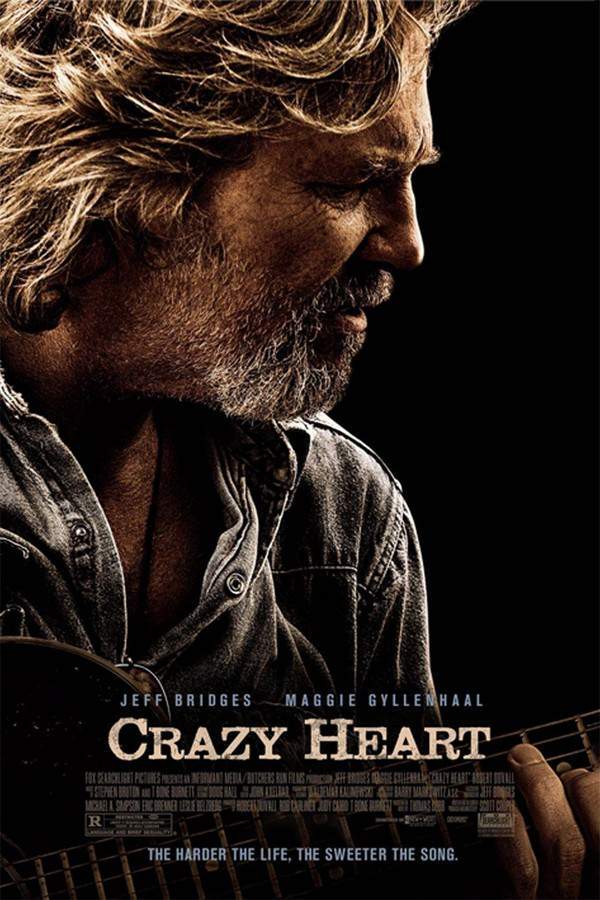
Crazy Heart (2009) movie poster

Plot Summary

Crazy Heart (2009) Plot Summary Explained

Release, runtime and language
2009 · 112 min · English
Directed by
Scott Cooper
Starring
Jeff Bridges
Budget
$7M

A weathered country singer, Bad Blake, channels his experiences into heartfelt songs, though a tough exterior masks a desire for personal renewal. His life takes a turn when he encounters Jean, an insightful journalist who recognizes the man beneath the performer and encourages him to confront his past. As Bad embarks on a journey of self-discovery, he must grapple with difficult truths and ultimately find a path toward healing and acceptance.

On this page (6)
  1. 1 Where to watch
  2. 2 What happens: full plot
  3. 3 Plot questions answered
  4. 4 Movie threads
  5. 5 Movies like Crazy Heart
  6. 6 Every angle

Where to watch

Where to Watch Crazy Heart (2009)

Where can you watch Crazy Heart? Stream, rent or buy it in the US, including on Amazon Video, Apple TV Store and Fandango At Home: current JustWatch availability with up-to-date prices.

Streaming availability powered by JustWatch

Full plot summary · contains spoilers

What Happens in Crazy Heart: Full Plot Summary

The whole story of Crazy Heart (2009) explained, from the opening scene to the final frame: every key event, every twist and what it all adds up to. Read it as a quick recap before the sequel, to check a scene you missed, or to finally understand what really happened.

Bad Blake, portrayed by Jeff Bridges, is a down-and-out country music star who finds himself grappling with the remnants of his once-glorious career. Arriving in a quaint small-town bowling alley for a low-paying gig, he first indulges in a drink and a smoke, before stopping by a gas station to pick up his preferred whiskey. Upon returning to his motel, Blake succumbs to the temptation of alcohol, leading to an intense phone argument with his manager, Jack Greene, who chastises him for his lack of new material.

As he takes the stage that night, Blake's performance deteriorates under the influence, forcing him to abandon the show and run to a trash can to be sick. The following morning reveals the aftermath of his choices, waking up next to a woman from the bar and slipping out unnoticed.

Continuing his tour, Bad arrives in Santa Fe where he meets a piano player named Wesley, who informs him about his niece, Jean Craddock, a reporter eager to interview him. Intrigued, Bad invites her over, leading to a series of heartfelt conversations that spark a romantic connection between them. Their relationship deepens as he meets her young son, Buddy, cooking breakfast and aiming to be a better figure in their lives.

However, the shadow of his past looms large when his manager calls with a high-profile gig. Bad is given the opportunity to open for the renowned Tommy Sweet, played by Colin Farrell, who was once his protégé. The two share a complicated history, and although Tommy supports Bad during his performance, the contrast between their careers weighs heavily on Blake.

A moment of recklessness occurs when, while driving to see Jean, he falls asleep at the wheel, resulting in a crash that lands him in the hospital. With his health in jeopardy, he attempts to reform his life, spending time with Jean and Buddy. As he tries to reconnect with a son he hasn't seen in two decades, he faces rejection, adding to his heartbreak.

A trip to the park with Buddy backfires, leading to a tense confrontation with Jean, who feels he has undermined her trust. With Wayne, an old friend, he seeks help for his drinking issue, attending Alcoholics Anonymous meetings and pouring his feelings into the new song.

Despite his efforts to curb his addiction and mend his relationship with Jean, he is met with her disapproval, ultimately leading to their separation. The film jumps ahead sixteen months, where Bad is now backstage at a concert witnessing the success of the song he wrote for Tommy; a token of his journey. When he encounters Jean again, it is bittersweet; she is married, yet they share a moment of understanding. He gifts her a royalty check for Buddy, symbolizing hope for the future as they settle on a bench, reminiscing while "The Weary Kind" plays over the closing credits.

Last updated: November 04, 2024 at 00:40

Was this helpful?

Plot questions answered

Crazy Heart Plot Explained: Your Questions Answered

The questions people ask most about Crazy Heart (2009): what happens in the confusing scenes, why the characters do what they do, the twists, hidden details and what the ending means. Each answer contains spoilers.

Q1

Why does Bad Blake struggle so much with alcoholism?

Bad Blake's alcoholism stems from his faded fame and deep loneliness. Once a successful country star, he now plays small-town venues while watching his former protégé Tommy Sweet rise to stardom. His manager Jack Greene notes that Bad has no new material, and his life on the road with no genuine connections drives him to alcohol as a coping mechanism. The film shows his drinking as both a symptom and cause of his downward spiral, creating a self-destructive cycle he struggles to escape.

Foreshadowing: Early scenes establish his ritual of drinking before performances, showing how deeply entrenched the addiction is from the start.

  • alcoholism
  • addiction
  • fame
  • loneliness
  • country music
Q2

How did Bad Blake meet Jean Craddock?

Bad meets Jean in Santa Fe through her uncle Wesley, a piano player who tells Bad that his niece is a reporter eager to interview him. Intrigued, Bad invites Jean to his motel, and their initial professional meeting evolves into heartfelt conversations that spark a romantic connection. Their bond deepens when Bad spends time with her young son Buddy, showing a side of himself that suggests he wants to be a better man.

Foreshadowing: Wesley introducing Jean as a reporter hints at her role as someone who sees beyond Bad's performer persona.

  • jean craddock
  • relationship
  • meeting
  • santa fe
Q3

Why does Jean leave Bad despite his efforts to get sober?

Jean leaves Bad because his attempts at sobriety come too late and are too inconsistent to rebuild her trust. The park incident where she feels he undermined her parenting serves as a breaking point. Even after Bad attends AA meetings and tries to change, Jean has already become disillusioned by his pattern of promising reform followed by setbacks. Her decision reflects the realistic toll that loving someone with addiction takes, the desire to help eventually exhausts itself.

Foreshadowing: The park incident explicitly shows Jean's diminishing trust in Bad's reliability as a parental figure.

  • separation
  • trust
  • addiction
  • relationship ending
Q4

What is the relationship between Bad Blake and Tommy Sweet?

Tommy Sweet was once Bad Blake's protégé in the country music scene, but now he has surpassed Bad in fame and success. When Bad's manager arranges for him to open for Tommy at a concert, the dynamic becomes emotionally charged. Tommy shows loyalty by supporting Bad during the performance, but Bad struggles with the painful contrast between his former student's success and his own decline. This relationship represents Bad's failed legacy and the passing of his musical generation.

Foreshadowing: The manager's call about the opening gig hints at the complicated history between the two musicians.

  • tommy sweet
  • mentor
  • protégé
  • fame
  • career
Q5

Why can't Bad Blake reconnect with his estranged son?

Bad has a son he hasn't seen in nearly two decades, and when he attempts to reconnect during his hospitalization after the car crash, the son rejects him. This rejection reflects the real consequences of Bad's years of addiction and absence, he prioritized his career and drinking over family, and now his child wants nothing to do with him. The rejection adds to the emotional weight of his journey, showing that sobriety and personal growth don't automatically heal all broken relationships.

Foreshadowing: The timeline shows his estrangement from his son as an ongoing issue that predates the film's events.

  • estranged son
  • family
  • rejection
  • father
Q6

What causes Bad Blake's car crash?

Bad's car crash occurs because he falls asleep at the wheel while driving to visit Jean. This incident happens after he has been drinking, though the exact timing is ambiguous. The crash serves as a wake-up call that forces him to confront both his mortality and his destructive lifestyle. It lands him in the hospital and becomes the catalyst for his genuine attempt at reform, showing how near-death experiences can spark meaningful change.

Foreshadowing: Earlier scenes show Bad exhausted from performances and alcohol, setting up his vulnerability to falling asleep while driving.

  • car crash
  • hospital
  • accident
  • drinking
Q7

What does the ending of Crazy Heart mean?

The ending is bittersweet: Bad achieves sobriety and professional success through the song he wrote for Tommy, but loses his romantic relationship with Jean. When they reunite sixteen months later, she is married to someone else. Bad gives her a royalty check for Buddy as a gesture of continued care despite their separation. They sit together on a park bench, and the closing song 'The Weary Kind' plays, symbolizing both Bad's hard-won wisdom and the acceptance that some losses cannot be undone, even with redemption.

Foreshadowing: The earlier line about Bad writing a new song foreshadows the success that comes after the time jump.

  • ending
  • bittersweet
  • sobriety
  • success
  • closure
Q8

What is the significance of 'The Weary Kind' in the film?

"The Weary Kind" is the song Bad writes while attending AA meetings, pouring his genuine feelings about addiction and redemption into the lyrics. He gives the song to Tommy Sweet, who performs it and turns it into a hit. The song represents Bad's authentic voice returning after years of creative drought, it comes from genuine pain rather than commercial calculation. The song's success at the end demonstrates that his artistic redemption is real, even if his personal relationships could not be saved.

Foreshadowing: Bad's decision to write during AA meetings directly leads to the creation of this defining song.

  • the weary kind
  • song
  • aa meetings
  • redemption
  • music
Q9

Why does the park outing with Buddy cause tension between Bad and Jean?

During the park outing with Buddy, Jean feels that Bad undermines her parenting authority in some way, the exact nature is left somewhat ambiguous but involves trust. This incident triggers a confrontation that highlights the fragility of their relationship. Jean has been giving Bad chances to prove himself, but the park moment makes her realize he may never be a reliable figure in Buddy's life. This marks a turning point where her patience begins to wear thin.

Foreshadowing: The timeline marks this as a key moment causing tension between them.

  • park
  • buddy
  • trust
  • confrontation
  • parenting
Q10

How does Bad Blake try to recover from his addiction?

Bad attempts recovery by attending Alcoholics Anonymous meetings with his old friend Wayne, where he begins expressing his emotions through songwriting. After the car crash hospitalizes him, he commits to spending more time with Jean and Buddy, trying to become a better presence in their lives. However, his efforts prove insufficient to sustain his relationship with Jean, who eventually leaves him. The film shows recovery as a genuine attempt that brings growth even when it cannot undo all past damage.

Foreshadowing: His willingness to attend AA with Wayne signals his first genuine step toward change.

  • recovery
  • aa meetings
  • sobriety
  • wayne
  • healing

Movie threads

More Movies Like Crazy Heart, by Mood & Story

Curated lists built around what makes Crazy Heart tick: the same mood, the same kind of story or the same emotional payoff. Each list explains why these movies belong together.

Movies about melancholic redemption like Crazy Heart

Broken characters seek grace and a second chance in a world of regret. If you liked the soulful journey of Bad Blake in Crazy Heart, explore these movies about late-life redemption and second chances. These films share a similar focus on broken characters grappling with addiction and regret, finding a bittersweet path to healing through music, art, or newfound connections.

  • redemptive
  • soulful
  • melancholic
  • introspective
  • hopeful
  • gritty
  • Tone: melancholic, bittersweet, hopeful
  • Pacing: steady, character-driven
Why these movies?

The story pattern: The narrative typically follows a linear, character-driven arc where a protagonist must confront the consequences of their own actions. The central conflict is internal, battling addiction, ego, or deep-seated regret. The story often involves a catalyst—a person or event—that sparks the desire for change, leading to a hard-won but incomplete victory that prioritizes personal growth over perfect, happy endings.

Why they belong together: These movies are grouped by their shared emotional core: a heavy, melancholic tone balanced by a sincere and gritty exploration of redemption. They feature steady pacing that allows for deep character study, and they deliver endings that feel earned yet realistically bittersweet, focusing on the scars left by the journey.

Gritty character studies similar to Crazy Heart

Intimate portraits of flawed lives, where music or art reveals the raw truth. Fans of the raw, authentic portrayal of Bad Blake in Crazy Heart will appreciate these gritty character studies. These movies focus on a single, complex individual navigating a world of loneliness and self-destruction, often using a creative passion like music as a lens into their soul.

  • gritty
  • soulful
  • introspective
  • lonely
  • authentic
  • character-driven
  • Tone: gritty, soulful, introspective
  • Pacing: steady, observational
Why these movies?

The story pattern: Stories in this thread are defined by their focus on a central character, often at a low point in their life. The plot serves primarily to explore their psychology, relationships, and coping mechanisms. There is a strong emphasis on atmosphere and mood, with a pacing that feels natural and observational, pulling the viewer into the character's subjective experience.

Why they belong together: These films share a specific vibe: a combination of gritty realism with a soulful, introspective heart. They have a medium intensity that comes from emotional weight rather than action, a steady pacing that allows for immersion, and a tone that blends melancholy with moments of genuine human connection.

If you liked this

Movies Like Crazy Heart

Similar movies to Crazy Heart: the same genre, themes or kind of story. Each one comes with its own plot summary, timeline and ending explained.

Browse all movie summaries

Every angle

Crazy Heart (2009) Explained: Plot, Timeline & Characters

Everything about Crazy Heart in one place: what happens in the plot summary, the timeline in chronological order, the characters and meaning and a spoiler-free summary. What's After the Movie adds the cast, box office and post-credit scenes.

Coming soon on iOS and Android

The Plot Explained Movie Summary App

Plot summaries, endings explained and timelines on your phone. Catch up on any movie in minutes, save your favorites and never miss a twist again.

Be the first to know when we launch. Your email stays private, always.

Learn more about the app