Plot Summary
Colors of Evil: Black (2026) Plot Summary & Ending Explained
- Directed by
- Adrian Panek
- Starring
- Jakub Gierszal, Marianna Zydek

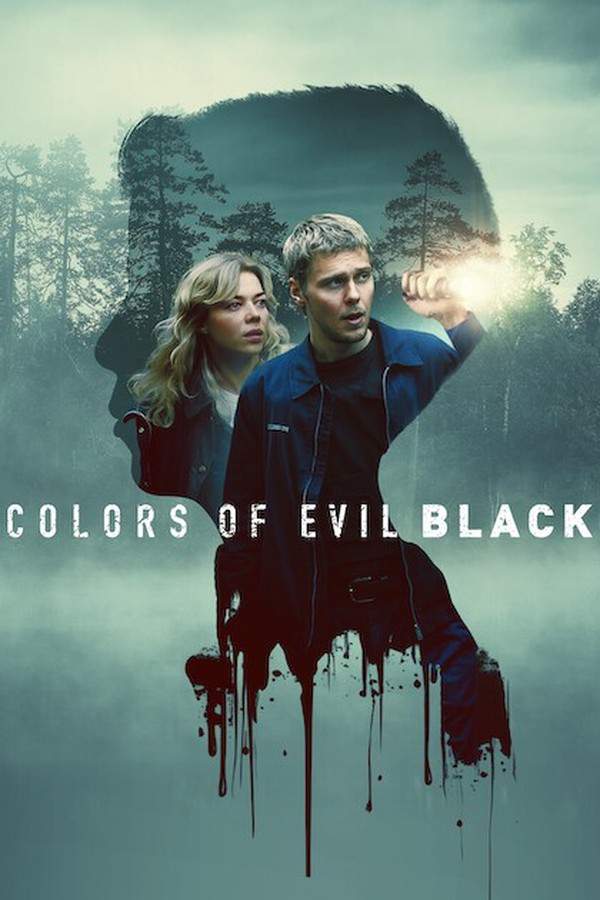
Colors of Evil: Black continues the gripping crime saga based on Małgorzata Oliwia Sobczak’s bestselling novels. Prosecutor Leopold Bilski is reassigned to a quiet Kashubian town, only to confront the disappearance of another child, which uncovers long‑buried secrets and unsettling truths about the community.
On this page (4)
Where to watch
Where to Watch Colors of Evil: Black (2026)
Where can you watch Colors of Evil: Black? Stream, rent or buy it in the US, including on Netflix and Netflix Standard: current JustWatch availability with up-to-date prices.


Streaming availability powered by

Full plot summary
Colors of Evil: Black (2026) Plot Summary Coming Soon
We are working on the full plot summary and ending explained of Colors of Evil: Black (2026). Check back soon, or request it now to move it up the list.
Ending explained
What Happens at the End of Colors of Evil: Black?
How Colors of Evil: Black (2026) ends, in short: the final scene, the last twist and what it means for the characters. The full ending explained, with every spoiler, lives on its own page.
Bilski’s search for Piotruś first opens a crime that the town’s institutions spent years suppressing. Evidence points to Chojnacki, the wealthy businessman connected to the church choir, and a search of his property uncovers a memory device containing photographs of the children he abused. Julia is visible among them. She had blocked that part of her childhood, remembering only that she saw abuse happen to Michał Pakozs and fearing her sister Angelika’s suicide was connected. Chojnacki is already dead, however, so the discovery explains the old trauma without identifying who has Piotruś. Suspicion briefly falls on Chojnacki’s son Marek and on Michał, but neither search resolves the kidnapping. Bilski notices that one girl in the photographs remains unidentified and learns that the abductor is fixated on the Kashubian legend of vampires—children supposedly marked by being born inside the amniotic sac. He remembers Julia mentioning Piotruś’s birth in a restaurant and that a nearby diner heard her. Following that person leads to the daughter Chojnacki fathered with Basia, the unknown girl in the photographs. Traumatized by what happened to her mother and by witnessing Basia’s suicide, she has taken Piotruś for a ritual shaped by the vampire myth. Police arrive in time to stop it and return the boy to Julia. The remaining investigation establishes that Adam Poznański died accidentally while trying to escape; Chojnacki’s son hid his body. Commander Adamczyk, Filipiak, and Pakozs are then investigated for their parts in concealing Chojnacki’s crimes.
The solution connects the new kidnapping to the old abuse without pretending that every victim responded in the same way or that trauma mechanically produces violence. Basia’s daughter has turned a local legend into a structure for reenacting terror, while Julia’s mind protected her by sealing away memories that return only when her own child disappears. Michał’s suspicious behavior also comes from trauma, but he is not the kidnapper, an important distinction in a case where authority figures repeatedly treated damaged children as inconveniences or suspects. Chojnacki cannot face trial, yet the photographs destroy the respectable public identity that allowed his crimes to be treated as rumor. The investigations of Adamczyk, Filipiak, and Pakozs broaden responsibility beyond one dead predator: institutions made the danger durable by controlling testimony, pressuring families, and hiding evidence. Piotruś’s rescue is therefore the immediate happy outcome, not the restoration of an innocent town. Julia gets her son back only after the private images she could not consciously bear become public proof that other adults are finally forced to acknowledge.
Every angle
Colors of Evil: Black (2026) Explained: Plot, Ending, Timeline & Characters
Everything about Colors of Evil: Black in one place: what happens in the plot summary, the timeline in chronological order, the characters and meaning, the ending explained. What's After the Movie adds the cast, box office and post-credit scenes.
- Colors of Evil: Black Timeline Every key event in chronological order, ideal for flashbacks and time jumps.
- Colors of Evil: Black Characters & Themes Who is who, where it takes place and what the movie really means.
- Colors of Evil: Black Ending Explained What happens at the end, the final scene and what it means.
- Colors of Evil: Black on What's After the Movie Cast and crew, box office, post-credit scenes and more.
Coming soon on iOS and Android
The Plot Explained Movie Summary App
Plot summaries, endings explained and timelines on your phone. Catch up on any movie in minutes, save your favorites and never miss a twist again.
Be the first to know when we launch. Your email stays private, always.
Learn more about the app