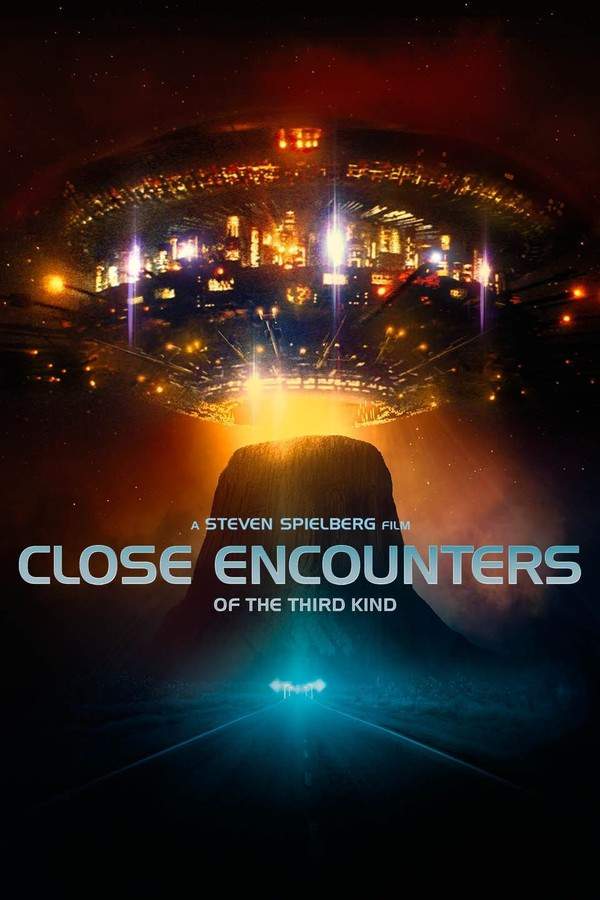
Roy Neary, a power line repairman, experiences a life-changing encounter with an unidentified flying object. Haunted by recurring visions of a mysterious mountain, he embarks on a quest for answers, joined by Jillian, who has also experienced an alien abduction. They connect with French expert Claude Lacombe and an international team, all searching for a deeper understanding of the encounter. Their journey leads them to Wyoming for a pivotal moment that could redefine humanity's place in the universe.
Find where to stream, rent, or buy Close Encounters of the Third Kind (1977) in the US with current JustWatch availability, up-to-date pricing, and platform listings for subscription, rental, and digital purchase options.
Warning: spoilers below!
Haven’t seen Close Encounters of the Third Kind yet? This summary contains major spoilers. Bookmark the page, watch the movie, and come back for the full breakdown. If you're ready, scroll on and relive the story!
Read the complete plot breakdown of Close Encounters of the Third Kind (1977), including all key story events, major twists, and the ending explained in detail. Discover what really happened, and what it all means.
In the vast, enigmatic Sonoran Desert, a French scientist, Claude Lacombe, accompanied by his American interpreter and cartographer, David Laughlin, along with a team of researchers, stumbles upon a remarkable discovery: Flight 19, a squadron of United States Navy Grumman TBM Avenger torpedo bombers that mysteriously vanished over the Bermuda Triangle on December 5, 1945. The aircraft lie in impeccable condition, yet curiously devoid of any crew. Nearby, an elderly observer recounts a bizarre experience, claiming that “the sun came out at night, and sang to him.” Meanwhile, air traffic controllers in Indianapolis witness two commercial flights narrowly avert a collision with an unidentified flying object (UFO).
In a tranquil home near Muncie, Indiana, three-year-old Barry Guiler awakens to find his toys animated as if possessed. Intrigued, he ventures outside, prompting his mother, Jillian (who is played by Teri Garr), to pursue him. Concurrently, widespread power outages begin plaguing the region, leading utility lineman Roy Neary (Richard Dreyfuss) to investigate the escalating disturbances. His exploration culminates in a jaw-dropping close encounter with a UFO, which grazes his face with its brilliant lights. As Roy and a convoy of police vehicles pursue the UFOs into the dark sky, the experience leaves him profoundly entranced.
The mystery deepens when researchers uncover the SS Cotopaxi, an intact ship found in the heart of the Gobi Desert, again completely empty.
As Roy’s fascination with UFOs intensifies, his wife, Ronnie, grows increasingly concerned. His obsession culminates in a fixation on a particular mountain shape, leading him to create multiple models. Simultaneously, Jillian, sharing this relentless intrigue, begins sketching the same mountain. However, her life takes a turn for the worse when a UFO descends upon her home, assaulting her with invasive attempts from unseen entities. In the resulting chaos, Barry is abducted, heightening Jillian’s desperation.
Amidst these unfolding events, Lacombe, Laughlin, and several United Nations specialists delve into the rising occurrences of UFO sightings and related phenomena. In Dharamsala, Northern India, witnesses report that the UFOs emit a unique sound: a distinct five-tone melody in a pentatonic scale. Scientists broadcast this musical phrase into space, only to receive an enigmatic series of numbers (104 44 30 40 36 10) in response. Laughlin, using his cartographic expertise, deciphers these coordinates leading to Devils Tower in Wyoming. This prompts a militarized response: the U.S. Army evacuates the area under the pretense of a train derailment caused by toxic gas while secretly preparing for the arrival of the UFOs and their passengers.
As Roy’s unconventional behavior escalates, Ronnie decides to leave him, taking their three children with her. When a report airs about the purported train wreck, both Roy and Jillian recognize the mountain they have been fixating on. Driven by their vision, they set out to Devils Tower, undeterred by public safety warnings.
While most travelers are taken into custody by the military, Roy and Jillian successfully reach the site just as UFOs emerge in the evening sky. Government teams on site attempt to communicate with the craft through a combination of light and sound on an expansive electrical billboard. Eventually, a massive mothership arrives, releasing countless abductees from various eras—World War II pilots, sailors from the Cotopaxi, as well as humans and animals. Among those who return is Barry, who joyfully reunites with Jillian. Meanwhile, government personnel hurriedly prepare Roy for his selection to join the mothership’s visitors.
As the extraterrestrials finally descend from the mothership, they choose Roy for interstellar travel. Upon his entry into the spacecraft, one alien momentarily engages with the gathered humans. Utilizing Curwen hand signs that correspond to the five-note melody, Lacombe facilitates a poignant communication. The extraterrestrial reciprocates the gestures, smiles, and then joins its counterparts as the ship ascends into the heavens.
Last updated: November 16, 2024 at 18:21
Explore frequently asked questions about Close Encounters of the Third Kind (1977) with spoiler-rich answers covering the full plot summary, major story beats, character motivations, hidden details, and ending meaning. This movie summary FAQ helps explain confusing scenes, plot twists, and narrative decisions in clear, searchable detail.
Roy was chosen because he was the most psychologically prepared human for the encounter. His intense focus on the mountain shape and his relentless pursuit of answers made him stand out. The aliens selected him not for any special merit but because his mind was already open and aligned with their communication. His willingness to leave everything behind signaled his readiness for the journey.
Roy's obsession with the mountain shape begins immediately after his close encounter, suggesting a mental connection was already forming.
The five-tone melody in a pentatonic scale serves as a universal greeting or recognition signal. When scientists broadcast it into space, the aliens responded with coordinates, indicating it was a deliberately designed communication attempt. The tones represent a shared language that bridges human and alien understanding.
The melody is first heard in Dharamsala when witnesses report UFOs emitting the sound.
David Laughlin, a cartographer by profession, used his mapping expertise to interpret the numeric sequence (104 44 30 40 36 10) returned by the aliens. He recognized these as geographic coordinates pointing to Devils Tower in Wyoming. His cartographic skills were essential in connecting the mathematical message to a specific location.
The numeric sequence is received immediately after the melody is broadcast into space, implying a deliberate response.
Barry was likely taken as part of the aliens' broader pattern of abducting humans for examination and eventual return. His young age may have made him particularly susceptible to the UFO's influence, as evidenced by his toys coming alive before the abduction. His return later demonstrates the aliens' practice of taking specimens and releasing them.
Barry's toys animate before his abduction, showing his connection to the UFO phenomena.
The crew of Flight 19, the missing squadron of Navy torpedo bombers from 1945, were never found at the crash site. Their disappearance remains unexplained, but at the climax of the film, they return as abductees alongside other missing persons from different eras. This suggests they were taken by the same aliens and held aboard the mothership for years.
The discovery of Flight 19 without its crew establishes early that missing people are connected to the UFO phenomena.
Roy's wife Ronnie left because his obsession with UFOs and the mountain vision consumed him entirely. He abandoned his family responsibilities, stopped working, and spent all his time building model after model of the mountain. His erratic behavior and refusal to explain his actions made it impossible for her to stay.
Ronnie's concern grows visible early as Roy becomes increasingly distracted by his visions.
The Curwen hand signs are a visual language using specific hand positions that correspond to musical notes. When Roy enters the mothership, an alien uses these signs to communicate, matching the five-tone melody previously established. This demonstrates that the aliens had learned to bridge their communication method with human musical notation.
The five-tone melody establishes the auditory component, and the hand signs provide the visual counterpart.
The SS Cotopaxi, a ship that mysteriously disappeared in 1882, was found intact in the Gobi Desert alongside Flight 19's empty aircraft. Both discoveries demonstrate a pattern where the aliens remove people and objects from their original locations. Like the pilots, the ship's crew was taken and later returned during the Devils Tower event.
The discovery parallels Flight 19, suggesting a connected phenomenon of unexplained disappearances.
The aliens returned most abductees, including Barry, World War II pilots, and the Cotopaxi sailors, as part of what appears to be a demonstration of goodwill. Taking Roy represents something different: an invitation for him to join them, possibly as an emissary or to share knowledge. His voluntary choice to enter the mothership indicates the aliens sought willing participants rather than forced abductees.
Roy's selection is not random; the aliens observe and choose those who have shown openness to the encounter.
Both Roy and Jillian experienced the same vision of a specific mountain because the aliens planted the image in their minds as a signal. This shared vision served to draw them to Devils Tower for the rendezvous. The aliens needed certain individuals present at the location to facilitate first contact between species.
The vision strikes both characters independently after their respective encounters, creating parallel paths toward the same destination.
The military concealed the alien encounter by claiming a train derailment caused toxic gas, justifying the evacuation of Devils Tower. This cover-up prevented public panic and allowed the government to control the interaction with the aliens. The authorities wanted to manage first contact on their own terms without widespread public interference.
The cover-up begins when coordinates are deciphered, showing the government's intent to control the situation.
Roy's obsession with the mountain shape was triggered by the alien encounter itself. The experience left an imprint on his mind, manifesting as an irresistible compulsion to recreate the mountain form. This was not a choice but a psychological effect of the close encounter, similar to Jillian's experience of sketching the same shape.
Roy's first model appears shortly after his UFO encounter, marking the beginning of his fixation.
Discover curated groups of movies connected by mood, themes, and story style. Browse collections built around emotion, atmosphere, and narrative focus to easily find films that match what you feel like watching right now.
Stories of first contact that inspire wonder rather than fear.If you liked the uplifting and wondrous tone of Close Encounters of the Third Kind, explore more movies about positive first contact. These similar sci-fi stories focus on hope, communication, and awe rather than fear, perfect for viewers looking for inspiring encounters.
Narratives in this thread typically follow characters—often ordinary people or dedicated scientists—as they experience, investigate, and ultimately communicate with a mysterious alien presence. The journey is one of obsessive discovery, leading to a climactic, uplifting event that redefines humanity's perspective.
These films are grouped together because they share a core optimistic tone and a focus on the wonder of the unknown. They prioritize emotional and spiritual connection over action, featuring steady pacing, medium intensity, and a focus on awe-inspiring visuals and sounds.
Characters consumed by a singular, life-altering vision.Fans of Roy Neary's driven journey in Close Encounters of the Third Kind will enjoy these movies about characters consumed by a vision. Discover similar stories of obsession, personal sacrifice, and the search for meaning beyond everyday life.
The narrative pattern involves a triggering, mysterious event that implants a powerful vision or compulsion in the protagonist. They abandon their normal life to follow this thread, facing skepticism and personal cost, until their obsession leads them to a hidden truth that validates their journey.
These movies share a central theme of an individual's transformative obsession. They balance the anxiety and disruption of the quest with a ultimately rewarding or enlightening outcome, creating a specific emotional mix of tension, mystery, and catharsis.
Don't stop at just watching - explore Close Encounters of the Third Kind in full detail. From the complete plot summary and scene-by-scene timeline to character breakdowns, thematic analysis, and a deep dive into the ending - every page helps you truly understand what Close Encounters of the Third Kind is all about. Plus, discover what's next after the movie.
Track the full timeline of Close Encounters of the Third Kind with every major event arranged chronologically. Perfect for decoding non-linear storytelling, flashbacks, or parallel narratives with a clear scene-by-scene breakdown.
Discover the characters, locations, and core themes that shape Close Encounters of the Third Kind. Get insights into symbolic elements, setting significance, and deeper narrative meaning - ideal for thematic analysis and movie breakdowns.
Discover movies like Close Encounters of the Third Kind that share similar genres, themes, and storytelling elements. Whether you’re drawn to the atmosphere, character arcs, or plot structure, these curated recommendations will help you explore more films you’ll love.
Close Encounters of the Third Kind (1977) Scene-by-Scene Movie Timeline
Close Encounters of the Third Kind (1977) Movie Characters, Themes & Settings
Close Encounters of the Third Kind (1977) Spoiler-Free Summary & Key Flow
Movies Like Close Encounters of the Third Kind – Similar Titles You’ll Enjoy
2001: A Space Odyssey (1968) Full Movie Breakdown
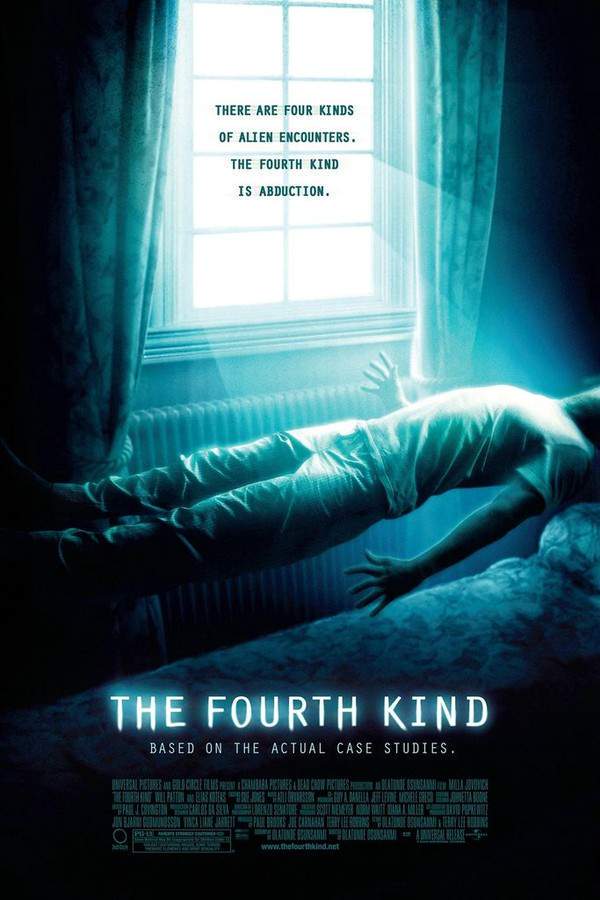
The Fourth Kind (2009) Plot Summary & Ending Explained
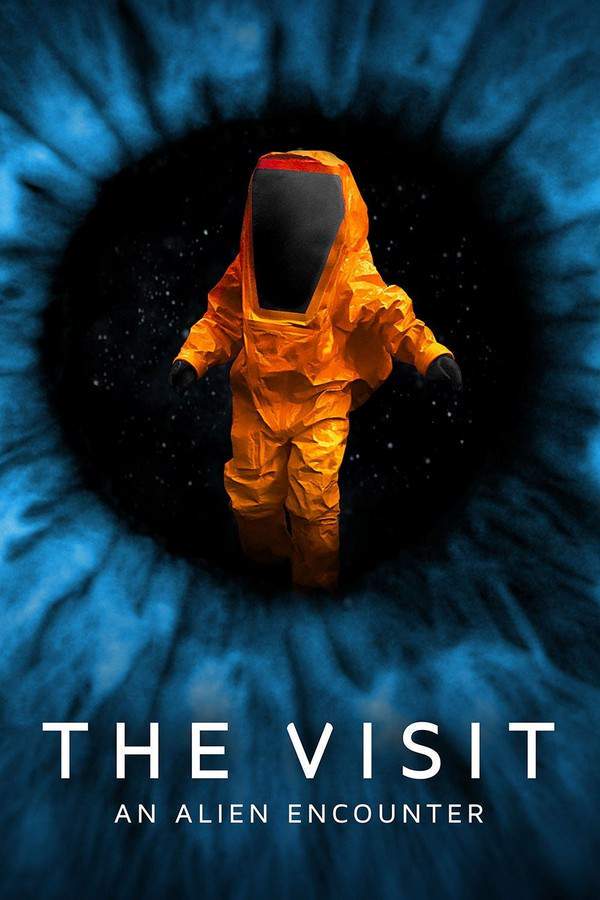
The Visit: An Alien Encounter (2015) Film Overview & Timeline
Contact (1997) Ending Explained & Film Insights
Proximity (2020) Full Movie Breakdown
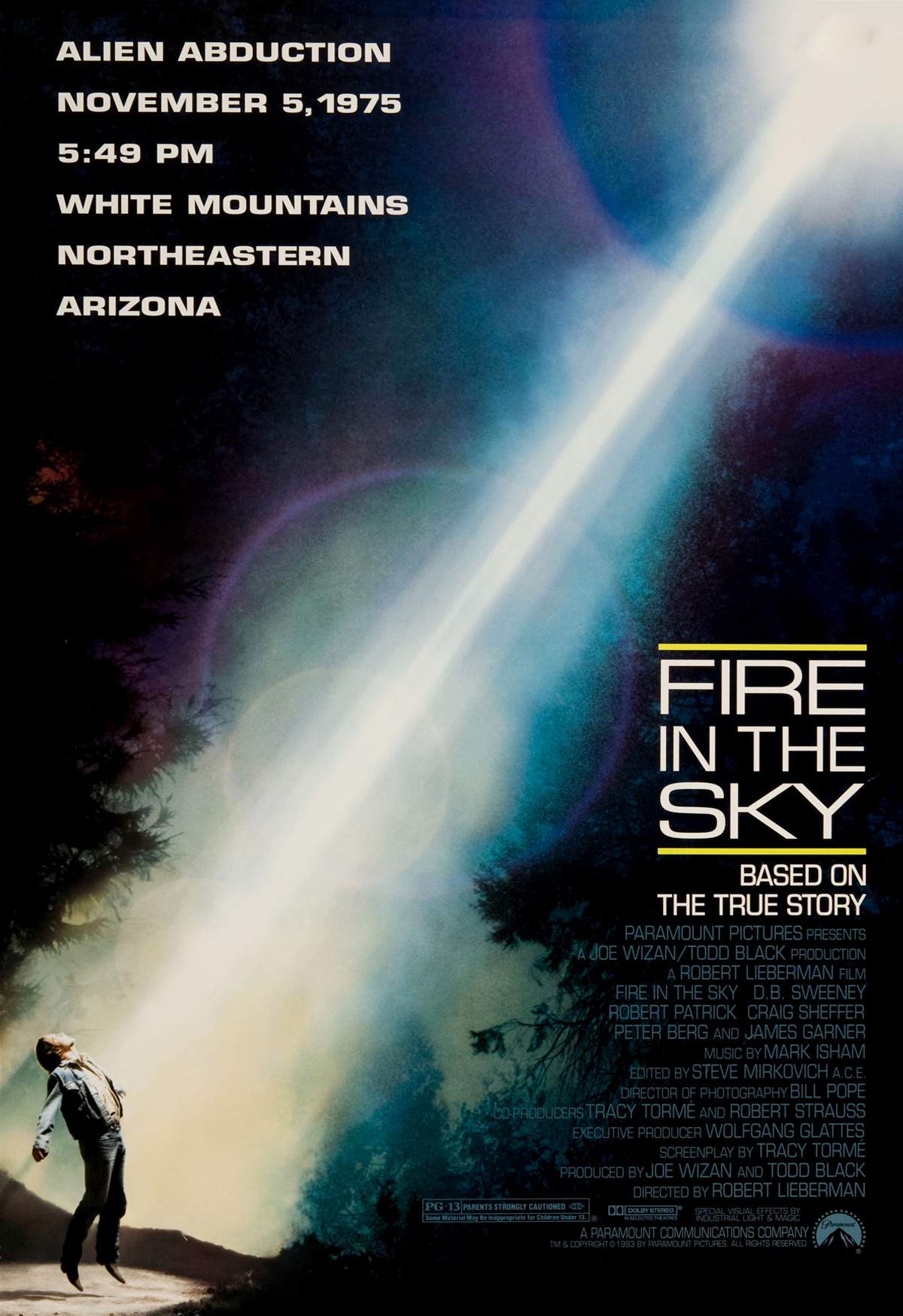
Fire in the Sky (1993) Spoiler-Packed Plot Recap
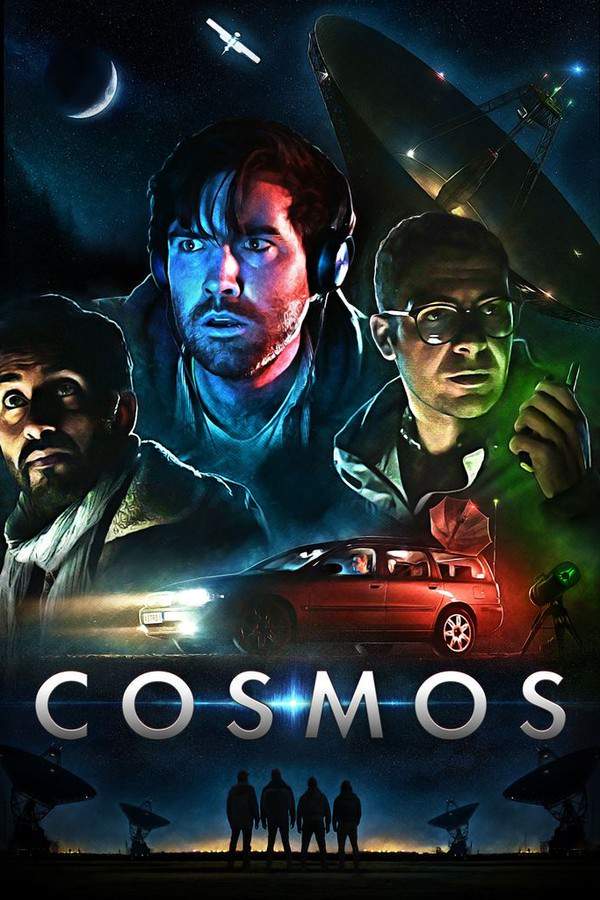
Cosmos (2019) Ending Explained & Film Insights
The Day the Earth Stood Still (2008) Ending Explained & Film Insights
Trumbull Land (2018) Full Summary & Key Details
The Making of ‘Close Encounters of the Third Kind’ (2001) Movie Recap & Themes
Close Encounters of the Fifth Kind (2020) Full Summary & Key Details
Contactee (2021) Spoiler-Packed Plot Recap
The Outer Space Connection (1975) Ending Explained & Film Insights
The Cosmic Man (1959) Ending Explained & Film Insights
The Making of ‘E.T. the Extra-Terrestrial’ (1996) Plot Summary & Ending Explained