Circle
Year: 2015
Runtime: 86 mins
Language: English
Directors: Aaron Hann, Mario Miscione
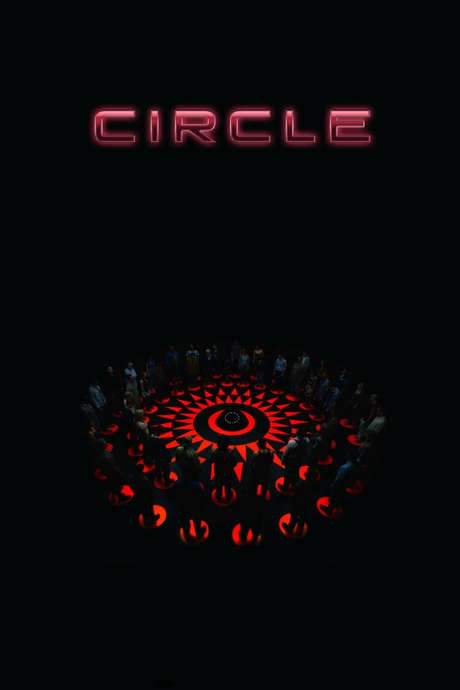
Fifty strangers find themselves trapped within a vast, enigmatic chamber, with no recollection of how they arrived. Arranged in a circle facing inward, they soon discover a terrifying rule: every two minutes, one of them will be executed by a mysterious device at the room’s center. As the death toll rises, they must work together to uncover the purpose of their imprisonment and find a way to survive.
Warning: spoilers below!
Haven’t seen Circle yet? This summary contains major spoilers. Bookmark the page, watch the movie, and come back for the full breakdown. If you're ready, scroll on and relive the story!
Circle (2015) – Full Plot Summary & Ending Explained
Read the complete plot breakdown of Circle (2015), including all key story events, major twists, and the ending explained in detail. Discover what really happened, and what it all means.
Fifty people awaken in a darkened room, arranged in two concentric circles around a mysterious black dome. If anyone moves off their platform or touches another, alarms scream and a lethal beam from the dome strikes, pulling the body away in an instant. A man tries to calm the growing panic, but the device silences him mid-sentence, and soon after, another person dies every two minutes. The fear spreads as the group confronts a brutal, impersonal trap that leaves them with only questions and a shrinking circle of survivors.
As confusion deepens, they discover a strange, unsettling mechanism: the room’s technology lets them vote for who dies using hand gestures, with arrows on the floor showing each person’s vote to themselves but not to others. Attempts to boycott the process fail, because a death occurs every two minutes regardless. The situation becomes a grim social experiment, with every choice watched, weighed, and judged by those left alive.
Amid the chaos, a college student named Eric, Michael Nardelli, proposes a tactic to slow the onslaught by pre-selecting who will be vulnerable in the next rounds. To buy time for thought, the group agrees to target the elderly first, an unsettling plan that splits the room into factions and stirs long-buried fears about age, worth, and survival. Eric’s youngest energy collides with a weary pragmatism as the plan takes shape, and memories begin to surface—Eric recalls trying to flee Los Angeles, only to be pulled into the air and wake in a red room with other humans.
Not long after, the oldest man in the chamber, the [Oldest Man] Bill Lewis, speaks of having seen or heard aliens, and his later death under the dome confirms the room’s merciless logic. The group’s suspicions grow sharper as they begin recognizing familiar faces: a man identifies the woman beside him as his wife, and another man recalls the doctor with whom he was having an affair. A tattooed man, [Cesar Garcia], is eliminated after acknowledging a cop’s accusation of domestic violence, and the discussion expands to broader social tensions when minorities are quickly targeted and a dispute about racism flares up among the survivors. An African-American man, [Mustafa Speaks], voices the accusation that the process has become racist, only to be dismissed by others until a cop’s racist rant ignites a swift, fatal consequence.
The captives learn they cannot vote for themselves, and efforts to distribute votes evenly lead to strategic plays and tragic results. One participant tries to give a second vote for a pregnant woman, prompting Eric to vote for him; a tie ensues and the man dies in a runoff. Some choose to sacrifice themselves to buy time, while others debate the moral weight of theists, atheists, and personal beliefs under pressure. A harsh moment arrives when a homophobic lawyer targets a lesbian, and the lawyer is killed as a consequence. The group realizes that, to determine a winner, one of the final two people must abstain from voting—an ethical trap that forces painful choices.
The room fractures into two camps. One faction, led by Eric—the Marine—and a one-armed man, strives to save a pregnant woman and a little girl by sacrificing themselves. The other faction, led by a bearded man, [Kaiwi Lyman], and a banker, [Daniel Lench], argues that everyone is equal and no one should receive special protection, pressing for immediate elimination of the vulnerable. After the Spanish translator is eliminated, a Hispanic immigrant [David Saucedo] and the little girl tie in votes, leading to a dramatic confrontation and the self-sacrifice that follows. The couple at the center of the ruse—who had pretended to be husband and wife to curry favor—are revealed, and the husband is forced to vote with Eric’s bloc, resulting in his own elimination.
As the voting pressure intensifies, Eric’s faction suffers heavy losses, yet they push toward a narrow victory with a six-way tie resolved in their favor. A silent man, who has never voted, becomes a pivotal figure and is eliminated, leaving only Eric, the pregnant woman, the little girl, and the silent participant. Eric theorizes that aliens might be using the process to study humanity’s values, a grim hypothesis that becomes central to the ending. When the silent man dies, the remaining trio faces a cruel moral calculus: the two who choose to sacrifice themselves simultaneously. The girl dies by suicide, and Eric casts a last-second vote to kill the pregnant woman, only to learn that the unborn child counts as a person and must be considered. Eric votes to kill the child, and then wakes up in Los Angeles, where he joins a group of people—mostly children and pregnant women—watching a fleet of alien crafts hovering over the city.
Throughout the ordeal, the film weaves together a tense, methodical portrait of fear, ethics, and survival under pressure. The dynamics of trust and betrayal unfold in small actions and whispered conversations, with each character’s past and identity threaded into the present danger. The strangers’ attempts to understand why they were chosen, how they arrived in this red-dream chamber, and who might be pulling the strings fuel a chilling meditation on humanity when confronted with an unknown intelligence. The final twist—a return to Los Angeles and the sight of extraterrestrial forces monitoring Earth—suggests a larger game at work, where human values are tested both in life-and-death moments and in the quiet, intimate choices that define who they are.
Note: The first-time references to specific characters include actor links:
-
Eric, Michael Nardelli
-
Wife, Julie Benz
-
Doctor, Jacquelyn Houston
-
Little Girl, Molly Jackson
-
Pregnant Girl, Allegra Masters
-
Bearded Man, Kaiwi Lyman
-
Banker, Daniel Lench
-
Spanish Translator, Marisol Ramirez
-
Hispanic Man, David Saucedo
-
Oldest Man, Bill Lewis
-
African American Man, Mustafa Speaks
-
Cop, Michael McLafferty
-
Tattooed Man, Cesar Garcia
-
Husband, Matt Corboy
-
One-Armed Man, Zachary James Rukavina
-
Spanish Translator (again would appear only once per actor in this summary)
This version preserves the core plot, expands on the social dynamics and moral questions, and keeps the language clear and accessible while maintaining a neutral tone.
Last updated: October 09, 2025 at 16:03
Circle (2015) Plot Questions Answered – Summary FAQ
Explore frequently asked questions about Circle (2015) with spoiler-rich answers covering the full plot summary, major story beats, character motivations, hidden details, and ending meaning. This movie summary FAQ helps explain confusing scenes, plot twists, and narrative decisions in clear, searchable detail.
Why were the 50 strangers trapped in the room?
They were abducted by aliens. Eric recalls attempting to flee Los Angeles when he was pulled into the air and woke up in the red room with other humans. The experiment appears to be conducted by extraterrestrials studying how humans make moral decisions under extreme pressure.
Earlier, the oldest man claims he saw aliens and is later killed, hinting at the true nature of their captors.
How does the voting mechanism work?
The room's technology allows participants to vote for who dies using hand gestures. Arrows on the floor reveal each person's vote to themselves but not to others. A death occurs every two minutes regardless of whether they participate. Anyone who tries to touch another person or leave their platform triggers an instant lethal beam from the central dome.
The system was revealed after the first few deaths when the group discovered the arrows appearing on the floor.
Why was the pregnant woman allowed to survive until the end?
Eric's faction deliberately protected the pregnant woman and little girl, viewing them as the most vulnerable. The opposing faction led by the bearded man argued everyone should be equal with no special protection. The pregnant woman survived because Eric's sacrifice-focused faction won the voting war, keeping her and the girl alive until the final rounds.
The faction split was foreshadowed when Eric first proposed the elder elimination strategy, showing his willingness to protect the vulnerable.
What happened to the unborn child in the final vote?
At the very end, Eric votes to kill the pregnant woman to end the cycle. However, he learns that the unborn child counts as a separate person. Eric then votes to kill the child as well. Both the pregnant woman and her unborn child die, though Eric wakes up in Los Angeles afterward.
Earlier in the film, a man tried to give a second vote for the pregnant woman, establishing that she and her child were considered as two people.
Why did the little girl commit suicide?
The girl killed herself to buy more time for Eric and the pregnant woman. With only four people remaining and the two-minute deaths continuing, she chose self-sacrifice to potentially allow one of the others to survive the cycle.
Earlier, group members had begun sacrificing themselves voluntarily to give others time, establishing this as an accepted strategy.
What was the purpose of the alien experiment?
Eric theorizes the aliens were using the voting game to study human morality and values. The entire scenario was a controlled test to observe how humans behave when forced to make life-and-death decisions about strangers. The ending reveals the aliens have been monitoring Earth, suggesting this was one of many experiments conducted on humanity.
Eric's theory about alien study is foreshadowed by the oldest man's claim about seeing aliens and the seemingly arbitrary yet psychologically revealing nature of the deaths.
How did the aliens abduct the people?
Eric remembers being abducted while trying to flee Los Angeles. He was pulled into the air and woke up in the darkened room. The oldest man also claims to have seen or heard aliens before his death, confirming extraterrestrial involvement in bringing the 50 people together.
Eric's memory of being abducted is triggered early in the film when he begins questioning how they all arrived.
Why were minorities targeted during the voting?
The group began targeting minorities as fear and prejudice took hold. An African-American man accused the process of becoming racist, and when a cop launched into a racist tirade, the group selected him next. The film demonstrates how under extreme pressure, existing societal prejudices influence decision-making.
Earlier votes already showed bias toward the elderly, establishing that the group would target those perceived as different or less valuable.
Why couldn't they stop the voting or refuse to participate?
The death cycle continued regardless of whether participants voted. Even when the group attempted to boycott the voting process, a person still died every two minutes. The dome's technology forced the outcome, making the vote mandatory for influencing who would be selected.
The first attempt to boycott happened early, when a man tried to calm the crowd and was killed mid-sentence, showing the dome's ruthlessness.
Why did the silent man never vote throughout the game?
The silent participant never cast a single vote during the entire game, making him a pivotal figure. He was eliminated late in the game, leaving only Eric, the pregnant woman, and the girl. His refusal to participate highlighted how some people chose not to contribute to the moral corruption of the system.
His silence was noted by other survivors throughout the film as an unusual and noteworthy choice.
What happens when Eric wakes up in Los Angeles?
After the final votes, Eric wakes up back in Los Angeles. He joins a group of people, mostly children and pregnant women, watching alien crafts hovering over the city. This reveals the experiment has ended and shows the aliens' presence is now visible to the public, though many questions about the experiment's outcome remain unanswered.
Eric's theory that aliens were studying humanity is confirmed when he sees the alien crafts above Los Angeles.
Why did the couple pretend to be married?
A man and woman in the circle pretended to be husband and wife to gain favor and potentially receive protection from the group. Their ruse was discovered when the husband was forced to align with Eric's bloc, and under interrogation, they admitted the relationship was fake and designed to curry favor for survival.
Their closeness was noted earlier when others recognized them as a couple, making the reveal more impactful.
Why was the homophobic lawyer killed?
A lawyer who targeted a lesbian participant for being gay was killed as a consequence of the escalating mob justice. The film shows how personal prejudices, whether about sexuality, race, or age, directly influenced who survived the voting, turning the experiment into a mirror of society's biases.
Earlier incidents of targeting based on personal characteristics established that hatred would have fatal consequences.

Explore Movie Threads
Discover curated groups of movies connected by mood, themes, and story style. Browse collections built around emotion, atmosphere, and narrative focus to easily find films that match what you feel like watching right now.
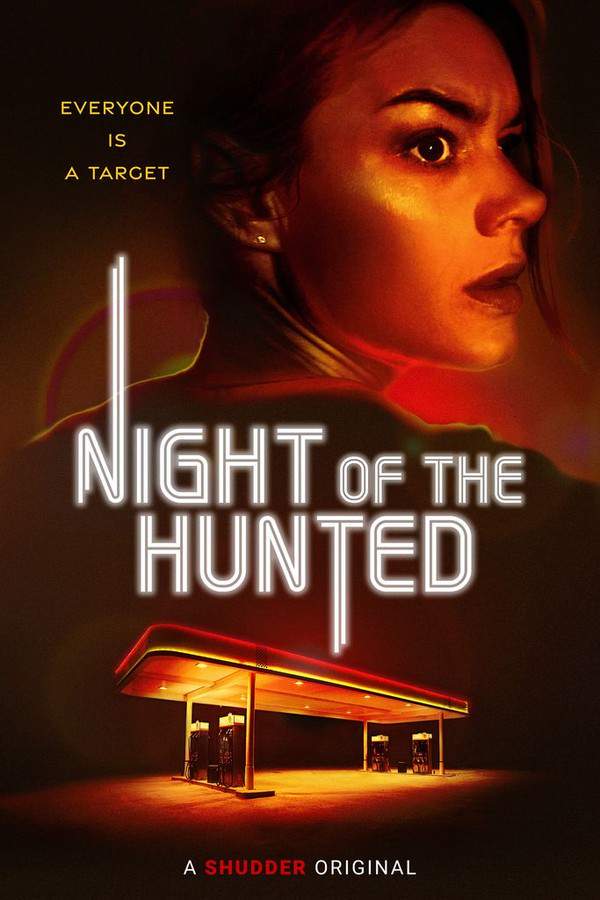
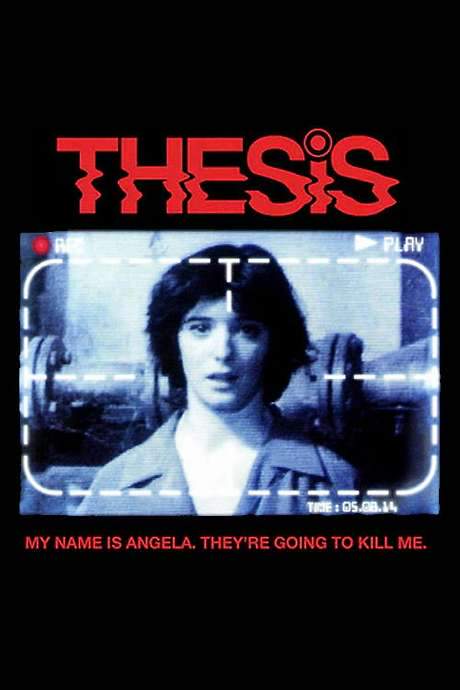
High-Stakes Social Experiments like Circle
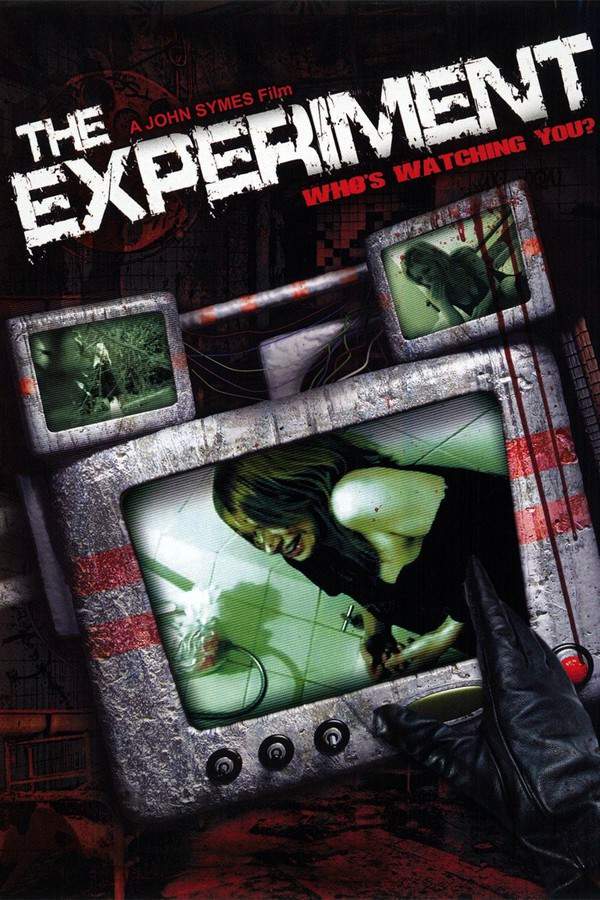
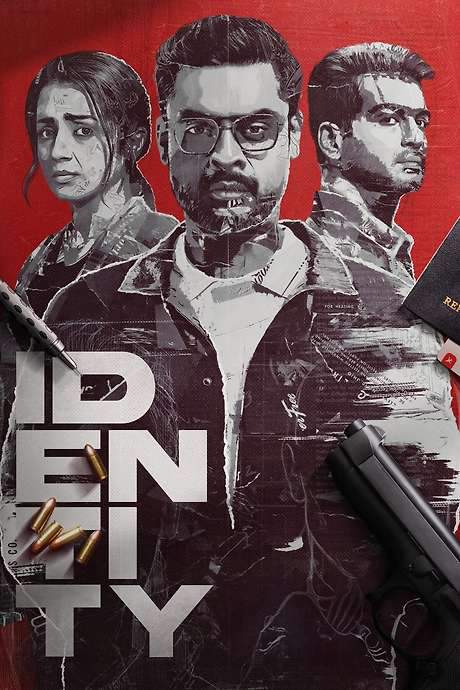
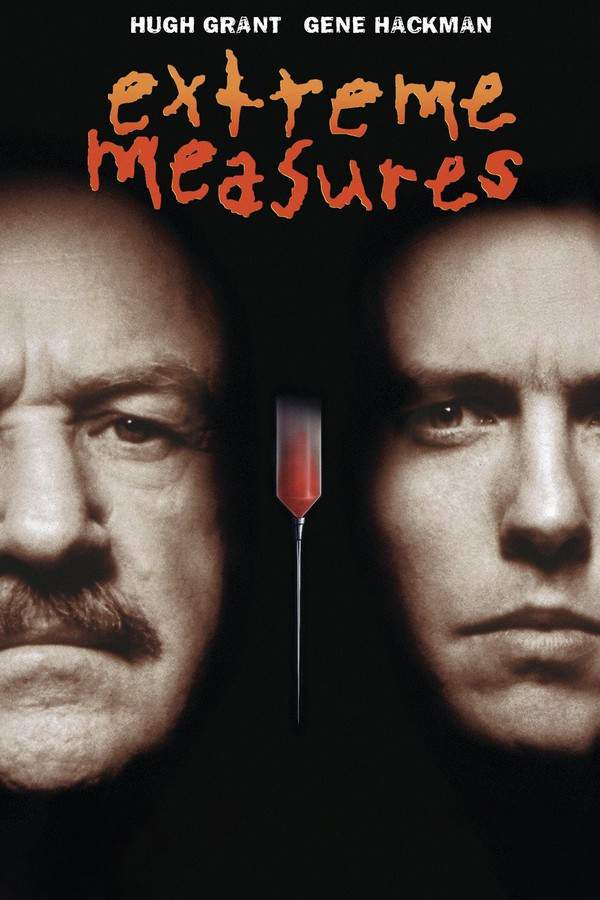
Stories where human nature is tested under extreme, controlled pressure.If you liked the brutal ethical tests in Circle, explore more movies like it. These films place characters in controlled, high-pressure situations that force them to confront their own morality and the dark side of group dynamics, creating tense and thought-provoking thrillers.









Narrative Summary
These narratives often begin with a group being forcibly placed into a mysterious scenario with a set of cruel, non-negotiable rules. The plot is driven by the characters' attempts to understand and survive the experiment, leading to factionalism, moral compromises, and a chilling examination of human behavior under duress.
Why These Movies?
Movies in this thread are grouped by their shared premise of a constructed social experiment. They create a similar vibe of intellectual dread and moral anxiety, focusing on how individuals and groups react when pushed to their absolute limits in a controlled environment.
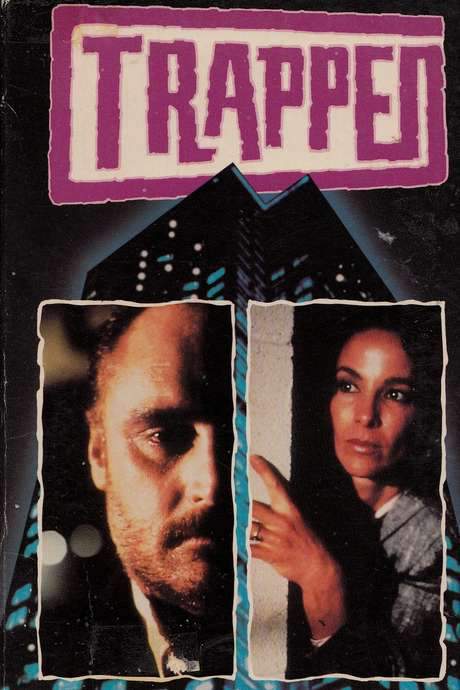
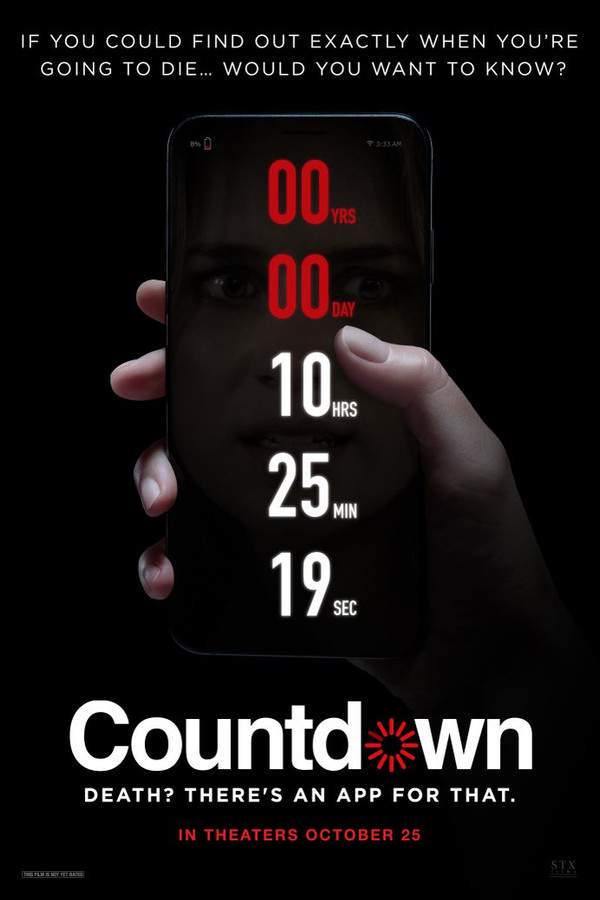
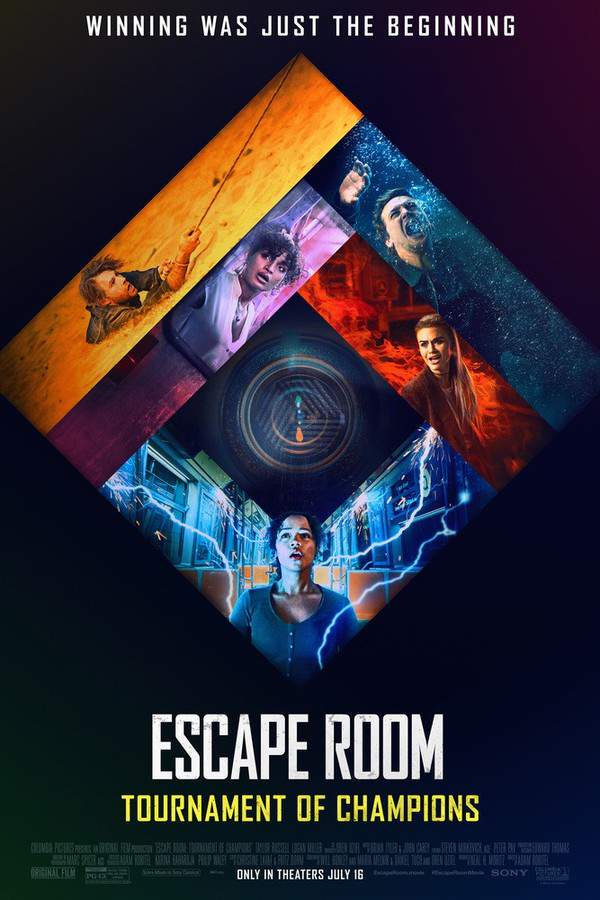
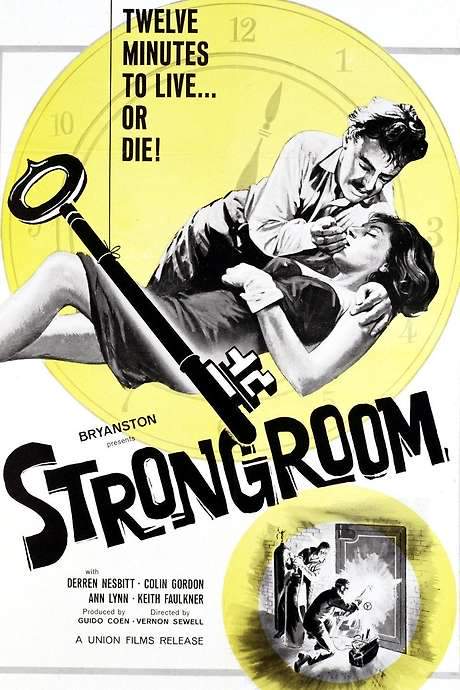
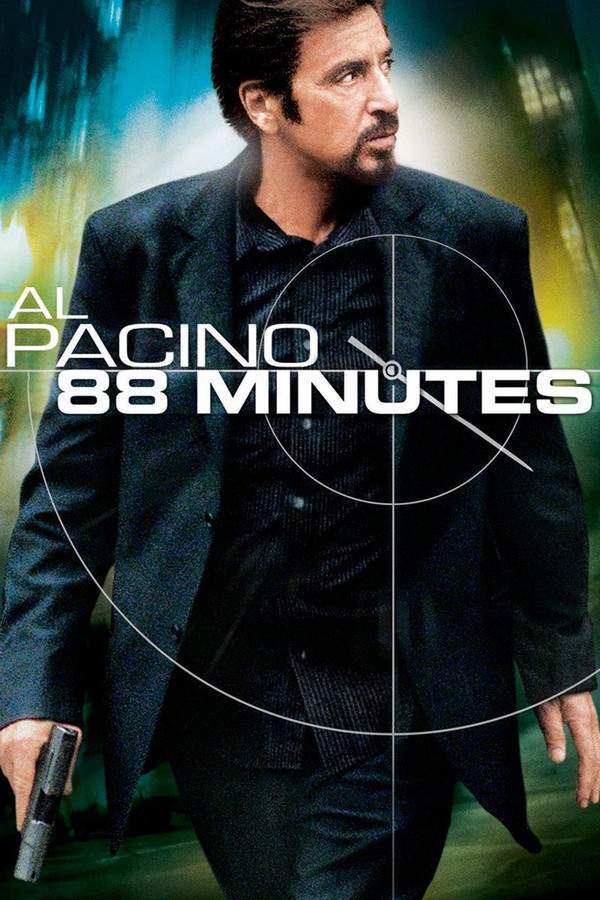
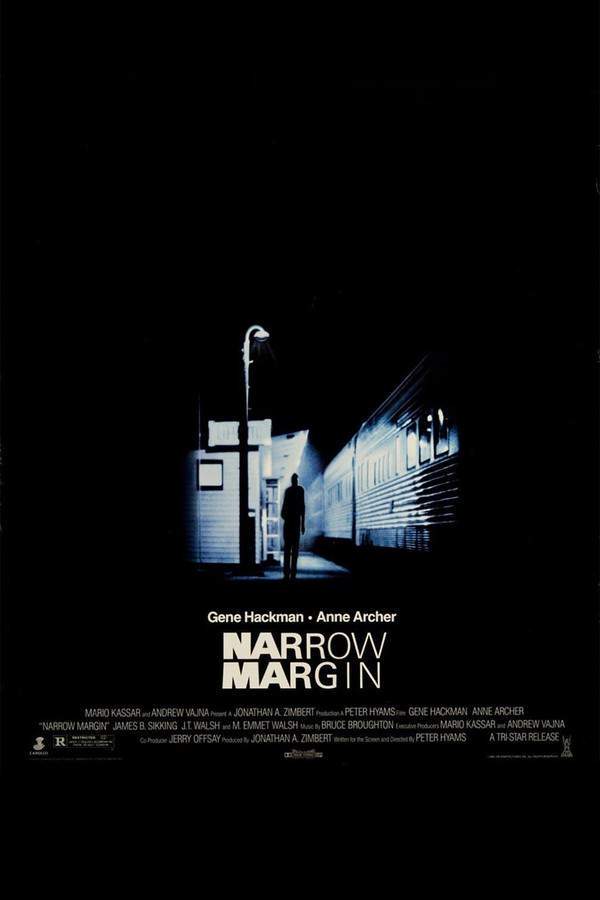
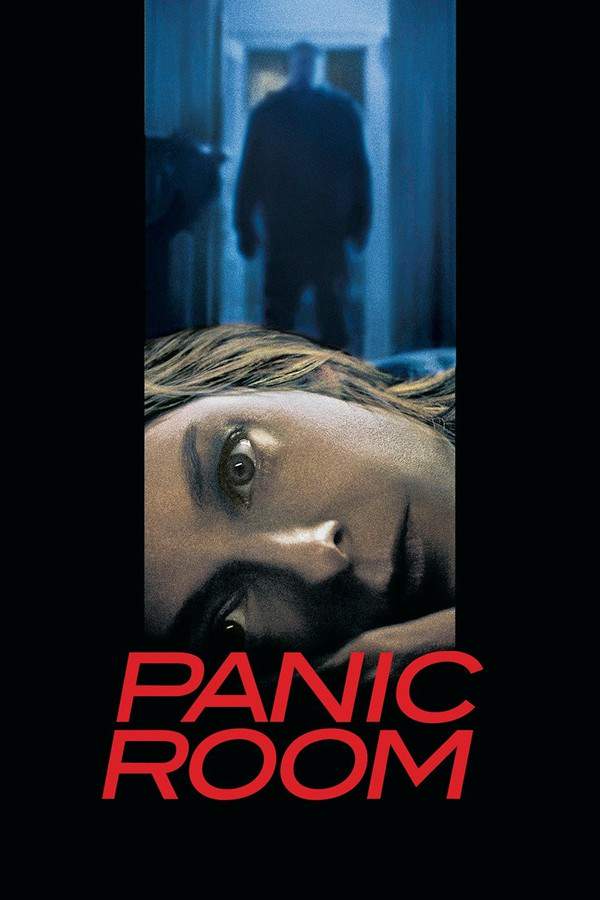
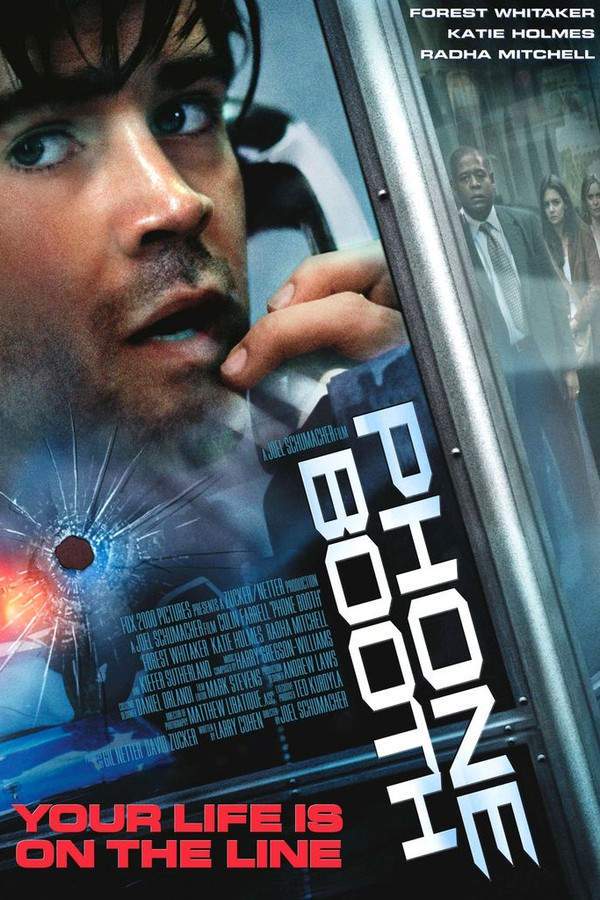
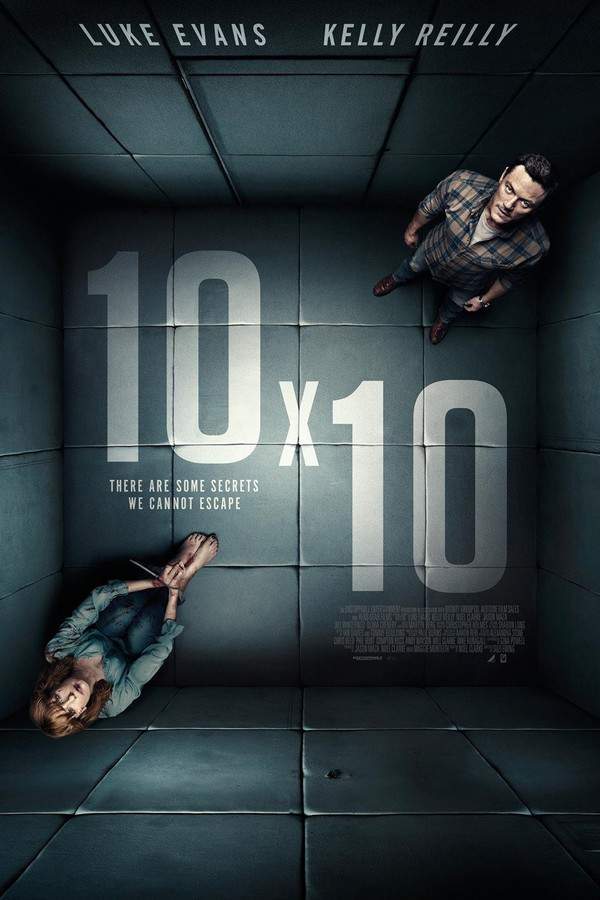
Claustrophobic Countdown Thrillers like Circle
Trapped characters race against a relentless, inescapable timer.Fans of the relentless timer and trapped feeling in Circle will enjoy these similar movies. This list features tense stories where characters are confined and must solve a puzzle or survive against a deadly, rhythmic countdown, creating non-stop anxiety and suspense.





Narrative Summary
The narrative structure is built around a literal or metaphorical timer that dictates the pace of events. Characters are typically confined to a single, enclosed location and must work together or against each other to beat the clock, leading to a streamlined plot with escalating stakes and minimal relief from the tension.
Why These Movies?
These movies share a core mechanical similarity: a confined setting paired with a unforgiving timer. This combination creates a very specific viewing experience of high anxiety, methodical pacing, and a focus on survival logic under extreme pressure.
Unlock the Full Story of Circle
Don't stop at just watching - explore Circle in full detail. From the complete plot summary and scene-by-scene timeline to character breakdowns, thematic analysis, and a deep dive into the ending - every page helps you truly understand what Circle is all about. Plus, discover what's next after the movie.
Circle Timeline
Track the full timeline of Circle with every major event arranged chronologically. Perfect for decoding non-linear storytelling, flashbacks, or parallel narratives with a clear scene-by-scene breakdown.

Characters, Settings & Themes in Circle
Discover the characters, locations, and core themes that shape Circle. Get insights into symbolic elements, setting significance, and deeper narrative meaning - ideal for thematic analysis and movie breakdowns.


