Ending Explained
Casablanca (2019) Ending Explained – Final Scene & Meaning
- Release, runtime and language
- 2019 · 105 mins · Arabic
- Directed by
- Peter Mimi
- Starring
- Bayoumi Fouad, Ahmed Dash, Nelly Karim, Abdellatif Chaouqi, Amr Abdel Gelil, Amir Karara
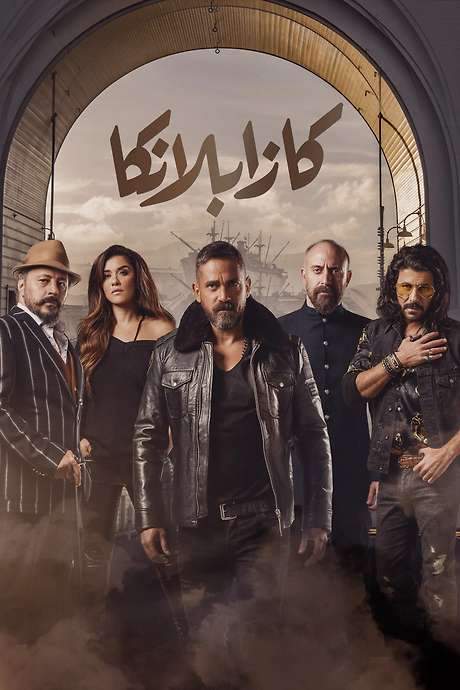
Three friends become pirates, forming the "Sea Burglars" gang, and are tasked with recovering a stolen shipment of diamonds from the Mob. As they pursue the thieves, a complex network of rivalries and betrayals emerges. One of the pirates, seeking his own reward, decides to abandon the group and flees to Morocco, leading to unexpected consequences and a dangerous pursuit.
On this page (2)
Ending explained · contains spoilers
What Happens at the End of Casablanca?
How Casablanca (2019) ends, what the final scene means, which earlier moments set it up and how to read the ending if the film leaves it open. The full ending explained, with every spoiler.
The ending of Casablanca is celebrated not just for its romantic sacrifice, but for the way it neatly resolves the film's central conflicts while delivering a powerful political message. On the runway, Rick Blaine makes the painful decision to put Ilsa on the plane with her husband, Victor Laszlo, prioritizing the greater good over his own happiness. While this appears to be a moment of stoic heroism, Rick’s choice is actually rooted in a deep understanding of Ilsa’s character. He recognizes that if she stayed with him, she would eventually regret abandoning her husband, just as she once left Rick without explanation in Paris. By forcing her to leave, Rick protects her from future guilt and ensures she stands by Laszlo, a leader essential to the resistance effort.
This moment of personal sacrifice triggers a ripple effect that transforms the other characters, specifically Captain Renault. After Rick shoots the Nazi Major Strasser, Renault—who has spent the film as a self-serving opportunist—chooses not to arrest him. Instead of enforcing the law, Renault reveals his suppressed resentment toward the German occupation and tips his hand as a secret sympathizer to the cause. When he tells his men to "round up the usual suspects," he is actively protecting Rick, signaling a shift from corrupt neutrality to active alliance. This leads to the film's iconic final line, "Louis, I think this is the beginning of a beautiful friendship," which suggests the two men will work together to aid war refugees, continuing the fight that Laszlo started.
Ultimately, the conclusion serves as a compelling allegory for the world stage at the time of the film's release. Rick begins the story determined to remain neutral and isolated, sticking his neck out for no one, but his journey mirrors a necessary awakening. By shedding his apathy and committing to a cause larger than himself, Rick represents the United States' inevitable entry into World War II. The film argues that in the face of tyranny, neutrality is no longer an option. Rick and Renault shed their cynical facades to become active participants in history, walking away from their personal drama and into a partnership that champions freedom and justice.
Last updated: March 30, 2026 at 16:26
Every angle
Casablanca (2019) Explained: Plot, Ending, Timeline & Characters
Everything about Casablanca in one place: what happens in the plot summary, the timeline in chronological order, the characters and meaning, the ending explained. What's After the Movie adds the cast, box office and post-credit scenes.
- Casablanca Plot Summary What happens, from the first scene to the last, every twist included.
- Casablanca Timeline Every key event in chronological order, ideal for flashbacks and time jumps.
- Casablanca Characters & Themes Who is who, where it takes place and what the movie really means.
- Casablanca on What's After the Movie Cast and crew, box office, post-credit scenes and more.
Coming soon on iOS and Android
The Plot Explained Movie Summary App
Plot summaries, endings explained and timelines on your phone. Catch up on any movie in minutes, save your favorites and never miss a twist again.
Be the first to know when we launch. Your email stays private, always.
Learn more about the app