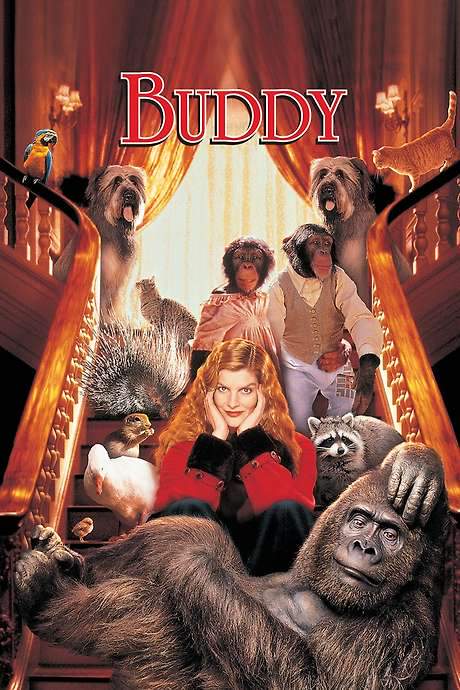
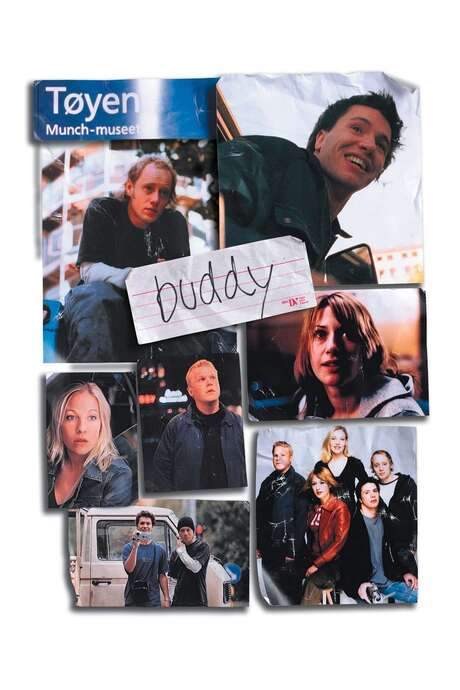
Set in the 1930s, Trudy Lintz is an unapologetic animal lover, a wealthy eccentric who fills her grand estate with a ever-changing cast of creatures. She dotes on her two newly arrived chimpanzees, Joe and Maggie, taking them to the movies and turning the household into a lively, chaotic sanctuary that draws stares and wonder from guests and neighbors alike. At home, she welcomes a bustling menagerie that includes kittens, horses, a cheeky talking green parrot, a prize-winning pack of briards, a raccoon, a porcupine, a tortoise, and a flock of geese, all living under one wildly entertaining roof.
Dr. Bill Lintz, Trudy’s amiable husband, receives a phone call that nudges the family into new territory: Trudy is away, and he must oversee the animals until she returns. After the call, she explains to Dick Croner, their animal handler, that he is in charge for the evening as she heads off to Philadelphia, chasing a chance discovery that could reshape their household forever.
In Philadelphia, Trudy finds a sickly baby gorilla and brings him home, naming him Buddy. Bill Lintz determines that Buddy is suffering from severe pneumonia, and life settles into a new rhythm as Buddy begins to drink from a bottle and get settled into the family, while the chimps cause their usual ruckus in the kitchen. To calm the chaos, Trudy uses a rattling toy that startles the chimps and keeps the peace for a moment, but the presence of Buddy shifts the dynamics of the household in subtle, powerful ways.
Seeking guidance on Buddy’s nature and care, Trudy travels to see Professor Spatz, whose Congo experiences offer little true insight into Buddy’s peculiar needs. She returns with a renewed determination to raise Buddy as if he were her own son, treating him with the same affection she lavishes on the chimpanzees, even as the differences between them begin to show.
Life with Buddy proves to be a delicate balance. He finds city life overwhelming in ways the chimps do not—baths bother him, and he resents sharing his mother’s attention, despite Trudy’s best efforts. As Buddy grows stronger, he becomes harder to manage, and Maggie’s cleverness—especially her knack for unlocking cages—keeps the household on edge as mischief becomes a daily affair.
A visiting couple persuades Trudy to showcase her family at the Chicago World’s Fair. Bill warns that Buddy’s temperament could cause problems, but the family heads to the fair with high hopes and a sense of spectacle. The apes are a smash hit, and the crowds adore the show, yet the moment Maggie unlocks Buddy’s cage, the environment—loud noises, crowds, unfamiliar surroundings—proves disorienting for him. The fair’s atmosphere quickly shifts from delighted curiosity to fear, and the spectacle turns tense as Buddy clashes with the surrounding chaos.
Back home, Buddy is haunted by flashbacks of the fair incident, his trauma deepening and coloring every moment with Trudy. As the memories sharpen into fear and aggression, the situation at home spirals. An explosive rampage tears through the estate, leaving damage in its wake and forcing Trudy to confront the limits of her control over Buddy.
In the end, Trudy makes the painful, compassionate choice to place Buddy in an ape sanctuary, where he can live among his own kind in a safer, more natural environment. It’s a bittersweet and earnest goodbye to a family that tried to bridge two very different worlds with love, and it underscores the complicated line between devotion and the reality of needs that can’t be fully met within one home.