Plot Explained Spoilers guaranteed!
Plot Explained

Browse by genre

Billy the Kid (1941) movie poster

Timeline

Billy the Kid (1941) Timeline Explained – Every Event in Order

Release, runtime and language
1941 · 94 mins · English
Directed by
David Miller
Starring
Ethel Griffies, Chill Wills, Lon Chaney Jr., Henry O'Neill, Ed Brady, Dick Curtis

WILLIAM BONNEY, known as Billy the Kid, is a hot‑headed gunslinger who narrowly avoids a criminal path after being taken in and employed by the peaceful rancher Eric Keating. When Keating is murdered, Billy embarks on a ruthless quest for vengeance, determined to settle the score, even if it pits him against his former ally, Marshal Jim Sherwood.

On this page (5)
  1. 1 Events in order (14)
  2. 2 Timeline questions answered
  3. 3 Movie threads
  4. 4 Movies like Billy the Kid
  5. 5 Every angle

14 events in order · contains spoilers

Billy the Kid Timeline: Events in Chronological Order

Every key event of Billy the Kid (1941) in order, scene by scene, with when and where it takes place. Use it to untangle flashbacks, time jumps and parallel storylines, to refresh your memory before the sequel or to find the exact scene you are thinking of.

  1. Billy helps Pedro escape from Lincoln jail

    William Bonney, already known as Billy the Kid, helps his friend Pedro Gonzales escape from a jail in Lincoln, New Mexico. The act pits him against the local authorities and marks an early public display of his willingness to bend the law for friends. The escape sets off the chain of events that drags him into the region's rising violence.

    When
    1880
    Where
    Lincoln, New Mexico
  2. Hickey's cattle stampede to scare farmers

    Hickey's men orchestrate a stampede among local farmers' cattle to coerce them into joining Hickey's business. The chaotic spectacle results in the death of a farmer and intensifies tensions in the area. Billy experiences guilt over his role and begins to question the path of violence.

    When
    1880
    Where
    Outskirts of Lincoln vicinity
  3. Jim Sherwood points Billy toward Keating's non-violent path

    During the aftermath, Jim Sherwood reconnects with Billy and reveals he works for Eric Keating, a man who advocates non-violence. Jim helps arrange for Billy and Pedro to join Keating's ranch instead of Hickey's operation. Billy starts considering a future that avoids reckless bloodshed.

    When
    1880
    Where
    Lincoln, New Mexico
  4. Billy arrives at Keating ranch and meets Edith

    At the Keating ranch, Billy is welcomed into a calmer life and is instantly drawn to Edith, Keating's sister. He finds himself fitting in, enjoying hospitality and a sense of belonging away from gunslinger myths. The ranch atmosphere offers a stark contrast to his notorious reputation.

    When
    1880
    Where
    Keating Ranch
  5. Pedro is shot; Keating urges restraint

    Pedro Gonzales is shot in the back and killed by one of Hickey's men, shocking Billy to his core. Keating counsels Billy not to seek revenge and instead waits while he tries to negotiate with the governor. The murder amplifies the dilemma between vengeance and peacemaking.

    When
    1880
    Where
    Keating Ranch
  6. Keating leaves for the governor and does not return

    Keating leaves to speak with the governor about the violence and vanishes, leaving Billy to face the dangerous situation alone. The absence unsettles the fragile peace at the ranch and pushes Billy toward pursuing Hickey. Billy must decide whether to wait or act.

    When
    1880
    Where
    Keating Ranch
  7. Edith's birthday party; Keating's horse returns empty saddle

    At Edith's birthday party, a foreboding sign appears when Keating's horse returns without its rider. The group senses danger and Billy steels himself for the worst. The celebration gives way to a tense atmosphere as the search for Keating and answers begins.

    When
    1880
    Where
    Keating Ranch
  8. Billy decides to pursue Hickey's men

    Driven by Pedro's death and a desire to restore justice, Billy sets out with Ward and Pedro's memory in mind to confront Hickey's gang. He abandons any thought of a quiet life and heads into the conflict directly. The pursuit marks a turning point toward open vengeance.

    When
    1880
    Where
    Lincoln area
  9. Hickey uses a false report to stall the pursuit

    Hickey sends a messenger to mislead Keating's men, claiming Keating died while fleeing from the sheriff. The lie aims to buy time for reinforcements and to degrade trust among the pursuers. Billy's group remains unswayed, determined to seek justice for Pedro.

    When
    1880
    Where
    On the road to Lincoln
  10. Jim switches sides and the sheriff closes in

    Jim appears to switch loyalties, advising the sheriff to lock up Billy and Tim Ward for protection. Billy remains wary of Jim's motives as law enforcement closes the net. The trust between allies fractures, fueling tension and suspicion.

    When
    1880
    Where
    Lincoln Sheriff's Office
  11. Ward disarms the sheriff; Billy kills the sheriff

    Ward disarms the sheriff, but Billy misreads his intent and shoots the officer, believing he was about to eliminate them. This act expands Billy's vigilante path and deepens the cycle of violence surrounding Hickey's gang. The incident intensifies the pursuit with a more personal vendetta.

    When
    1880
    Where
    Sheriff's Office, Lincoln
  12. Billy and Ward hunt down Hickey's men

    Billy and Ward methodically track and shoot Hickey's gunmen one by one as they close in on the mastermind. The killings push the frontier justice narrative to its breaking point and test their loyalties to one another. The pursuit grows increasingly perilous and personal.

    When
    1880
    Where
    Lincoln area, various locations
  13. Confrontation with Jim and Hickey; Hickey is shot in the back

    Jim and Hickey arrive on the scene as Billy confronts them directly. Jim tries to intervene and stop Billy from shooting Hickey, but Billy fires, shooting Hickey in the back. The act cements Jim and Hickey as adversaries and plunges Billy deeper into tragedy.

    When
    1880
    Where
    Near Hickey's camp
  14. Final duel: Billy vs. Jim; Billy lets Jim win

    Billy challenges Jim to a final duel, but he has secretly shifted his draw hand to the right. Jim is faster and shoots Billy, killing him. Only afterward does Jim realize Billy let him win, marking a bitter and ironic end to their long rivalry.

    When
    1880
    Where
    Open range near Lincoln

Last updated: December 04, 2025 at 15:32

Was this helpful?

Timeline questions answered

Billy the Kid Timeline Explained: Your Questions Answered

When does it happen, and why in that order? The questions people ask about the chronology of Billy the Kid (1941): time jumps, flashbacks, cause and effect between scenes and the correct order of events, each answered with spoilers.

Q1

Why did Billy help Pedro escape from jail?

Billy helped Pedro escape because Pedro was his friend and had been unjustly imprisoned by Sheriff Cass McAndrews, who treated ethnicity as a crime. Billy's action demonstrated his willingness to bend the law for people he cared about, setting up his later conflicts with authority.

Foreshadowing: Earlier scenes established Billy's loyalty to friends as stronger than his respect for the law.

  • pedro escape
  • billy the kid
  • jail break
  • friend loyalty
  • lincoln sheriff
Q2

Why did Billy join Hickey's cattle operation?

Billy was recruited by Dan Hickey, a cattle baron who offered him work intimidating farmers into joining Hickey's territory. What began as intimidation escalated into a reckless stampede that killed a farmer, leaving Billy with guilt over his role in the violence.

Foreshadowing: The recruitment scene showed Hickey offering money for coercion, hinting at the moral corruption to come.

  • dan hickey
  • cattle stampede
  • coercion
  • farmers
  • billy the kid
Q3

What happened to Eric Keating?

Eric Keating left to speak with the governor about the violence gripping the region but never returned. While the exact fate is left somewhat ambiguous, the film implies he was killed by Hickey's men. His disappearance drove Billy to abandon restraint and pursue open vengeance against Hickey's gang.

Foreshadowing: Keating's horse returned riderless at Edith's birthday party, a foreboding sign of his demise.

  • eric keating
  • governor
  • missing
  • death
  • keating ranch
Q4

Why did Jim Sherwood seem to betray Billy?

Jim told the sheriff to lock up Billy and Tim Ward for their own protection, which Billy interpreted as betrayal. However, Jim's true intention was likely to shield Billy from the escalating violence. The miscommunication highlights how fragile alliances were in the frontier, where trust could collapse under suspicion.

Foreshadowing: Jim's earlier role as mediator between Billy and Keating established his preference for non-violent solutions.

  • jim sherwood
  • betrayal
  • trust
  • sheriff
  • protection
Q5

Why did Billy kill the sheriff?

Billy killed the sheriff after Ward disarmed him. Billy misread the situation, believing the sheriff was about to eliminate them once disarmed. This act marked a point of no return in Billy's vigilante path, expanding the cycle of violence rather than resolving it.

Foreshadowing: The escalating tensions between Billy and law enforcement had been building since his jail break for Pedro.

  • sheriff death
  • murder
  • vigilante
  • ward
  • billy the kid
Q6

Why did Billy shoot Hickey in the back?

Billy shot Hickey in the back during the confrontation, despite Jim Sherwood trying to intervene and stop him. This act demonstrated how far Billy had descended into vengeance, prioritizing kill counts over any pretense of fair combat. It cemented Hickey as his adversary and deepened the tragedy of Billy's transformation.

Foreshadowing: Billy's earlier decision to abandon Keating's non-violent path set the stage for this unprincipled killing.

  • hickey death
  • back shot
  • revenge
  • confrontation
  • jim sherwood
Q7

Why did Billy let Jim win the final duel?

Billy let Jim win because he had already decided to die. In the final duel, Billy secretly shifted his habitual quick left draw to his right hand, deliberately slowing his response. When Jim shot him, Billy's intention became clear, he was choosing death over continuing a life consumed by violence and vengeance.

Foreshadowing: The film established Billy's existential despair after Pedro's death and Keating's disappearance, foreshadowing his surrender to fate.

  • final duel
  • suicide
  • intentional death
  • jim sherwood
  • billy the kid
Q8

Why was Pedro killed?

Pedro was shot in the back by one of Hickey's men as part of the ongoing feud between Billy's circle and Hickey's gang. His murder was meant as a message and a direct challenge, triggering Billy's descent from reluctant participant into fully committed avenger.

Foreshadowing: The earlier cattle stampede and Billy's involvement with Hickey had set the feud in motion.

  • pedro death
  • murder
  • hickey gang
  • revenge trigger
Q9

What changed Billy from a ranch hand back into a killer?

Two key events transformed Billy: Pedro's murder and Keating's disappearance. After Pedro was shot in the back and Keating failed to return from his trip to the governor, Billy abandoned any hope for a peaceful life and resolved to confront Hickey directly, beginning his violent rampage.

Foreshadowing: Billy's guilt over the farmer's death during the stampede already showed his moral struggle before these events.

  • transformation
  • vengeance
  • pedro
  • keating
  • billy the kid
Q10

Why did Jim shoot faster in the final duel?

Jim shot faster because Billy had deliberately switched his draw from his quick left hand to his right hand. Billy's habitual left-hand draw was well-known; by switching hands, he intentionally slowed himself, allowing Jim to win the duel. This was Billy's final act of choosing his own death.

Foreshadowing: The film earlier established Billy's reputation for his lethal quick left draw.

  • draw speed
  • left hand
  • right hand
  • duel technique
  • billy the kid

Movie threads

More Movies Like Billy the Kid, by Mood & Story

Curated lists built around what makes Billy the Kid tick: the same mood, the same kind of story or the same emotional payoff. Each list explains why these movies belong together.

Ruthless Vengeance Tragedies like Billy the Kid

Stories where a quest for revenge leads to a fatal and melancholic conclusion. If you liked the grim, fatalistic revenge quest in Billy the Kid, explore more movies like it. This section features similar Westerns and crime dramas where a protagonist's obsession with vengeance leads to a tragic and emotionally heavy conclusion.

  • vengeful
  • grim
  • tragic
  • fatalistic
  • ruthless
  • tense
  • Tone: dark, tragic, fatalistic
  • Pacing: fast, relentless
Why these movies?

The story pattern: The narrative follows a clear, linear path: a profound injustice, often the murder of a friend or mentor, triggers a protagonist's descent into violence. The plot is a relentless sequence of confrontations, with the hero's moral code eroding as they become consumed by their mission, ultimately ending in their own demise or profound loss.

Why they belong together: These movies are grouped together for their shared dark tone, heavy emotional weight, and focus on the destructive nature of revenge. They feature fast-paced, high-intensity narratives and protagonists on a tragic arc, resulting in overwhelmingly sad or bleak endings that leave a lasting impression.
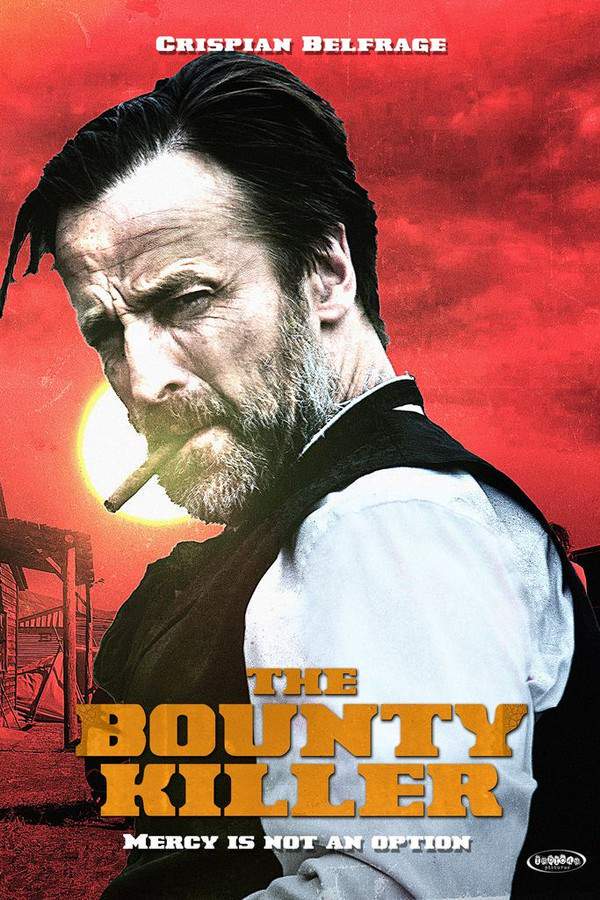
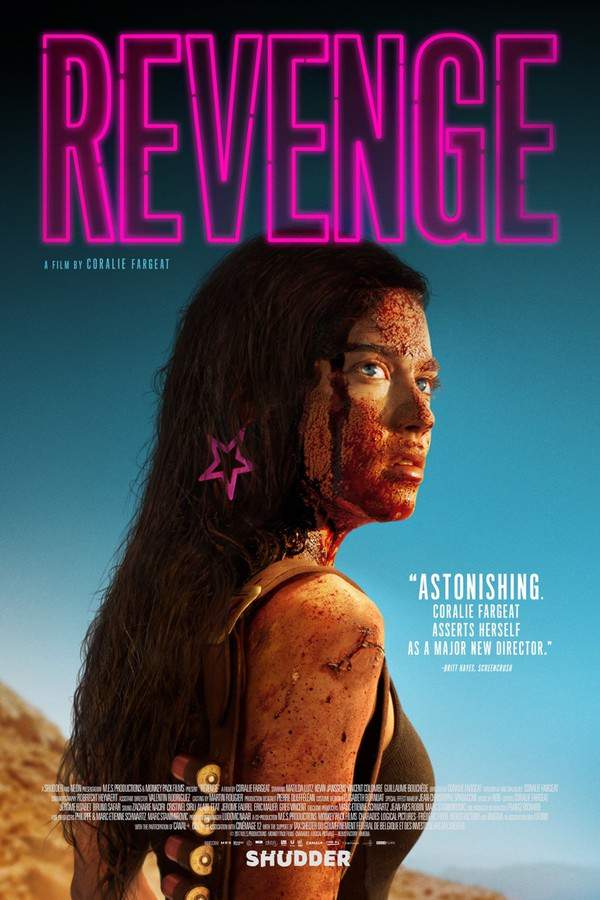
Fatalistic Outlaw Descents like Billy the Kid

Character studies of figures trapped by violence and circumstance, heading toward ruin. For viewers who appreciated the tragic arc of the outlaw in Billy the Kid, this section highlights similar movies about characters whose chance at peace is destroyed, leading to a violent and sorrowful downfall. Discover other dramas and Westerns with this pattern.

  • tragic
  • tense
  • fatalistic
  • grim
  • corruption
  • betrayed
  • Tone: dark, tense, tragic
  • Pacing: fast, straightforward
Why these movies?

The story pattern: The narrative pattern involves a conflicted character being offered a chance at a peaceful life, only to have it violently taken away. This loss catalyzes their full descent into their darker nature, pitting them against former allies and the law in a spiral of violence that concludes with their tragic end.

Why they belong together: These films share a dark, tense tone and explore themes of corrupted innocence and inescapable fate. They feature straightforward, fast-paced plots with high intensity and a heavy emotional focus on the protagonist's doomed journey, making the viewing experience grim and impactful.

If you liked this

Movies Like Billy the Kid

Similar movies to Billy the Kid: the same genre, themes or kind of story. Each one comes with its own plot summary, timeline and ending explained.

Browse all movie summaries

Every angle

Billy the Kid (1941) Explained: Plot, Timeline & Characters

Everything about Billy the Kid in one place: what happens in the plot summary, the timeline in chronological order, the characters and meaning and a spoiler-free summary. What's After the Movie adds the cast, box office and post-credit scenes.

Coming soon on iOS and Android

The Plot Explained Movie Summary App

Plot summaries, endings explained and timelines on your phone. Catch up on any movie in minutes, save your favorites and never miss a twist again.

Be the first to know when we launch. Your email stays private, always.

Learn more about the app