Plot Explained Spoilers guaranteed!
Plot Explained

Browse by genre

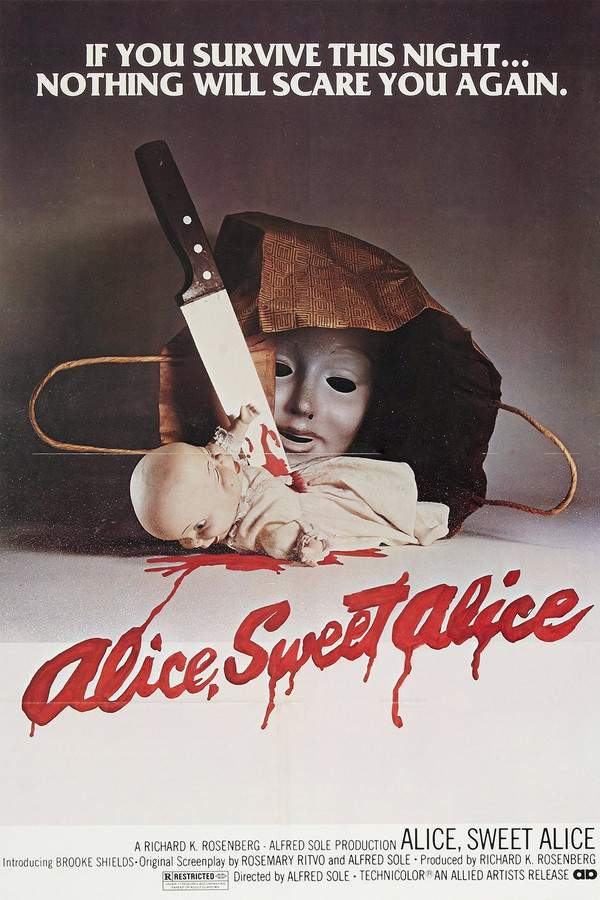
Alice or the Last Escapade (1977) movie poster

Timeline

Alice or the Last Escapade (1977) Timeline Explained – Every Event in Order

Release, runtime and language
1977 · 93 mins · French
Directed by
Claude Chabrol
Starring
Charles Vanel, André Dussollier, Sylvia Kristel, François Perrot, Noël Simsolo, Thomas Chabrol

Frustrated by her husband, Alice decides to abandon him on a storm‑laden night. When a crash shatters her car’s windshield, she seeks refuge in a looming, deserted mansion. The occupants greet her warmly, yet unsettling phenomena soon surface. As she searches for a way out, the house reveals itself as an inescapable trap, sealing her fate.

On this page (6)
  1. 1 Events in order (13)
  2. 2 Timeline questions answered
  3. 3 Movie threads
  4. 4 Movies like Alice or the Last Escapade
  5. 5 Categories
  6. 6 Every angle

13 events in order · contains spoilers

Alice or the Last Escapade Timeline: Events in Chronological Order

Every key event of Alice or the Last Escapade (1977) in order, scene by scene, with when and where it takes place. Use it to untangle flashbacks, time jumps and parallel storylines, to refresh your memory before the sequel or to find the exact scene you are thinking of.

  1. Alice leaves her husband

    Alice departs from her husband, determined to escape a marriage she despises. She drives into the pristine countryside, seeking solitude and a fresh start. The journey foreshadows a series of surreal events that blur the line between reality and dream.

    Where
    Countryside road
  2. Windshield cracks on the road

    Her windshield cracks mysteriously on the road, forcing her to stop at an old house she never planned to visit. The mansion appears to be waiting for her, with an uncanny air of familiarity. An old man and his butler greet her as if she has come home, inviting her inside. The whole scene feels staged by some unseen force.

    Where
    Approach to the country mansion
  3. Hospitality and overnight stay

    The old man insists that she stay overnight, framing hospitality as a must. They even offer to repair the car by morning, as if the visit were predetermined. Alice agrees, though a sense of unease lingers as the mansion seems to keep her there.

    When
    Night
    Where
    Country mansion
  4. Booming noise wakes her

    In the middle of the night a booming noise shatters the quiet. Alice awakens, unsure whether the sound is real or a trick of the house. The old man and his staff remain calm and seemingly unconcerned by her fear.

    When
    Night
    Where
    Mansion interior
  5. Morning returns; car repaired; breakfast waits

    At dawn the car returns with a new windshield, as if nothing happened. She finds herself alone in the deserted house, save for a breakfast laid out for her. The normal routine unsettles her as she confronts the house's emptiness.

    When
    Morning
    Where
    Mansion interior
  6. Attempt to leave blocked by a tree trunk

    When she tries to leave, she cannot find the gateway back to the country road. Her attempts to walk away with her suitcase are thwarted by a tree trunk blocked across the path. The sense of being trapped deepens as the landscape around the house seems to rearrange itself.

    When
    Day
    Where
    Path from house to gate
  7. Young man hints there is no way out

    Reluctantly she returns to the old house and tries to resume her way along the familiar path. A young man appears and tells her there is no way out, hinting that she may be in limbo. His blunt instruction unsettles her, forcing her to confront the possibility that escape is impossible. The idea of a boundary between life and something beyond becomes central to her experience.

    When
    Day
    Where
    Near the old house and path
  8. Old man explains the situation

    The old man reappears and provides explanations for the strange circumstances. He suggests that the place is not a simple mansion but a loop where time and fate conspire to keep residents. Alice listens with growing unease as the rules of this limbo begin to reveal themselves.

    When
    Following day
    Where
    Mansion
  9. Bright morning; path to highway found

    The following morning is bright and birdsong fills the air. Breakfast appears again, and she sits as if nothing has changed. She gets back into the car and discovers the path and gate leading toward the highway.

    When
    Morning
    Where
    Mansion grounds and gate
  10. More strange characters appear

    As she approaches the gate, a few more strange characters cross her path. They seem to exist on the margins of the world she knows, offering cryptic remarks. The encounter reinforces the sense that nothing here is as it seems.

    When
    Day
    Where
    Road near gate
  11. Windshield cracks again on the road

    With driving momentum, her windshield cracks again. The crack interrupts the journey, reminding her of the impossibility of leaving. The road and the mansion's pull remain in tension as she continues forward.

    When
    Day
    Where
    Car on road
  12. Doubt about escape; is it really out?

    She begins to doubt whether she has truly escaped or if the cycle will reset. The notion of limbo returns with renewed force, as if time itself has paused. Alice's perception of reality becomes more unstable, leaving her unsure of what is real.

    Where
    Road
  13. Cycle continues; escape remains elusive

    The film closes with the sense that the cycle continues, and escape remains elusive. The cracked windshield and the repeated hospitality of the mansion symbolize an unbreakable loop. Alice remains trapped in a world where departure is possible in theory but never in practice.

    Where
    Throughout

Last updated: February 18, 2026 at 23:46

Was this helpful?

Timeline questions answered

Alice or the Last Escapade Timeline Explained: Your Questions Answered

When does it happen, and why in that order? The questions people ask about the chronology of Alice or the Last Escapade (1977): time jumps, flashbacks, cause and effect between scenes and the correct order of events, each answered with spoilers.

Q1

Why does Alice decide to leave her husband?

Alice leaves her husband because she has grown to despise him and wants to escape a marriage that has become unbearable. Her decision to drive into the pristine countryside represents her attempt to find solitude and start fresh, but the journey takes an unexpected turn when her windshield cracks, forcing her to stop at the mysterious mansion.

  • alice
  • husband
  • marriage
  • escape
  • leaves
Q2

Why does the windshield crack mysteriously on the road?

The windshield cracks in a way that feels almost choreographed, as if the car itself conspired to slow Alice down and force her to stop at the old mansion. This mysterious crack appears deliberate rather than accidental, hinting that some unseen force is guiding her to the house.

Foreshadowing: The initial crack foreshadows the recurring pattern where the windshield breaks again each time Alice attempts to leave.

  • windshield
  • crack
  • car
  • mansion
  • trap
Q3

Why do the old man and butler greet Alice as if she were expected?

The old man Henri Vergennes and his butler greet Alice with eerie familiarity, insisting she stay overnight and offering to repair her car by morning. Their behavior suggests the visit was somehow predetermined, hinting that the mansion has been waiting for her arrival.

  • old man
  • butler
  • henri vergennes
  • expected
  • greeting
Q4

What is the booming noise that wakes Alice at night?

A thunderous boom shakes the house from the darkness, but its source is never clearly explained. The old man and his staff remain calm and unconcerned, leaving Alice uncertain whether the sound is real or a trick of the house.

  • boom
  • noise
  • night
  • mansion
  • mystery
Q5

Why does the house become deserted after the first night?

After the booming noise, Alice wakes to find the mansion completely empty. The old man and his butler have vanished, leaving only a breakfast set laid out for her. This sudden disappearance reinforces the supernatural nature of the place and deepens the mystery.

  • deserted
  • empty
  • house
  • disappearance
Q6

Why can't Alice find the exit gate when trying to leave?

When Alice tries to leave, she cannot find the gateway back to the country road. The landscape seems to rearrange itself, a tree trunk blocks the path, and the gate disappears entirely. This is the first clear sign that the house exists in some kind of liminal space where normal rules don't apply.

  • gate
  • exit
  • trapped
  • path
  • escape blocked
Q7

Who is the young man who tells Alice there is no way out?

A young man appears and tells Alice matter-of-factly to accept that there is no way out. He hints that she may be trapped in limbo, a liminal space where time repeats itself. His identity remains mysterious, but he seems to exist within the same cycle as Alice.

  • young man
  • limbo
  • no way out
  • trap
  • cycle
Q8

What is the house supposed to represent?

The old man explains that the place is not a simple mansion but a loop where time and fate conspire to keep residents trapped. The house appears to be a liminal space between life and death, or perhaps a psychological prison reflecting Alice's inability to truly escape her circumstances.

  • house
  • mansion
  • limbo
  • trap
  • loop
  • fate
Q9

Why does the windshield crack again when Alice tries to escape?

The windshield cracks again as Alice attempts to drive toward what seems like a real exit, interrupting her journey and seemingly resetting the cycle. This recurrence suggests the house itself is preventing her departure, reinforcing the idea that escape is impossible in this space.

Foreshadowing: The repeated crack mirrors the initial crack that brought her to the mansion, completing a deliberate cycle.

  • windshield
  • crack again
  • cycle
  • escape
  • repeat
Q10

Does Alice escape at the end of the movie?

The ending is deliberately ambiguous. Alice finds the path and gate leading toward the highway, and for a moment it seems she might truly leave. However, the cracked windshield and the appearance of strange characters suggest the cycle may simply continue. The film closes with escape remaining elusive, leaving viewers uncertain whether she ever truly left.

  • ending
  • escape
  • ambiguous
  • freedom
  • resolution
Q11

Is the house supernatural or is it all in Alice's mind?

The film leaves the nature of the house deliberately ambiguous. It could be a supernatural realm where escape is impossible, or it could represent Alice's psychological state, trapped in her own mind, unable to break free from the cycle of her life. The supernatural elements and psychological horror blend seamlessly throughout.

  • supernatural
  • psychological
  • horor
  • reality
  • interpretation
Q12

What does the cracked windshield symbolize?

The cracked windshield symbolizes the barrier between reality and the liminal space of the mansion. It appears each time Alice attempts to leave, acting as a literal and symbolic obstacle that prevents her from breaking free. The crack represents the fragility of her escape attempts and the inescapable nature of the loop.

  • symbolism
  • windshield
  • barrier
  • crack
  • freedom
Q13

Why does the landscape around the mansion keep changing?

The landscape appears to rearrange itself whenever Alice tries to leave, paths disappear, tree trunks block roads, and the gate vanishes. This impossible geography reinforces the idea that the mansion exists outside normal reality, creating an ever-shifting trap that responds to her attempts at escape.

  • landscape
  • changing
  • impossible
  • geometry
  • trap

Movie threads

More Movies Like Alice or the Last Escapade, by Mood & Story

Curated lists built around what makes Alice or the Last Escapade tick: the same mood, the same kind of story or the same emotional payoff. Each list explains why these movies belong together.

Inescapable supernatural thrillers like Alice or the Last Escapade

Characters trapped in uncanny places where reality itself becomes a prison. If you liked Alice or the Last Escapade and its story of a woman trapped in a supernatural mansion, explore more movies like it. These films feature uncanny locations that act as inescapable prisons, blending psychological horror with paranomal dread for a deeply unsettling experience.

  • claustrophobic
  • uncanny
  • paranormal
  • trapped
  • psychological
  • dread
  • Tone: tense, uncanny, bleak
  • Pacing: slow burn, deliberate
Why these movies?

The story pattern: The narrative typically begins with an ordinary person entering an unfamiliar, often inviting, space that quickly reveals its malevolent nature. The core conflict is the protagonist's attempt to escape, which is repeatedly thwarted by the shifting, illogical rules of the environment. The story focuses on the psychological decay and growing dread as the character confronts an existential trap.

Why they belong together: These films are grouped together because they share a core premise of supernatural entrapment. They rely on a tense, claustrophobic atmosphere, a slow unraveling of reality, and a focus on psychological horror over physical violence. The shared experience is one of feeling just as trapped and desperate as the protagonist.


Slow-burn atmospheric horror movies like Alice or the Last Escapade

Stories where a quiet, pervasive sense of unease suffocates the characters. Fans of the tense, slow-burning dread in Alice or the Last Escapade will find more movies like it here. These similar films use a deliberate pace and a heavy, uncanny atmosphere to create a deep sense of psychological unease and claustrophobic horror, rather than relying on jump scares.

  • slow burn
  • uneasy
  • atmospheric
  • dread
  • anxious
  • dreamlike
  • Tone: tense, uneasy, mysterious
  • Pacing: slow, deliberate
Why these movies?

The story pattern: The narrative unfolds patiently, often beginning with a minor anomaly that escalates imperceptibly. There is a heavy emphasis on the protagonist's subjective experience—their observations, fears, and the slow erosion of their sense of safety. The plot is less about a series of events and more about the sustained mood of anxiety and the ominous feeling that something is profoundly wrong.

Why they belong together: These movies are united by their shared cinematic approach: a slow pace, a tense tone, and a focus on building atmospheric dread. They appeal to viewers who appreciate psychological tension and a creeping sense of horror that lingers, making the experience feel immersive and deeply unsettling.

If you liked this

Movies Like Alice or the Last Escapade

Similar movies to Alice or the Last Escapade: the same genre, themes or kind of story. Each one comes with its own plot summary, timeline and ending explained.

Browse all movie summaries

Categories

Movie Lists Featuring Alice or the Last Escapade

Alice or the Last Escapade appears in these hand-built movie categories. Each one groups movies by a specific mood, theme or story type, with their plot summaries and endings explained.

View all movie categories

Every angle

Alice or the Last Escapade (1977) Explained: Plot, Timeline & Characters

Everything about Alice or the Last Escapade in one place: what happens in the plot summary, the timeline in chronological order, the characters and meaning and a spoiler-free summary. What's After the Movie adds the cast, box office and post-credit scenes.

Coming soon on iOS and Android

The Plot Explained Movie Summary App

Plot summaries, endings explained and timelines on your phone. Catch up on any movie in minutes, save your favorites and never miss a twist again.

Be the first to know when we launch. Your email stays private, always.

Learn more about the app