Plot Explained Spoilers guaranteed!
Plot Explained

Browse by genre

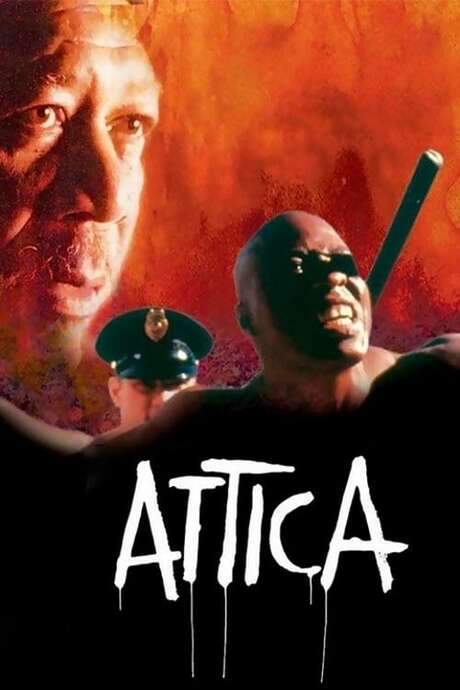
Against the Wall (1994) movie poster

Timeline

Against the Wall (1994) Timeline Explained – Every Event in Order

Release, runtime and language
1994 · 111 mins · English
JustWatch #6,053 3
Directed by
John Frankenheimer
Starring
Samuel L. Jackson, Juan Garcia, Kyle MacLachlan, Harry Dean Stanton, Steve Harris, Anne Heche

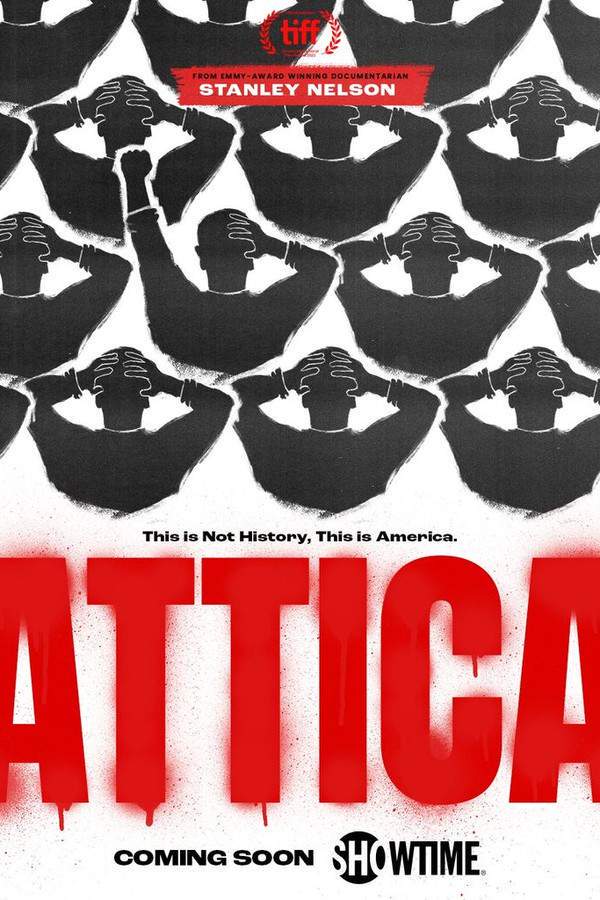
In 1971, a warden at Attica Penitentiary finds himself thrust into a violent hostage crisis after inmates seize control of the facility to demand humane living conditions. The confrontation ends in tragedy, with 39 men losing their lives, and the film chronicles the harrowing events that followed.

On this page (6)
  1. 1 Where to watch
  2. 2 Events in order (14)
  3. 3 Timeline questions answered
  4. 4 Movie threads
  5. 5 Movies like Against the Wall
  6. 6 Every angle

Where to watch

Where to Watch Against the Wall (1994)

Where can you watch Against the Wall? Stream, rent or buy it in the US, including on HBO Max: current JustWatch availability with up-to-date prices.

Streaming availability powered by JustWatch

14 events in order · contains spoilers

Against the Wall Timeline: Events in Chronological Order

Every key event of Against the Wall (1994) in order, scene by scene, with when and where it takes place. Use it to untangle flashbacks, time jumps and parallel storylines, to refresh your memory before the sequel or to find the exact scene you are thinking of.

  1. Opening montage of national unrest

    The film opens with a rapid montage of late 1960s and early 1970s news footage, including the assassination of Robert F. Kennedy, the Kent State shootings, and the Watts riots. This sequence sets the political fever surrounding Attica and foreshadows the prisoners' demand for basic human rights within the facility. It frames the uprising as part of a larger national struggle rather than a single incident.

    When
    Opening sequence
    Where
    National news media montage
  2. Smith starts his new job at Attica

    A 22-year-old Smith gets a barber shop haircut, then reports to work as a corrections officer at Attica. He is drawn by pay and a sense of responsibility, contrasting with the quiet streets of Attica. The scene begins to map out his conflict between duty and conscience.

    When
    Day 1, morning
    Where
    Attica Correctional Facility
  3. Jamaal X arrives; first day cross-cut

    The film follows Smith and inmate Jamaal X on their first day, cutting between their parallel experiences. The harsh prison conditions are revealed as guards abuse prisoners and basic needs go unmet. Cross-cutting underscores the chasm between the guards' authority and the inmates' humanity.

    When
    Day 1
    Where
    Attica Correctional Facility
  4. Prison conditions spark resentment

    Rumors of degrading conditions spread as politicized prisoners demand better treatment. Jamaal X emerges as a leader in the fight for prisoner rights, inspiring others to challenge the status quo. Smith begins to see the humanity behind the inmates, forcing him to confront his own complicity.

    When
    Day 1-2
    Where
    Attica Correctional Facility
  5. Smith's empathy clashes with peers

    Smith is the only officer who treats inmates with respect, and his sympathy makes his coworkers wary. Veteran officers like Lieutenant Weisbad insist on unchallengeable control, often resorting to humiliation to maintain order. The clash foreshadows the breakdown of routine authority.

    When
    Day 1-2
    Where
    Prison staff areas
  6. Beating in the metal shop shifts Smith's resolve

    During a shift in the metal shop, Smith is beaten by prisoners, a brutal turn that shatters his willingness to follow orders. The attack marks a turning point, pushing him to reassess his role in the system. He begins to question whether he can stay loyal to supervisors who tolerate abuse.

    When
    Day 2
    Where
    Metal shop, Attica
  7. Prison uprising begins as a gate malfunctions

    Chaka and other inmates overwhelm some officers and take them hostage when a gate malfunctions. Jamaal X protects the hostages, understanding that killing them would derail any chance to negotiate with officials. The uprising moves from protests to a threatened crisis.

    When
    Day 3
    Where
    Gate area, Attica
  8. Smith refuses to degrade himself for basic needs

    Smith refuses to humiliate himself to obtain basic needs, telling his fellow officers that he wasn't a guard long enough to learn how to be a prisoner. Jamaal begins to respect his integrity, and their uneasy alliance grows. The hostages' fate becomes tied to their mutual dignity rather than brute force.

    When
    Day 3-4
    Where
    Hostage compound
  9. Jamaal recruits Smith to speak to the press

    Jamaal recruits Smith to speak to a news crew and testify that the hostages have not been tortured or killed. The testimony reframes public perception and gives the prisoners a negotiable stake in the outcome. Smith's confidence and sense of self-worth begin to crystallize.

    When
    Day 4
    Where
    News crew location
  10. News conference cements the shift in perception

    During the press conference, Smith hints that dignity matters more to him than the approval of others. The moment signals a shift in the uprising's narrative, spotlighting Smith's personal transformation. Jamaal's alliance with him solidifies under media scrutiny.

    When
    Day 4
    Where
    News conference area
  11. Governor ends negotiations; raid ordered

    On the fifth day, New York's governor ends negotiations and orders a raid by law enforcement and soldiers. Tear gas fills the corridors as inmates and hostages scramble to respond to the breach. The stage is set for a violent conclusion.

    When
    Day 5
    Where
    Attica Correctional Facility
  12. Hostages and guards come under fire

    The assault erupts with indiscriminate gunfire and choking gas as lines of law enforcement move in. Chaka and Lieutenant Weisbad are killed amid the chaos, marking the dramatic toll of the crackdown. The prison's control structure collapses under external force.

    When
    Day 5
    Where
    Prison yards / corridors
  13. Smith is shot; Jamaal is wounded

    In the violence of the raid, Smith is shot several times in the stomach by a fellow New York State Police officer. Jamaal X is wounded by a stray bullet, and the uprising's violent end is brought into sharp relief. Both men survive the immediate crisis but are forever changed.

    When
    Day 5
    Where
    Prison yard / surrounding areas
  14. Epilogue: prison population and conditions

    The epilogue presents statistics showing a 300 percent rise in the U.S. prison population since the uprising, highlighting ongoing overcrowding and human rights concerns. The Attica riot is portrayed as a catalyst for the broader prison reform debate that followed. The film closes by tying personal courage to systemic critique.

    When
    Post-uprising
    Where
    Epilogue

Last updated: October 09, 2025 at 09:32

Was this helpful?

Timeline questions answered

Against the Wall Timeline Explained: Your Questions Answered

When does it happen, and why in that order? The questions people ask about the chronology of Against the Wall (1994): time jumps, flashbacks, cause and effect between scenes and the correct order of events, each answered with spoilers.

Q1

Why did the inmates start the Attica prison riot?

The inmates seized control of Attica Correctional Facility to demand humane living conditions and basic human rights. The film shows the harsh realities of confinement: overcrowding, violent treatment by some corrections officers, humiliating searches, broken toilets, and daily indignities that eroded inmate dignity. The riot was sparked by degrading conditions that had persisted despite inmates' attempts at peaceful resolution.

Foreshadowing: Earlier scenes show rumors of degrading conditions spreading among prisoners and politicized inmates demanding better treatment.

  • Attica prison riot
  • inmate demands
  • prison conditions
  • 1971
Q2

Why did Jamaal X protect the hostages instead of killing them?

Jamaal X understood that killing the hostages would derail any chance of negotiating with authorities. When the gate malfunctioned and inmates took some guards hostage, Jamaal X intervened to protect them, recognizing that their survival was essential to maintaining a viable path for dialogue with the outside world. He insisted on dignity and due process even amid the uprising.

Foreshadowing: The film establishes Jamaal X as a leader focused on prisoner rights through principled means, not violence.

  • Jamaal X
  • hostages
  • negotiation
  • prisoner rights
Q3

Why did Michael Smith agree to speak to the news crew?

Smith agreed to testify that the hostages had not been tortured or killed after Jamaal X recruited him to speak to the press. This decision marked a shift from passive endurance to public testimony, allowing the prisoners to reframe public perception and maintain a negotiable stake in the outcome. It also represented Smith's personal transformation from a rookie guard to someone willing to expose the truth.

Foreshadowing: Smith's growing empathy for inmates and his conflict with fellow officers who enforced control through intimidation set the stage for this decision.

  • Michael Smith
  • press
  • testimony
  • media
Q4

What caused the alliance between Michael Smith and Jamaal X?

Their alliance developed through mutual respect in desperate circumstances. Smith was the only officer who treated inmates with respect, which initially made his coworkers wary. When Smith refused to humiliate himself to obtain basic needs during the hostage situation, Jamaal X began to respect his integrity. Both men shared a belief in human dignity amid a system that had wronged them, creating a survival-driven partnership built on mutual respect.

Foreshadowing: The film cross-cuts their first days, showing parallel experiences that highlight their shared humanity despite their different positions.

  • Michael Smith
  • Jamaal X
  • alliance
  • respect
  • prison
Q5

Why did the governor order the raid on Attica?

New York's governor ended negotiations and ordered the raid on the fifth day, ending the standoff. The film portrays this as a decisive shift from dialogue to force, with law enforcement and soldiers moving into the compound. The governor's decision led to the violent conclusion where tear gas filled the corridors and indiscriminate gunfire erupted, resulting in multiple deaths including both inmates and guards.

Foreshadowing: Earlier scenes show the tension between the impulse to contain and the impulse to dialogue, with authorities escalating from negotiation to hardline measures.

  • governor
  • raid
  • negotiation
  • Attica
  • law enforcement
Q6

How did Michael Smith get shot during the raid?

Smith was shot several times in the stomach by a fellow New York State Police officer during the violent raid. The assault erupted with indiscriminate gunfire and choking gas as law enforcement moved into the prison. Both Smith and Jamaal X were wounded in the crossfire, marking the violent end of the uprising and the tragic toll of the crackdown.

Foreshadowing: The film builds tension as negotiations collapse and the authorities prepare for a forceful resolution.

  • Michael Smith
  • shot
  • raid
  • injury
Q7

What happened to the hostages during the Attica riot?

The hostages were taken when inmates seized control during a gate malfunction. Jamaal X protected them, ensuring they were not tortured or killed, understanding that their survival was crucial for negotiation. However, during the violent raid on day five, the hostages were caught in the deadly spray of chaos as law enforcement moved in, and several officers including Lieutenant Weisbad were killed.

Foreshadowing: The fragile alliance between Smith and Jamaal X was built partly around ensuring the hostages' safety and dignity.

  • hostages
  • safety
  • Attica
  • raid
Q8

Why was the beating in the metal shop significant?

During a shift in the metal shop on day two, Smith was beaten by prisoners, a brutal turn that shattered his willingness to blindly follow orders. This attack marked a major turning point, pushing him to reassess his role in the system and begin questioning whether he could stay loyal to supervisors who tolerated abuse. It accelerated his transformation from a rookie guard to someone with growing empathy for inmates.

Foreshadowing: The scene occurs after Smith witnesses harsh prison conditions and his empathy begins clashing with his colleagues.

  • beating
  • metal shop
  • transformation
  • Michael Smith
Q9

What happened to Lieutenant Weisbad during the riot?

Lieutenant Weisbad, who represented the seasoned bureaucratic approach to crowd control and believed in maintaining order through hardline measures, was killed amid the chaos of the raid. He was the officer who insisted on unchallengeable control and often resorted to humiliation to maintain order. His death, along with other officers and inmates, marked the tragic human cost of the violent crackdown.

Foreshadowing: Weisbad's conflict with Smith over appropriate policing tactics foreshadows the breakdown of authority.

  • Weisbad
  • death
  • raid
  • guard
Q10

Why did Smith refuse to degrade himself to obtain basic needs?

Smith refused to humiliate himself to obtain basic needs during the hostage situation, telling his fellow officers that he hadn't been a guard long enough to learn how to be a prisoner. This act of maintaining his dignity despite the circumstances impressed Jamaal X and became a foundation for their uneasy alliance. It demonstrated Smith's moral compass in extreme circumstances.

Foreshadowing: This moment builds on Smith's earlier stance as the only officer who treated inmates with respect.

  • dignity
  • humiliation
  • Michael Smith
  • prison
Q11

Why did the film focus on both a guard and an inmate perspective?

The film uses Michael Smith and Jamaal X as parallel perspectives to humanize both sides of the conflict and explore the possibility of understanding across divides. Smith's perspective is framed as the core lens, grounded in his testimony after being shot. Jamaal X is drawn from a composite of inmates. Their relationship becomes a quiet testament to mutual respect and dignity amid chaos, while the broader social and political crisis is surveyed through their personal stakes.

Foreshadowing: The opening montage establishes the political context, while the cross-cutting between Smith and Jamaal X on their first day establishes their parallel experiences.

  • perspective
  • guard
  • inmate
  • narrative
  • Jamaal X
Q12

What was the outcome of the Attica riot?

The Attica riot ended violently on day five when the governor ordered a raid. Thirty-nine men lost their lives in total, 29 inmates and 10 guards and civilian staff. Both Smith and Jamaal X were wounded. The epilogue notes that the U.S. prison population surged 300% in the decades following, highlighting ongoing overcrowding and human rights concerns, positioning Attica as a catalyst for broader prison reform debates.

Foreshadowing: The film opens by situating the riot within the larger context of 1970s social upheaval and ends with statistics showing the ongoing relevance of the event.

  • Attica
  • outcome
  • deaths
  • 39
  • prison reform

Movie threads

More Movies Like Against the Wall, by Mood & Story

Curated lists built around what makes Against the Wall tick: the same mood, the same kind of story or the same emotional payoff. Each list explains why these movies belong together.

Prison standoff movies like Against the Wall

Intense stories of confined crises where communication is the only way out. If you liked the tense negotiation and claustrophobic crisis of Against the Wall, explore more movies about high-stakes institutional standoffs. These films often feature volatile hostage situations, fraught dialogues under pressure, and a bleak examination of systemic failure.

  • tense
  • claustrophobic
  • urgent
  • oppressive
  • anxious
  • charged
  • Tone: tense, bleak, urgent
  • Pacing: steady, methodical
Why these movies?

The story pattern: Narratives in this thread typically follow a tense, steady build-up to a crisis point within a confined system. The plot revolves around dialogue, strategy, and the increasing pressure on both sides of a conflict, often leading to a tragic or bittersweet resolution that highlights systemic flaws.

Why they belong together: Movies are grouped here for their shared atmosphere of claustrophobic tension, their focus on high-stakes negotiation as a central plot driver, and their exploration of moral conflict within oppressive institutions. The experience is defined by a consistent, anxious dread.

Historical tragedies like the Attica riot in Against the Wall

Sobering dramatizations of tragic real-world events that expose social injustice. For viewers who appreciated the grim historical realism of Against the Wall, this list includes movies based on true stories of social injustice and tragedy. These dramas are characterized by their serious tone, heavy emotional weight, and focus on real-world systemic conflicts.

  • harrowing
  • somber
  • oppressive
  • serious
  • anxious
  • historical
  • Tone: somber, tense, grim
  • Pacing: steady, deliberate
Why these movies?

The story pattern: These stories often unfold in a steady, chronological manner, building towards a known, tragic outcome. The narrative focuses on presenting multiple perspectives within a historical event, emphasizing the human cost and the broader social implications rather than providing a conventionally happy ending.

Why they belong together: These films share a commitment to historical accuracy, a somber and tense tone, and a heavy emotional weight derived from depicting real suffering and injustice. They are united by their educational yet harrowing vibe and their focus on themes of human rights and moral conflict.

If you liked this

Movies Like Against the Wall

Similar movies to Against the Wall: the same genre, themes or kind of story. Each one comes with its own plot summary, timeline and ending explained.

Browse all movie summaries

Every angle

Against the Wall (1994) Explained: Plot, Timeline & Characters

Everything about Against the Wall in one place: what happens in the plot summary, the timeline in chronological order, the characters and meaning and a spoiler-free summary. What's After the Movie adds the cast, box office and post-credit scenes.

Coming soon on iOS and Android

The Plot Explained Movie Summary App

Plot summaries, endings explained and timelines on your phone. Catch up on any movie in minutes, save your favorites and never miss a twist again.

Be the first to know when we launch. Your email stays private, always.

Learn more about the app