Plot Explained Spoilers guaranteed!
Plot Explained

Browse by genre

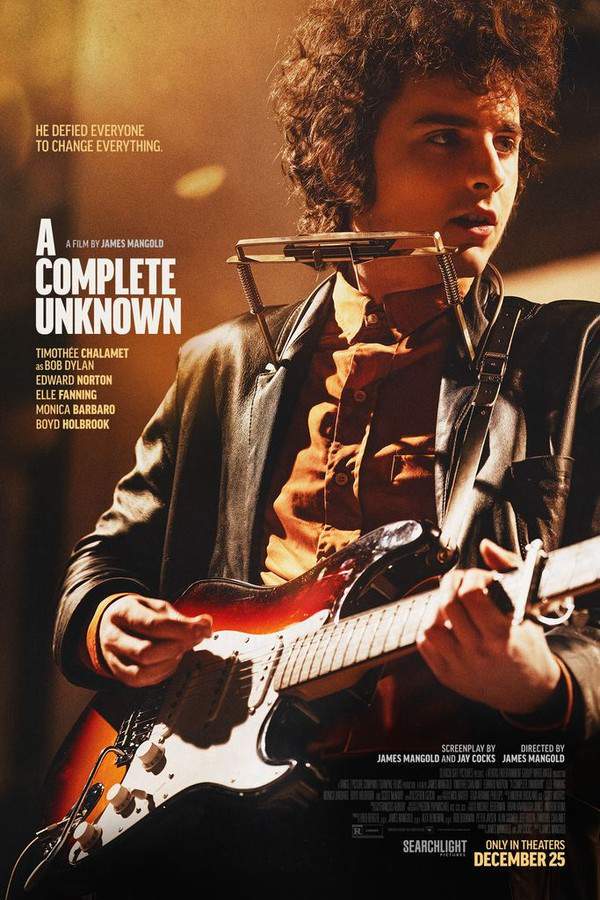
A Complete Unknown (2024) movie poster

Timeline

A Complete Unknown (2024) Timeline Explained – Every Event in Order

Release, runtime and language
2024 · 2 h 21 m · English
Echo score 72
Directed by
James Mangold
Starring
Joe Tippett, P.J. Byrne, Elle Fanning, Edward Norton, Timothée Chalamet, Monica Barbaro
Budget
$70M

Set in the vibrant New York music scene of the early 1960s, the film chronicles the rapid ascent of a 19-year-old musician from Minnesota, Bob Dylan, portrayed by Timothée Chalamet. The story follows his journey from folk singer to a worldwide sensation, detailing the rise of his songs and the enigmatic persona that captivated audiences. It culminates with his pivotal shift to electric rock and roll, marking a transformative moment in his career.

On this page (5)
  1. 1 Events in order (15)
  2. 2 Timeline questions answered
  3. 3 Movie threads
  4. 4 Movies like A Complete Unknown
  5. 5 Every angle

15 events in order · contains spoilers

A Complete Unknown Timeline: Events in Chronological Order

Every key event of A Complete Unknown (2024) in order, scene by scene, with when and where it takes place. Use it to untangle flashbacks, time jumps and parallel storylines, to refresh your memory before the sequel or to find the exact scene you are thinking of.

  1. Bob Dylan Arrives in NYC

    In 1961, a young Bob Dylan, portrayed by Timothee Chalamet, arrives in New York City with dreams of making it in the music industry. He seeks out the legendary folk musician Woody Guthrie, who is a significant influence on his artistic aspirations.

    When
    1961
    Where
    New York City
  2. Pete Seeger's Trial

    Concurrently, musician Pete Seeger is on trial regarding a song written by Woody Guthrie. Following the courtroom proceedings, he performs 'This Land is Your Land' outside the courthouse alongside his wife, Toshi, highlighting the ongoing struggles of artists.

    Where
    Courthouse
  3. Visiting Woody Guthrie

    Pete Seeger visits Woody Guthrie in the hospital, where Bob Dylan finds them. In a heartfelt moment, Bob performs his own song, 'Song For Woody,' eliciting an emotional response from Woody, who expresses his approval by banging on a dresser.

    Where
    Hospital
  4. Entry into the Folk Scene

    Pete Seeger introduces Bob to the vibrant New York folk music scene. As Bob starts to refine his craft, he attends an open mic night where he sees Joan Baez perform, sparking a connection that influences both his music and personal life.

    Where
    Open Mic Night
  5. Meeting Sylvie Russo

    While performing at a church event, Bob meets Sylvie Russo, played by Elle Fanning, and sparks a romantic relationship. Their dynamic is explored through conversations and outings, revealing their contrasting views on life and aspirations.

    Where
    Church
  6. Sylvie's Trip to Rome

    After an argument over Bob's emotional distance, Sylvie takes an extended trip to Rome. This separation leaves Bob feeling reflective, ultimately leading to deeper musical exploration and performances.

    Where
    Rome
  7. Bob's Performance at a Show

    Bob performs 'Masters of War' at a show, where Joan Baez is in attendance. Following this, they share an intimate moment, complicated by Bob's offhand remark about her music, which foreshadows the tension in their relationship.

    Where
    Show Venue
  8. Rising Fame

    As Bob's career gains momentum, he performs 'Girl From The North Country' with Joan, attracting attention and acclaim. His growing popularity is marked by fan recognition on the street and a letter from Johnny Cash expressing admiration.

    Where
    Performance
  9. Changing Music Style

    By 1965, Bob grapples with the pressures of conforming to the folk genre while feeling the urge to explore electric rock. His creative shift is met with mixed reactions from fans and business associates alike as he starts to record new songs.

    When
    1965
    Where
    Recording Studio
  10. Newport Folk Festival Controversy

    At the Newport Folk Festival, Bob performs the iconic 'Maggie’s Farm,' revealing the tension between traditional folk fans and his new rock sound. The audience reacts harshly, but Bob remains resolute in his artistic direction despite the backlash.

    Where
    Newport Folk Festival
  11. Final Showdown with the Committee

    Before his performance, Bob faces pressure from the festival committee, with Pete Seeger trying to persuade him to revert to his folk roots. Inspired by a conversation with Johnny Cash, Bob ultimately chooses to stay true to his music.

    Where
    Hotel Room
  12. Performance of 'Like A Rolling Stone'

    Bob and his band take to the stage, kicking off with 'Like A Rolling Stone.' The show is met with both applause and jeers, as fans are split between appreciation for his new style and nostalgia for his earlier work.

    Where
    Newport Folk Festival
  13. Reunion with Joan

    After the festival, Joan Baez approaches Bob, acknowledging his triumph over musical constraints. Bob reflects on the complexities of success and what it truly means to win as he prepares to leave New York.

    Where
    Festival Grounds
  14. Visiting Woody One Last Time

    In an emotional farewell, Bob visits Woody Guthrie in the hospital one last time, expressing gratitude for his influence. This act symbolizes Bob's connection to his roots as he embarks on his journey as a groundbreaking artist.

    Where
    Hospital
  15. Release of 'Highway 61 Revisited'

    Just a month after the Newport festival, Bob Dylan releases 'Highway 61 Revisited,' marking a pivotal moment in music history. This influential album cements his place as one of the most innovative musicians of his time.

    When
    1965

Last updated: January 14, 2025 at 19:25

Was this helpful?

Timeline questions answered

A Complete Unknown Timeline Explained: Your Questions Answered

When does it happen, and why in that order? The questions people ask about the chronology of A Complete Unknown (2024): time jumps, flashbacks, cause and effect between scenes and the correct order of events, each answered with spoilers.

Q1

Why did Bob Dylan come to New York City in the movie?

Bob Dylan arrived in New York City in 1961 specifically to meet Woody Guthrie, the legendary folk musician who had profoundly influenced his artistic style. He sought out Guthrie while the older musician was hospitalized, ultimately performing for him and earning the approval of the folk icon, which launched Bob's entry into the New York folk scene.

Foreshadowing: The film establishes Bob's reverence for Guthrie early on, showing that his journey to New York was driven by musical admiration rather than personal ambition.

  • bob dylan
  • woody guthrie
  • new york
  • folk music
  • 1961
Q2

Why was Pete Seeger on trial in the film?

Pete Seeger was arrested and faced trial for refusing to testify about a song written by Woody Guthrie during the McCarthy era. The charge was related to his political associations and his refusal to cooperate with a congressional committee. After the case was dismissed, Pete performed "This Land Is Your Land" outside the courthouse with his wife Toshi, symbolizing artistic resistance.

Foreshadowing: The trial establishes Pete as a defender of artistic freedom, setting up his later role as a gatekeeper of folk tradition.

  • pete seeger
  • trial
  • woody guthrie
  • courthouse
  • folk music
Q3

Why did Sylvie Russo leave for Rome?

Sylvie departed for Rome after a heated argument with Bob about his emotional distance and tendency to make everything about himself. Her trip represented the strain between his growing fame and personal relationships. When she returned, their relationship remained complicated, ultimately ending when she moved on to someone else while Bob was struggling with the electric controversy.

Foreshadowing: Their argument at the train station foreshadows Bob's inability to maintain intimate connections as his career accelerates.

  • sylvie russo
  • rome
  • relationship
  • bob dylan
  • elle fanning
Q4

What happened between Bob Dylan and Joan Baez?

Bob and Joan had a romantic and professional relationship that developed after he performed at one of her shows. They performed together, including "Girl From The North Country," and shared an intimate night after his "Masters of War" performance. However, their relationship became strained as Bob's artistic direction changed. At the Newport Folk Festival, they fought backstage, and after his electric set, Joan acknowledged his freedom but their connection had fundamentally shifted.

Foreshadowing: Bob's cutting comment about Joan's music after their night together signaled the emotional toll his ambition would take on their relationship.

  • joan baez
  • bob dylan
  • relationship
  • newport folk festival
  • masters of war
Q5

Why did Bob Dylan switch to electric music?

Bob shifted to electric rock and roll because he felt creatively confined by the folk genre and wanted to evolve as an artist. By 1965, he had written seminal songs like "Subterranean Homesick Blues" and "Highway 61 Revisited" that demanded a new sound. Johnny Cash encouraged him to follow his own path, leading Bob to embrace electric folk rock despite knowing it would provoke backlash from traditionalists.

Foreshadowing: Bob's early performances already showed restless energy that exceeded traditional folk boundaries.

  • bob dylan
  • electric music
  • folk rock
  • newport
  • highway 61 revisited
Q6

What was the controversy at the Newport Folk Festival?

At the 1965 Newport Folk Festival, Bob Dylan performed with an electric band, playing "Maggie's Farm" and "Like A Rolling Stone," shocking the audience of traditional folk fans who expected his acoustic folk sound. The crowd reacted with a mix of boos and cheers, creating a iconic moment of artistic rebellion. Festival organizers, including Pete Seeger, had tried to persuade him to stick with acoustic, but Bob performed electric anyway, viewing it as a necessary artistic evolution.

Foreshadowing: Tensions had been building throughout the film as Bob's sound evolved and the folk community grew uneasy with his direction.

  • newport folk festival
  • electric
  • controversy
  • bob dylan
  • backlash
Q7

Why did Pete Seeger try to stop Bob from playing electric?

Pete Seeger attempted to convince Bob Dylan not to perform electrically because he feared it would alienate him from the folk community and undermine the political and social movement that folk music represented. Pete believed Bob's acoustic songs had power to inspire change. However, Bob saw electric music as his artistic evolution, and despite Pete's attempts to reason with him before the performance, Bob chose his own path.

Foreshadowing: Pete's earlier defense of artistic freedom at his own trial created irony in his attempts to constrain Bob's expression.

  • pete seeger
  • bob dylan
  • electric
  • newport
  • folk tradition
Q8

What happened to Bob and Sylvie's relationship by the end of the movie?

Bob and Sylvie's relationship deteriorated as his fame grew. After Sylvie returned from Rome, tensions remained between them. When Bob sought comfort from Sylvie after facing backlash for his electric performance, he discovered she had moved on with someone else. Their final separation symbolized the personal cost of his artistic choices, as his musical evolution came at the expense of his personal connections.

Foreshadowing: Their earlier argument about Bob's self-centeredness planted seeds for this outcome.

  • sylvie russo
  • bob dylan
  • relationship
  • break up
  • fame
Q9

What happened after the Newport Folk Festival in the movie?

After the polarizing Newport performance, Bob Dylan left New York and released "Highway 61 Revisited" just weeks later. The album became one of the most influential records in music history, cementing his status as a groundbreaking artist. The ending shows the bittersweet outcome of his choice, artistic triumph paired with fractured relationships and mixed public reception.

Foreshadowing: The film's title "A Complete Unknown" foreshadows this transformative but isolating moment.

  • highway 61 revisited
  • newport
  • ending
  • bob dylan
  • album release
Q10

Why did Joan Baez cry during "The Times They Are A-Changin'" performance?

Joan Baez became emotional during Bob's performance of "The Times They Are A-Changin'" because the song represented everything the folk movement stood for, social change and generational shifts. Watching Bob embody this change while simultaneously moving away from the community's acoustic traditions was bittersweet. Sylvie also cried at this performance, likely sensing the distance growing between her and Bob as his star rose.

Foreshadowing: This moment foreshadows the eventual split between Bob and the folk community that embraced him.

  • joan baez
  • the times they are a-changin
  • crying
  • folk
  • performance

Movie threads

More Movies Like A Complete Unknown, by Mood & Story

Curated lists built around what makes A Complete Unknown tick: the same mood, the same kind of story or the same emotional payoff. Each list explains why these movies belong together.

Movies about the price of artistic fame like A Complete Unknown

Stories of meteoric success that explore the alienation and sacrifices behind the spotlight. Explore films like A Complete Unknown that delve into the creative journey of musicians, writers, and artists. If you enjoy stories about meteoric rises to fame and the bittersweet personal costs that come with immense success and public identity, these movies capture that compelling duality.

  • ambitious
  • introspective
  • bittersweet
  • evocative
  • nostalgic
  • tense
  • Tone: bittersweet, reflective
  • Pacing: steady, chronological
Why these movies?

The story pattern: These narratives typically follow a linear rise-to-fame structure, charting key breakthroughs and public victories. The central conflict arises from the tension between authentic self-expression and the demands of fame, often leading to the fracturing of close personal relationships and a sense of isolation at the peak of success.

Why they belong together: Movies in this thread are grouped by their shared exploration of ambition's dual nature. They balance the thrill of artistic breakthrough with a melancholic, reflective tone on what is lost, creating a consistently bittersweet and introspective viewing experience centered on identity and legacy.
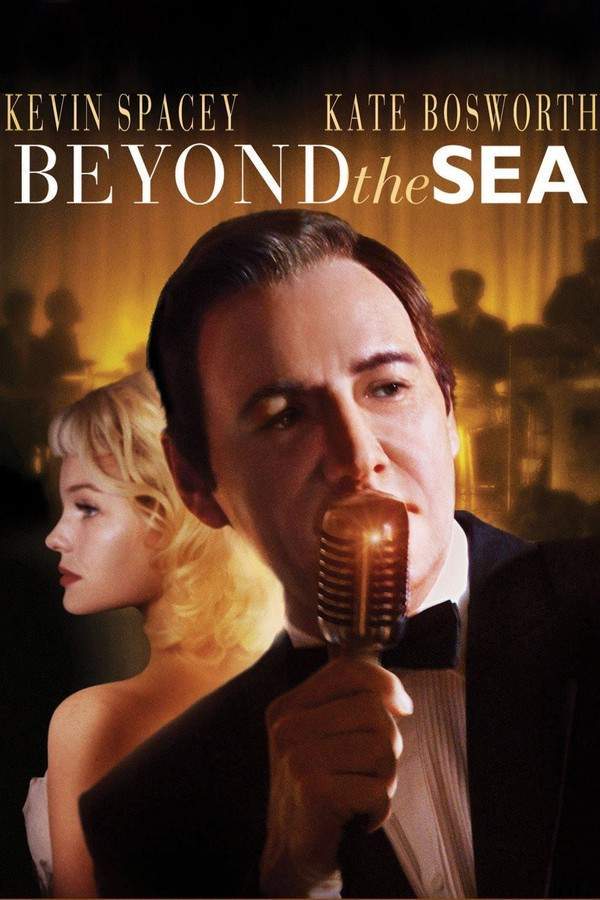
Movies about era-defining rebellion like A Complete Unknown

Character-driven stories of personal revolution set against a vibrant historical backdrop. Discover stories similar to A Complete Unknown, where a character's defiant transformation mirrors a shifting cultural landscape. If you liked the 1960s folk scene setting and the theme of bold artistic reinvention that divides audiences and peers, these movies offer that same energetic, rebellious vibe.

  • rebellious
  • energetic
  • evocative
  • tense
  • transformative
  • nostalgic
  • Tone: energetic, tense, bittersweet
  • Pacing: steady, building to a climax
Why these movies?

The story pattern: The narrative pattern involves a protagonist who is initially part of a specific scene or community. A growing dissatisfaction leads to a decisive, often public, act of rebellion that redefines their art and identity. This act creates significant tension and backlash, serving as the story's climax and solidifying their new path.

Why they belong together: These movies share a specific mix: a strong, evocative historical setting, a steady pace that builds to a moment of decisive change, and a tone that is both energetic and tense. The focus is on the personal courage and controversy of breaking from tradition.

If you liked this

Movies Like A Complete Unknown

Similar movies to A Complete Unknown: the same genre, themes or kind of story. Each one comes with its own plot summary, timeline and ending explained.

Browse all movie summaries

Every angle

A Complete Unknown (2024) Explained: Plot, Ending, Timeline & Characters

Everything about A Complete Unknown in one place: what happens in the plot summary, the timeline in chronological order, the characters and meaning, the ending explained and a spoiler-free summary. What's After the Movie adds the cast, box office and post-credit scenes.

Coming soon on iOS and Android

The Plot Explained Movie Summary App

Plot summaries, endings explained and timelines on your phone. Catch up on any movie in minutes, save your favorites and never miss a twist again.

Be the first to know when we launch. Your email stays private, always.

Learn more about the app