Plot Explained Spoilers guaranteed!
Plot Explained

Browse by genre

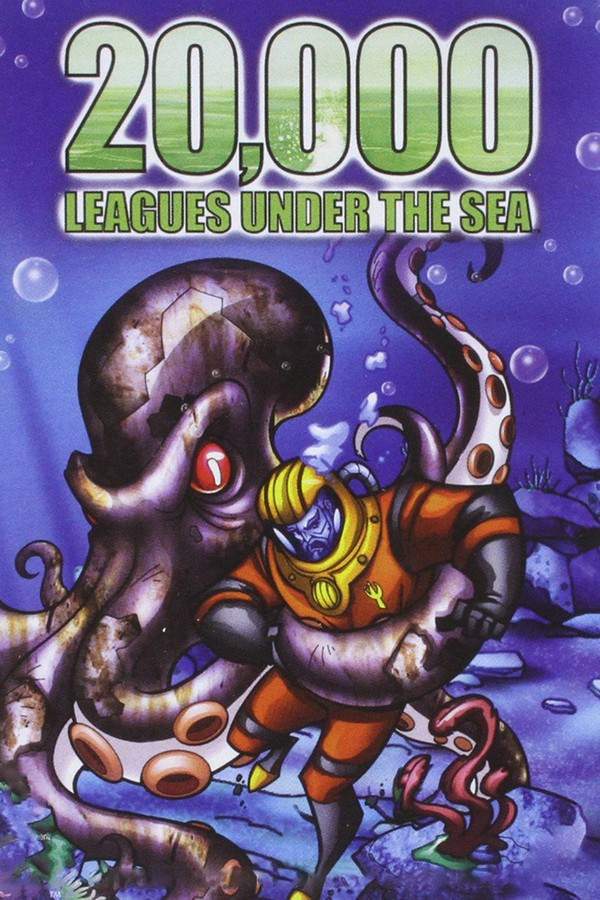
20,000 Leagues Under the Sea (1985) movie poster

Plot Summary

20,000 Leagues Under the Sea (1985) Plot Summary Explained

Release, runtime and language
1985 · 50 mins · English
Loading streaming availability…
Directed by
Warwick Gilbert
Starring
Tom Burlinson, Paul Woodson, Colin Borgonon, Alistair Duncan, Liz Horne, Gilbert Christian

An Australian made‑for‑television animated feature from Burbank Films Australia, this adaptation brings Jules Verne’s 1870 novel Twenty Thousand Leagues Under the Sea to the screen. It follows the iconic underwater journey of Captain Nemo and his submarine, the Nautilus, capturing the novel’s spirit of adventure and mystery.

On this page (6)
  1. 1 Where to watch
  2. 2 What happens: full plot
  3. 3 Plot questions answered
  4. 4 Movie threads
  5. 5 Movies like 20,000 Leagues Under the Sea
  6. 6 Every angle
Loading streaming availability…

Full plot summary · contains spoilers

What Happens in 20,000 Leagues Under the Sea: Full Plot Summary

The whole story of 20,000 Leagues Under the Sea (1985) explained, from the opening scene to the final frame: every key event, every twist and what it all adds up to. Read it as a quick recap before the sequel, to check a scene you missed, or to finally understand what really happened.

In 1866, a mysterious sea monster stalks the depths of the oceans, emerging only to attack and destroy innocent ships and claim lives in its wake. As fear spreads across the globe, experts race to identify the creature and, if possible, put a stop to the deadly pattern before more vessels and crews are lost. At the center of this chase are three men: the eminent marine expert Professor Pierre Aronnax Paul Woodson, his loyal companion Conseil, and the stalwart harpooner Ned Land Tom Burlinson. Their quest begins aboard the sturdy ship Abraham Lincoln, setting sail from Long Island with the hope of catching a glimpse of the strange predator and perhaps understanding its true nature.

When the monster strikes, it proves to be unlike any creature the world has ever seen. The trio are thrown overboard and at first presumed lost, only to be saved in a dramatic turn of events aboard a marvel of modern engineering—the submarine Nautilus. Inside the enigmatic vessel, they meet Captain Nemo Colin Borgonon and his devoted crew, who keep a meticulous, almost feverish control over their strange oceanic world. Nemo’s domain is a place of awe and tension, where astonishing technology hums in the shadows and where quiet authority masks a fierce, personal motive. The three castaways are kept aboard the Nautilus, not as guests but as captives, their freedom tethered to Nemo’s enigmatic aims.

Aboard the Nautilus, Aronnax and Conseil find the voyage through the oceans endlessly fascinating—their curiosity about underwater life and the marvels of the deep is fed by the ship’s extraordinary capabilities, from gliding beneath the surface to observing sea life in ways never before imagined. Ned Land, however, views the situation through a starkly different lens. He chafes against captivity and longs for open air, land, and the chance to live free once more. The tension between Ned’s yearning for liberty and Nemo’s rigid code of secrecy drives much of the emotional undertow in their nocturnal conversations and uneasy companionship. Nemo harbors a deep wound—loss he suffered at the hands of mankind—and this pain shapes his distrust of others, his grand plans, and the terror he can unleash in the pursuit of what he sees as justice or vengeance.

From the outset, Nemo’s complex character emerges: a man who respects the oceans and their creatures even as he wages war against those he believes threaten him or those he cares for. The voyage reveals a series of dramatic episodes that test loyalties and ethics. Early on, a giant squid lashes at the Nautilus, a perilous encounter that ends with Ned’s intervention saving Nemo from a life-ending grip, a moment that underscores Ned’s stubborn bravery and the captain’s stubborn resolve. Moments of mercy punctuate danger, such as Nemo saving a pearl-diver from a hungry shark and gifting her a pearl, an act that hints at Nemo’s capacity for compassion even as he pursues a brutal form of justice. In another small, telling scene, Nemo prevents Ned from taking a dugong’s life, revealing a nuanced code that runs counter to Ned’s instinct for direct action.

As their journey continues, the trio experiences both wonder and peril in equal measure. In the waters off India, the fleet of wonders expands before them, with the Nautilus traversing tropical seas and revealing astonishing underwater vistas that thrill Aronnax and Conseil even as Ned grows more restive. A dangerous encounter with the unfamiliar and sometimes hostile forces of the sea culminates in a sequence where they briefly escape the Nautilus by rowing to a lush island. Yet their bid for freedom is frustrated when native peoples confront them, and Nemo uses a startling surge of electricity to deter the threat and keep his secret secure.

Tragedy strikes aboard the submarine when a life is lost, and Nemo honors the departed with a burial in what he claims as Atlantis—the lost continent he believes lies aside from the world above. The moment is heavy with symbolism, as the sea itself becomes a final resting place for those lost to this voyage. Meanwhile, Ned’s instincts remain pointed toward escape, and he finds himself pursued by giant crabs that add a tactile sense of danger to their already precarious situation. Behind locked doors, the professor, Conseil, and Ned uncover Nemo’s private agenda—a plan to steer the Nautilus toward the seas of Norway where he intends to exact revenge by targeting the ship responsible for his personal losses. The revelation tests Aronnax’s scientific curiosity against the moral questions raised by Nemo’s vendetta.

Despite their efforts to reason with Nemo, the captain remains resolute, his passion for vengeance overpowering any plea for reconciliation. Faced with the prospect of catastrophe, the three companions choose to cut their losses and escape, boarding a rowboat in a calculated bid for safety. They ride the waves in hopes of warning a ship that might fall prey to Nemo’s planned assault, but their attempt is thwarted by the merciless sea and the unpredictability of their own fear and resolve. Was Nemo’s plan a justified response to personal grief or a dangerous descent into defiance of humanity? The story keeps that question alive, balancing sympathy for Nemo’s losses with the moral weight of his revenge.

At last, the trio finds a quiet, uninhabited island where they can rest and regroup. For Aronnax, the journey has become a record—his journal, safeguarded during their exodus, stands as a testament to the extraordinary adventures they endured beneath the oceans. The fate of the Nautilus and Captain Nemo remains unresolved, leaving open the possibility that Nemo could still be alive, continuing to search for retribution against those he views as responsible for the pain he bears. The ending is deliberately reflective: while the world above moves forward, the ocean keeps its own secrets, and the line between exploration and obsession blurs in the depths of the sea.

In the final accounting, the film leaves us with two enduring mysteries: what Nemo’s next move might be and whether the crew of the Nautilus survives to sail another day, carrying forward a turbulent legacy shaped by loss, loyalty, and an unyielding desire to see justice served on mankind. The professor’s journal closes, but the sea’s vast, dark horizon hints that some stories are too immense to ever truly end, and some captives can only dream of a life beyond the horizon they are forever tethered to.

Last updated: October 09, 2025 at 14:45

Was this helpful?

Plot questions answered

20,000 Leagues Under the Sea Plot Explained: Your Questions Answered

The questions people ask most about 20,000 Leagues Under the Sea (1985): what happens in the confusing scenes, why the characters do what they do, the twists, hidden details and what the ending means. Each answer contains spoilers.

Q1

Why does Captain Nemo keep Aronnax and his companions captive aboard the Nautilus?

Nemo keeps the three castaways aboard the Nautilus to protect his secret underwater world from exposure. He reveals that his deep-seated hatred for mankind stems from personal loss, and he views the professor and his companions as dangerous to his anonymity. While they are not treated as prisoners in a cruel sense, Nemo restricts their freedom because he distrusts outsiders and fears that releasing them would endanger his mission and his crew.

Foreshadowing: From their first moments aboard, Nemo emphasizes the necessity of secrecy and warns that leaving the Nautilus is impossible.

  • captain nemo
  • captivity
  • nautilus
  • secret
  • motives
Q2

Why does Captain Nemo save the pearl-diver from the shark in India?

Nemo intervenes to save the pearl-diver because despite his vengeful nature, he reserves his wrath for those he considers oppressors rather than innocent victims. He kills the shark threatening the diver, then gifts her a pearl, an act that reveals his capacity for compassion. This moment highlights the paradox of Nemo's character: he wages war against humanity but protects those he sees as defenseless.

Foreshadowing: Earlier scenes show Nemo's conflicted attitude toward the sea's creatures, balancing destruction with unexpected mercy.

  • pearl diver
  • india
  • shark
  • mercy
  • compassion
Q3

Why does Captain Nemo plan to attack a ship in Norwegian waters?

Nemo intends to travel to the seas of Norway to exact revenge on the specific ship he holds responsible for his personal losses. His private agenda, discovered in his chamber, reveals a targeted vendetta driven by grief and anger over past suffering at the hands of mankind. This mission represents the culmination of his vengeful purpose aboard the Nautilus.

Foreshadowing: Nemo's repeated references to his hatred for humanity and his loss hint at a personal score to settle.

  • norway
  • revenge
  • ship
  • vendetta
  • attack
Q4

Why does Ned Land save Captain Nemo during the giant squid attack?

Despite his strong desire to escape captivity and his resentment toward Nemo, Ned Land acts to save the captain when the giant squid grabs him. This moment reveals that Ned's hostility coexists with a deep-seated sense of loyalty and courage. He cannot simply watch someone die, even someone who has imprisoned him, demonstrating the complex bond that has formed between them despite the tension.

Foreshadowing: Earlier conversations show grudging respect between the two men, with Ned acknowledging Nemo's bravery.

  • ned land
  • giant squid
  • rescue
  • bravery
  • loyalty
Q5

Why does Captain Nemo stop Ned Land from killing the dugong?

Nemo prevents Ned from attacking the dugong because he operates by a strict moral code that forbids killing sea creatures except in self-defense or necessary circumstances. This demonstrates Nemo's reverence for marine life despite his war against mankind. The moment deepens the tension between Ned's instinct for direct action and Nemo's more measured, almost ceremonial approach to the ocean.

Foreshadowing: Nemo's earlier actions aboard the Nautilus show his meticulous care for the underwater world and its inhabitants.

  • dugong
  • hunting
  • moral code
  • sea creatures
  • Nemo
Q6

Why do Aronnax, Conseil, and Ned decide to escape the Nautilus?

The trio decides to escape after discovering Nemo's revenge plan to attack a ship in Norway. Faced with the moral implications of allowing an innocent vessel and its crew to be destroyed, they attempt to warn the potential target. Additionally, their long captivity has worn on them, particularly Ned, who has consistently yearned for freedom. The combination of moral concern and desire for liberty drives their desperate escape attempt.

Foreshadowing: Ned's constant restlessness and his conversations about escape build toward this decision throughout the voyage.

  • escape
  • norway attack
  • morality
  • freedom
  • plot
Q7

What is the significance of the burial in Atlantis?

When a crew member dies aboard the Nautilus, Nemo conducts a burial in what he claims is Atlantis, the lost continent he believes exists apart from the world above. This ritual serves as both a tribute to the deceased and a symbol of Nemo's worldview, where the sea represents a separate realm with its own history and mythology. The burial reinforces the film's themes of isolation, mystery, and Nemo's detachment from surface civilization.

Foreshadowing: Nemo's earlier references to the ocean as a world unto itself foreshadow this reverence for hidden realms.

  • atlantis
  • burial
  • death
  • symbolism
  • lost continent
Q8

What causes Captain Nemo's deep hatred for mankind?

Nemo's hatred for mankind stems from personal loss, grief and trauma inflicted by others that he has never forgiven. While the specific details of his loss are not fully spelled out, he explicitly states that he suffered at the hands of humanity, and this wound fuels his vengeful campaign against ships and his distrust of all land-dwellers. His obsession with secrecy and his willingness to attack without mercy all trace back to this original pain.

Foreshadowing: From their first meeting, Nemo speaks bitterly of humanity and refuses to elaborate on his past.

  • hatred
  • mankind
  • loss
  • grief
  • revenge
  • backstory
Q9

How does Captain Nemo use electricity to repel the island natives?

When the trio escapes to a tropical island and native peoples pursue them, Nemo activates the Nautilus to discharge a powerful surge of electricity that deters the threat. This demonstration of the submarine's advanced technology serves as both a practical defense mechanism and a reminder of Nemo's absolute control over his domain. The electric charge forces the trio back aboard, shattering any hope of simple escape.

Foreshadowing: The Nautilus's technological capabilities have been showcased throughout, from its diving mechanisms to its observation windows.

  • natives
  • island
  • electricity
  • nautilus
  • escape
Q10

How can Captain Nemo be both compassionate and vengeful?

Nemo's character embodies contradiction: he kills without hesitation in pursuit of revenge yet shows unexpected mercy toward innocents like the pearl-diver and sea creatures. He honors his dead with solemn ceremonies while planning attacks that will claim other lives. This duality stems from his personal trauma, his capacity for love was destroyed, leaving only a burning desire for justice that he equates with vengeance. His compassion is real but selective, reserved for those he perceives as victims rather than perpetrators.

Foreshadowing: Early scenes establish Nemo's complex morality through his treatment of crew, prisoners, and ocean life.

  • character
  • morality
  • compassion
  • vengeance
  • contradiction

Movie threads

More Movies Like 20,000 Leagues Under the Sea, by Mood & Story

Curated lists built around what makes 20,000 Leagues Under the Sea tick: the same mood, the same kind of story or the same emotional payoff. Each list explains why these movies belong together.

Movies with mysterious captains like in 20,000 Leagues Under the Sea

Voyages into the unknown, guided by brilliant but dangerous figures. If you enjoyed the dynamic between the prisoners and the enigmatic Captain Nemo, you'll like these movies. This list features similar adventure stories where outsiders are drawn into the compelling, obsessive world of a brilliant but dangerous figure, creating a tense and thought-provoking journey.

  • tense
  • mysterious
  • claustrophobic
  • thoughtful
  • adventurous
  • melancholic
  • Tone: tense, mysterious, thoughtful
  • Pacing: steady, episodic
Why these movies?

The story pattern: These narratives typically center on an outsider or group who becomes entangled with a visionary but morally complex individual. The story unfolds as a journey of discovery, where the wonders of the experience are constantly overshadowed by the psychological tension of the relationship and the looming threat of the leader's ultimate goal.

Why they belong together: Movies are grouped here for their shared core dynamic: the captivating yet perilous relationship between a captive audience and a genius guide. They balance a sense of adventure and wonder with a pervasive feeling of claustrophobia and moral dilemma, creating a uniquely tense and thought-provoking vibe.

Claustrophobic adventure movies with moral conflict like 20,000 Leagues Under the Sea

Thrilling journeys in confined spaces that challenge right and wrong. For viewers who liked the tense, thoughtful atmosphere of 20,000 Leagues Under the Sea, this list finds similar films. These stories combine the wonder of adventure with a claustrophobic setting and complex ethical questions, creating a gripping experience that is as intellectually engaging as it is thrilling.

  • claustrophobic
  • tense
  • thoughtful
  • adventurous
  • melancholic
  • moral dilemma
  • Tone: tense, thoughtful, melancholic
  • Pacing: steady, building suspense
Why these movies?

The story pattern: The narrative pattern involves a group embarking on a remarkable journey within a constrained space—a submarine, a spaceship, a deep jungle. The adventure is punctuated by external threats, but the primary drama stems from internal conflicts, differing ideologies, and the moral cost of the mission itself, often leading to an ambiguous resolution.

Why they belong together: These movies share a specific vibe: they juxtapose the awe of discovery with the unease of confinement. The pacing is steady, building tension from both external perils and internal ethical dilemmas. The experience is defined by this blend of adventurous spectacle and sobering moral reflection.

If you liked this

Movies Like 20,000 Leagues Under the Sea

Similar movies to 20,000 Leagues Under the Sea: the same genre, themes or kind of story. Each one comes with its own plot summary, timeline and ending explained.

Browse all movie summaries

Every angle

20,000 Leagues Under the Sea (1985) Explained: Plot, Timeline & Characters

Everything about 20,000 Leagues Under the Sea in one place: what happens in the plot summary, the timeline in chronological order, the characters and meaning and a spoiler-free summary. What's After the Movie adds the cast, box office and post-credit scenes.

Coming soon on iOS and Android

The Plot Explained Movie Summary App

Plot summaries, endings explained and timelines on your phone. Catch up on any movie in minutes, save your favorites and never miss a twist again.

Be the first to know when we launch. Your email stays private, always.

Learn more about the app