Plot Explained Spoilers guaranteed!
Plot Explained

Browse by genre

Who Is Killing the Great Chefs of Europe? (1978) movie poster

Timeline

Who Is Killing the Great Chefs of Europe? (1978) Timeline Explained – Every Event in Order

Release, runtime and language
1978 · 112 mins · English
Loading streaming availability…
Directed by
Ted Kotcheff
Starring
Robert Morley, George Segal, Jacques Marin, Jacqueline Bisset, Philippe Noiret, Jean Rochefort

A tongue‑in‑cheek mystery‑comedy erupts when Europe’s most celebrated chefs begin dying one by one. Each murder is staged to mirror the preparation of the victim’s signature dish, turning the kitchen into a crime scene. Pressed by food critics and rival chefs, a frantic quest to unmask the killer unfolds as the culinary world watches in stunned disbelief.

On this page (6)
  1. 1 Where to watch
  2. 2 Events in order (14)
  3. 3 Timeline questions answered
  4. 4 Movie threads
  5. 5 Movies like Who Is Killing the Great Chefs of Europe?
  6. 6 Every angle
Loading streaming availability…

14 events in order · contains spoilers

Who Is Killing the Great Chefs of Europe? Timeline: Events in Chronological Order

Every key event of Who Is Killing the Great Chefs of Europe? (1978) in order, scene by scene, with when and where it takes place. Use it to untangle flashbacks, time jumps and parallel storylines, to refresh your memory before the sequel or to find the exact scene you are thinking of.

  1. Natasha arrives in London to help prepare the Buckingham Palace state dinner

    Natasha O'Brien is invited to London to assist in preparing a state dinner for Elizabeth II, organized by culinary critic Max Vandeveer. She begins to navigate the high-stakes culinary world of Max and his glossy magazine. The stage is set for a clash between elite gastronomy and publicity-driven hunger for sensational meals.

    Where
    London
  2. Max revels in the magazine issue; Natasha has a night with Louis Kohner

    Max gloats over his latest issue featuring the world's most fabulous meal and the chefs he adores. Natasha shares a one-night fling with Louis Kohner, a chef whose signature baked pigeon appears in the issue. The encounter marks the beginning of a deadly chain connected to the magazine’s spotlight on cuisine.

    When
    After the dinner
    Where
    Buckingham Palace
  3. Louis Kohner is found dead in a 450-degree oven; Blodgett interrogates Natasha

    The morning after the dinner, Louis Kohner is discovered dead inside a blazing hot oven, signaling a calculated murder. Inspector Blodgett questions Natasha, probing her involvement and possible motives. The murder raises the stakes and cements the case as a chilling culinary mystery.

    When
    Morning after the dinner
    Where
    London, Louis Kohner's kitchen
  4. Natasha and Robby depart for Venice after interrogation

    Following the interrogation, Natasha and Robby leave London to pursue new leads and escape immediate scrutiny. In Venice, Natasha is courted by Fausto Zoppi, whose lobster specialty ties into the magazine feature. When she arrives for their date, she finds Zoppi dead in a tank of lobsters.

    When
    After interrogation
    Where
    Venice
  5. Fausto Zoppi is found dead in his kitchen lobster tank

    Natasha's date with Zoppi turns deadly as she discovers him dead in a tank of lobsters. The murder deepens the pattern of the magazine-linked killings and adds Venice to the unfolding investigation. The discovery forces Natasha to confront a killer who seems to be orchestrating perverse culinary crimes.

    When
    Night
    Where
    Venice
  6. Paris call to intervene in a murder plot; travel from Venice to Paris

    After more questioning by Venice police, Natasha receives a call to go to Paris to help prevent another murder. Natasha and Robby travel from Venice to Paris to join the international culinary investigation. The aim is to stop the killer before the next victim is claimed.

    When
    After arrival in Paris
    Where
    Paris
  7. Paris meeting among chefs; Moulineau is identified as next target

    In Paris, Natasha and Robby convene with a group of French chefs to discuss the Louis and Zoppi killings and to map out the next move. They learn that Jean-Claude Moulineau, whose pressed duck is featured in the magazine, is the next potential victim. Tension and paranoia rise as suspects multiply.

    When
    Night
    Where
    Paris
  8. The connection to the magazine becomes clear; Moulineau is next

    Natasha deduces that Louis and Zoppi’s deaths are tied to dishes featured in the magazine article, making the killings a planned sequence. The team braces for Moulineau’s murder, realizing the killer is following the article’s meal order. Natasha’s insight tightens the threads of the investigation.

    When
    Soon after the Paris meeting
    Where
    Paris
  9. Moulineau is killed by a duck-press; pattern deepens

    Moulineau is murdered by being pushed headfirst into a duck-press, confirming the patterned sequence of the killings. The revelation heightens the urgency for Natasha and Robby to uncover the mastermind behind the bloody culinary plot. The macabre method underscores a deliberate link to the magazine’s recipes.

    When
    Following Moulineau's identification
    Where
    Moulineau's restaurant, Paris
  10. Grandvilliers is found alive on a meat hook in the freezer

    Later in Paris, Natasha and Robby discover Auguste Grandvilliers alive and bound on a meat hook in the freezer, a stark symbol of how far the killer is willing to go. The discovery complicates the case and broadens the circle of suspects. It also reveals the killer’s reach within the culinary world.

    When
    Late night
    Where
    Grandvilliers' restaurant, Paris
  11. Return to London; A Moveable Feast appearance; Beecham alerted

    Back in London, Natasha is set to be a guest on A Moveable Feast, while Robby decides to stay by her side for protection. Blodgett informs Beecham that Grandvilliers confessed to the murders, prompting Robby to head toward Brussels. Loyalties and loyalties shift as the case heads toward a final confrontation.

    When
    Upon return
    Where
    London
  12. The live-broadcast bomb scare; Robby rescues Natasha

    Robby heads for the airport as he tracks Natasha’s location on TV, only to discover a bomb hidden in a cake she’s about to light on air. He races to the TV studio and arrives just in time to rescue her as the cake explodes live. The moment underscores that the killer’s plan remains active and deadly.

    When
    During live broadcast
    Where
    London, TV studio
  13. Max confronts the truth; Beecham’s confession approaches

    After the studio crisis, the investigation narrows to a confrontation at a restaurant where Beecham is drawn into the truth. Max appears to confront the looming danger, and a dramatic sequence unfolds as allegiances are tested and the killer’s identity edges closer to revelation. The tension peaks as motives are laid bare.

    When
    After the TV studio incident
    Where
    Brussels, restaurant
  14. Beecham’s confession; Max survives and Natasha and Robby remarry

    Beecham ultimately confesses that she was the killer, acting out of love and a misguided attempt to protect Max from a deadly culinary fate. Max’s near-death moment punctuates the confession with a surprising revival, and the truth reshapes the participants’ relationships. In the end, Natasha and Robby renew their vows, affirming their enduring bond.

    When
    Final scene
    Where
    London

Last updated: October 09, 2025 at 09:24

Was this helpful?

Timeline questions answered

Who Is Killing the Great Chefs of Europe? Timeline Explained: Your Questions Answered

When does it happen, and why in that order? The questions people ask about the chronology of Who Is Killing the Great Chefs of Europe? (1978): time jumps, flashbacks, cause and effect between scenes and the correct order of events, each answered with spoilers.

Q1

Why did Beecham kill the chefs?

Beecham was Maximilian Van Devere's devoted assistant who fell deeply in love with him. She discovered that Max's health was failing because of his extreme eating habits, constantly tasting the rich dishes featured in his magazine. Believing Max would be exposed as a murderer if more chefs died (since he had publicly praised their dishes), Beecham killed the chefs herself to protect his reputation and prevent him from becoming remembered as a murderer. She also hoped that by eliminating the chefs, Max would stop consuming the rich food that was killing him.

Foreshadowing: Earlier in the film, Max's failing health is noted as he indulges in the very delicacies he publishes, establishing his vulnerability.

  • beecham
  • love
  • motive
  • protect max
  • assistant
  • killer identity
Q2

How were the murders connected to Max's magazine?

The killings directly followed the order of dishes featured in Max Van Devere's magazine article titled "the world's most fabulous meal." Each chef was killed using the method required to prepare their signature dish: Louis Kohner died in a 450-degree oven (his baked pigeon), Fausto Zoppi was drowned in a lobster tank (his lobster dish), and Jean-Claude Moulineau was pressed in a duck press (his pressed duck). The killer was following the magazine's feature as a killing menu.

Foreshadowing: Max proudly shows off his magazine issue featuring the signature dishes of his favorite chefs before the murders begin.

  • magazine
  • menu
  • signature dish
  • killing method
  • order
Q3

How did Robby save Natasha from the bomb on live TV?

While Natasha was appearing on the TV show "A Moveable Feast," Robby was watching from elsewhere. He realized there was a bomb hidden inside a cake that Natasha was about to light on air. He immediately raced to the TV studio and arrived just in time to grab Natasha and push her away from the cake before it exploded during the live broadcast.

  • bomb
  • live tv
  • rescue
  • cake
  • studio
  • robby
Q4

Why was Max suspected of being the killer?

Max Van Devere was suspected because he had the most to gain from eliminating the chefs. His magazine had featured their signature dishes, and their deaths would generate even more publicity for his publication. Additionally, his failing health and obsessive focus on food made him appear unstable. The police and many characters believed Max was staging the murders to create sensational content for his magazine.

  • max
  • suspicion
  • magazine
  • frame
  • police
Q5

Did Max survive at the end?

Yes, Max survived. During Beecham's confession, she prepared to kill herself and Max, but at the critical moment, Max showed signs of life, a cry of life, as if revived by some bizarre twist of fate. The film leaves the exact medical explanation ambiguous but makes clear that Max survived the ordeal.

  • max
  • survival
  • ending
  • revived
  • alive
Q6

Why did Natasha and Robby get back together?

Throughout the investigation, Natasha and Robby were thrown back into each other's lives while fleeing danger across London, Venice, and Paris. Working together to solve the murders and survive the killer's threats rekindled their connection. Robby's heroic act of saving Natasha from the bomb on live television demonstrated his commitment to her, leading them to reconcile and remarry by the film's end.

  • reconciliation
  • romance
  • marriage
  • robby
  • natasha
  • love
Q7

Who was the first chef killed?

Louis Kohner was the first chef killed. After a brief romantic encounter with Natasha at Buckingham Palace, his baked pigeon in crust (which was featured in Max's magazine) became his undoing. He was found dead the next morning in a blazing 450-degree oven, killed in a way that mirrored how his signature dish would be cooked.

Foreshadowing: Natasha's one-night stand with Kohner occurs right before his murder, making her a person of interest.

  • louis kohner
  • first murder
  • oven
  • baked pigeon
Q8

What happened to Grandvilliers in the freezer?

Auguste Grandvilliers, a French chef who was supposed to be the next victim, was found alive but bound and suspended on a meat hook in his restaurant's freezer. This was a deliberate scare tactic by the killer to throw off the investigation and create panic within the culinary community. Grandvilliers was later falsely confessed to the murders, throwing suspicion away from the real killer.

  • grandvilliers
  • freezer
  • meat hook
  • scare tactic
  • hostage
Q9

Why did the killer frame Grandvilliers for the murders?

The killer orchestrated a plan to frame Auguste Grandvilliers to redirect suspicion away from themselves and create confusion in the investigation. By making Grandvilliers appear guilty and having him confess (even though he was innocent), the real killer could continue their killing spree without being caught. This false confession also prompted Robby to travel to Brussels, moving him away from Natasha and allowing the killer's final plan to unfold.

  • frame
  • grandvilliers
  • confession
  • false accusation
  • mislead
Q10

Who was the killer in the movie?

The killer was Beecham, Maximilian Van Devere's devoted assistant. Despite appearing loyal and helpful throughout the investigation, she was secretly the mastermind behind all the chef killings. She confessed to the murders in the final confrontation, explaining that she acted out of love for Max and a desperate attempt to protect him from both his failing health and the scandal of being exposed as a murderer.

Foreshadowing: Beecham's unusual devotion to Max and her access to information about the magazine's featured chefs made her the unseen orchestrator.

  • beecham
  • killer
  • identity
  • confession
  • assistant

Movie threads

More Movies Like Who Is Killing the Great Chefs of Europe?, by Mood & Story

Curated lists built around what makes Who Is Killing the Great Chefs of Europe? tick: the same mood, the same kind of story or the same emotional payoff. Each list explains why these movies belong together.

Playful whodunits like Who Is Killing the Great Chefs of Europe?

Charming detective stories where the crime is more puzzle than horror. If you liked the charming, tongue-in-cheek mystery of Who Is Killing the Great Chefs of Europe?, you'll enjoy these movies. This collection features similar lighthearted detective stories and comedic whodunits set in colorful worlds, where the fun is in solving the puzzle without the heavy emotional weight.

  • whimsical
  • suspenseful
  • tongue-in-cheek
  • playful
  • lighthearted
  • clever
  • Tone: light, whimsical, suspenseful
  • Pacing: steady, clue-driven
Why these movies?

The story pattern: Stories in this thread follow a classic mystery structure: a crime occurs, a detective (amateur or professional) investigates, and a series of clues and red herrings are unveiled. The narrative is driven by the intellectual challenge of the puzzle, with character banter and situational humor providing consistent levity. The resolution is typically satisfying and neat, restoring order without lingering trauma.

Why they belong together: These movies are grouped by their shared commitment to a light, entertaining tone within the mystery genre. They balance suspense and humor effectively, creating an experience that is engaging and fun rather than terrifying or bleak. The focus is on cleverness, charm, and a sense of playful intrigue.

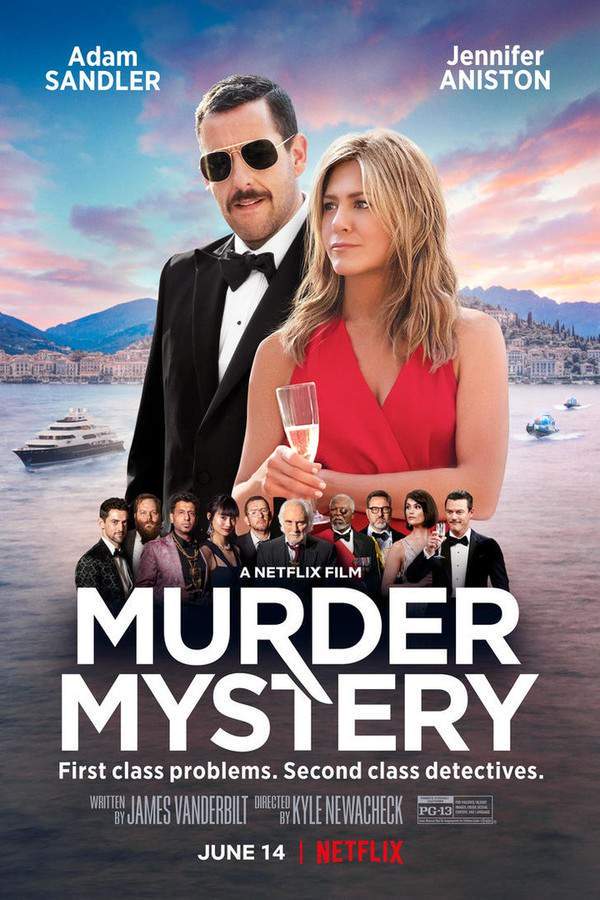
Movies about competitive professions like Who Is Killing the Great Chefs of Europe?

Stories set in glamorous, competitive professions where passion turns into obsession. Fans of the glamorous and competitive culinary world in Who Is Killing the Great Chefs of Europe? will enjoy these similar movies. These stories explore obsession and rivalry within other specialized professions, blending workplace drama with comedic and romantic elements for a highly entertaining mix.

  • competitive
  • obsessive
  • glamorous
  • professional
  • dramatic
  • romantic
  • Tone: light, dramatic, romantic
  • Pacing: steady
Why these movies?

The story pattern: The narrative centers on a group of highly skilled professionals whose lives are dominated by their craft. An external event, such as a contest or a crisis, disrupts their insulated world, forcing characters to confront their ambitions and relationships. The journey involves navigating the specific rituals and pressures of the profession, leading to personal growth and often a reconciliation of professional and personal desires.

Why they belong together: These films are united by their immersive focus on a particular professional subculture. They share a mix of tones, balancing the genuine drama of high-stakes work with the inherent comedy of oversized egos and peculiar traditions. The appeal lies in the insider's view of a fascinating world and the relatable human conflicts that arise within it.

If you liked this

Movies Like Who Is Killing the Great Chefs of Europe?

Similar movies to Who Is Killing the Great Chefs of Europe?: the same genre, themes or kind of story. Each one comes with its own plot summary, timeline and ending explained.

Browse all movie summaries

Every angle

Who Is Killing the Great Chefs of Europe? (1978) Explained: Plot, Timeline & Characters

Everything about Who Is Killing the Great Chefs of Europe? in one place: what happens in the plot summary, the timeline in chronological order, the characters and meaning and a spoiler-free summary. What's After the Movie adds the cast, box office and post-credit scenes.

Coming soon on iOS and Android

The Plot Explained Movie Summary App

Plot summaries, endings explained and timelines on your phone. Catch up on any movie in minutes, save your favorites and never miss a twist again.

Be the first to know when we launch. Your email stays private, always.

Learn more about the app