Plot Explained Spoilers guaranteed!
Plot Explained

Browse by genre

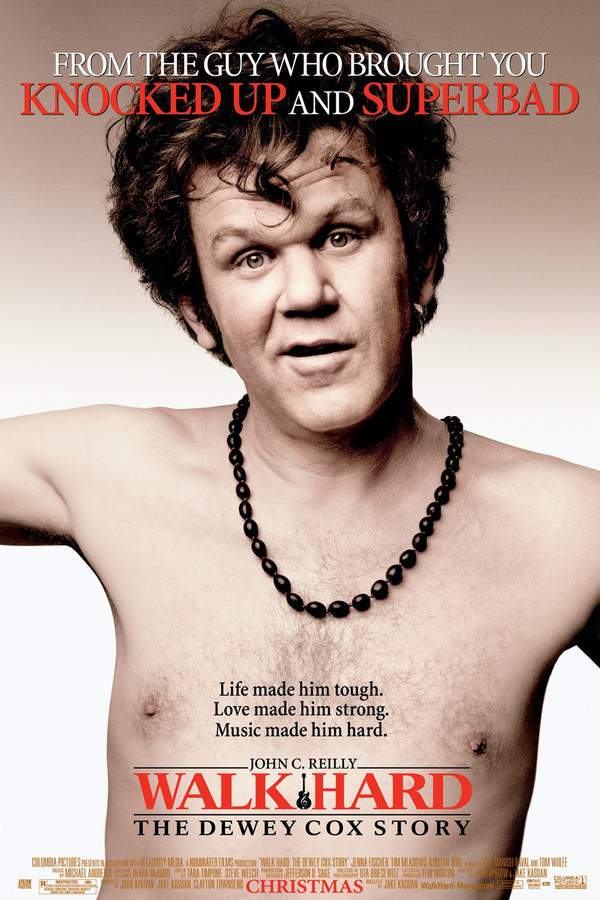
Walk Hard: The Dewey Cox Story (2007) movie poster

Timeline

Walk Hard: The Dewey Cox Story (2007) Timeline Explained – Every Event in Order

Release, runtime and language
2007 · 96 min · English
Loading streaming availability…
Directed by
Jake Kasdan
Starring
John C. Reilly
Budget
$35M

The story follows the rise of a musical icon, detailing his journey through both incredible success and personal struggles. From creating numerous hit songs to battling substance abuse and navigating a chaotic personal life, the narrative explores the highs and lows of fame. Along the way, he forms unexpected friendships, including encounters with Elvis, and experiences a whirlwind of relationships, resulting in multiple marriages and a large family.

On this page (6)
  1. 1 Where to watch
  2. 2 Events in order (15)
  3. 3 Timeline questions answered
  4. 4 Movie threads
  5. 5 Movies like Walk Hard: The Dewey Cox Story
  6. 6 Every angle
Loading streaming availability…

15 events in order · contains spoilers

Walk Hard: The Dewey Cox Story Timeline: Events in Chronological Order

Every key event of Walk Hard: The Dewey Cox Story (2007) in order, scene by scene, with when and where it takes place. Use it to untangle flashbacks, time jumps and parallel storylines, to refresh your memory before the sequel or to find the exact scene you are thinking of.

  1. Tragic Accident

    In 1946, a shocking accident occurred when young Dewey Cox impulsively acted, leading to a tragic incident that left his brother Nate with life-altering disabilities. This incident not only marked a dark turn in Dewey's life but also resulted in his own devastating loss of smell, shaping his future in unexpected ways.

    When
    1946
    Where
    Springberry, Alabama
  2. Discovery of Blues Music

    Following the trauma of the accident, Dewey Cox encountered a seasoned blues guitarist who recognized his emotional pain and musical potential. This fortuitous meeting ignited Dewey's passion for blues music, setting him on a path that would forever alter his life and career.

  3. First Performance

    By 1953, Dewey had started to make a name for himself in music when he performed a heartfelt rendition of 'Take My Hand' at a school talent show. His performance captivated the audience, marking the beginning of his journey towards fame despite challenges at home.

    When
    1953
  4. Family Conflict

    Dewey's musical aspirations led to a rift with his father, who openly disapproved of his dreams. As a result, Dewey was cast out of his home, forcing him to pursue his ambitions independently and find his place in the music world.

  5. Marriage to Edith

    Amidst turmoil and seeking solace, Dewey hastily married his young sweetheart, Edith. Their union quickly blossomed into joy with the arrival of their first child, but the challenges of Dewey's career would soon strain their relationship.

  6. Breakthrough in Music

    Performing at an all-African American nightclub, Dewey honed his musical skills further after stepping in for Bobby Shad. His undeniable talent caught the eye of L'Chaim, a Hasidic Jewish record executive, who recognized Dewey's potential in the competitive music industry.

  7. Writing 'Walk Hard'

    After facing harsh criticism for his unique rockabilly rendition of 'That's Amore,' Dewey poured his heartbreak into writing 'Walk Hard.' This deeply personal song, inspired by a conversation with Edith, resonated with audiences and marked the start of his rise to stardom.

  8. Rising Fame

    'Walk Hard' propelled Dewey into the spotlight, leading him to open for legendary musicians like Elvis Presley and Buddy Holly. However, with fame came the dangers of excess, as Dewey's newfound success began to unravel his personal life.

    When
    1960s
  9. Descent into Addiction

    The introduction to marijuana through drummer Sam marked the beginning of Dewey's downward spiral into addiction. This choice conflicted with his commitment to Edith and triggered a series of unfortunate events that complicated his personal and professional life.

  10. Mother's Death

    In a heartbreaking moment, Dewey's father brought news of his mother's passing during a dance to one of Dewey's songs. The loss overwhelmed Dewey with guilt, amplifying his struggle with addiction as he mourned the loss and sought solace in music.

  11. Introduction to Cocaine

    Turning to Sam for comfort after his mother's death, Dewey was further introduced to the world of cocaine. This new addiction led to chaotic performances and a gradual disintegration of his personal relationships, illustrating the dangers of fame and indulgence.

  12. Love Affairs and Marriages

    Dewey's romantic life became convoluted as he married choir girl Darlene while still legally tied to Edith. Both women eventually left him, culminating in a series of personal crises that pushed Dewey to confront his choices and seek redemption.

  13. Psychedelic Inspirations

    During the 1960s, while grappling with the counterculture in Berkeley, Dewey found inspiration in Bob Dylan's work. A psychedelic journey with The Beatles further blurred the lines between reality and fantasy, leading him to create ambitious works that alienated those closest to him.

    When
    1960s
    Where
    Berkeley, California
  14. Ghostly Intervention

    Just as Dewey was sinking into despair, he encountered the ghost of his brother Nate, who reminded him of his artistic responsibilities. This haunting intervention served as a pivotal moment, challenging Dewey to emerge from self-pity and reclaim his voice as a musician.

  15. Final Comeback

    Years later, Dewey became a successful television personality while grappling with unresolved personal issues. Ultimately, he reconciled with his family, remarried Darlene, and found new artistic inspiration, leading to a triumphant final performance that encapsulated his journey and experiences.

    When
    1970s

Last updated: November 22, 2024 at 13:49

Was this helpful?

Timeline questions answered

Walk Hard: The Dewey Cox Story Timeline Explained: Your Questions Answered

When does it happen, and why in that order? The questions people ask about the chronology of Walk Hard: The Dewey Cox Story (2007): time jumps, flashbacks, cause and effect between scenes and the correct order of events, each answered with spoilers.

Q1

Why did Dewey Cox lose his sense of smell?

Dewey lost his smell after a traumatic childhood accident in 1946. While playing with his brother Nate in Springberry, Alabama, young Dewey impulsively acted in a way that caused an explosion or accident, which left Nate with permanent disabilities and Dewey with the permanent loss of his sense of smell. This devastating event, however, unexpectedly awakened his musical talent when he later met a blues guitarist who recognized his emotional pain.

  • dewey cox
  • smell
  • childhood accident
  • nate
  • springberry
Q2

How did the song "Walk Hard" become a hit?

After recording a rockabilly version of "That's Amore" that received harsh criticism from a music industry insider, Dewey was heartbroken. He poured his emotions into writing "Walk Hard," a deeply personal song inspired by a heartfelt conversation with his wife Edith. The record executive L'Chaim was moved by the song and decided to release it, which launched Dewey into stardom.

Foreshadowing: The song's themes of struggle and authenticity directly reflected the emotional conversation Dewey had with Edith earlier.

  • walk hard
  • song
  • hit
  • edith
  • l'chaim
  • music career
Q3

Why did Dewey Cox start using drugs?

Dewey's descent into drug use began when drummer Sam introduced him to marijuana, which marked the first fracture in his commitment to his wife Edith. After his mother died and his father delivered the devastating news while Dewey was dancing, he turned to Sam for comfort. It was during this vulnerable period that Sam introduced him to cocaine, leading to a chaotic punk rock performance and a further spiral into addiction.

Foreshadowing: Sam's introduction of marijuana early in Dewey's career planted the seeds for his later cocaine addiction.

  • dewey cox
  • drugs
  • marijuana
  • cocaine
  • sam
  • addiction
Q4

What was the ghost of Nate in the film?

The ghost of Dewey's brother Nate appeared during his lowest point, when he was consumed with self-pity after his band dissolved and Darlene left him for Glen Campbell. Nate delivered a stern wake-up call, challenging Dewey to stop feeling sorry for himself and reminding him of his artistic responsibilities. This ghostly intervention became the pivotal turning point that inspired Dewey to reclaim his voice as a musician.

  • nate
  • ghost
  • brother
  • self-pity
  • artistic voice
  • turning point
Q5

Why did Dewey Cox have a machete duel with his father?

After becoming a successful television host in the 1970s, Dewey finally confronted his estranged father under the guidance of his brother Nate. The confrontation escalated into an outrageous machete duel between father and son. However, this violent encounter led to heartfelt forgiveness, and Dewey's father offered him vital parental wisdom, marking a crucial moment of reconciliation in their relationship.

  • father
  • machete
  • duel
  • reconciliation
  • forgiveness
  • 1970s
Q6

Why did Dewey marry Darlene while still married to Edith?

Dewey's romantic life became increasingly complicated when he met choir girl Darlene Madison and they collaborated on a series of sultry hits. Despite still being legally married to Edith, Dewey married Darlene, creating a polygamous situation. Eventually, both women left him, Edith due to his infidelity and Darlene after his descent into addiction and erratic behavior, leaving Dewey to face the consequences of his choices.

  • darlene
  • edith
  • marriage
  • affair
  • divorce
  • relationships
Q7

How did Dewey create his final song "Beautiful Ride"?

After reconciling with his family, remarrying Darlene, and finding renewed purpose, Dewey was inspired to create his magnum opus. The Grammy-winning rapper Lil' Nutzzak had sampled "Walk Hard," bringing Dewey's music to a new generation and earning him a lifetime achievement award. This recognition, combined with his reunion with his band and his choice of family over past temptations, culminated in the creation of "Beautiful Ride," a final masterpiece that encapsulated his life's journey.

Foreshadowing: The ghost of Nate's earlier intervention had set the foundation for this creative resurgence.

  • beautiful ride
  • final song
  • comeback
  • family
  • Grammy
  • lil nutzzak
Q8

What did the ending dates 1936-2007 mean in the movie?

The ending revealed that Dewey Cox was born in 1936 and died in 2007, making him 71 years old at the time of his death. The film concluded with his obituary showing "1936-2007" as Dewford Randolph Cox, followed by a post-credits scene showing "the actual Dewey Cox" in a nostalgic black-and-white clip from April 16, 2002, adding a bittersweet meta-commentary to the story.

  • obituary
  • death
  • 1936
  • 2007
  • ending
  • dewford randolph cox
Q9

Why did Dewey's father disapprove of his musical career?

Dewey's father represented traditional values and was disdainful of his son's musical dreams. When Dewey performed "Take My Hand" at the 1953 school talent show and his fame began to grow, his father explicitly disapproved and cast him out of the home. This forced Dewey to pursue his ambitions independently, though his father's disapproval created lasting tension throughout Dewey's journey.

  • father
  • disapprove
  • music career
  • springberry
  • family conflict
Q10

Why did Dewey Cox move to Berkeley during the 1960s?

Dewey moved to Berkeley, California during the 1960s to immerse himself in the counterculture movement and find new artistic inspiration. While there, he became heavily influenced by Bob Dylan's work and underwent a psychedelic journey with The Beatles that blurred the lines between fantasy and reality. This period inspired him to create his ambitious magnum opus, *Black Sheep*, a tribute to Brian Wilson's *Smile*, though his intense focus during this project ultimately pushed his bandmates away.

  • berkeley
  • 1960s
  • counterculture
  • bob dylan
  • beatles
  • black sheep
  • brian wilson

Movie threads

More Movies Like Walk Hard: The Dewey Cox Story, by Mood & Story

Curated lists built around what makes Walk Hard: The Dewey Cox Story tick: the same mood, the same kind of story or the same emotional payoff. Each list explains why these movies belong together.

Parody Biopics like Walk Hard: The Dewey Cox Story

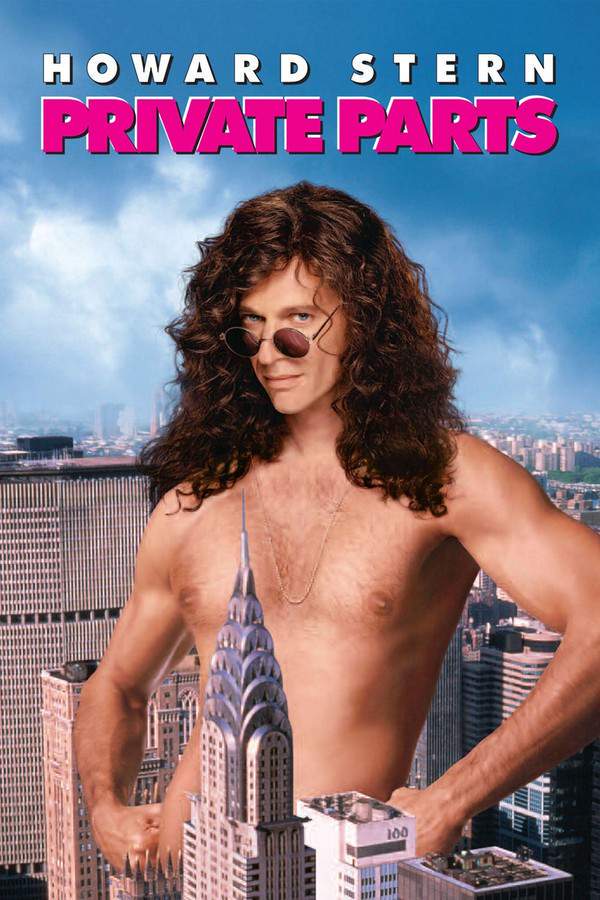
Films that lovingly mock the well-worn tropes of the biographical drama. If you enjoyed the satirical take on musician biopics in Walk Hard, you'll find similar hilarious deconstructions here. This section features movies like This Is Spinal Tap and Popstar: Never Stop Never Stopping that comically skewer the clichés of fame, creative genius, and dramatic life stories.

  • satirical
  • irreverent
  • meta
  • playful
  • celebratory
  • absurd
  • Tone: light, irreverent
  • Pacing: fast, energetic
Why these movies?

The story pattern: Stories in this thread typically follow a condensed, exaggerated version of a famous person's life, hitting all the familiar beats—humble beginnings, rapid success, personal vices, tumultuous relationships, and a triumphant comeback—but with every moment amplified for comedic effect. The narrative structure is often linear, sprinting through decades to parody different eras and styles.

Why they belong together: These movies are grouped by their shared goal of satirizing biographical dramas. They use a light tone, fast pacing, and meta-humor to create a cohesive viewing experience for anyone looking for a clever, laugh-out-loud alternative to serious Oscar-bait biopics.
Movies with Chaotic Humor and Heart like Walk Hard: The Dewey Cox Story

Absurd comedies that balance ridiculous chaos with moments of genuine feeling. Fans of Walk Hard's blend of ridiculous jokes and bittersweet moments will enjoy these films. Discover similar movies like Anchorman or Step Brothers that deliver fast-paced, absurd comedy while weaving in unexpected sincerity about friendship, family, or personal growth.

  • chaotic
  • absurd
  • playful
  • bittersweet
  • sincere
  • nostalgic
  • Tone: light, bittersweet
  • Pacing: fast, chaotic
Why these movies?

The story pattern: The narrative journey in these films is often a series of escalating comedic set pieces and misunderstandings, driven by larger-than-life characters. The plot serves the humor, but within the chaos, there are pivotal scenes that reveal the characters' vulnerabilities or desires, providing a grounding contrast to the absurdity and leading to a resolution that feels earned, even if it's still funny.

Why they belong together: These films are united by their unique tonal balance. They share a fast, chaotic pacing and a primarily light tone, but they distinguish themselves by incorporating medium emotional weight and bittersweet notes, creating a more memorable and layered comedic experience than pure gag-fests.

If you liked this

Movies Like Walk Hard: The Dewey Cox Story

Similar movies to Walk Hard: The Dewey Cox Story: the same genre, themes or kind of story. Each one comes with its own plot summary, timeline and ending explained.

Browse all movie summaries

Every angle

Walk Hard: The Dewey Cox Story (2007) Explained: Plot, Timeline & Characters

Everything about Walk Hard: The Dewey Cox Story in one place: what happens in the plot summary, the timeline in chronological order, the characters and meaning and a spoiler-free summary. What's After the Movie adds the cast, box office and post-credit scenes.

Coming soon on iOS and Android

The Plot Explained Movie Summary App

Plot summaries, endings explained and timelines on your phone. Catch up on any movie in minutes, save your favorites and never miss a twist again.

Be the first to know when we launch. Your email stays private, always.

Learn more about the app