Plot Explained Spoilers guaranteed!
Plot Explained

Browse by genre

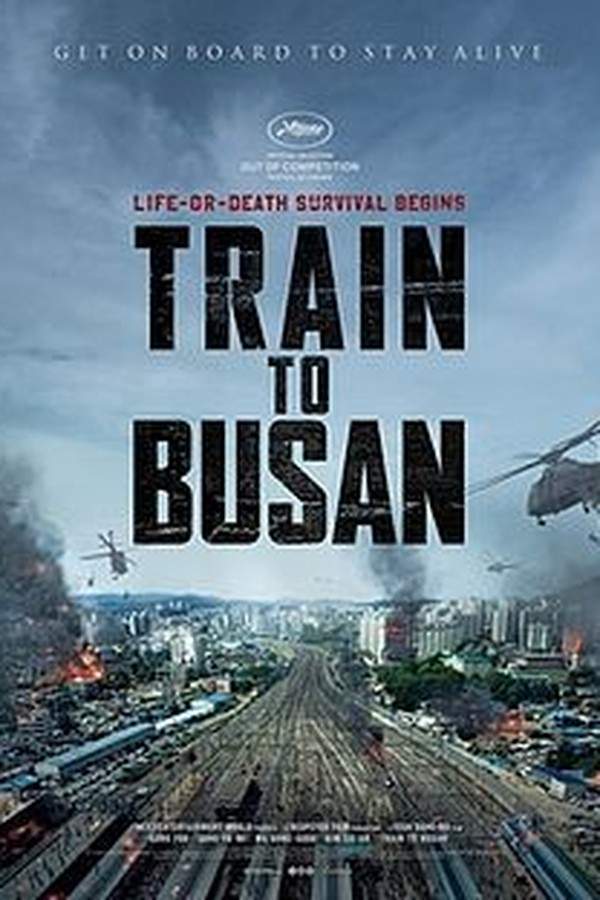
Train to Busan (2016) movie poster

Characters & Themes

Train to Busan (2016) Characters, Setting & Themes Explained

Release, runtime and language
2016 · 118 min · Korean
Loading streaming availability…
Directed by
Sang-ho Yeon

During a zombie outbreak in South Korea, a father, his daughter, and several other passengers find themselves trapped on a high-speed train to Busan. As the undead overrun the country, they must fight for survival against increasingly aggressive hordes of infected passengers. Facing danger at every turn, the group struggles to protect themselves and find a way to escape the rapidly escalating crisis.

On this page (9)
  1. 1 Where to watch
  2. 2 Characters explained (4)
  3. 3 Where & when it takes place
  4. 4 Themes & meaning (3)
  5. 5 Character & meaning questions
  6. 6 Movie threads
  7. 7 Movies like Train to Busan
  8. 8 Categories
  9. 9 Every angle
Loading streaming availability…

4 main characters · contains spoilers

Train to Busan Characters Explained: Who Is Who

The main characters of Train to Busan (2016), heroes and villains: what drives them, how they change over the course of the story and what each of them reveals about the film's bigger ideas.

  • Seok-Woo

    A dedicated fund manager, Seok-Woo often prioritizes work over family, but his love for his daughter drives him to protect her during the outbreak. His character undergoes significant transformation as he learns to embrace his paternal instincts, showcasing both vulnerability and bravery as chaos unfolds.

    • 👨‍👧 Fatherhood
    • 💼 Professionalism
    • ⚔️ Heroism
  • Su-an

    Su-an is Seok-Woo's young daughter who yearns for her mother's presence. Her innocence and bravery emerge throughout their harrowing journey, as she becomes a symbol of hope and resilience amidst the surrounding horror. Her singing serves as a poignant reminder of love and connection.

    • 👧 Innocence
    • 🎤 Music
    • ❤️ Love
  • Yon-suk

    The self-centered CEO who embodies selfishness during the outbreak. Throughout the film, he manipulates others to ensure his own survival, illustrating the theme of betrayal. His character serves as a foil to Seok-Woo, showcasing contrasting responses to crisis and morality.

    • 💼 Greed
    • 😠 Antagonism
    • 🦹‍♂️ Deceit
  • Seong-kyeong

    A pregnant woman who demonstrates resourcefulness and strength in dire circumstances. She quickly adapts to the chaotic environment, using her intellect to help devise survival strategies and protect her family. Her character adds depth to the desperate group dynamics.

    • 🤰 Strength
    • 🧠 Intelligence
    • ❤️ Family

Last updated: October 22, 2024 at 20:30

Was this helpful?

Setting

Where and When Does Train to Busan Take Place?

The setting of Train to Busan (2016): the year and time period, the places and locations, and how they shape the characters, the mood and the tension of the story.

Time period

The film does not specify a particular historical time frame but is set in a contemporary context, highlighting modern society's reliance on technology, rapid transit systems, and the implications of public health crises. The urgency and chaos depicted echo potential real-world scenarios influenced by current events related to pandemics and urban vulnerabilities.

Location

Seoul, Busan, Daegu, toll booth

The events unfold across key locations in South Korea, starting from the bustling city of Seoul, known for its vibrant culture and rapid urbanization. The journey leads to Busan, a major port city famous for its stunning beaches and rich maritime history. Daegu serves as a pivotal stop, where the group faces zombie hordes and makes critical survival decisions. The toll booth represents the initial fear and tension as the virus begins to spread.

  • 🚄 Train
  • 🏙️ City
  • 🏥 Hospital

Last updated: October 22, 2024 at 20:30

Was this helpful?

3 major themes

Train to Busan Meaning: Themes & Message Explained

What is Train to Busan (2016) really about? The emotional, social and philosophical themes the film keeps returning to, its symbolism and the message beneath the surface.

  • Survival

    Survival serves as a central theme in 'Train to Busan' as characters face extreme measures to protect their loved ones amidst a catastrophic outbreak. The struggle against the infected symbolizes broader themes of resilience and the human will to survive. The choices made under pressure reveal the darker and lighter aspects of humanity.

  • Sacrifice

    Sacrifice is poignantly portrayed through various character arcs, particularly through Seok-woo's ultimate decision to protect his daughter at a great personal cost. The film emphasizes how love can inspire selfless acts, even in the face of overwhelming despair. This theme resonates deeply as the characters navigate moral dilemmas amid chaos.

  • Community

    The film highlights the importance of community and human connection during crises. As passengers band together for survival, it reflects the strength found in unity against common threats. The interactions and relationships among characters depict the essential role of solidarity in overcoming challenges.

Last updated: October 22, 2024 at 20:30

Was this helpful?

Character & theme questions

Train to Busan Characters & Meaning: Your Questions Answered

The questions people ask about Train to Busan (2016): who the characters really are, their relationships, what the symbols mean, where it takes place and what the movie is really about. Each answer contains spoilers.

Q1

Where is Train to Busan set?

The movie takes place primarily on a high-speed train traveling from Seoul to Busan, both major cities in South Korea. The story also briefly shows Seoul before the outbreak begins and includes a stop in Daegu, which becomes a dangerous hotspot for zombie hordes.

  • seoul
  • busan
  • daegu
  • setting
  • south korea
  • train
Q2

What cities does the train pass through?

The KTX train journey begins in Seoul and travels south through Daegu before ultimately reaching Busan. Daegu serves as a pivotal location where the group encounters massive zombie hordes and must make critical survival decisions.

  • ktx train
  • route
  • cities
  • journey
Q3

When is Train to Busan set?

The film is set in contemporary times with no specific historical year mentioned. It reflects modern South Korean society with its advanced technology, rapid transit systems, and urban vulnerabilities that mirror real-world pandemic scenarios.

  • contemporary
  • modern
  • time period
  • year
Q4

What are the main themes in Train to Busan?

The three central themes are survival, sacrifice, and community. Survival drives the characters to fight for their lives against infected passengers. Sacrifice is portrayed through acts of selflessness, particularly from Seok-Woo. Community reflects how passengers must band together despite their differences to overcome the crisis.

  • themes
  • survival
  • sacrifice
  • community
  • meaning
Q5

How does sacrifice factor into Train to Busan?

Sacrifice is a powerful theme embodied most prominently by Seok-Woo, who ultimately gives his life to protect his daughter and the pregnant woman Seong-kyeong. The film shows how love can inspire selfless acts even in overwhelming despair, with several characters making difficult choices that highlight moral dilemmas during the outbreak.

  • sacrifice
  • Seok-Woo
  • death
  • selfless acts
Q6

What does the community theme represent in the movie?

The community theme illustrates how human connection becomes essential during crises. As passengers band together for survival, the film reflects the strength found in unity against common threats. This contrasts with individualistic behavior, showing how solidarity can help people overcome seemingly impossible challenges.

  • community
  • unity
  • solidarity
  • teamwork
  • passengers
Q7

Who is the main protagonist in Train to Busan?

Seok-Woo is the main protagonist, a dedicated fund manager who initially prioritizes work over family. His journey transforms him from a distant father into a protective parent who learns to embrace his paternal instincts as he fights to keep his daughter Su-an alive during the zombie outbreak.

  • Seok-Woo
  • protagonist
  • father
  • main character
Q8

What role does Seok-Woo play in the story?

Seok-Woo serves as the emotional core of the film. A work-focused father accompanying his daughter to Busan to reunite with her mother, he undergoes significant character development from vulnerability to bravery. His choices under pressure reveal both the darker and lighter aspects of humanity.

  • Seok-Woo
  • father
  • character arc
  • transformation
Q9

Who is Yon-suk and what does he represent?

Yon-suk is a selfish CEO who manipulates others to ensure his own survival throughout the outbreak. He serves as a moral foil to Seok-Woo, showcasing contrasting responses to crisis. His character embodies betrayal and the theme that crisis can reveal the worst in some people.

  • Yon-suk
  • CEO
  • selfish
  • antagonist
  • betrayal
Q10

Who is Seong-kyeong and why is she important?

Seong-kyeong is a pregnant woman who demonstrates remarkable resourcefulness and strength throughout the crisis. She adapts quickly to the chaotic environment and helps devise survival strategies. Her character represents hope and the will to protect future life, making her symbolically important to the story's emotional arc.

  • Seong-kyeong
  • pregnant woman
  • resourcefulness
  • hope
Q11

Why is the train setting significant?

The high-speed KTX train creates a claustrophobic, contained environment that amplifies tension and fear. The train's limited space forces characters into close proximity with the infected, making escape nearly impossible. The journey motif also symbolizes a path from safety to danger and ultimately toward hope at Busan.

  • train
  • KTX
  • setting
  • claustrophobic
  • containment
Q12

What role does Su-an play in the film?

Su-an is Seok-Woo's young daughter who yearns for her mother's presence. Her innocence and bravery emerge throughout the journey, serving as a symbol of hope and resilience amid horror. Her act of singing on the train becomes a poignant reminder of love and connection even in the darkest moments.

  • Su-an
  • daughter
  • innocence
  • hope
  • singing

Movie threads

More Movies Like Train to Busan, by Mood & Story

Curated lists built around what makes Train to Busan tick: the same mood, the same kind of story or the same emotional payoff. Each list explains why these movies belong together.

Claustrophobic Survival Thrillers like Train to Busan

Tense battles for survival set in confined, high-pressure environments. If you liked the high-stakes, confined setting of Train to Busan, explore more movies like it. This list features similar action, thriller, and horror stories where characters fight for survival in tight spaces against overwhelming threats, creating a tense, desperate, and gripping viewing experience.

  • claustrophobic
  • anxious
  • desperate
  • gripping
  • action-packed
  • high-stakes
  • Tone: tense, desperate
  • Pacing: fast, relentless
Why these movies?

The story pattern: These stories follow a straightforward, fast-paced survival plot where a group is isolated in a confined location by a sudden, aggressive threat. The narrative focuses on the immediate practical and moral challenges of enduring the crisis, often leading to sacrifices and a focus on human resilience over complex plotting.

Why they belong together: Movies are grouped here for their shared high-intensity, desperate mood, fast pacing, and the unique tension generated by a claustrophobic setting. They deliver a consistently anxious and gripping experience centered on primal survival instincts.

Bittersweet Apocalyptic Journeys like Train to Busan

Stories where profound loss is balanced by a fragile glimmer of hope. For viewers who appreciated the emotional weight and bittersweet ending of Train to Busan. These movies feature similar stories of survival during a catastrophic event, where heavy themes of sacrifice and human connection lead to an ending that is both heartbreaking and hopeful.

  • heart-wrenching
  • hopeful
  • desperate
  • gripping
  • emotional
  • sacrifice
  • Tone: heart-wrenching, hopeful
  • Pacing: fast, emotionally driven
Why these movies?

The story pattern: The narrative pattern involves a group navigating a world-ending catastrophe, where selfishness clashes with selflessness. The journey is emotionally taxing, often culminating in a major sacrifice that ensures the survival of a few, resulting in an ending that is sad yet infused with a sense of purpose and continued hope.

Why they belong together: These films share a heavy emotional weight, a bittersweet ending feel, and a central theme of sacrifice for a greater good. They balance intense action and horror with a deep, heart-wrenching emotional core that leaves a lasting impact.

If you liked this

Movies Like Train to Busan

Similar movies to Train to Busan: the same genre, themes or kind of story. Each one comes with its own plot summary, timeline and ending explained.

Browse all movie summaries

Categories

Movie Lists Featuring Train to Busan

Train to Busan appears in these hand-built movie categories. Each one groups movies by a specific mood, theme or story type, with their plot summaries and endings explained.

View all movie categories

Every angle

Train to Busan (2016) Explained: Plot, Ending, Timeline & Characters

Everything about Train to Busan in one place: what happens in the plot summary, the timeline in chronological order, the characters and meaning, the ending explained and a spoiler-free summary. What's After the Movie adds the cast, box office and post-credit scenes.

Coming soon on iOS and Android

The Plot Explained Movie Summary App

Plot summaries, endings explained and timelines on your phone. Catch up on any movie in minutes, save your favorites and never miss a twist again.

Be the first to know when we launch. Your email stays private, always.

Learn more about the app