Plot Explained Spoilers guaranteed!
Plot Explained

Browse by genre

The Lark (1964) movie poster

Plot Summary

The Lark (1964) Plot Summary Explained

Release, runtime and language
1964 · 91 mins · Russian
Directed by
Leonid Menaker, Nikita Kurikhin
Starring
Tõnu Aav, Gunars Placens, Mikhail Vasilyev, Vladimir Petrov, Vyacheslav Gurenkov, Gunnar Kilgas

Captured Russian POWs seize a tank and launch a daring cross‑country chase of the Nazis. They give the Germans their tanks for target practice with a new anti‑tank weapon, then unleash chaos, toppling monuments before reaching female forced‑laborers. Their bold mission shows cunning as they turn the battlefield into a deadly cat‑and‑mouse game.

On this page (5)
  1. 1 What happens: full plot
  2. 2 Plot questions answered
  3. 3 Movie threads
  4. 4 Movies like The Lark
  5. 5 Every angle

Full plot summary · contains spoilers

What Happens in The Lark: Full Plot Summary

The whole story of The Lark (1964) explained, from the opening scene to the final frame: every key event, every twist and what it all adds up to. Read it as a quick recap before the sequel, to check a scene you missed, or to finally understand what really happened.

The opening sequence states that the film is based on true events. Set deep within Nazi Germany on June 22, 1942, the story follows the grim use of captured Soviet tanks as live targets for testing anti-tank weapons. These "death crews" consist of Soviet prisoners of war and civilians from concentration camps, forced to fight and die in brutal experiments. The film chronicles the escape of one such tank crew led by Ivan, a skilled mechanic and driver, who, along with two other Red Army soldiers and a fighter from the French Resistance—Jean Peugeot—breaks through enemy lines in a T-34 tank. Along their route, they rescue Soviet women forced into labor, disrupt a German town, raid supplies, and destroy a monument to a Teutonic knight, shaking the town’s sense of victory and safety.

As the crew fights through enemy territory, they suffer losses: the French fighter is killed by a bomb, and Alyosha and Pyotr die after leaving the tank during an attack. In a final act of defiance and humanity, Ivan saves a young German boy crossing the road but is shot dead by German forces moments later.

Last updated: March 05, 2026 at 18:40

Was this helpful?

Plot questions answered

The Lark Plot Explained: Your Questions Answered

The questions people ask most about The Lark (1964): what happens in the confusing scenes, why the characters do what they do, the twists, hidden details and what the ending means. Each answer contains spoilers.

Q1

Why were Soviet prisoners used as death crews in the film?

The film depicts the real historical practice where Nazi forces used captured Soviet tanks as live targets for testing anti-tank weapons. The crews were comprised of Soviet prisoners of war and civilians from concentration camps, forced into these suicidal missions as disposable tools for German weapon testing. This establishes the brutal context of the escape: Ivan and his crew were initially part of these doomed units before managing to break free.

  • soviet prisoners
  • death crews
  • concentration camps
  • anti-tank weapons
  • pows
Q2

How did Ivan and his crew escape in the T-34 tank?

Ivan, a skilled mechanic and driver, led three Red Army soldiers and a French Resistance fighter named Jean Peugeot in seizing a T-34 tank and breaking through enemy lines. Their escape marked the beginning of a dangerous cross-country journey through Nazi-occupied Europe, using the tank both as their primary means of transportation and as a weapon against German forces.

  • ivan
  • t-34 tank
  • escape
  • prisoner of war
  • breakthrough
Q3

Why did the tank crew destroy the monument to the Teutonic Knight?

The destruction of the Teutonic Knight monument was a symbolic strike against German imperialism and historical claims of domination. The Teutonic Order represented medieval German expansion into Eastern Europe, and destroying the monument served as a defiant political statement that resistance against occupation endures, even in the heart of Nazi Germany.

  • teutonic knight
  • monument destruction
  • symbolic act
  • german occupation
Q4

What happened to the French Resistance fighter Jean Peugeot?

Jean Peugeot, the French Resistance fighter who joined the crew, was killed by a bomb during their journey. His death removed a key team member and created a symbolic void, as his involvement represented the broader Allied resistance against Nazi occupation beyond just the Soviet front.

  • jean peugeot
  • french resistance
  • death
  • bombing
  • killed
Q5

Why did Alyosha and Pyotr die after leaving the tank?

During a German attack, two crew members, Alyosha and Pyotr, exited the tank and were killed in the process. Their deaths occurred when they left the relative safety of the T-34 during combat, illustrating how even minor decisions to abandon the tank's protection could prove fatal in the midst of battlefield chaos.

  • alyosha
  • pyotr
  • death
  • tank
  • combat attack
Q6

Why did Ivan save a German boy during the escape?

In one of the film's most poignant moments, Ivan swerved to avoid hitting a young German boy crossing the road, demonstrating that humanity can persist even in the midst of war. This act revealed Ivan's compassion as an individual rather than seeing enemies only as faceless combatants, embodying the film's theme that mercy transcends national boundaries during conflict.

  • ivan
  • german boy
  • humanity
  • compassion
  • mercy
Q7

Why was Ivan shot dead immediately after saving the boy?

Seconds after Ivan saved the young German boy from being run over, German forces shot him dead on the roadside. This tragic sequence underscores the harsh reality that acts of mercy did not protect soldiers from enemy fire, and that Ivan's compassionate decision came at the ultimate cost, his life.

  • ivan
  • shot dead
  • german forces
  • death
  • tragic ending
Q8

Why did the tank crew rescue Soviet women from forced labor?

During their escape route, the crew freed Soviet women who had been forcibly conscripted into labor by German occupiers. This rescue added a humanitarian dimension to their mission beyond mere survival, demonstrating courage and solidarity with fellow Soviets suffering under Nazi oppression.

  • soviet women
  • forced labor
  • rescue
  • humanitarian act
Q9

How did the tank crew's presence disrupt the German town?

The arrival of the T-34 tank in a German town shattered civilians' sense of victory and normalcy. Their audacious movement through enemy territory created fear and chaos, proving that the war front was not as secure as the Nazi propaganda had suggested. The tank's presence physically and psychologically altered the town's perception of the war's outcome.

  • german town
  • disruption
  • chaos
  • fear
  • psychological impact
Q10

What was the significance of the tank escape mission despite heavy losses?

The mission achieved substantial damage to German logistics through supply raids, destroyed a symbol of Teutonic dominance, rescued forced laborers, and demonstrated that captured Soviet soldiers could still inflict meaningful harm on the enemy. Though Ivan died at the end, the escape represented a powerful act of defiance and hope amid brutal wartime conditions.

  • escape mission
  • significance
  • defiance
  • damage german logistics
  • resistance

Movie threads

More Movies Like The Lark, by Mood & Story

Curated lists built around what makes The Lark tick: the same mood, the same kind of story or the same emotional payoff. Each list explains why these movies belong together.

POW Escape Thrillers like The Lark

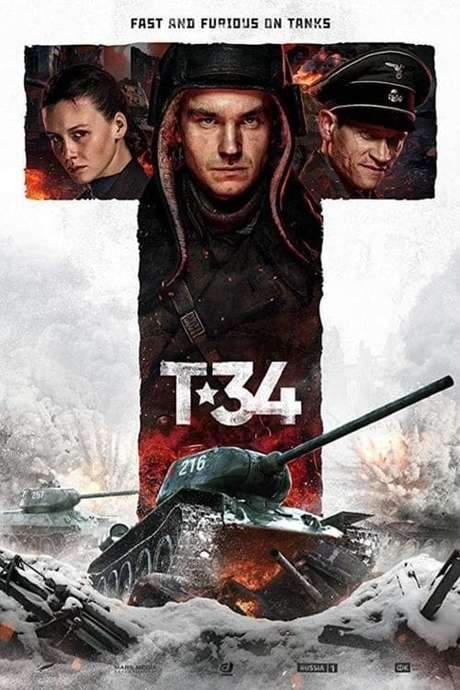
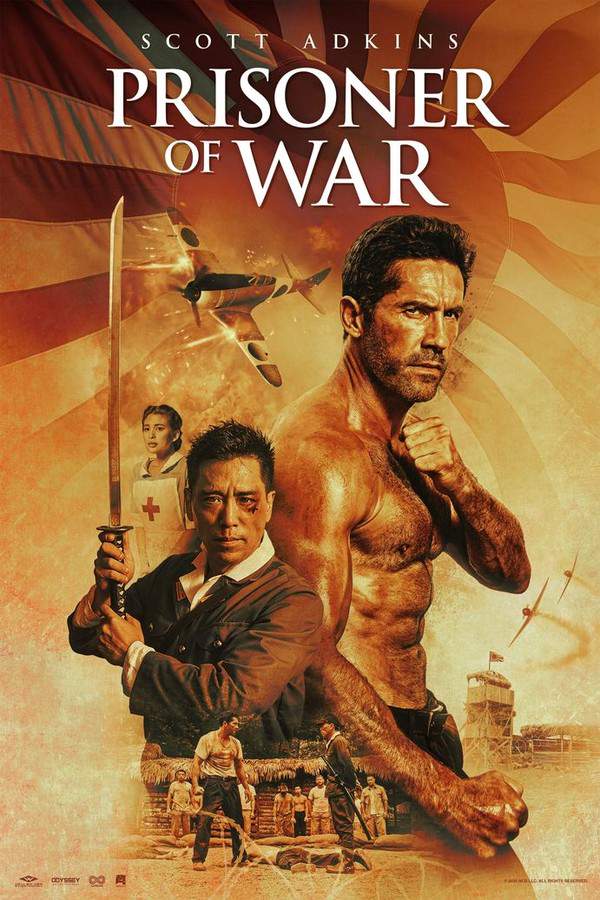
High-stakes breakout missions with tragic, heroic undertones. If you enjoyed the desperate cross-country chase in The Lark, you'll find similar tension in these movies about prisoners of war and resistance fighters. These films share a high-intensity, fast-paced narrative focused on a daring escape mission against a powerful enemy, often blending heroic action with heavy emotional stakes.

  • tense
  • desperate
  • gripping
  • heroic
  • urgent
  • oppressive
  • Tone: tense, desperate, defiant
  • Pacing: fast, urgent
Why these movies?

The story pattern: The narrative follows a linear, goal-oriented structure: capture, planning, execution, and the harrowing journey to freedom. Conflicts are direct and external, pitting the ingenuity and desperation of the protagonists against the systemic power of their captors. The journey is marked by sacrifice, narrow escapes, and a focus on survival above all else.

Why they belong together: These movies are grouped together because they create a specific, gripping experience defined by constant life-or-death stakes, a tense cat-and-mouse dynamic, and a bleak setting. The shared elements of imprisonment, defiance, and a physically grueling mission create a cohesive vibe of defiant hope in the face of utter hopelessness.
Wartime Stories with Bittersweet Endings like The Lark

Victories achieved at a profound personal cost. Fans of The Lark's poignant conclusion, where a mission succeeds but a hero falls, will appreciate these films. They explore similar themes of costly victory, where the success of a daring mission is shadowed by personal tragedy and the grim reality of war, creating a deeply resonant emotional experience.

  • heroic
  • tragic
  • bittersweet
  • gripping
  • solemn
  • urgent
  • Tone: bittersweet, tragic, heroic
  • Pacing: fast-paced, driving
Why these movies?

The story pattern: The narrative arc follows a mission or goal that is ultimately accomplished, but the climax reveals a major sacrifice, often the death of a key protagonist. The ending delivers a powerful emotional contrast: the satisfaction of a goal achieved is undercut by the grief of loss, forcing a reflection on the true cost of conflict.

Why they belong together: These films are linked by their shared emotional journey, which balances acts of incredible courage and success with the sobering weight of mortality and sacrifice. The consistent pacing is fast and tense, leading to an ending that is not purely tragic, but one where hope and sorrow are inextricably linked.

If you liked this

Movies Like The Lark

Similar movies to The Lark: the same genre, themes or kind of story. Each one comes with its own plot summary, timeline and ending explained.

Browse all movie summaries

Every angle

The Lark (1964) Explained: Plot, Timeline & Characters

Everything about The Lark in one place: what happens in the plot summary, the timeline in chronological order, the characters and meaning and a spoiler-free summary. What's After the Movie adds the cast, box office and post-credit scenes.

Coming soon on iOS and Android

The Plot Explained Movie Summary App

Plot summaries, endings explained and timelines on your phone. Catch up on any movie in minutes, save your favorites and never miss a twist again.

Be the first to know when we launch. Your email stays private, always.

Learn more about the app