
The Miracle of Our Lady of Fatima
Year: 1952
Runtime: 102 mins
Language: English
Director: John Brahm
Set in 1917 Portugal, three shepherd children from Fatima see visions of a luminous lady in a cloud. Amid an anticlerical regime trying to suppress the Church, they hold fast to her message of peace and hope. Their testimony ends with a spectacular miracle witnessed by thousands, confirming the apparition. The film recounts historic events.
Warning: spoilers below!
Haven’t seen The Miracle of Our Lady of Fatima yet? This summary contains major spoilers. Bookmark the page, watch the movie, and come back for the full breakdown. If you're ready, scroll on and relive the story!
The Miracle of Our Lady of Fatima (1952) – Full Plot Summary & Ending Explained
Read the complete plot breakdown of The Miracle of Our Lady of Fatima (1952), including all key story events, major twists, and the ending explained in detail. Discover what really happened—and what it all means.
In 1917, Portugal bears the aftershocks of a revolutionary upheaval and a rising wave of anti-religious sentiment. The monarchy has fallen, the government is unstable, and churches across the country are shut or shuttered. Yet the rural town of Fatima remains a quiet bastion of faith: its church stays open, and most locals stay devout despite the surrounding turmoil.
In Fatima, three children—Lúcia Santos Susan Whitney, Jacinta Marto Sherry Jackson, and Francisco Marto Sammy Ogg—tend sheep and play near a small tree in a field. One day, while they pause their play and attempt a version of the Rosary by calling out “Hail Mary” without finishing the prayer, a sudden thunderclap and a bright flash unfold before them. What begins as a stormy moment turns into something extraordinary: a radiant “cloud of light” surrounds the tree, and a gentle, maternal figure appears. This Lady speaks to the children, asking them to return on the 13th of every month and to offer their sufferings for the salvation of sinners, urging them to say the Rosary for world peace.
Their agnostic neighbor, Hugo da Silva [Gilbert Roland], watches with skepticism and urges them not to talk about the visions. Despite his warning, Jacinta quickly tells her family and the town what she has seen, and the news of Fatima’s visions begins to ripple through the community. The children’s credibility is tested from the start: Father Ferreira [Richard Hale], Fatima’s parish priest, voices the fear that the visions could be Satanic, and local authorities react by temporarily closing the church while officials decide how to proceed.
As the months pass, the Lady returns on schedule—first in June, then again in July with warnings of a coming war and a troubling prediction about Russia if it does not convert. The children are pulled into political pressures and danger when Artur Santos, the provincial administrator [Frank Silvera], kidnaps them. He first tries bribery and then intimidation, dragging Jacinta and Francisco away in separate rooms to coerce a denial of their visions. The sight of Jacinta’s fear and the stubborn courage of Lúcia convinces them all that the truth cannot be silenced. In a tense move, Santos reunites the trio, throws them into jail, and makes a show of breaking their spirits—only to find that their faith and resolve inspire others. Hugo remains by their side, helping to rally the prisoners and keep the Rosary alive behind bars.
When the authorities cannot produce any solid evidence against the children, they release them, and Fatima’s townspeople—now gathered en masse—stand outside to witness what has become a living symbol of faith. On October 13, the promised sign arrives: the Lady’s message about the end of World War I seems to be fulfilled as the sun appears to dance and change colors, shining on the crowd in a spectacle many describe as the Miracle of the Sun. The scene unsettles some and reassures others; believers are moved to prayer, healings occur for some, and even the skeptical are forced to witness something beyond ordinary explanation. Among the onlookers, Hugo removes his hat and murmurs, “Only the fool sayeth there is no God.”
Only the fool sayeth there is no God.
The film closes with a period piece epilogue set around 1951, showing the vast basilica that has risen where the sacred tree once stood and a multitude of pilgrims paying tribute to Our Lady of Fatima. Inside the new basilica, Lúcia—now a nun—prays at the tomb of her cousins, with Hugo [Gilbert Roland] by her side, having found faith and transformation through the events they witnessed together.
- This story unfolds with a steady, respectful tone that traces how faith, fear, and public authority collide in Fatima, while maintaining a clear focus on the children at its heart. The camaraderie among Lúcia [Susan Whitney], Jacinta [Sherry Jackson], and Francisco [Sammy Ogg] drives the narrative, as does the skepticism and eventual conviction of Hugo [Gilbert Roland] and the stern oversight of Father Ferreira [Richard Hale]. The moral weight lies not in the spectacle alone but in the enduring call to prayer, perseverance, and belief in something greater than the moment.
Last Updated: October 09, 2025 at 10:47

Explore Movie Threads
Discover curated groups of movies connected by mood, themes, and story style. Browse collections built around emotion, atmosphere, and narrative focus to easily find films that match what you feel like watching right now.
Movies about faith under pressure like The Miracle of Our Lady of Fatima
Stories where unwavering belief is tested by societal or political opposition.If you were moved by the children's courage against political persecution in The Miracle of Our Lady of Fatima, you'll find similar stories here. These films explore themes of religious faith, moral conviction, and personal belief systems confronted by skepticism, authority, or societal pressure, resulting in inspiring and hopeful journeys.
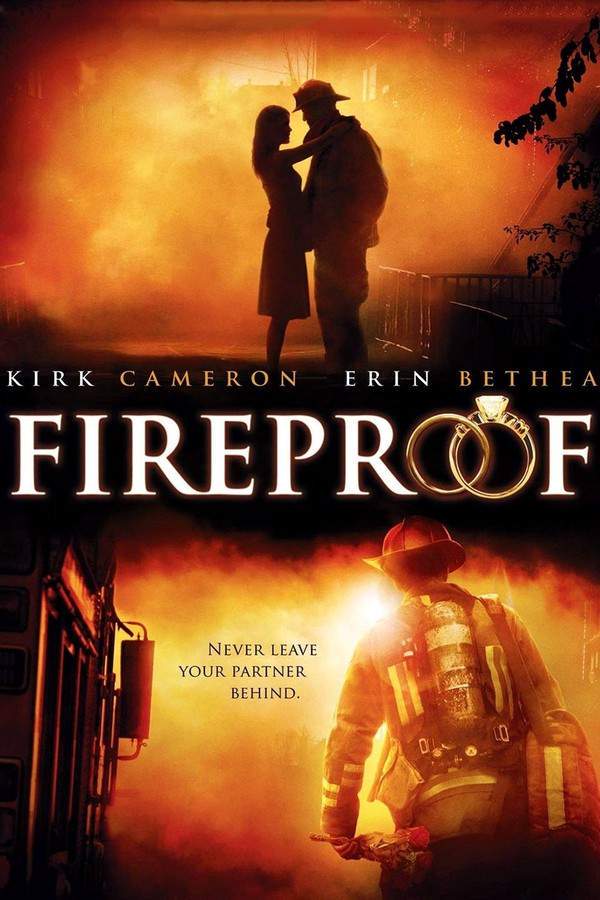
Fireproof
2008

War Room
2015
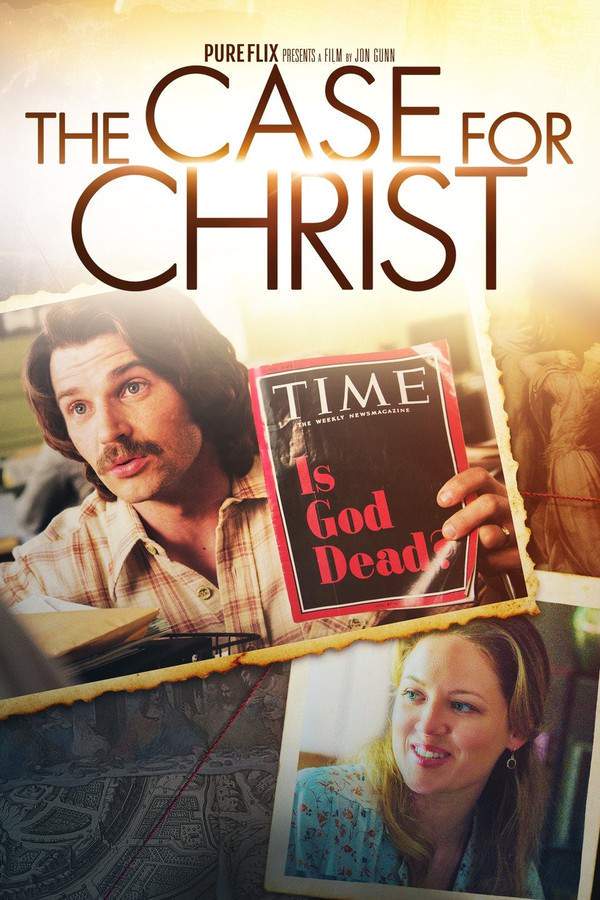
The Case for Christ
2017
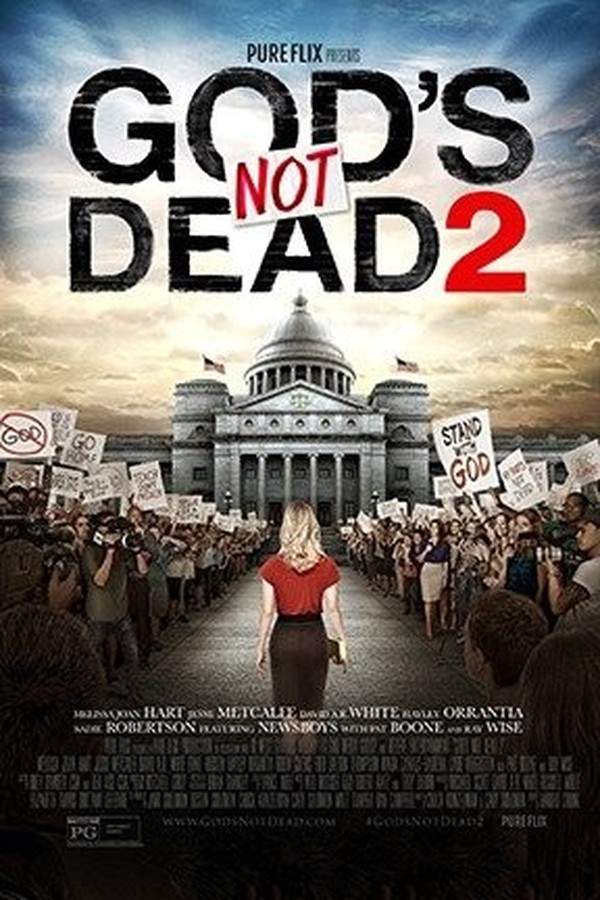
God's Not Dead 2
2016
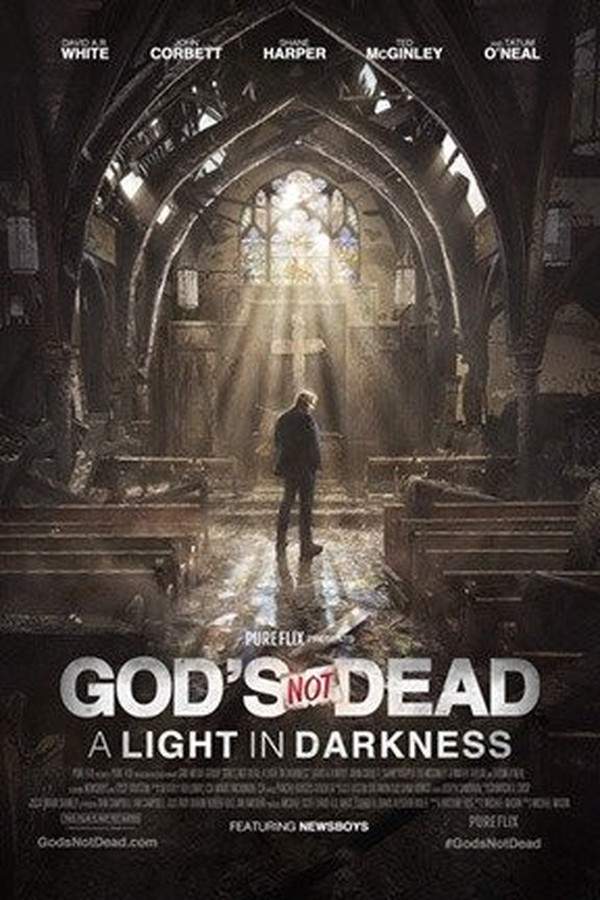
God's Not Dead: A Light in Darkness
2018

American Heretics: The Politics of the Gospel
2019
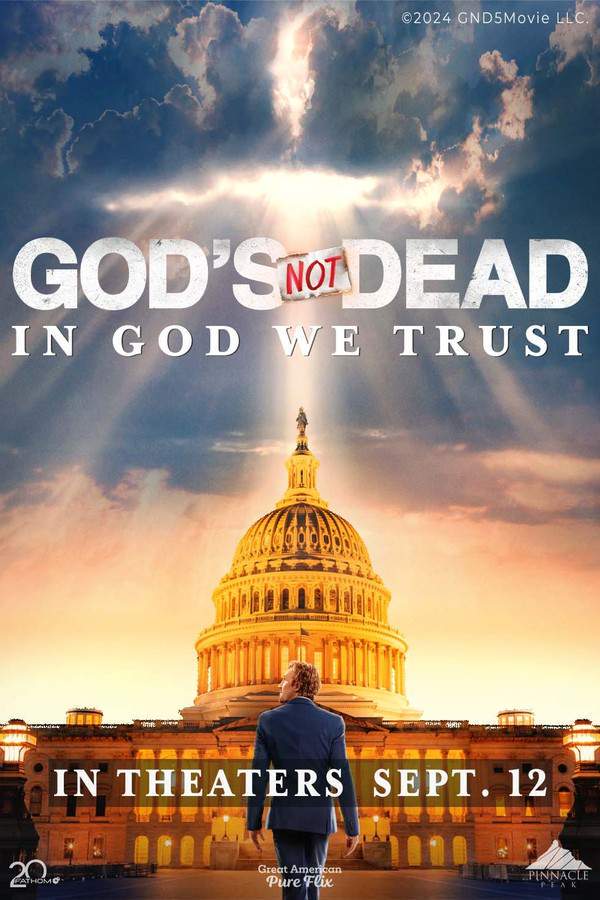
God's Not Dead: In God We Trust
2024
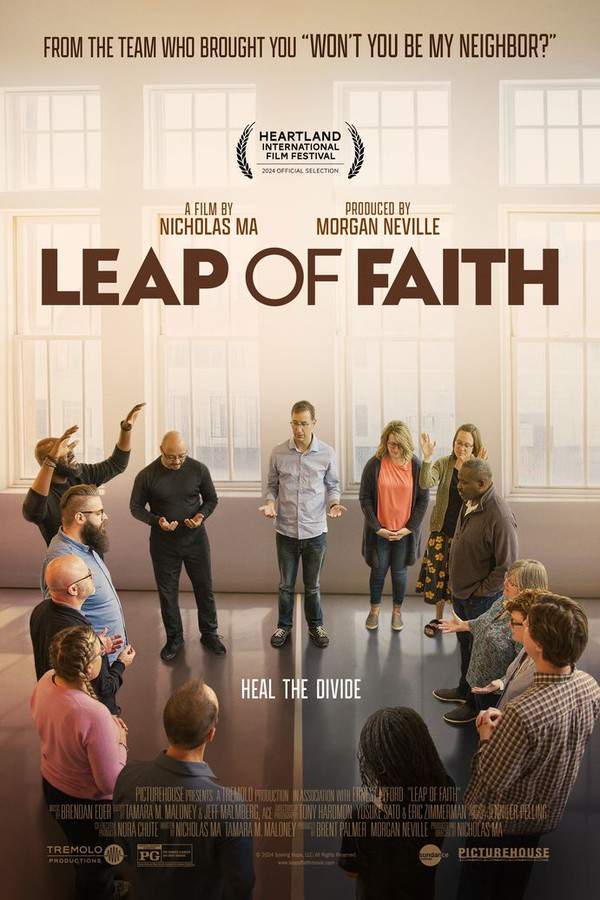
Leap of Faith
2024

A Matter of Faith
2014

The Trump Prophecy
2018

The Fighting Preacher
2019

The Case for Christ
2007

Resurrection
1980

One Foot in Heaven
1941

Leap of Faith
1992
Narrative Summary
These stories typically follow a protagonist or group whose core beliefs are directly threatened by an external force, such as a hostile government or a skeptical society. The plot escalates the pressure through intimidation or danger, testing the characters' resolve. The narrative arc often builds towards a public or personal vindication of their faith, showcasing its transformative impact.
Why These Movies?
Movies are grouped here because they share a core conflict between personal conviction and external opposition. They evoke a similar emotional mix of tension from the confrontation and profound hope from witnessing steadfast courage. The pacing is often steady, building methodically towards a meaningful climax that reaffirms the central theme.
Movies with miraculous events like in The Miracle of Our Lady of Fatima
Narratives where extraordinary, seemingly supernatural events validate a larger message.For viewers captivated by the miraculous apparitions and the Sun Miracle in The Miracle of Our Lady of Fatima, this thread collects films centered on supernatural or divine occurrences. These stories often follow ordinary people encountering the extraordinary, blending drama with elements of mystery and faith, and culminating in awe-inspiring conclusions.
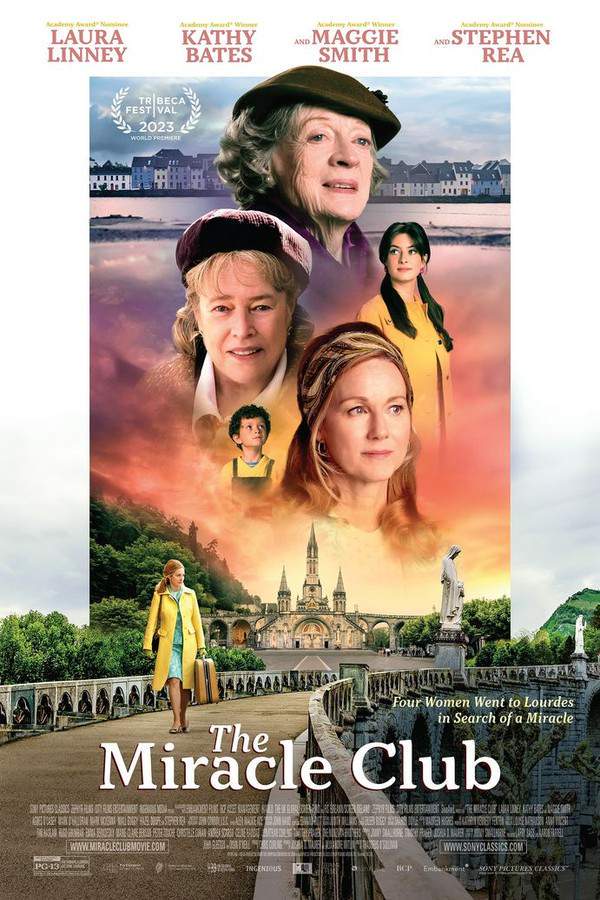
The Miracle Club
2023

The Secret: Dare to Dream
2020
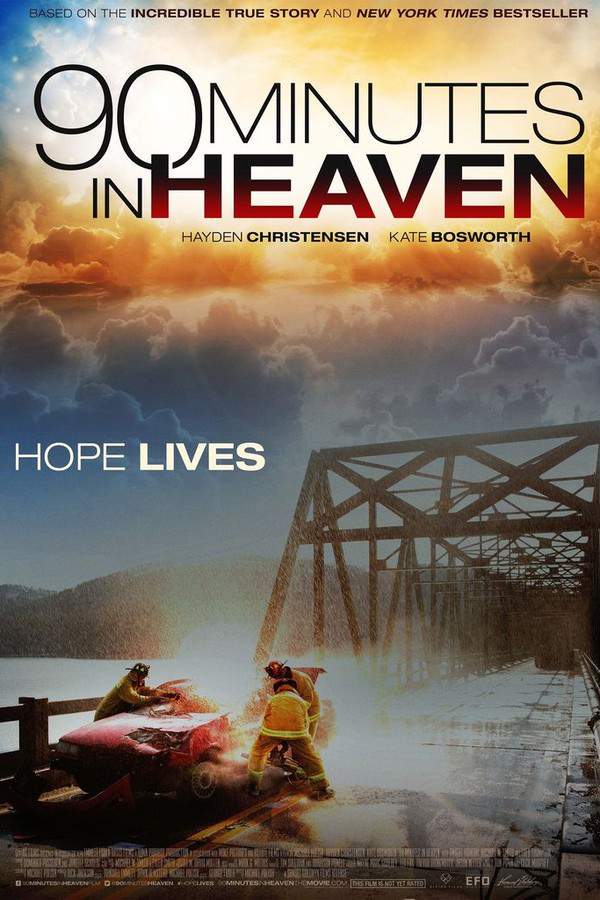
90 Minutes in Heaven
2015
Miracles from Heaven
2016

The Encounter
2010

The Miracle Worker
2000

Ordinary Miracles
2005
Resurrection
1980

Miracle on 34th Street
1994

The Miracle Man
1932
The Miracle of Our Lady of Fatima
1952

The Miracle of the Bells
1948

The Miracle Maker
1999

Expecting a Miracle
2009

The Miracle Woman
1931
Narrative Summary
The narrative pattern begins with an inexplicable event witnessed by a few, often humble or unlikely individuals. The plot then follows their struggle to be believed, facing doubt and resistance. The story builds towards a larger, undeniable manifestation of the miraculous that converts skeptics and leaves a lasting, positive impact, confirming a message of hope or peace.
Why These Movies?
These films are grouped by their shared focus on a miraculous event as the central plot driver. They create a specific viewing experience that blends wonder, suspense, and ultimate inspiration. The tone is predominantly hopeful and reverent, with a pacing that steadily builds anticipation for the climactic revelation of the extraordinary.
Unlock the Full Story of The Miracle of Our Lady of Fatima
Don't stop at just watching — explore The Miracle of Our Lady of Fatima in full detail. From the complete plot summary and scene-by-scene timeline to character breakdowns, thematic analysis, and a deep dive into the ending — every page helps you truly understand what The Miracle of Our Lady of Fatima is all about. Plus, discover what's next after the movie.
The Miracle of Our Lady of Fatima Timeline
Track the full timeline of The Miracle of Our Lady of Fatima with every major event arranged chronologically. Perfect for decoding non-linear storytelling, flashbacks, or parallel narratives with a clear scene-by-scene breakdown.

Characters, Settings & Themes in The Miracle of Our Lady of Fatima
Discover the characters, locations, and core themes that shape The Miracle of Our Lady of Fatima. Get insights into symbolic elements, setting significance, and deeper narrative meaning — ideal for thematic analysis and movie breakdowns.



Similar Movies to The Miracle of Our Lady of Fatima
Discover movies like The Miracle of Our Lady of Fatima that share similar genres, themes, and storytelling elements. Whether you’re drawn to the atmosphere, character arcs, or plot structure, these curated recommendations will help you explore more films you’ll love.

Lourdes
2010
The Miracle Club
2023
Fatima
2016
Fatima
2020
The Third Miracle
1999

The Miracle
1000

Fátima, el Último Misterio
2018

Miracle
1982

Our Lady of San Juan, Four Centuries of Miracles
2021

Miracle Roses
1960

Virgin Mary
1995
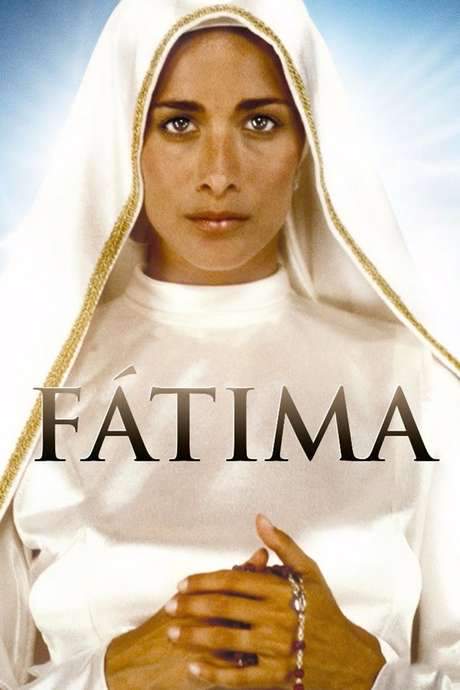
Fátima
1997

The Miracle
1959

The Miracle of Marcelino
1955
The Miracle Woman
1931
Explore More About Movie The Miracle of Our Lady of Fatima
The Miracle of Our Lady of Fatima (1952) Scene-by-Scene Movie Timeline
The Miracle of Our Lady of Fatima (1952) Movie Characters, Themes & Settings
The Miracle of Our Lady of Fatima (1952) Spoiler-Free Summary & Key Flow
Movies Like The Miracle of Our Lady of Fatima – Similar Titles You’ll Enjoy
Lourdes (2010) Movie Recap & Themes
The Miracle Club (2023) Plot Summary & Ending Explained
Fatima (2016) Ending Explained & Film Insights
Fatima (2020) Film Overview & Timeline
The Third Miracle (1999) Film Overview & Timeline
The Miracle (1000) Full Summary & Key Details
Fátima, el Último Misterio (2018) Story Summary & Characters
Miracle (1982) Spoiler-Packed Plot Recap
Our Lady of San Juan, Four Centuries of Miracles (2021) Complete Plot Breakdown
Miracle Roses (1960) Movie Recap & Themes
Virgin Mary (1995) Full Summary & Key Details
Fátima (1997) Movie Recap & Themes
The Miracle (1959) Complete Plot Breakdown
The Miracle of Marcelino (1955) Story Summary & Characters
The Miracle Woman (1931) Full Summary & Key Details