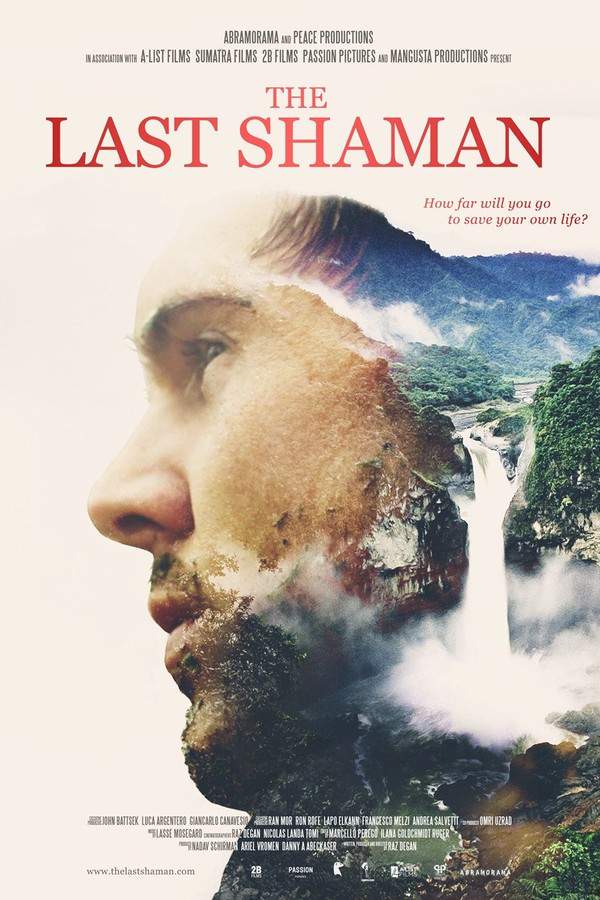
Ending Explained
The Last Shaman (2017) Ending Explained – Final Scene & Meaning
- Starring
- James Freeman

Seeking solace from profound depression, a young man journeys into the Amazon jungle. There, he encounters the ancient traditions of Ayahuasca, a tribal plant medicine, and the wisdom of its practitioners. His experience becomes a transformative quest for self-discovery and healing, as he confronts his inner demons and finds acceptance through the power of nature and indigenous practices.
On this page (4)
Where to watch
Where to Watch The Last Shaman (2017)
Where can you watch The Last Shaman? Stream, rent or buy it in the US, including on Kanopy, Tubi TV and Amazon Video: current JustWatch availability with up-to-date prices.
-
Gaia Amazon Channel Stream · SD
-
Kanopy Free · HD
-
Tubi TV Free with ads · SD
-
Amazon Video Rent $1.99 · SD
-
Apple TV Store Rent $5.99 · HD
-
Google Play Movies Rent $4.99 · SD
-
YouTube Rent $4.99 · SD
Streaming availability powered by

Ending explained · contains spoilers
What Happens at the End of The Last Shaman?
How The Last Shaman (2017) ends, what the final scene means, which earlier moments set it up and how to read the ending if the film leaves it open. The full ending explained, with every spoiler.
Makmur always knew that Sari was a ghost, but he chose to keep that knowledge to himself because of the deep love he felt for her. When Sari died during a battle while giving birth to their child, she stayed behind in the mortal world, unable to move on, because she wanted to watch over her family. Even after Makmur returned from the war, he was told the truth by a shaman—that Sari was no longer alive. Initially, he refused to believe it, but when he looked more closely, he confirmed the fact, realizing Sari’s ghost was still with him—hiding her pain and grief in her spectral form. Sari had been using her supernatural powers to remain close to her loved ones, trying to protect them without revealing her true nature.
In the final moments, Makmur confronts Sari and assures her that loving her doesn’t change because she’s a ghost. He reaffirms his promise to stay with her, no matter what, even if it means living in a lie. His unwavering love touches everyone around him, including his friends, who come to accept Sari’s ghostly existence. The emotional climax sees Makmur embracing his wife’s ghost, and her accepting the love that doesn't fade with death. This deep devotion ensures that they stay together forever, defying the boundaries between life and death.
The first mid-credits scene shows that Makmur, Sari, their child, and his friends continue to live peacefully in the village. Sari even summons other spirits, and the villagers accept the supernatural presence among them. As the years pass, the ghosts and humans coexist harmoniously, with some characters, like Sari and the other ghosts, finding new connections or companionships. The second mid-credits scene transports us about fifty years into the future, where the house once belonging to Makmur and Sari has become a museum, now a tourist attraction. Even in death, Makmur and his friends remain in the same house, which has turned into a ghostly residence. They continue to live there, entertaining visitors, a whimsical reminder that their spirits will stay together and continue their eternal life of companionship and ghostly existence.
Makmur always knew that Sari was a ghost, but he chose to keep that knowledge to himself because of the deep love he felt for her. When Sari died during a battle while giving birth to their child, she stayed behind in the mortal world, unable to move on, because she wanted to watch over her family. Even after Makmur returned from the war, he was told the truth by a shaman—that Sari was no longer alive. Initially, he refused to believe it, but when he looked more closely, he confirmed the fact, realizing Sari’s ghost was still with him—hiding her pain and grief in her spectral form. Sari had been using her supernatural powers to remain close to her loved ones, trying to protect them without revealing her true nature.
In the final moments, Makmur confronts Sari and assures her that loving her doesn’t change because she’s a ghost. He reaffirms his promise to stay with her, no matter what, even if it means living in a lie. His unwavering love touches everyone around him, including his friends, who come to accept Sari’s ghostly existence. The emotional climax sees Makmur embracing his wife’s ghost, and her accepting the love that doesn't fade with death. This deep devotion ensures that they stay together forever, defying the boundaries between life and death.
The first mid-credits scene shows that Makmur, Sari, their child, and his friends continue to live peacefully in the village. Sari even summons other spirits, and the villagers accept the supernatural presence among them. As the years pass, the ghosts and humans coexist harmoniously, with some characters, like Sari and the other ghosts, finding new connections or companionships. The second mid-credits scene transports us about fifty years into the future, where the house once belonging to Makmur and Sari has become a museum, now a tourist attraction. Even in death, Makmur and his friends remain in the same house, which has turned into a ghostly residence. They continue to live there, entertaining visitors, a whimsical reminder that their spirits will stay together and continue their eternal life of companionship and ghostly existence.
Last updated: June 25, 2025 at 09:01
If you liked this
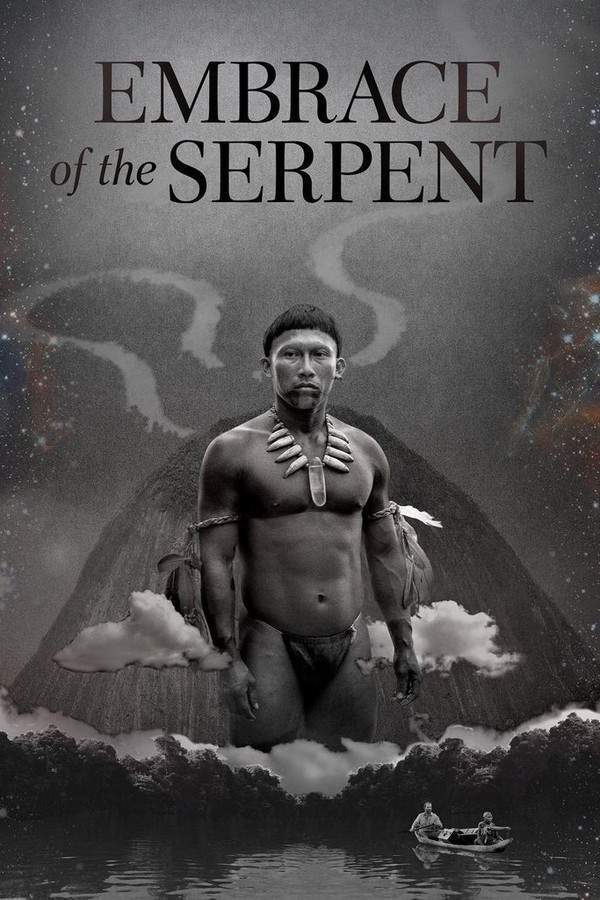
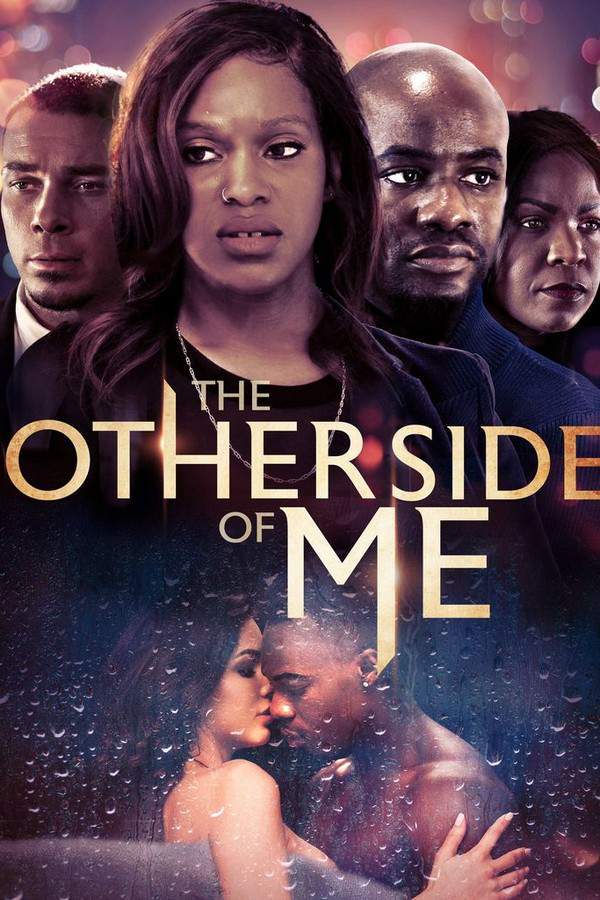
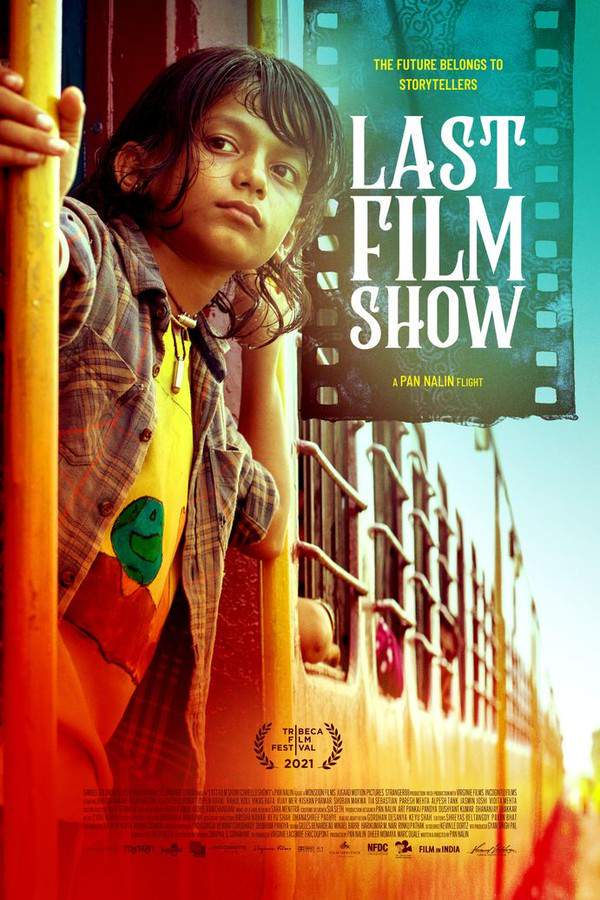
Movies Like The Last Shaman
Similar movies to The Last Shaman: the same genre, themes or kind of story. Each one comes with its own plot summary, timeline and ending explained.









Every angle
The Last Shaman (2017) Explained: Plot, Ending, Timeline & Characters
Everything about The Last Shaman in one place: what happens in the plot summary, the timeline in chronological order, the characters and meaning, the ending explained. What's After the Movie adds the cast, box office and post-credit scenes.
- The Last Shaman Plot Summary What happens, from the first scene to the last, every twist included.
- The Last Shaman Timeline Every key event in chronological order, ideal for flashbacks and time jumps.
- The Last Shaman Characters & Themes Who is who, where it takes place and what the movie really means.
- The Last Shaman on What's After the Movie Cast and crew, box office, post-credit scenes and more.
Coming soon on iOS and Android
The Plot Explained Movie Summary App
Plot summaries, endings explained and timelines on your phone. Catch up on any movie in minutes, save your favorites and never miss a twist again.
Be the first to know when we launch. Your email stays private, always.
Learn more about the app