














Plot Explained Spoilers guaranteed!
Plot Explained

Browse by genre

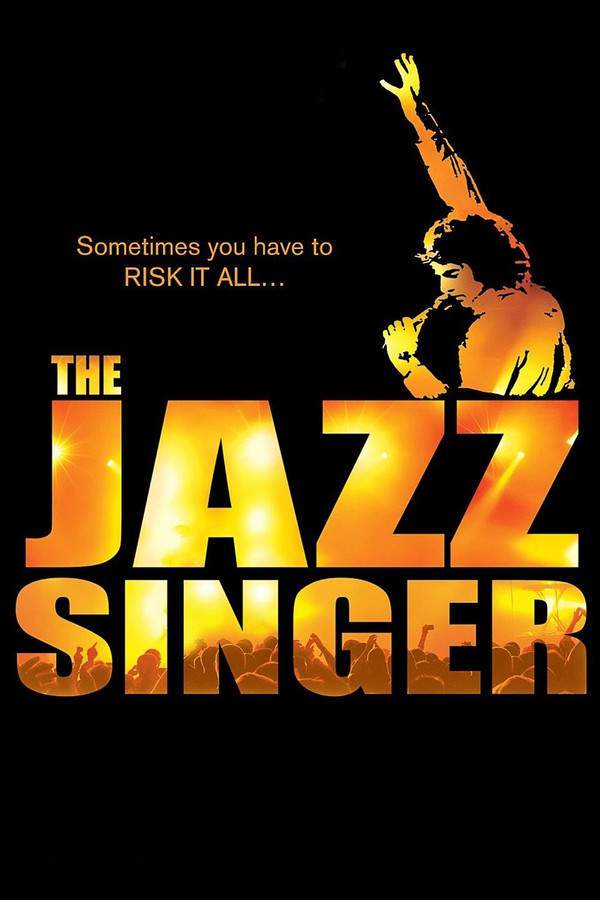
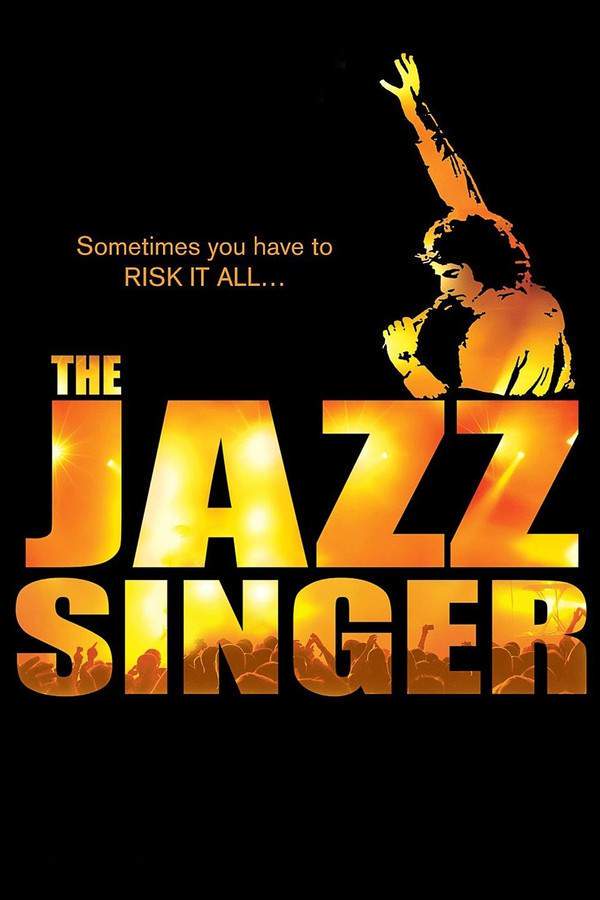
The Jazz Singer (1927) movie poster

Timeline

The Jazz Singer (1927) Timeline Explained – Every Event in Order

Release, runtime and language
1927 · 88 min · English
JustWatch #33,302 2
Directed by
Alan Crosland
Starring
Richard Tucker, Al Jolson, Ernest Belcher, Eugenie Besserer, Jane Arden, May McAvoy

A young performer defies his family’s wishes to pursue a career as a jazz singer, a path that clashes with their traditional Jewish values. Torn between his artistic ambitions and his heritage, he struggles to find a balance between honoring his family’s expectations and embracing his modern aspirations. The conflict between tradition and individuality creates a powerful drama as he seeks to reconcile his identity and find his place in a changing world.

On this page (7)
  1. 1 Where to watch
  2. 2 Events in order (14)
  3. 3 Timeline questions answered
  4. 4 The book behind the movie
  5. 5 Movie threads
  6. 6 Movies like The Jazz Singer
  7. 7 Every angle

Where to watch

Where to Watch The Jazz Singer (1927)

Where can you watch The Jazz Singer? Stream, rent or buy it in the US, including on Artiflix, Fawesome and JustWatch TV: current JustWatch availability with up-to-date prices.

Streaming availability powered by JustWatch

14 events in order · contains spoilers

The Jazz Singer Timeline: Events in Chronological Order

Every key event of The Jazz Singer (1927) in order, scene by scene, with when and where it takes place. Use it to untangle flashbacks, time jumps and parallel storylines, to refresh your memory before the sequel or to find the exact scene you are thinking of.

  1. Jakie's Musical Aspirations

    Thirteen-year-old Jakie Rabinowitz indulges in his passion for jazz music, performing in a beer garden. This act of defiance against his father's wishes catches the attention of Moisha Yudelson, leading to Jakie's father confronting him at home.

    When
    13 years old
    Where
    Beer Garden
  2. Father's Disapproval

    Jakie's father, Cantor Rabinowitz, expresses his deep disappointment by whipping Jakie for debasing his voice with jazz. This punishment pushes Jakie to the brink, resulting in a pledge to run away if it happens again.

  3. Jakie's Escape

    Following the violent altercation, Jakie kisses his mother goodbye and leaves home, vowing never to return. His departure leaves a profound impact on his father's heart, as he mourns the loss of his son during the Yom Kippur service.

    Where
    Home
  4. Return for Memories

    As the sacred Kol Nidre is sung during Yom Kippur, a now-older Jakie sneaks back to his family home to retrieve a picture of his beloved mother. This moment reflects his lingering connection to his past despite the turmoil with his father.

    Where
    Family Home
  5. Becoming Jack Robin

    Years later, Jakie has transformed into Jack Robin, embracing a new identity as a performer in a cabaret. Jack captures the audience's attention with his emotional rendition, showcasing his deep love for modern music.

    When
    10 years later
    Where
    Cabaret
  6. Meeting Mary Dale

    After his captivating performance, Jack meets Mary Dale, a charming dancer who recognizes his unique talent. She offers her help in advancing his career, leading Jack to a promising opportunity in musical theater.

  7. Conflict with Father

    Upon returning to his family home, Jack finds himself at odds with his father, who is outraged by his choice to pursue a career in jazz. The confrontation results in Jack being banished from the family, stating that his father will one day understand his choices.

    Where
    Family Home
  8. Father's Illness

    Two weeks after Jack's departure, his father's health deteriorates, creating a crisis for the Rabinowitz family. Jack is faced with a difficult decision—miss the opening night of his Broadway show or perform the Kol Nidre at Yom Kippur in his father's place.

    When
    24 hours before opening night
    Where
    Family Home
  9. Cantor's Last Wishes

    In his sickbed, Cantor Rabinowitz wishes he could hear Jakie's voice one last time, longing for reconciliation. This moment highlights his emotional turmoil as he cannot perform as the family’s spiritual leader on Yom Kippur.

    When
    Eve of Yom Kippur
    Where
    Father's Bedroom
  10. Choosing Between Worlds

    As Jack prepares for a critical performance, he grapples with the emotional pull of his family's expectations and the allure of his Broadway dreams. His mother, Sara, encourages him to follow his heart, reinforcing the theme of personal identity against familial ties.

    Where
    Theater Dressing Room
  11. Performance Sacrifice

    On the opening night of 'April Follies,' Jack decides to sing the Kol Nidre in place of his father. This heartfelt decision leads to a powerful moment of connection between Jack and his family's traditions, showcasing his enduring love.

    Where
    Synagogue
  12. Father's Last Words

    Listening from his deathbed, Cantor Rabinowitz hears Jack's voice singing and expresses his forgiveness with tearful words. This moment signifies Jack's reconciliation with his father and his musical heritage.

    Where
    Father's Bedroom
  13. Jack's Rebirth as The Jazz Singer

    The story culminates with Jack performing 'My Mammy' at the Winter Garden theater, fully embracing his identity as The Jazz Singer. His mother watches proudly, realizing her son has found where he truly belongs.

    Where
    Winter Garden Theater
  14. A New Beginning

    As Jack performs on stage, he balances his love for jazz with an understanding of his family's beliefs. The passage of time allows healing, and Jack symbolizes the merging of cultures, fulfilling both his dreams and familial obligations.

    When
    Time passes
    Where
    Theater

Last updated: January 19, 2025 at 18:49

Was this helpful?

Timeline questions answered

The Jazz Singer Timeline Explained: Your Questions Answered

When does it happen, and why in that order? The questions people ask about the chronology of The Jazz Singer (1927): time jumps, flashbacks, cause and effect between scenes and the correct order of events, each answered with spoilers.

Q1

Why did Jakie run away from home?

Jakie ran away after his father Cantor Rabinowitz whipped him for performing jazz at a beer garden, which his father considered a debasement of the voice God gave him. During the confrontation, Jakie threatened that if whipped again, he would run away and never come back. After enduring the beating, he kissed his mother goodbye and fled, keeping his promise.

Foreshadowing: Earlier, Jakie's defiant performance at the beer garden against his father's wishes planted the seeds for this rupture.

  • jakie ran away
  • cantor rabinowitz
  • jazz music
  • father son conflict
  • whipping
Q2

Why did Jakie's father oppose his jazz singing?

Cantor Rabinowitz viewed jazz as a profane debasement of the sacred voice God gave his son. He dreamed of Jakie following the family tradition of becoming a cantor in the synagogue, serving as the spiritual leader who leads worship. Jazz represented everything contrary to the religious devotion and cultural traditions the Rabinowitz family upheld.

Foreshadowing: The father's grief during Yom Kippur, where he mourns that his son was meant to stand beside him singing, reveals how deeply his hopes were invested in the cantorial tradition.

  • cantor rabinowitz
  • jazz music
  • tradition
  • jewish values
  • cantorial singing
Q3

Why did Jack choose to sing Kol Nidre instead of attending his Broadway opening?

Jack chose to sing Kol Nidre because his father was gravely ill and could not perform the sacred Yom Kippur service himself. The Cantor was the spiritual leader responsible for leading the Kol Nidre prayer, and for the first time, there was no cantor for the Day of Atonement. Jack's mother Sara encouraged him to follow his heart, telling him that if he sang and God was not in his voice, his father would know. This represented Jack's ultimate reconciliation between his jazz identity and his religious heritage.

Foreshadowing: Earlier, Jack prophesied to his father that someday he would understand, just as his mother does, a hint that Jack would ultimately find a way to bridge both worlds.

  • kol nidre
  • yom kippur
  • broadway
  • april follies
  • father illness
  • sacrifice
Q4

What happened to Jack's father at the end?

Cantor Rabinowitz died after hearing Jack sing the Kol Nidre from his deathbed. As Jack performed the sacred prayer in the synagogue, his father listened and expressed his final forgiveness, saying "Mama, we have our son again." He passed away with the knowledge that his son had reconciled his jazz singing with his spiritual identity.

Foreshadowing: The Cantor had previously dreamed of his son singing Kol Nidre beautifully, expressing that if Jack would only sing like that, he would surely be forgiven.

  • cantor rabinowitz
  • death
  • forgiveness
  • kol nidre
  • passing
Q5

Why did Mary Dale help Jack's career?

Mary Dale, a musical theater dancer, was captivated by Jack's performance at the cabaret. She told him "there are lots of jazz singers, but you have a tear in your voice," recognizing his unique emotional depth. She offered to help advance his career, which led to him landing the lead role in the musical April Follies.

Foreshadowing: Mary's early recognition of Jack's special quality foreshadows her later presence at the synagogue, where she witnesses his transformation.

  • mary dale
  • jack robin
  • career
  • musical theater
  • april follies
Q6

Why did Jack perform in blackface for his Broadway role?

In 1927, blackface performance was a common theatrical practice in American entertainment. Jack performed a number called "Mother of Mine, I Still Have You" in blackface makeup during a dress rehearsal. The performance deeply moved his mother Sara when she witnessed it, leading her to realize that her son had found his rightful place on stage.

Foreshadowing: The emotional resonance of this blackface performance, where Jack sang about his mother, connects to the story's ultimate resolution where he performs "My Mammy" for her and the world.

  • blackface
  • broadway
  • april follies
  • performance
  • theater
Q7

Q8

Why did Jack's mother support his choice to sing Kol Nidre?

Sara supported Jack's decision because she had come to understand that her son belonged to "the whole world now," not just to her or to the synagogue. After seeing his blackface performance, she realized his gift was meant to be shared widely. When she and Yudelson visited Jack's dressing room, she encouraged him to do what was in his heart, believing that if God was not in his voice, his father would know, so his intentions would be clear.

Foreshadowing: Earlier, when Jakie ran away, Sara was the one he kissed goodbye, showing their deep bond that would later enable her to understand his path.

  • sara
  • jack mother
  • support
  • kol nidre
  • understanding
Q9

What does the ending signify, the final performance at Winter Garden?

The ending represents Jack's complete reconciliation of his dual identity. He becomes "The Jazz Singer," headlining at Winter Garden in a show called Back Room, performing "My Mammy" in blackface for his mother and the world. His mother Sara and Yudelson sit in the front row, watching proudly. Jack has successfully merged his jazz identity with his heritage, transforming from a rebellious son who ran away to an artist who can sing to both his God and his audience.

Foreshadowing: The entire film builds toward this moment of synthesis, where Jack prophesized his father would "understand the same as Mama does."

  • winter garden
  • final performance
  • my mammy
  • reconciliation
  • identity
  • jazz singer
Q10

Why couldn't Cantor Rabinowitz perform on Yom Kippur?

Cantor Rabinowitz fell gravely ill two weeks after casting Jack out of the house. By the eve of Yom Kippur, he was so weak he could barely speak. From his sickbed, he told his wife Sara that he could not fulfill his sacred duty as cantor. He expressed a final wish, he had dreamed of his son Jakie singing Kol Nidre so beautifully, and hoped that if Jack would only sing like that, he would be forgiven.

Foreshadowing: The Cantor's inability to perform creates the crisis that forces Jack to make his pivotal choice between Broadway and family duty.

  • yom kippur
  • sick
  • cantor
  • tradition
  • duty
Q11

Why did Jack return to his family home after being cast out?

Jack returned hoping to reconcile with his father and express his modern musical outlook. He believed his father would eventually understand his choices, just as his mother did. However, his father remained horrified by Jack's jazz career and cast him out with the command "I never want to see you again, you jazz singer!" Jack departed with a heavy heart but prophesied that his father would someday understand.

Foreshadowing: Jack's prophecy that his father would one day understand foreshadows the reconciliation that occurs at the end, though tragically after the Cantor's death.

  • reconciliation
  • father
  • homecoming
  • cast out
  • jazz singer

Movie threads

More Movies Like The Jazz Singer, by Mood & Story

Curated lists built around what makes The Jazz Singer tick: the same mood, the same kind of story or the same emotional payoff. Each list explains why these movies belong together.

Dramas about Tradition vs Ambition like The Jazz Singer

Characters caught in the emotional crossfire of family duty and personal dreams. If you liked The Jazz Singer's story of a son torn between his family's expectations and his own aspirations, you'll appreciate these movies about tradition clashing with modernity. This section features dramas and character studies where protagonists must navigate the difficult path between honoring their heritage and pursuing their dreams.

  • dramatic
  • conflicted
  • melancholic
  • hopeful
  • nostalgic
  • tender
  • Tone: dramatic, bittersweet
  • Pacing: steady, character-driven
Why these movies?

The story pattern: The narrative typically follows a protagonist who feels suffocated by the rigid expectations of their family or community. Their journey involves rebellion, internal conflict, and often a climactic point of confrontation, leading to a resolution that is rarely a clear victory but more a complex, bittersweet understanding of their dual identity.

Why they belong together: Movies are grouped here based on their shared focus on the central theme of 'tradition versus modernity' and the intense, personal father-son or family conflicts that arise from it. They share a steady, character-driven pacing and a consistently bittersweet emotional tone.

Bittersweet Stories of Show Business like The Jazz Singer

Stories where artistic success comes with a profound personal cost. Fans of The Jazz Singer who were moved by its portrayal of the price of fame will find more compelling stories here. Discover movies about musicians, actors, and artists whose rise to stardom is intertwined with personal loss and emotional conflict, leading to a bittersweet sense of accomplishment.

  • bittersweet
  • dramatic
  • melancholic
  • nostalgic
  • hopeful
  • conflicted
  • Tone: bittersweet, dramatic
  • Pacing: steady, linear
Why these movies?

The story pattern: The plot follows an artist's struggle to achieve their dreams in the entertainment industry. Their success is hard-won, but the narrative emphasizes what is lost along the way—often family approval, innocence, or a crucial relationship. The ending acknowledges the achievement but mourns the cost, creating a complex emotional response.

Why they belong together: These movies share a specific narrative arc where artistic ambition is central, but the emotional core is the bittersweet trade-off between success and personal happiness. They consistently blend a dramatic tone with a steady pace and a medium intensity focused on character-driven conflict.

If you liked this

Movies Like The Jazz Singer

Similar movies to The Jazz Singer: the same genre, themes or kind of story. Each one comes with its own plot summary, timeline and ending explained.

Browse all movie summaries

Every angle

The Jazz Singer (1927) Explained: Plot, Timeline & Characters

Everything about The Jazz Singer in one place: what happens in the plot summary, the timeline in chronological order, the characters and meaning and a spoiler-free summary. What's After the Movie adds the cast, box office and post-credit scenes.

Coming soon on iOS and Android

The Plot Explained Movie Summary App

Plot summaries, endings explained and timelines on your phone. Catch up on any movie in minutes, save your favorites and never miss a twist again.

Be the first to know when we launch. Your email stays private, always.

Learn more about the app