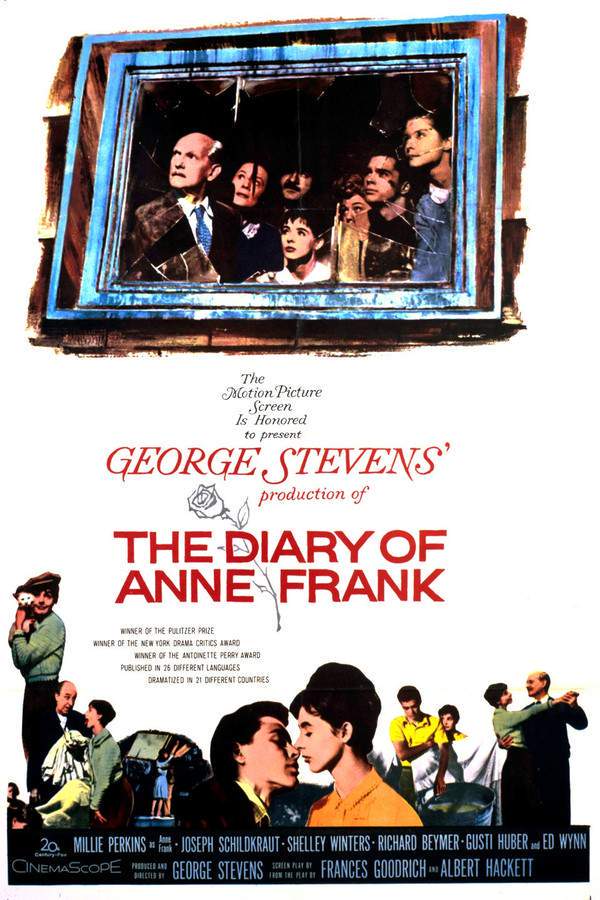
The Diary of Anne Frank
Year: 1959
Runtime: 180 min
Language: English
Director: George Stevens
During World War II in occupied Holland, a shopkeeper and his wife risk their lives to hide the Frank and Van Daan families in a concealed annex behind their business. For over two years, they live in fear and confinement, facing constant danger from the Nazis. Anne Frank’s poignant diary entries offer a deeply personal account of their experiences, exploring themes of hope, despair, and the complexities of human connection within the confines of their hidden existence, while also documenting her evolving relationship with Peter Van Daan.
Where to Watch The Diary of Anne Frank?
Find where to stream, rent, or buy The Diary of Anne Frank (1959) in the US with current JustWatch availability, up-to-date pricing, and platform listings for subscription, rental, and digital purchase options.







Warning: spoilers below!
Haven’t seen The Diary of Anne Frank yet? This summary contains major spoilers. Bookmark the page, watch the movie, and come back for the full breakdown. If you're ready, scroll on and relive the story!
Timeline – The Diary of Anne Frank (1959)
Trace every key event in The Diary of Anne Frank (1959) with our detailed, chronological timeline. Perfect for unpacking nonlinear stories, spotting hidden connections, and understanding how each scene builds toward the film’s climax. Whether you're revisiting or decoding for the first time, this timeline gives you the full picture.
Last updated: November 15, 2024 at 16:15
The Diary of Anne Frank (1959) Timeline Questions Answered – Chronology FAQ
Find frequently asked questions about the The Diary of Anne Frank (1959) timeline, including chronological order, nonlinear jumps, cause-and-effect links, and scene sequence clarifications. This timeline FAQ helps explain when key events happen, how moments connect, and why the story unfolds in that specific order.
Why did the Frank family go into hiding?
The Frank family went into hiding because Nazi forces began systematically rounding up Jews in occupied Holland and transporting them to concentration camps. After Margot received a summons to report for deportation, Otto Frank arranged for his family to hide in a concealed attic above his spice factory, where they were later joined by the Van Daan family.
The diary opens with Anne describing the oppressive restrictions imposed on Jews that progressively stripped away their freedoms.
How were the families in the attic discovered?
The exact method of discovery is not shown in detail, but by July 1944, the police had connected the stolen typewriter from the Hanukkah incident to the hiding place. Kraler had been hospitalized with ulcers, and there were growing concerns that an employee had become suspicious. The German police eventually broke down the door and took all eight people in the annex away.
Earlier, Dussell warned that it was only a matter of time before they were caught, and Kraler raised concerns about an employee's odd behavior.
What happened to Otto Frank after the war?
Otto Frank survived Auschwitz and returned to Amsterdam in 1945 after the war ended. Upon his return, he learned that his wife Edith, daughter Margot, the Van Daans, and Albert Dussell had all perished. He held onto hope that Anne might have survived, but a woman from Bergen-Belsen confirmed Anne's death.
Why did Anne consider her diary her only means of preserving life?
By July 1944, with the police having discovered the stolen typewriter and danger growing more imminent, Anne realized that if they were caught, her diary would be the only thing that could preserve her memory and voice beyond death. She began viewing it not just as a personal journal but as a testament to her existence and experiences.
The diary was introduced early as a gift from Otto containing photos of movie stars and a blank notebook.
What happened to the Van Daans, Edith, and Margot?
All the hidden families were arrested in August 1944 and sent to concentration camps. Edith Frank died in Auschwitz. Margot Frank died in Bergen-Belsen. Mr. Van Daan perished, and while Mrs. Van Daan's exact fate is not detailed, she did not survive. Albert Dussell was also among those who did not survive the Holocaust.
How did Anne and Peter's relationship develop in the attic?
Anne and Peter's relationship grew gradually through their shared confinement. Initially, Anne teased Peter, who was anxious and had only his cat Mouschi for company. Over months, as both felt trapped and hopeless, they found solace in each other. Anne shared her dream of becoming a writer, while Peter felt useless in contributing to the war effort. Their connection culminated in a passionate kiss just before the police arrived.
Early scenes show Anne playfully teasing Peter while he cared for his cat.
Why was the radio important to the families in hiding?
Kraler brought a radio into the attic, which became the families' lifeline to the outside world. Through radio broadcasts, they learned about major wartime events including the Allied landing in Africa and the invasion of France. These moments provided brief hope amid their fearful confinement, though news of bombings in Amsterdam also intensified their anxiety.
Why did the Van Daans argue so much with the Franks?
The Van Daans' conflicts with the Franks stemmed from the extreme stress of living in close quarters with constant fear of discovery. Arguments erupted over food shortages, with Mrs. Van Daan defending her cherished fur coat when Van Daan wanted to sell it, and disputes over bread. The tension between Anne and her mother Edith also reflected the broader friction among all the adults trapped together.
What does Anne's final quote about people being good at heart mean?
Anne wrote in her diary, "In spite of everything, I still believe that people are really good at heart," reflecting her unwavering optimism despite the horrors she witnessed. This quote, which Otto reads after her death, symbolizes her enduring faith in humanity even amid the Holocaust. It serves as a testament to her character and the small acts of kindness from helpers like Miep, Kraler, and Kugler who risked their lives to save them.
Peter expressed desperation about the war, and Anne reassured him of the goodness exhibited by those who helped them.
Who was Albert Dussell and why was he hidden with the families?
Albert Dussell was a Jewish dentist whom Kraler asked the families to shelter. He joined the hiding place later, bringing devastating news from the outside world about friends being taken away to concentration camps. His presence added to the tension of the cramped quarters, and he too was ultimately captured and did not survive the war.
What happened during the Hanukkah intruder's visit?
During Hanukkah 1942, an intruder entered the premises while Peter was trying to catch his cat Mouschi. The frightened intruder snatched a typewriter and escaped. The commotion alerted a watchman, who called police, but Mouschi knocked over a plate, leading the officers to believe the noise was just from a cat. The stolen typewriter later connected police to the hiding place.
Who were Miep Gies and Kraler and why did they help?
Miep Gies and Mr. Kraler were office workers at Otto Frank's company who helped hide the families. They risked their lives daily by bringing food, maintaining the secret, and providing comfort. Miep specifically saved Anne's diary by retrieving it after the arrest, preserving it for Otto to find after the war. Their bravery exemplified the altruism Anne believed in.

Explore Movie Threads
Discover curated groups of movies connected by mood, themes, and story style. Browse collections built around emotion, atmosphere, and narrative focus to easily find films that match what you feel like watching right now.
Claustrophobic survival stories like The Diary of Anne Frank
Stories of communities forced into confinement, living under constant external danger.If you were captivated by the tense, confined world of The Diary of Anne Frank, explore more movies about groups forced into hiding or isolated survival. These films share a high-stakes atmosphere, a steady, anxiety-inducing pacing, and an emotionally heavy journey of clinging to hope in desperate circumstances.
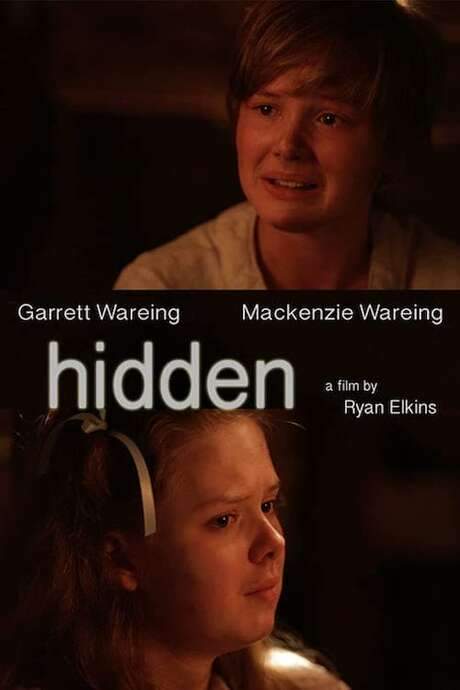
Hidden
2014

Hidden
2015

Hidden
2015

Hidden
2015

The Attic: The Hiding of Anne Frank
1988

Beneath Hill 60
2010

Defence of the Realm
1985

I See a Dark Stranger
1946

Hostile Waters
1997

Above and Below
2016

Danger Within
1959
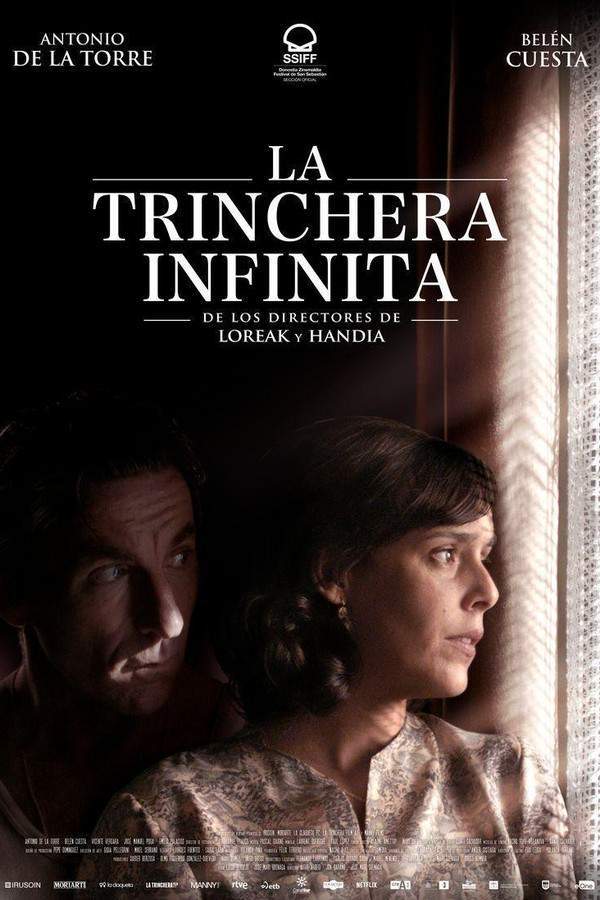
The Endless Trench
2020

The Endless Trench
2019

Secret Mission
1942

Six Minutes to Midnight
2021
Narrative Summary
These narratives often follow a linear, steady progression marked by the passage of time within a limited space. The plot is driven by both the ever-present external threat and the internal dynamics and conflicts that arise among the confined group. Character arcs focus on resilience, despair, and the erosion or strengthening of human bonds under extreme pressure.
Why These Movies?
Movies are grouped here for their shared setting of forced confinement and their dominant moods of tension, claustrophobia, and anxiety. They all explore the psychological effects of living in hiding and the fragile nature of community when survival is the only goal.
Personal stories of hope during tragedy like The Diary of Anne Frank
Personal accounts of finding light and humanity during times of immense tragedy.If you appreciated the bittersweet perspective and historical weight of The Diary of Anne Frank, discover similar movies based on true stories or diaries. These films balance heavy themes of war and loss with a deeply personal, often hopeful, viewpoint that finds humanity and light amidst the darkest chapters of history.








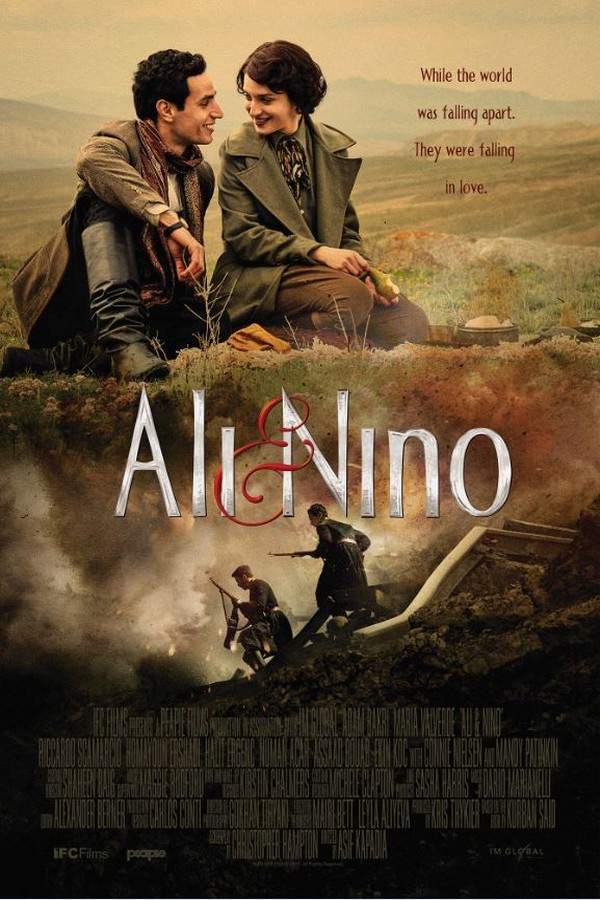




Narrative Summary
The narrative pattern is often straightforward, following a chronological record of events as experienced by a specific individual or group. The emotional journey is central, unfolding through personal reflections, diary entries, or letters that document the erosion of normal life and the persistence of hope, love, and intellectual curiosity against a backdrop of systemic horror.
Why These Movies?
These films are connected by their bittersweet tone, their basis in real-life accounts of historical trauma, and their focus on a personal, often youthful, perspective that serves as a beacon of hope. They share a heavy emotional weight but are defined by their emphasis on the resilience of the human spirit.
Unlock the Full Story of The Diary of Anne Frank
Don't stop at just watching - explore The Diary of Anne Frank in full detail. From the complete plot summary and scene-by-scene timeline to character breakdowns, thematic analysis, and a deep dive into the ending - every page helps you truly understand what The Diary of Anne Frank is all about. Plus, discover what's next after the movie.
The Diary of Anne Frank Summary
Read a complete plot summary of The Diary of Anne Frank, including all key story points, character arcs, and turning points. This in-depth recap is ideal for understanding the narrative structure or reviewing what happened in the movie.

Characters, Settings & Themes in The Diary of Anne Frank
Discover the characters, locations, and core themes that shape The Diary of Anne Frank. Get insights into symbolic elements, setting significance, and deeper narrative meaning - ideal for thematic analysis and movie breakdowns.


Similar Movies to The Diary of Anne Frank
Discover movies like The Diary of Anne Frank that share similar genres, themes, and storytelling elements. Whether you’re drawn to the atmosphere, character arcs, or plot structure, these curated recommendations will help you explore more films you’ll love.

My Best Friend Anne Frank
2022

Amsterdam
2022
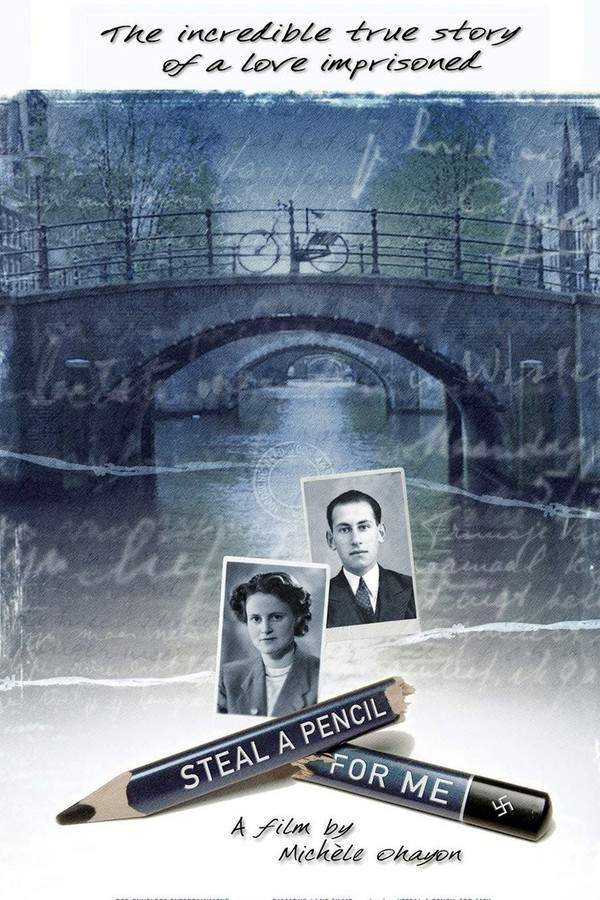
Steal a Pencil for Me
2007
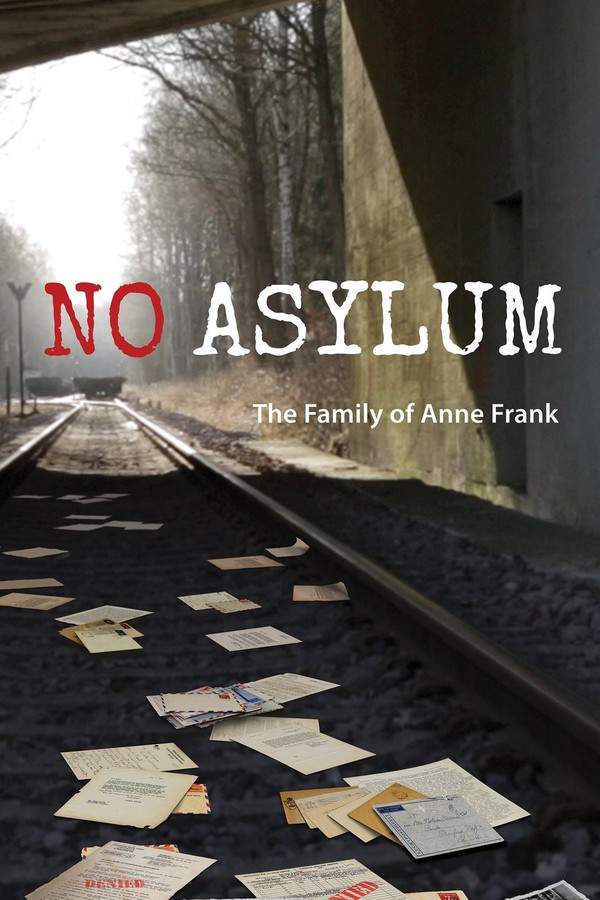
No Asylum: The Untold Chapter of Anne Frank's Story
2016

#AnneFrank. Parallel Stories
2019

Anne B. Real
2003

The Diary of Anne Frank
1980
The Attic: The Hiding of Anne Frank
1988

A Small Light
1000

Hidden in Silence
1996

The Diary of Anne Frank
1000

The Diary of Anne Frank
1967

Anne Frank Remembered
1995

The Diary of Anne Frank
2009

Anne Frank’s Diary
1995
Explore More About Movie The Diary of Anne Frank
The Diary of Anne Frank (1959) Plot Summary & Movie Recap
The Diary of Anne Frank (1959) Scene-by-Scene Movie Timeline
The Diary of Anne Frank (1959) Spoiler-Free Summary & Key Flow
Movies Like The Diary of Anne Frank – Similar Titles You’ll Enjoy
My Best Friend Anne Frank (2022) Movie Recap & Themes
Amsterdam (2022) Ending Explained & Film Insights
Steal a Pencil for Me (2007) Movie Recap & Themes
No Asylum: The Untold Chapter of Anne Frank's Story (2016) Full Summary & Key Details
#AnneFrank. Parallel Stories (2019) Story Summary & Characters
Anne B. Real (2003) Complete Plot Breakdown
The Diary of Anne Frank (1980) Plot Summary & Ending Explained
The Attic: The Hiding of Anne Frank (1988) Film Overview & Timeline
A Small Light (1000) Ending Explained & Film Insights
Hidden in Silence (1996) Plot Summary & Ending Explained
The Diary of Anne Frank (1000) Full Summary & Key Details
The Diary of Anne Frank (1967) Full Summary & Key Details
Anne Frank Remembered (1995) Detailed Story Recap
The Diary of Anne Frank (2009) Ending Explained & Film Insights
Anne Frank’s Diary (1995) Complete Plot Breakdown