Max Landis sits with a drink, reflecting on how Superman transformed the world of superheroes and how his star faded through the 1990s. The conversation unfolds as he traces the character’s influence, the shifts in audience interest, and the ideas DC Comics producers floated to keep him relevant again. The discussion centers on the creation of Doomsday and the events that lead to a climactic battle between Superman and this unstoppable force, culminating in the deaths of both combatants. In the wake of that moment, DC Comics released an astonishing wave of momentum, shipping about three million copies of the landmark issue, Superman #75, worldwide, with nearly all of them selling out within a single day.
Following the funeral, the story continues with the “Reign of the Supermen!” arc, which introduces four individuals who claim to be Superman: Hank Henshaw, Steel, Superboy, and the Eradicator. The tension among these impostors escalates as Henshaw rises to the top, overwhelming the others and scattering chaos across the DC universe. Coast City is devastated, an event that pushes Hal Jordan into a dangerous descent, becoming Parallax and triggering a catastrophic collapse of the Green Lantern Corps. The real danger remains until Superman reappears, proving that the hero had slipped out of a healing coma and that death in comics can be temporary rather than permanent. The revelation shocks fans, and reactions swing from disbelief to anger as many readers feel betrayed by the direction of the storyline, with sales across Superman titles dipping and never fully recovering to their pre-crisis highs.
As Landis pours another drink, he recalls a lesson from his father about killing a vampire, a moment that frames the entire arc’s legacy. His father explains that vampires do not exist, so writers can choose any method to kill them—stakes, sunlight, or any other device—because the myth is fiction. In that same vein, the Death of Superman saga didn’t truly end the character. Instead, it redefined the idea of death in comics, introducing a cycle in which countless heroes would die and come back to life in the years that followed, making death feel less final and more a narrative tool to propel ongoing stories.
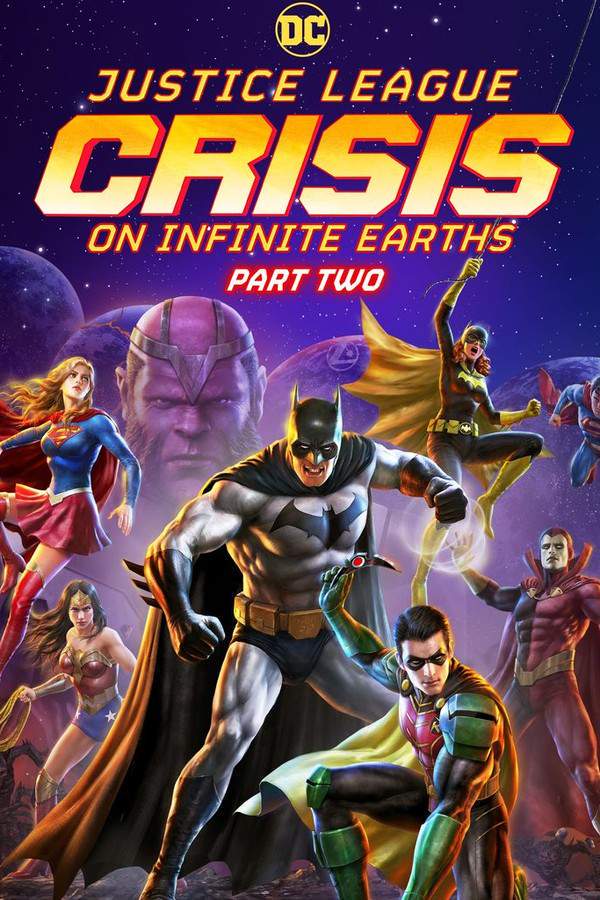
Within this recounting, the interwoven voices of the cast anchor the memory of the era: Superman Jerry O'Connell remains the central figure in the tragedy, while Lex Luthor's machinations echo the broader collapse of stability in the DC world. The vigil of the vigilantes is tempered by the voices of others who carry the weight of the era, including Rainn Wilson as Lex Luthor, Nathan Fillion as Hal Jordan / Green Lantern, Rosario Dawson as Diana Prince / Wonder Woman, and Patrick Fabian as Hank Henshaw. The emergence of Steel, Superboy, and the Eradicator is carried by Cress Williams, Cameron Monaghan, and Charles Halford respectively, with Batman as a distinct presence voiced by Jason O'Mara. The arc’s emotional drumbeat is sharpened by Tony Todd in the role of Darkseid, while Clark Kent / Superman’s ongoing legacy resonates through the wider world, supported by the ensemble’s other familiar faces, including Rebecca Romijn as Lois Lane, Christopher Gorham as The Flash, Nyambi Nyambi as Martian Manhunter, Shemar Moore as Cyborg, Jennifer Hale as Martha Kent, Paul Eiding as Jonathan Kent, and Jonathan Adams as the Mayor.