
The Dark at the Top of the Stairs
Year: 1960
Runtime: 124 mins
Language: English
Director: Delbert Mann
In 1920s Oklahoma, Rubin Flood is laid off when his traveling‑salesman firm collapses, heightening tension at home. His wife Cora is distant as they struggle financially. Their teenage daughter Reenie, shy about dating, befriends Sammy Golden, a troubled Jewish boy. Rubin storms out after Cora falsely accuses him of an affair with Mavis Pruitt.
Warning: spoilers below!
Haven’t seen The Dark at the Top of the Stairs yet? This summary contains major spoilers. Bookmark the page, watch the movie, and come back for the full breakdown. If you're ready, scroll on and relive the story!
Timeline – The Dark at the Top of the Stairs (1960)
Trace every key event in The Dark at the Top of the Stairs (1960) with our detailed, chronological timeline. Perfect for unpacking nonlinear stories, spotting hidden connections, and understanding how each scene builds toward the film’s climax. Whether you're revisiting or decoding for the first time, this timeline gives you the full picture.
Last updated: October 09, 2025 at 12:40
The Dark at the Top of the Stairs (1960) Timeline Questions Answered – Chronology FAQ
Find frequently asked questions about the The Dark at the Top of the Stairs (1960) timeline, including chronological order, nonlinear jumps, cause-and-effect links, and scene sequence clarifications. This timeline FAQ helps explain when key events happen, how moments connect, and why the story unfolds in that specific order.
Why does Rubin keep his job loss a secret from Cora?
Rubin cannot bring himself to tell Cora about losing his harness and saddle sales job because he fears being seen as a failure and worries about how the family will manage financially. His shame and helplessness drive him to drink medicinal alcohol at the pharmacy instead of facing the truth, creating a foundation of deception that poisons their marriage.
Rubin's late-night pharmacy visits and his reluctance to discuss work foreshadow the eventual reveal of his unemployment.
Why does Cora accuse Rubin of having an affair with Mavis Pruitt?
Cora accuses Rubin of infidelity with Mavis Pruitt because the strain of hidden financial worries and emotional distance has made her suspicious and insecure. The argument over Reenie's dress spirals into deeper accusations, and Cora's worry about money and appearances manifests as jealousy, even though her suspicion is false.
Earlier scenes of Cora worrying about money and Rubin's late absences plant seeds of her suspicion.
Why does Rubin slap Cora during their argument?
Rubin slaps Cora because the combination of hidden unemployment, her false accusation of infidelity, and years of emotional neglect pushes him over the edge. The argument exposes all his frustrations, and his violent reaction represents the breaking point of a man who has been bottling up stress and shame.
The buildup of arguments about money and Rubin's secret drinking establish the volatile atmosphere leading to this moment.
Why does Reenie run into the street after witnessing the argument?
Reenie runs into the street in a panicked state after witnessing her parents' violent argument, particularly when Rubin slaps Cora. Her distressed flight leads her to dash into the road, causing a car to swerve and crash into a tree, where she meets Sammy Golden.
Reenie's earlier shyness about dating and her desire to escape the tense household hint at her desperate reaction.
Why does Sammy Golden attempt suicide?
Sammy attempts suicide after experiencing deep shame and isolation from the country club incident, where guests berated Reenie for bringing a Jewish boy to their social gathering. The combination of public humiliation, likely ongoing anti-Semitic treatment in the small town, and rejection from Reenie's social world overwhelms him.
The country club scene and Lottie's earlier bigotry toward Sammy foreshadow the social pressure that leads to his suicide attempt.
Why does Lottie oppose Reenie dating Sammy Golden?
Lottie opposes Reenie's relationship with Sammy because he is Jewish, and she harbors bigoted views against mixing with Jewish people. Her prejudice surfaces during party preparations when she questions Reenie about bringing a Jew to the country club party, reflecting the era's anti-Semitic social norms.
Lottie's initial introduction hints at her traditional, judgmental nature, which manifests as bigotry toward Sammy's Jewish background.
Why does Cora confront Mavis at her salon?
Cora goes to Mavis's salon pretending to be a customer because she has heard town gossip about Rubin's visit and wants to investigate the rumored affair. During the confrontation, she discovers that Mavis has loved Rubin for years but he has remained faithful and, crucially, that he lost his job.
Earlier gossip about Rubin visiting Mavis's salon sets up this revelation scene.
How do Rubin and Cora reconcile at the end of the movie?
Rubin and Cora reconcile after he lands a new sales job in the oil drilling equipment industry and after Cora learns the truth about his faithfulness and unemployment from Mavis. With secrets exposed, they both commit to paying more attention to each other's needs, and Rubin's final gesture of paying for Sonny to take friends to a movie demonstrates his renewed generosity and involvement.
The gradual rebuilding of trust through Rubin's job search and Cora's softening toward her children plant seeds for reconciliation.
Why is Sonny afraid of the dark in The Dark at the Top of the Stairs?
Sonny's fear of the dark stems from an incident where Rubin tries to teach him to box and stand up for himself but accidentally hits the boy too hard. This frightening experience, combined with the overall tense atmosphere at home, leaves Sonny traumatized and fearful, particularly in dark spaces like the top of the stairs.
Rubin's aggressive boxing lesson early in the film directly establishes Sonny's psychological fear.
What happens at the country club party with Sammy and Reenie?
At the country club party, Reenie and Sammy share a kiss, but other guests confront Reenie for bringing a Jewish boy to the predominantly white social event. The guests' open anti-Semitic criticism embarrasses Reenie and Sammy, causing them to leave together and marking a turning point in their relationship that contributes to Sammy's later suicide attempt.
Lottie's earlier objections and the town's general prejudice foreshadow this confrontation.
Why does Rubin visit Mavis Pruitt after his fight with Cora?
Rubin visits Mavis's beauty salon days after the fight because he is hurt and lonely, having been accused falsely and now seeking comfort. He confesses that he has desired Mavis for years, but Mavis gently rebuffs him, reminding him of his marriage vows, and Rubin falls asleep on her sofa.
Earlier scenes showing Mavis's quiet charm and Rubin's emotional vulnerability set up this visit.

Explore Movie Threads
Discover curated groups of movies connected by mood, themes, and story style. Browse collections built around emotion, atmosphere, and narrative focus to easily find films that match what you feel like watching right now.
Family dramas under strain like The Dark at the Top of the Stairs
Domestic dramas where external crises expose hidden family fractures.If you appreciated the tense household dynamics in The Dark at the Top of the Stairs, this thread gathers movies where families face external pressures that test their bonds. These similar dramas explore marital strife, financial insecurity, and societal judgments, often set against a specific historical backdrop.

The Price of Family
2022
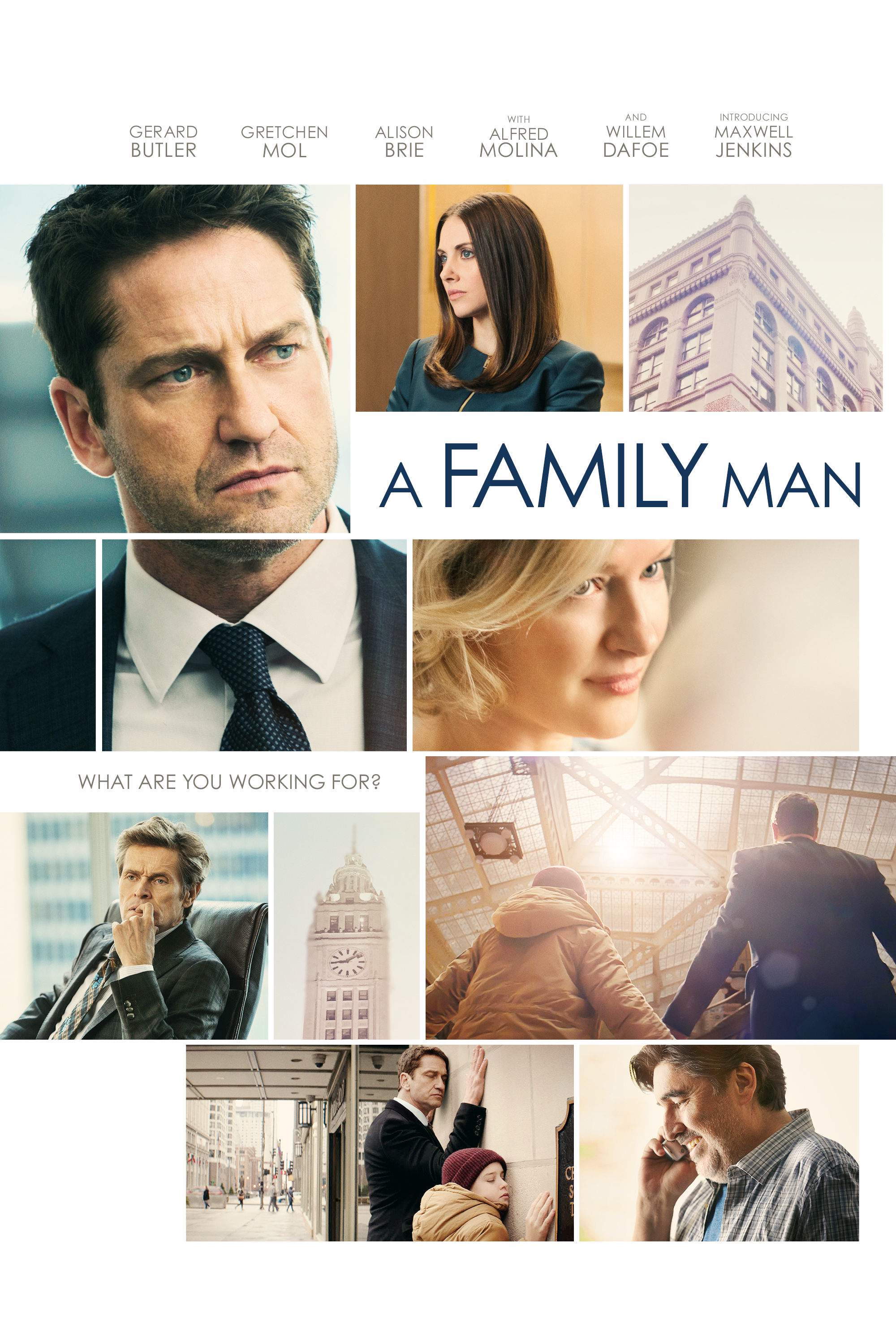
A Family Man
2017

The Family Way
1966

Changes
1991

Money Not Enough 2
2008

My Family
1995
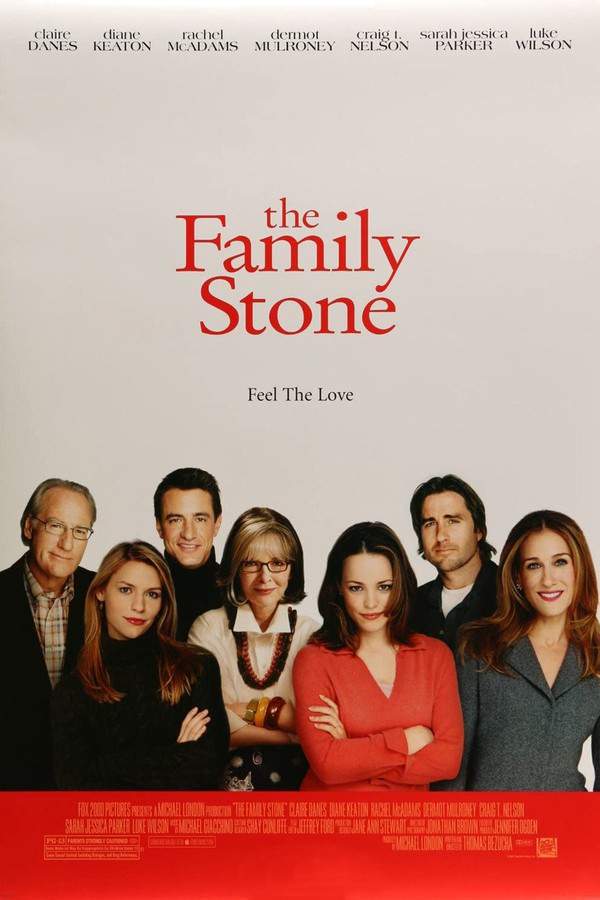
The Family Stone
2005

For Richer, for Poorer
1992

Dinner with Friends
2001
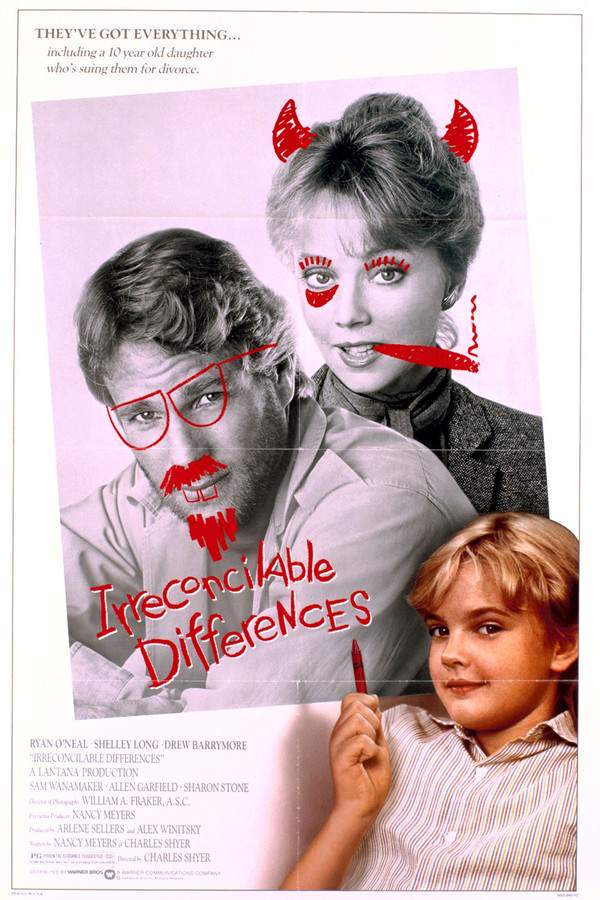
Irreconcilable Differences
1984
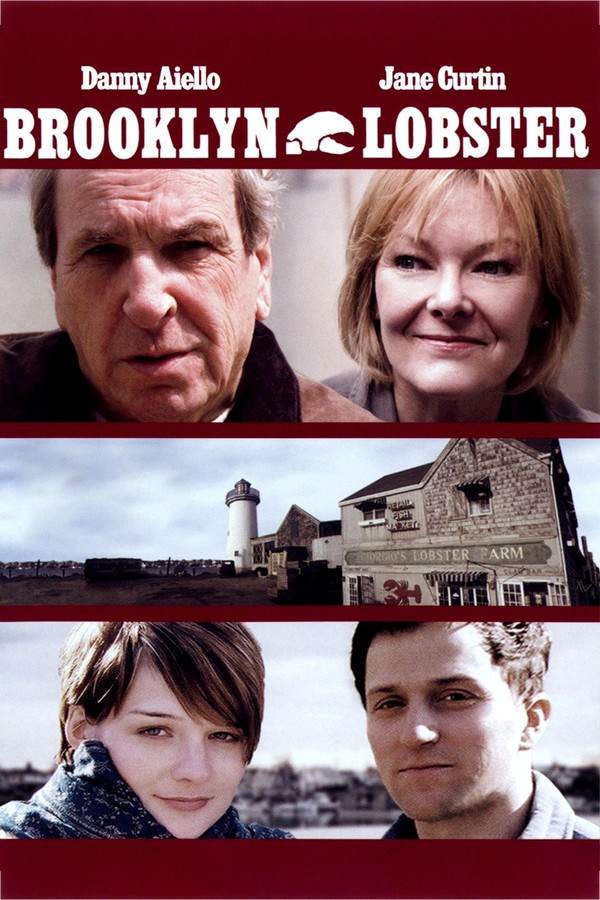
Brooklyn Lobster
2005

Stuck in Love
2013

Friends with Money
2006
-Your Ocean-uA5M7ENES4zw9g.jpg)
This Is (Not) Your Ocean
2024

Maaman
2025
Narrative Summary
These stories typically follow a family unit as it confronts a destabilizing force. The narrative unfolds through interconnected personal crises for each family member, building towards a climax that either breaks the family apart or forges a new, more honest understanding among them.
Why These Movies?
Movies in this thread share a focus on the domestic sphere as a pressure cooker. They feature medium-intensity emotional weight, a steady pacing that allows character conflicts to simmer, and a tone that balances the melancholy of strife with the possibility of hope, often resulting in a bittersweet resolution.
Movies with bittersweet reconciliations like The Dark at the Top of the Stairs
Stories where characters endure great sadness to find a cautious new beginning.For viewers who liked the journey from sorrow to cautious hope in The Dark at the Top of the Stairs, this collection highlights movies that balance sadness with redemption. These films share a pattern of characters overcoming profound struggles to achieve a realistic and emotionally satisfying, if not perfectly happy, ending.

Endings, Beginnings
2019
Changes
1991

After Everything
2023

Solace
2006

Regretting You
2025

See You in the Morning
1989

A Simple Twist of Fate
1994

Downton Abbey: The Finale
2015
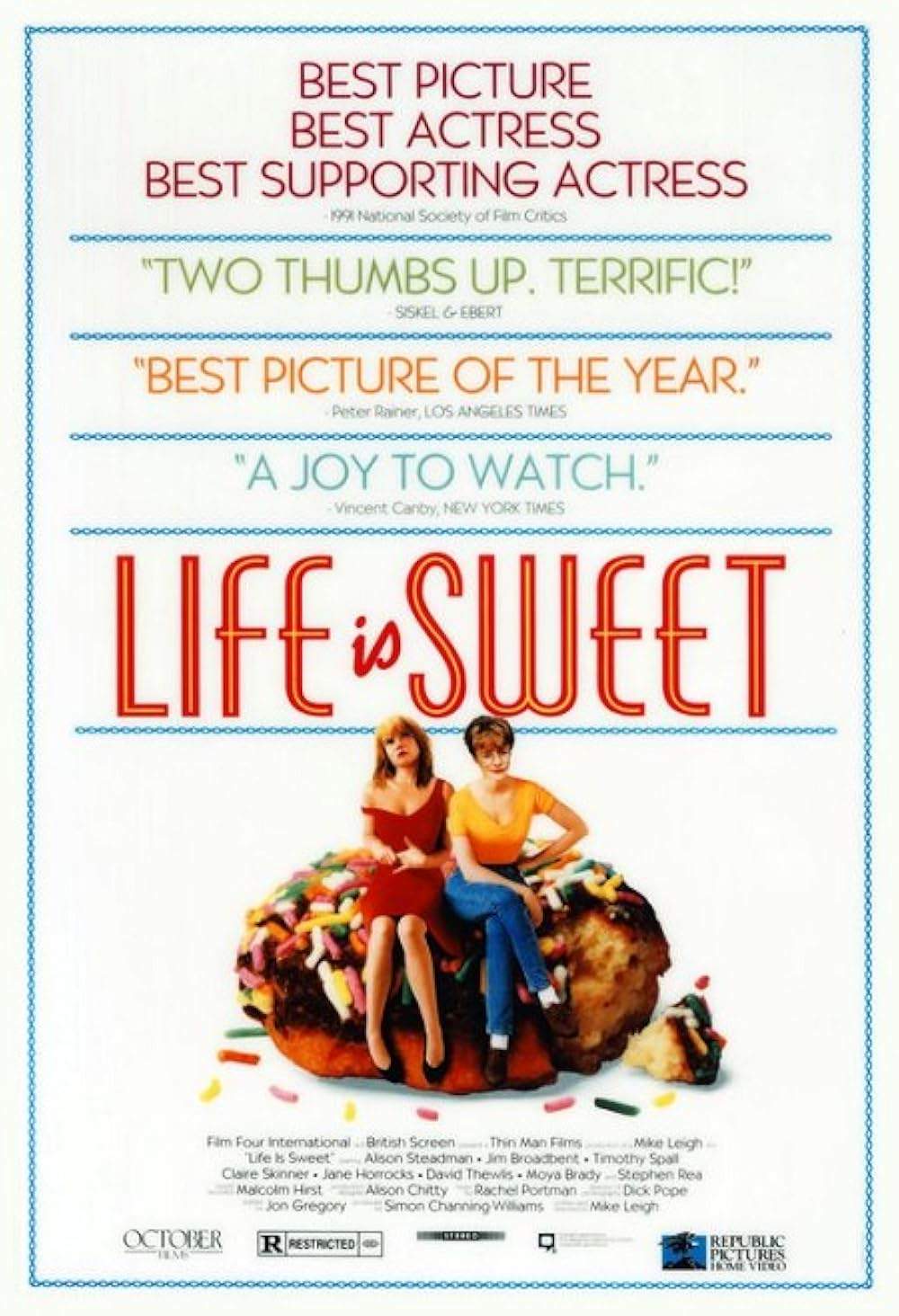
Life Is Sweet
1991

Hope Floats
1998

Delicacy
2012

Feast of Love
2007

Double Happiness
1994

One Sunday Afternoon
1933

It Takes a Man and a Woman
2013
Narrative Summary
The narrative pattern involves characters being tested by serious life events, often leading to a period of separation, grief, or profound change. The climax is not about a total victory but about acceptance, forgiveness, or a clear-eyed new start, acknowledging the scars of the past while moving forward.
Why These Movies?
These films are grouped by their distinctive emotional arc: they sustain a significant level of sadness and confront disturbing themes, yet their core tone remains bittersweet rather than bleak. They offer a cathartic experience that acknowledges pain but ultimately affirms resilience and the possibility of healing.
Unlock the Full Story of The Dark at the Top of the Stairs
Don't stop at just watching - explore The Dark at the Top of the Stairs in full detail. From the complete plot summary and scene-by-scene timeline to character breakdowns, thematic analysis, and a deep dive into the ending - every page helps you truly understand what The Dark at the Top of the Stairs is all about. Plus, discover what's next after the movie.
The Dark at the Top of the Stairs Summary
Read a complete plot summary of The Dark at the Top of the Stairs, including all key story points, character arcs, and turning points. This in-depth recap is ideal for understanding the narrative structure or reviewing what happened in the movie.

Characters, Settings & Themes in The Dark at the Top of the Stairs
Discover the characters, locations, and core themes that shape The Dark at the Top of the Stairs. Get insights into symbolic elements, setting significance, and deeper narrative meaning - ideal for thematic analysis and movie breakdowns.


Similar Movies to The Dark at the Top of the Stairs
Discover movies like The Dark at the Top of the Stairs that share similar genres, themes, and storytelling elements. Whether you’re drawn to the atmosphere, character arcs, or plot structure, these curated recommendations will help you explore more films you’ll love.
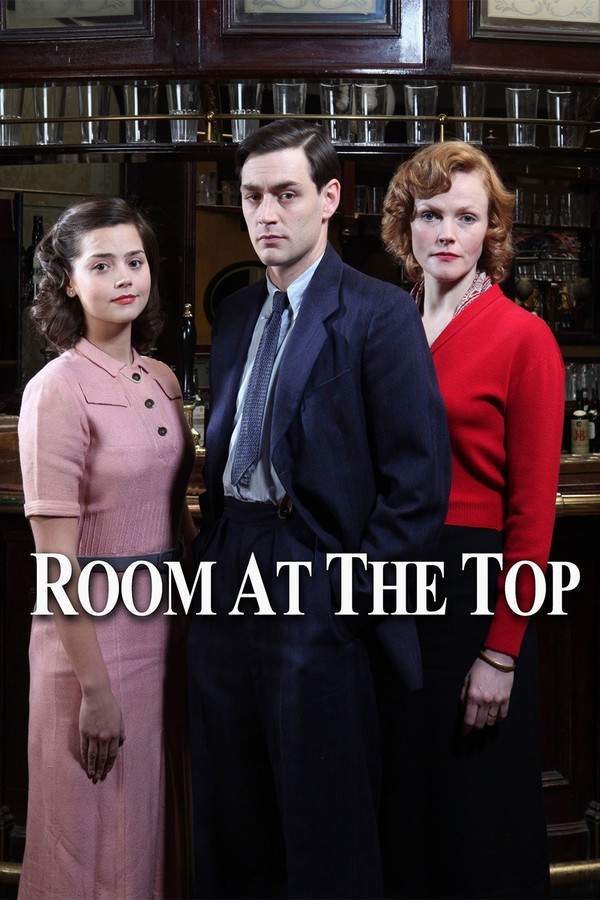
Room at the Top
1959

Dark Crimes
2018
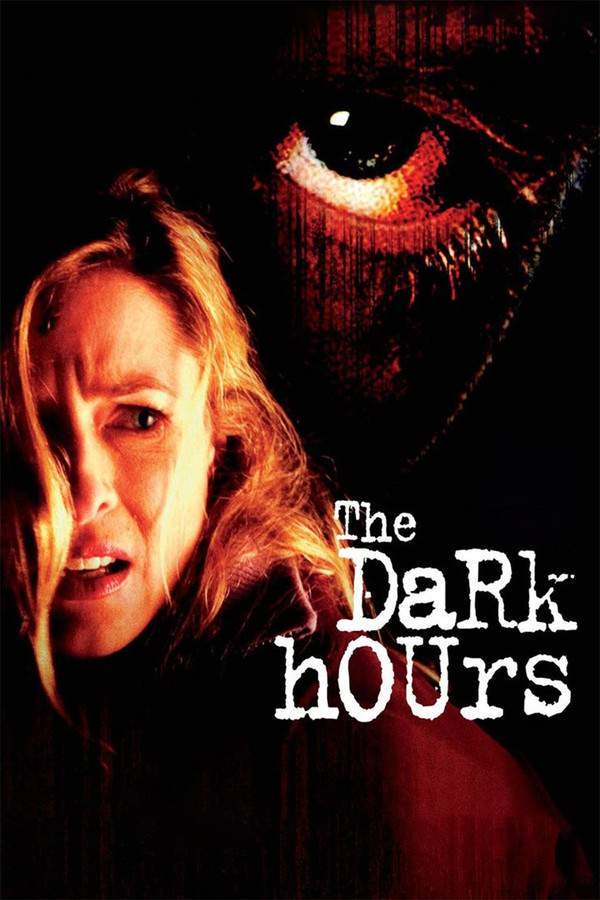
The Dark Hours
2005
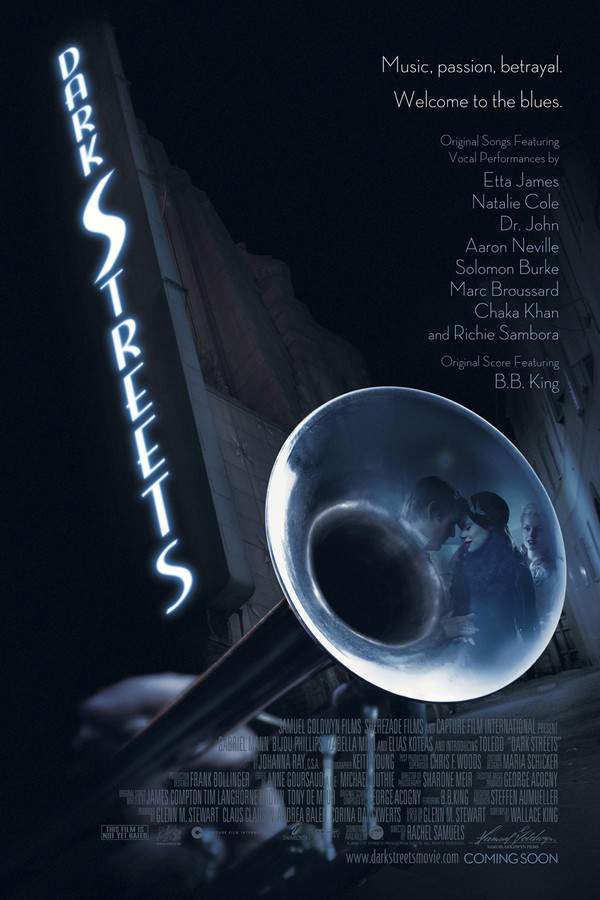
Dark Streets
2008

Dancing in the Dark
1986

Dark Obsession
1989

The Darkside
1987

Man, Woman and Sin
1927

Tarnished Lady
1931

Darkness Falls
1999

Man at the Top
1973

The Dark Angel
1935

They Call It Sin
1932

Success at Any Price
1934

Keys to Tulsa
1997
Explore More About Movie The Dark at the Top of the Stairs
The Dark at the Top of the Stairs (1960) Plot Summary & Movie Recap
The Dark at the Top of the Stairs (1960) Scene-by-Scene Movie Timeline
The Dark at the Top of the Stairs (1960) Spoiler-Free Summary & Key Flow
Movies Like The Dark at the Top of the Stairs – Similar Titles You’ll Enjoy
Room at the Top (1959) Detailed Story Recap
Dark Crimes (2018) Detailed Story Recap
The Dark Hours (2005) Story Summary & Characters
Dark Streets (2008) Full Movie Breakdown
Dancing in the Dark (1986) Detailed Story Recap
Dark Obsession (1989) Ending Explained & Film Insights
The Darkside (1987) Ending Explained & Film Insights
Man, Woman and Sin (1927) Detailed Story Recap
Tarnished Lady (1931) Detailed Story Recap
Darkness Falls (1999) Full Movie Breakdown
Man at the Top (1973) Complete Plot Breakdown
The Dark Angel (1935) Film Overview & Timeline
They Call It Sin (1932) Story Summary & Characters
Success at Any Price (1934) Spoiler-Packed Plot Recap
Keys to Tulsa (1997) Film Overview & Timeline