Plot Explained Spoilers guaranteed!
Plot Explained

Browse by genre

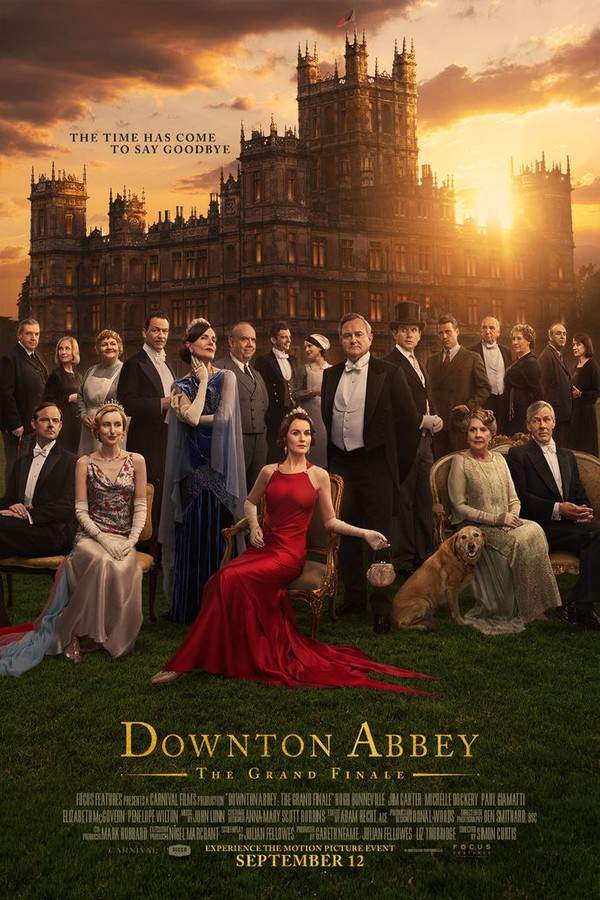
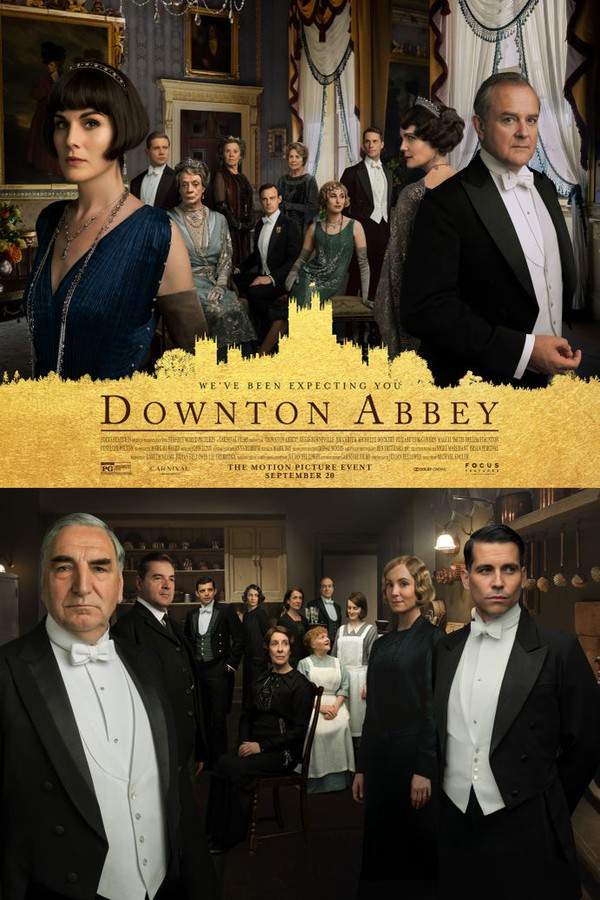
Downton Abbey: The Finale (2015) movie poster

Plot Summary

Downton Abbey: The Finale (2015) Plot Summary Explained

Release, runtime and language
2015 · 93 mins · English
Loading streaming availability…
Directed by
Michael Engler
Starring
Allen Leech, Matthew Goode, Lily James, Maggie Smith, Hugh Bonneville, Michael Cochrane

This two-hour Christmas special serves as the series finale, focusing on the lives of the Crawley family and their servants. Mary attempts to reconcile with her sister, while Edith’s past continues to cause complications. Henry adjusts to life as a husband and stepfather, but integrating into the Downton household presents unexpected challenges. The special explores the evolving relationships and future prospects for all the beloved characters.

On this page (5)
  1. 1 Where to watch
  2. 2 What happens: full plot
  3. 3 Plot questions answered
  4. 4 Movie threads
  5. 5 Every angle
Loading streaming availability…

Full plot summary · contains spoilers

What Happens in Downton Abbey: The Finale: Full Plot Summary

The whole story of Downton Abbey: The Finale (2015) explained, from the opening scene to the final frame: every key event, every twist and what it all adds up to. Read it as a quick recap before the sequel, to check a scene you missed, or to finally understand what really happened.

In 1930 London, the Crawleys gather for a night at the theatre, with the family, except Mary Crawley, watching a play that stars Guy Dexter while Noël Coward also holds court as the playwright. Backstage, they run into Dexter, Coward, and the former Downton Abbey butler Thomas Barrow, who now serves as Dexter’s assistant and, intriguingly, his partner. The glimpse behind the scenes hints at shifting loyalties and new alliances, even as the public spectacle promises to keep Downton in the spotlight.

The following day at Lady Petersfield’s ball, the mood changes as news reaches the crowd: Mary Crawley and Henry Talbot are divorcing. The social tide grows chilly, and Mary faces the melancholy fact that royal spectators are expected at these gatherings, which complicates any attempt to salvage the Crawleys’ standing. The weight of this personal upheaval rests on Mary’s shoulders as the family weighs how to respond.

Meanwhile, Robert and Cora return to Downton Abbey, while Mary remains at Grantham House to welcome Cora’s brother, Harold Levinson, who has come from America after their mother Martha’s death. Harold is accompanied by a financial adviser, implied to have saved Harold from ruin by pulling investments just before the 1929 crash. Harold Levinson and Mary find themselves drawn to one another, sharing drinks and, ultimately, a night together. The party then travels to Downton, where Harold reveals that he has squandered their mother’s fortune on poor investments and now hopes to invest Downton’s remaining assets to recover losses and settle his debt to his adviser.

The divorce casts a chill over the neighborhood, and Downton’s neighbors begin to shun the family, declined invitations, and question the future of the estate. Robert, still reeling from the fallout, resists Mary’s suggestion to sell Grantham House in London to raise capital. When the family refuses Sambrook’s proposal to invest Downton’s income, he tries to blackmail Mary about their previous liaison. Amidst the tension, Tom Branson arrives with his daughter Sybbie, bringing a sense of new beginnings and responsibility to the household.

At Royal Ascot, a friend of Tom’s reveals that Sambrook is a fraud who has swindled others and escaped imprisonment. Realizing Sambrook’s serial embezzlement, Tom warns the Crawleys and Harold. Edith confronts Sambrook, forcing him to leave, and, in a quiet moment, Mary tersely dismisses him. Harold, remorseful, reconciles with Cora before returning to America, leaving Downton to navigate the rebuilding path.

Tom Branson and Bertie Pelham urge Robert to see Mary’s leadership as a gift to Downton, and Robert ultimately entrusts the running of the estate to her. The family and staff prepare to shift toward the Downton dower house, taking John and Anna Bates with them; Anna becomes Cora’s lady’s maid while Baxter remains closely tied to Mary. The trio of Dexter, Coward, and Barrow are on their way to Downton Abbey, sparking a renewed sense of purpose as Edith and Cora see an opportunity to rehabilitate Mary’s reputation by rallying the village’s attention ahead of their visit. Mr Molesley, who has left his screenwriting work behind to return as a footman, hopes to catch the guests’ eye; Coward is impressed by his script for The Gambler, while Molesley’s chat with Coward helps him suggest the title for Coward’s upcoming Private Lives, inspired by Mary’s divorce. The dinner that evening is a success, and the Crawleys regain their reputation. Daisy Parker, now Downton’s head cook, oversees her first large dinner with confidence.

Isobel Crawley, Lady Merton, helps organize the county fair and clashes with the traditionalist Sir Hector Moreland about the event’s direction. Seeking fresh perspectives, Isobel invites Daisy and Downton’s retired butler to join the committee, and they back Isobel’s modern approach. When Sir Hector rails against Mary presenting the fair’s main award, Isobel deftly outmaneuvers him; Mary then presents the award to Mr Mason, the husband of Mrs Patmore and Daisy’s former father-in-law, signaling a hopeful shift in Downton’s social alliances.

As the household gathers its resolve, Robert and Cora, along with Edith, express renewed confidence in Mary’s ability to manage Downton Abbey. Mary experiences flashbacks to past losses as she and her parents walk the grounds, preparing, in effect, for a new chapter in the estate’s life together. A mid-credits scene shows the couples enjoying one another’s company and Mary reading to her children, a quiet reminder of the family’s enduring bond and the unspoken promise of renewal.

Last updated: October 14, 2025 at 04:07

Was this helpful?

Plot questions answered

Downton Abbey: The Finale Plot Explained: Your Questions Answered

The questions people ask most about Downton Abbey: The Finale (2015): what happens in the confusing scenes, why the characters do what they do, the twists, hidden details and what the ending means. Each answer contains spoilers.

Q1

Why is Thomas Barrow working for Guy Dexter in the finale?

Thomas Barrow, formerly Downton Abbey's under-butler, left service to become Guy Dexter's assistant. The finale reveals that Barrow and Dexter are now partners, both personally and professionally, suggesting they have built a life together in London. This represents Barrow's escape from the social constraints of 1930s England, where same-sex relationships were closeted.

Foreshadowing: The backstage encounter in London foreshadows Barrow's new life and hints at the support network he has built outside Downton.

  • thomas barrow
  • guy dexter
  • partner
  • downton abbey
  • finale
Q2

Why did Mary and Henry get divorced in the finale?

The divorce is revealed when the Crawleys attend Lady Petersfield's ball, where Mary's marital status becomes public knowledge after Henry departs. While the specific reasons aren't detailed in the summary, the divorce carries significant social consequences for Mary and the family, as royal attendees at the ball prompt Mary's removal from the guest list.

  • mary talbot
  • henry talbot
  • divorce
  • downton
Q3

Why does Harold Levinson come to Downton in the finale?

Harold Levinson arrives at Downton after his mother Martha's death, revealing he has squandered her fortune on poor investments. He comes seeking to invest Downton's remaining assets to recover his losses and repay his financial adviser, Gus Sambrook, who allegedly saved him from ruin during the 1929 crash.

  • harold levinson
  • martha levinson
  • investments
  • financial ruin
  • downton
Q4

Who is Gus Sambrook and why does he blackmail Mary?

Gus Sambrook is a financial adviser who accompanied Harold to Downton, claiming to have saved Harold from the 1929 crash. However, he is revealed to be a serial embezzler who has swindled multiple clients. When the Crawleys refuse his investment proposal, Sambrook attempts to blackmail Mary about their brief affair to force her cooperation.

Foreshadowing: Tom Branson and Bertie Pelham's warnings about Sambrook foreshadow his true fraudulent nature.

  • gus sambrook
  • blackmail
  • mary
  • embezzlement
  • fraud
Q5

Why does Mary end up running Downton Abbey?

After Tom Branson and Bertie Pelham convince Robert that Mary has Downton's best interests at heart despite the divorce scandal, Robert entrusts her with running the estate. This marks a significant shift in the family's leadership structure, with Mary taking on greater responsibility as the family prepares to move to the dower house.

  • mary crawley
  • downton abbey
  • leadership
  • robert crawley
  • estate
Q6

How does the visit from Dexter, Coward, and Barrow help Mary's reputation?

Edith and Cora orchestrate a visit from theatre stars Guy Dexter and Noël Coward, along with Thomas Barrow, to rehabilitate Mary's reputation after her divorce. The planned dinner and village buzz about the luminaries' visit succeed in restoring the Crawleys' social standing among their neighbors.

Foreshadowing: The London theatre encounter sets up this reputation rehabilitation storyline.

  • guy dexter
  • noël coward
  • thomas barrow
  • reputation
  • dinner
  • downton
Q7

Why does Mary present the award to Mr. Mason at the county fair?

At the county fair, Isobel Crawley orchestrates a strategic victory over traditionalist Sir Hector Moreland by having Mary present the main award to Mr. Mason, who is Mrs. Patmore's husband and Daisy Parker’s former father-in-law. This moment symbolizes a shift in Downton's social alliances, bridging class divides and affirming Mary's leadership.

  • mary mason
  • county fair
  • mr mason
  • award
  • isobel crawley
Q8

How does Mary's divorce inspire Private Lives?

During a conversation with Mr. Molesley, Noël Coward learns about Mary's divorce situation. This conversation, combined with Molesley's scriptwriting background, reportedly inspires Coward to title his upcoming play Private Lives, directly connecting Mary's personal circumstances to theatrical history.

  • noël coward
  • private lives
  • molesley
  • divorce
  • title inspiration
Q9

Why does Daisy become head cook in the finale?

Daisy Parker, formerly a kitchen maid, has risen to become Downton's head cook by the time of the 1930 finale. She oversees her first large dinner with confidence during the visit from Dexter and Coward, marking a significant career progression and reflecting the changes in Downton's household over the years.

  • daisy parker
  • head cook
  • downton
  • mrs patmore
  • promotion
Q10

Why does Anna become Cora's lady's maid in the finale?

As the family prepares to move to the dower house, John and Anna Bates join them, with Anna transitioning to become Cora's lady's maid. Baxter remains in service to Mary, marking a major household reshuffle that follows the family's transition to smaller quarters.

  • anna bates
  • cora
  • ladys maid
  • household
  • downton dower house
Q11

What do Mary's flashbacks represent in the finale?

As Mary walks the grounds with her parents preparing for the move to the dower house, she experiences flashbacks to past losses, including her late husband Matthew. These memories underscore her emotional journey and growth, highlighting how she has overcome tragedy to assume leadership of the estate.

  • mary crawley
  • flashbacks
  • matthew
  • loss
  • growth
  • downton

Movie threads

More Movies Like Downton Abbey: The Finale, by Mood & Story

Curated lists built around what makes Downton Abbey: The Finale tick: the same mood, the same kind of story or the same emotional payoff. Each list explains why these movies belong together.

Bittersweet Family Finales like Downton Abbey: The Finale

Hopeful goodbyes that honor both the past and the future. Fans of Downton Abbey: The Finale will enjoy these movies that feature a bittersweet yet hopeful conclusion to a long-running family story. This collection includes similar dramas about legacy, reconciliation, and characters finding their way forward.

  • nostalgic
  • hopeful
  • melancholic
  • sentimental
  • reflective
  • upbeat
  • Tone: bittersweet, hopeful, reflective
  • Pacing: steady, character-driven
Why these movies?

The story pattern: Narratives in this thread build towards a final chapter, weaving together multiple character arcs to deliver a conclusion that acknowledges loss and change while emphasizing resilience and continuity. The journey is often steady and reflective, culminating in an emotional but ultimately uplifting resolution.

Why they belong together: Movies are grouped here for their shared tone of heartfelt farewell, their focus on familial bonds under pressure, and their ability to deliver a deeply satisfying, hopeful ending after navigating personal and social challenges.

Estate Dramas of Manners and Change like Downton Abbey: The Finale

Stories of tradition clashing with modernity within a grand household. If you liked the setting and themes of Downton Abbey: The Finale, explore these movies about wealthy families and their servants navigating social change, financial crises, and personal struggles within a grand historical home.

  • reflective
  • dramatic
  • nostalgic
  • sentimental
  • nuanced
  • traditional
  • Tone: dramatic, reflective, nuanced
  • Pacing: steady, deliberate
Why these movies?

The story pattern: The narrative pattern involves a large, interconnected cast whose personal stories are intertwined with the fate of their home. Plots revolve around preserving reputation, managing legacy, and the tensions between upstairs and downstairs, all set against a backdrop of a changing world.

Why they belong together: These movies share a specific world and thematic focus: the drama of a hierarchical household, the weight of legacy, and the personal journeys of characters grappling with social evolution and their place within a traditional structure.

Every angle

Downton Abbey: The Finale (2015) Explained: Plot, Timeline & Characters

Everything about Downton Abbey: The Finale in one place: what happens in the plot summary, the timeline in chronological order, the characters and meaning and a spoiler-free summary. What's After the Movie adds the cast, box office and post-credit scenes.

Coming soon on iOS and Android

The Plot Explained Movie Summary App

Plot summaries, endings explained and timelines on your phone. Catch up on any movie in minutes, save your favorites and never miss a twist again.

Be the first to know when we launch. Your email stays private, always.

Learn more about the app