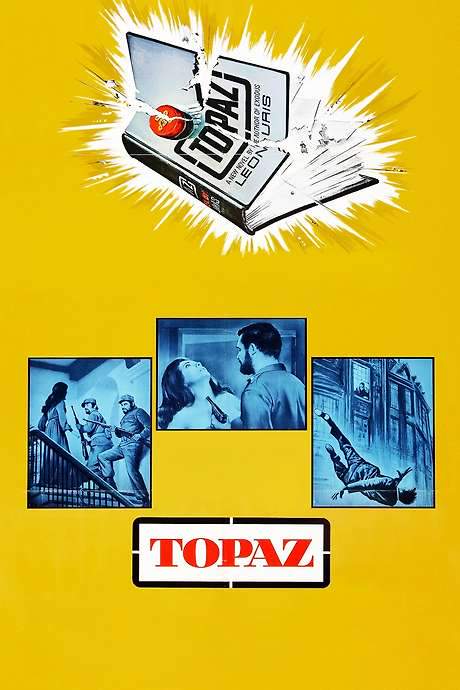
In the summer of 1962 Warsaw is a city caught between the iron grip of Soviet influence and the tremor of a world on the brink of nuclear war. The Cuban Missile Crisis hangs heavy in the air, turning every street corner into a silent standoff and every conversation into a potential flashpoint. Against this backdrop, the austere halls of the Palace of Culture and Science become a stage where politics, nerves, and old rivalries collide, setting a mood that crackles with both palpable tension and a lingering, almost cinematic melancholy.
Josh Mansky is a former U.S. chess champion whose reputation for brilliance is matched only by the shadows of his own personal demons. Once celebrated for out‑witting the greatest minds on the board, he now carries the weight of a troubled past and a dependence on alcohol that both dulls and sharpens his perception. When a sudden vacancy forces the American side to seek a replacement for a high‑profile match, Mansky finds himself thrust back into the glare of international scrutiny, a reluctant hero summoned by circumstance rather than ambition.
The heart of the story revolves around a public showdown with the Soviet champion—a duel that is as much about the moving pieces on the board as it is about the invisible forces tugging at each side’s sleeves. Beneath the formalities of the tournament lies an undercurrent of espionage, a covert mission that forces Mansky to navigate a maze of secret agendas, whispered negotiations, and the ever‑present threat of a misstep that could ripple far beyond a single game. The chessboard becomes a metaphor for the larger Cold War chess match, where every decision carries weight far heavier than a simple win or loss.
Stylistically, the film blends the quiet intensity of a classic cerebral thriller with the stark, cold aesthetics of a 1960s espionage drama. The atmosphere is thick with smoke‑filled rooms, hushed conversations, and the ever‑watchful eyes of unseen observers. As Mansky balances his own inner battles with the external pressures of a world on edge, the audience is drawn into a narrative that promises intrigue, psychological depth, and a haunting reminder that sometimes the most dangerous games are the ones played in the shadows.