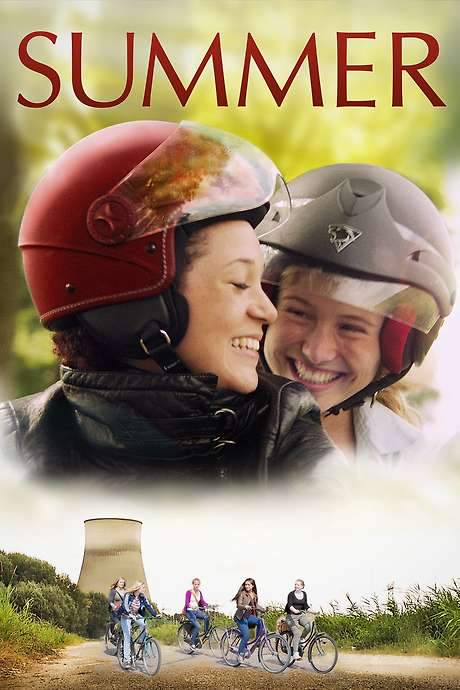
In a remote village in the Southern Netherlands, sixteen-year-old Anne tries to navigate a long, sweltering summer. The landscape feels endless, with fields stretching to the horizon and electricity cables humming overhead, a soundtrack to a community where everyone knows everyone else. Weekdays slip by as the kids cycle to school along breezy lanes, and weekends bring moments of carefree fun on dike roads or while boating on the lake, where the girls show off their bikinis and the boys wear oversized Hawaiian trunks. The atmosphere is warm and a little volatile, a perfect stage for growing pains to unfold.
Then Lena arrives, a newcomer who rides a motorbike and wears leather like a second skin, radiating a different energy from anyone the village has seen before. The two meet at the fuel station where Anne works on Saturdays and Sundays, and an undeniable spark begins to flicker between them. The spark quickly becomes something more: a pull that Anne finds hard to resist even as she struggles to understand it. Their connection grows in small, intimate moments and in the charged, crowded spaces of local bars and clubs, where Lena seems to be just as drawn to Anne as she is to her.
For Anne, the feelings are tender and bewildering, blending fear with a fierce longing. The summer becomes a canvas on which their quiet, awkward romance paints itself in bright, uncertain strokes. The two navigate the shifts of attention, the sideways glances, and the sense that something essential is shifting inside them—a shift that they cannot pretend not to feel. In public spaces, they search for each other amid laughter, music, and the glow of summer nights, each moment edged with the tension of secrecy and discovery.
One night, after they finally find each other, they leave the village disco for a meadow, hoping for privacy and a moment of pure togetherness. Instead, they are followed, mocked, and insulted by the crowd, their privacy invaded and their courage tested. Yet this cruel reception does not break them; it deepens their bond and tests the limits of what they’re willing to endure for the sake of what they feel.
As the season unfolds, the heat intensifies not only in the air but in the relationships around them. The tight-knit circle of friends begins to crack, the ties that once felt unbreakable growing frayed as everyone grapples with independence and the desire to carve out their own paths. Among the evolving dynamics, Carlijn and Agnes witness the changes that come with growing up, each responding in their own way to the pressure and possibility of a future beyond the village’s familiar edge.
Summer is a quiet, observant meditation on what it means to grow up: the ache of wanting freedom while still craving belonging, the tenderness and awkwardness of first loves, and the way a single season can alter friendships and futures. The film holds a steady, compassionate lens on its characters, allowing their desires and doubts to feel real, earned, and deeply human. Its mood is sunlit yet introspective, a portrait of adolescence that respects the messiness, the beauty, and the inevitable disintegration that sometimes accompanies the first steps toward independence.