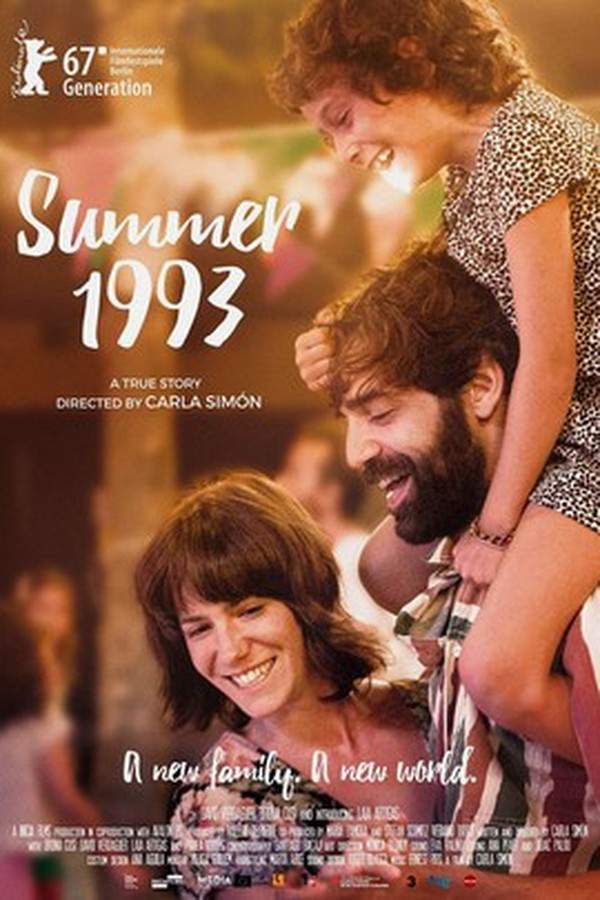












Summer 1993

Summer 1993

Year: 2018

Runtime: 97 min

Language: Catalan

Director: Carla Simón

Echo Score: 83

Budget: $960K

DramaFamily

During the summer of 1993, a young girl named Frida experiences a significant change in her life after the loss of her parents. Living in a beautiful Catalan province, she struggles to adapt to her new guardians while also caring for her younger sister. Amidst the challenges of country life and feelings of jealousy, Frida's innocence leads her to run away. However, joyful family moments—from festive celebrations to lively garden parties filled with jazz music—offer solace and help them find a sense of harmony.

Warning: spoilers below!

Haven’t seen Summer 1993 yet? This summary contains major spoilers. Bookmark the page, watch the movie, and come back for the full breakdown. If you're ready, scroll on and relive the story!

Timeline – Summer 1993 (2018)

Trace every key event in Summer 1993 (2018) with our detailed, chronological timeline. Perfect for unpacking nonlinear stories, spotting hidden connections, and understanding how each scene builds toward the film’s climax. Whether you're revisiting or decoding for the first time, this timeline gives you the full picture.

1

Move from Barcelona to the countryside home

Frida leaves Barcelona to live with her adoptive parents, Marga and Esteve, in a quiet countryside home. The new rhythm is intimate and tense, framed by small rituals that tether Frida to memories of her mother. Her sense of belonging is fragile as she navigates the unfamiliar landscape around her.

countryside home
2

Virgin Mary statue found in the woods

Frida discovers a Virgin Mary statue tucked away in a dirt-cleared space in the woods, a recurring motif that anchors her sense of a mother present in absence. She returns to the clearing often, leaving offerings such as cigarettes and a polka-dotted garment for a mother she barely remembers. The statue becomes a touchstone for Frida's memory and longing.

woods clearing
3

Meat shop hint of mother's illness

In a meat shop, Marga hints at Frida's mother's frail health, suggesting pneumonia without confirming it. The implication casts a shadow over the family's daily rhythm and foreshadows illness that tests the household's sense of safety. The moment seeds an undercurrent of fragility that threads through their days.

meat shop
4

Doctor visit and further tests

A visit to the doctor follows, with talk of more tests to confirm earlier results. The prospect of medical scrutiny casts a pall over Frida's growing sense of safety and routine. The adults discuss worry in a way that permeates the home, heightening the sense of uncertainty.

doctor's office
5

Playful domestic ritual and mother's memory

Back home, Frida and Anna slip into play, experimenting with makeup and a fur boa while the mood remains unsettled. Their pretend game shifts toward mother and child, though Frida resists when Anna asks her to join in, citing that she’s sore. The scene closes with Frida praying over her mother’s communion card, grounding her in memory as the present demands attention.

that night home
6

Irene on the playground

Frida meets Irene, a classmate whose answers come with movement away from Frida, signaling evolving social dynamics. Irene’s distancing adds a layer of complexity to Frida’s sense of belonging. Marga intervenes, guiding the interaction and highlighting the adults’ role in shaping boundaries among children.

playground
7

Grandparents' visit and memories of the mother

Avi and Àvia visit, reframing the family’s expectations and reintroducing the memory of Frida’s mother. Lola appears later, offering a softer, more maternal presence that contrasts with frictions at home. The visit deepens Frida’s sense of belonging while reminding her of the complexities of family history.

grandparents' home
8

Anna dances with Esteve; Frida's isolation

That night, Anna dances with Esteve, marking a moment of tenderness shadowed by Frida’s growing sense of isolation. Frida watches the closeness around them, which intensifies her feeling of being on the outside. The domestic warmth around her becomes a source of quiet tension.

that night home
9

Frida leads Anna into the forest; the game turns risky

The next day, Frida leads Anna into the forest and asks her to hide, but the game goes awry when Anna returns with a cast on her arm. Adults debate boundaries while Esteve defends Frida, agreeing to set firmer limits. The incident sharpens questions about care, culpability, and the boundaries of Frida’s autonomy.

the next day forest
10

Push-pull over autonomy: swimming request

As days pass, Frida asks to go swimming, but Esteve momentarily delays, underscoring the ongoing pull between care and autonomy. The family’s routines continue, while a quiet unease about Frida’s behavior lingers in the background. This small request becomes another measure of parental control and Frida’s desire for freedom.

swimming area
11

The car separation during a family visit

During a family visit, Frida expresses a wish for Lola to stay, and Esteve must physically remove Frida from the car, signaling a painful separation and the fragility of security she seeks. The moment crystallizes the growing distance between Frida and the adults who care for her. The car becomes a liminal space where boundaries and affection are negotiated.

during a family visit car
12

Flight impulse: packing and leaving

That night, Frida packs dolls and toys and contemplates leaving, even handing Anna her Barbie as she laments a sense that she is unloved at home. She hides behind the house as night falls, contemplating a departure that is ultimately postponed to another day. The moment captures the ache of belonging and the lure of escape.

that night home
13

Mother’s death explained: the virus and last words

While preparing her math book for school, Frida asks about her mother’s death, and Marga explains that a virus caused the illness and that doctors tried their best. The absence of last words is acknowledged with quiet honesty, and Frida asks if Marga herself might fall ill, receiving a reassuring no. The moment ties memory to illness and vulnerability within the family’s narrative.

final stretch home
14

Closing bed scene: fragility and closeness

Esteve, Anna, and Frida lie together on a bed in new nightgowns, sharing a fragile moment of closeness that is interrupted by Frida’s sudden sobs. The adults gather to soothe her, underscoring both the tenderness and fragility of their bonds. The camera lingers on the bed, returning to memory and the enduring, uncertain hope of their future together.

ending bedroom

Last Updated: November 25, 2025 at 01:01

Mobile App Preview

Coming soon on iOS and Android

The Plot Explained Mobile App

From blockbusters to hidden gems — dive into movie stories anytime, anywhere. Save your favorites, discover plots faster, and never miss a twist again.

Sign up to be the first to know when we launch. Your email stays private — always.

Explore Movie Threads

Discover curated groups of movies connected by mood, themes, and story style. Browse collections built around emotion, atmosphere, and narrative focus to easily find films that match what you feel like watching right now.

Movies about a child's perspective on grief like Summer 1993

Stories that explore profound loss through a child's limited but sensitive perspective.Discover movies like Summer 1993 that handle themes of loss and family change from a child's point of view. These films are quiet, observant, and deeply moving, focusing on emotional authenticity over plot-driven drama. If you appreciated the tender portrayal of Frida's journey, you'll find similar powerful stories here.

childlikemelancholicobservationaltenderbittersweetquietintrospectivenostalgic

Narrative Summary

The narrative typically follows a linear, straightforward path, centered on the child protagonist's daily life as they navigate a new and confusing reality after a major loss. Conflict is internal and subtle, arising from the struggle to adapt, understand complex emotions, and find a place within a changed family dynamic. The story unfolds through small, intimate moments rather than grand plot twists.

Why These Movies?

Movies are grouped here for their shared commitment to portraying grief with a quiet, observational realism, prioritizing a child's emotional truth. They share a melancholic tone, slow pacing that allows for reflection, and a bittersweet emotional quality that acknowledges pain while finding glimmers of connection and resilience.

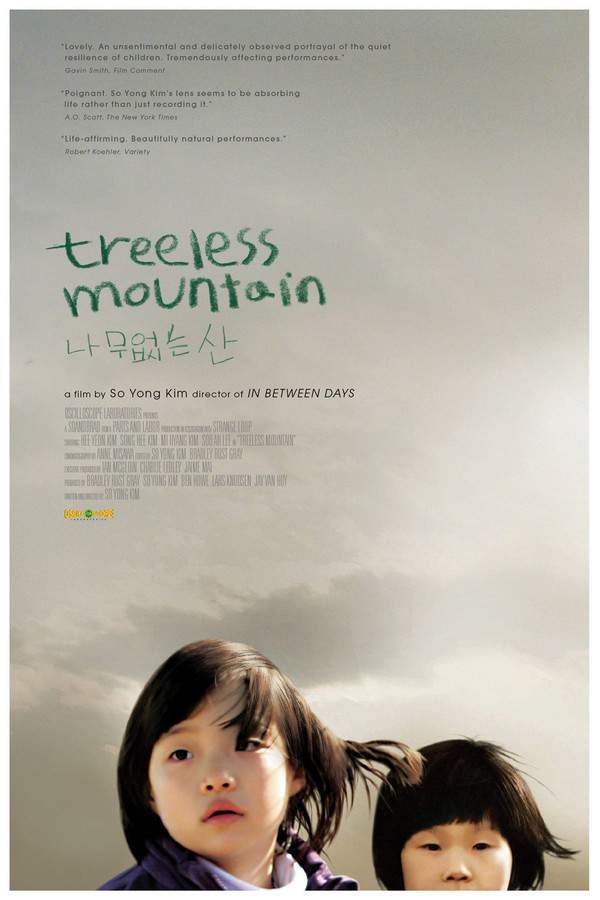
Quiet rural dramas with a melancholic tone like Summer 1993

Emotional stories set against a beautiful, tranquil countryside that contrasts with inner turmoil.If you liked the peaceful Catalan setting and bittersweet mood of Summer 1993, explore this collection of similar movies. These films combine beautiful natural landscapes with stories of personal adaptation and quiet emotional weight, offering a contemplative and deeply felt viewing experience for fans of slow-paced, character-driven drama.

melancholicbittersweetquietruralcontemplativenostalgictenderpeaceful

Narrative Summary

The narrative pattern involves characters seeking or being placed in a rural retreat, often to cope with loss or change. The plot is driven by internal conflict and the gradual process of adaptation, interspersed with moments of simple joy and connection found in nature and community. The ending is typically hopeful yet realistic, acknowledging that some sorrow remains.

Why These Movies?

These films share a specific atmospheric blend: a slow, deliberate pace; a melancholic yet tender tone; and a setting that is almost a character in itself. The combination of natural beauty with personal grief creates a unique vibe that is both soothing and sorrowful, appealing to viewers looking for reflective, emotionally resonant stories.

Unlock the Full Story of Summer 1993

Don't stop at just watching — explore Summer 1993 in full detail. From the complete plot summary and scene-by-scene timeline to character breakdowns, thematic analysis, and a deep dive into the ending — every page helps you truly understand what Summer 1993 is all about. Plus, discover what's next after the movie.

Summer 1993 Summary

Read a complete plot summary of Summer 1993, including all key story points, character arcs, and turning points. This in-depth recap is ideal for understanding the narrative structure or reviewing what happened in the movie.

Summer 1993 Summary

Characters, Settings & Themes in Summer 1993

Discover the characters, locations, and core themes that shape Summer 1993. Get insights into symbolic elements, setting significance, and deeper narrative meaning — ideal for thematic analysis and movie breakdowns.

Characters, Settings & Themes in Summer 1993

Summer 1993 Spoiler-Free Summary

Get a quick, spoiler-free overview of Summer 1993 that covers the main plot points and key details without revealing any major twists or spoilers. Perfect for those who want to know what to expect before diving in.

Summer 1993 Spoiler-Free Summary

More About Summer 1993

Visit What's After the Movie to explore more about Summer 1993: box office results, cast and crew info, production details, post-credit scenes, and external links — all in one place for movie fans and researchers.

More About Summer 1993

Similar Movies to Summer 1993

Discover movies like Summer 1993 that share similar genres, themes, and storytelling elements. Whether you’re drawn to the atmosphere, character arcs, or plot structure, these curated recommendations will help you explore more films you’ll love.