Plot Explained Spoilers guaranteed!
Plot Explained

Browse by genre

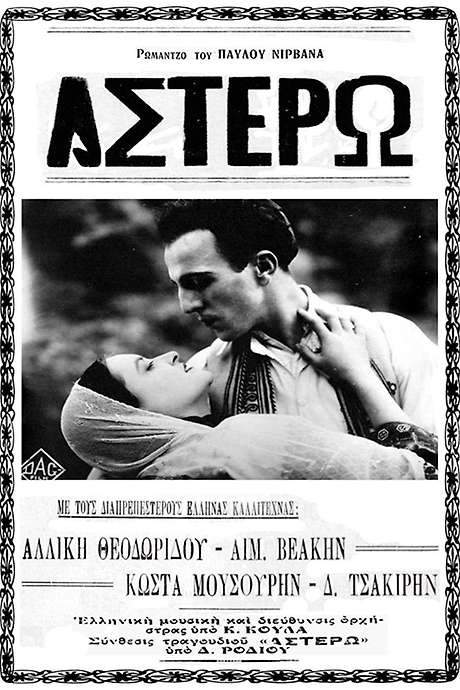
Stella (1955) movie poster

Plot Summary

Stella (1955) Plot Summary Explained

Release, runtime and language
1955 · 100 mins · Greek
Starring
Mihalis Kakogiannis, Tasso Kavadia, Alekos Alexandrakis, George Foundas, Dionysis Papagiannopoulos, Melina Mercouri

Stella follows a headstrong Greek woman who refuses to settle, reveling in freedom and carefree romances. When she falls for a promising young footballer, her desire for independence clashes with love, forcing her to confront a pivotal decision about her future as she navigates family expectations and her restless spirit.

On this page (6)
  1. 1 What happens: full plot
  2. 2 Plot questions answered
  3. 3 The book behind the movie
  4. 4 Movie threads
  5. 5 Movies like Stella
  6. 6 Every angle

Full plot summary · contains spoilers

What Happens in Stella: Full Plot Summary

The whole story of Stella (1955) explained, from the opening scene to the final frame: every key event, every twist and what it all adds up to. Read it as a quick recap before the sequel, to check a scene you missed, or to finally understand what really happened.

Stella, Melina Mercouri, is a fiercely independent rembetiko singer performing at the Paradise nightclub, living a guiltless yet turbulent life. She moves through love and flirtation with an ease that matches the rhythm of the music she sings, never letting anyone anchor her down for long. Her relationships tend to follow a familiar pattern: she grows restless, ends things before they can truly entrench, and brushes off anyone who asks for more than she’s willing to give. Among her entanglements is Alekos, Alekos Alexandrakis, the son of a wealthy family, a pairing she treats the same way—yet the pull of freedom keeps her distance even as passion flares.

When Stella encounters Miltos, George Foundas, a young soccer player, the mood shifts. At first, she resists his advances, guarding her independence with a cool, almost clinical clarity. But fascination has a way of eroding even the strongest walls, and she eventually yields to him. The terms of their connection remain hers to set, however: love on her own terms, companionship without surrender, and a degree of autonomy that she guards as fiercely as any melody she performs. The dynamic between them becomes a careful negotiation between desire and liberty, where intimacy does not automatically translate into commitment.

The tension between love and freedom intensifies as marriage looms on the horizon. Stella repeatedly rejects Miltos’ marriage proposals, choosing to preserve her autonomy even as the relationship deepens. When he finally exerts pressure—threatening to force the issue if she won’t agree to wed—she remains resolute, a choice that foreshadows a dangerous turn. The film anchors this personal drama to a historical moment: the wedding day coincides with Greece’s rejection of Mussolini’s demands to let fascist forces enter the country, a detail that surfaces as a shadow over the personal stakes at hand.

Amid the mounting pressure and the sense that time may run out for their fragile truce, Miltos’ persistence reaches a tragic climax. Stella’s fierce independence, once her defining strength, becomes the very thing that seals her fate in a violent confrontation. The story ends with Miltos killing her with a dagger, a brutal act that is followed by his arrest and the quiet, unsettled aftermath for those who knew her. In its stark, unflinching portrayal, the film leaves a lingering sense of how a life devoted to freedom can collide tragically with the demands of love.

Last updated: February 24, 2026 at 13:34

Was this helpful?

Plot questions answered

Stella Plot Explained: Your Questions Answered

The questions people ask most about Stella (1955): what happens in the confusing scenes, why the characters do what they do, the twists, hidden details and what the ending means. Each answer contains spoilers.

Q1

Why does Stella keep refusing Miltos' marriage proposals despite loving him?

Stella values her independence above all else. Throughout the film, she consistently ends relationships before they can constrain her freedom. Even though she loves Miltos, the idea of marriage represents surrender to her, the loss of autonomy she fiercely protects. She insists on love without commitment, companionship without surrender, choosing freedom over the traditional security marriage would provide.

Foreshadowing: Her pattern of leaving lovers before relationships become entrenched foreshadows her inability to accept Miltos' proposal.

  • marriage proposal
  • independence
  • freedom
  • love
  • Stella
  • Miltos
  • relationship
Q2

What causes Miltos to kill Stella at the end?

Miltos' murder of Stella stems from mounting frustration and possessiveness. After repeatedly rejecting his marriage proposals, Stella refuses to attend the church on their wedding day. This final rejection triggers his violence, he warns her that he will kill her if she refuses to marry him, and he follows through on that threat. His inability to accept her choice to remain free leads to the tragic stabbing.

Foreshadowing: Miltos' threat to kill her if she refuses to marry him directly foreshadows the violent climax.

  • murder
  • dagger
  • Miltos
  • Stella
  • wedding
  • violence
  • arrest
Q3

What is the significance of the wedding day coinciding with Greece rejecting Mussolini's demands?

The film's coincidence of the wedding day with Greece's political rejection of Mussolini's demands adds historical weight to the personal drama. On the day Greece refuses to let fascist forces enter the country, Stella also refuses, rejecting the束缚 (binding) that marriage would represent. The parallel emphasizes Stella's defiance as a kind of political as well as personal statement, showing her refusal to be conquered or constrained.

  • Mussolini
  • Greece
  • fascism
  • wedding
  • political context
  • historical
  • rejection
Q4

Why does Stella always end her relationships before they get serious?

Stella's pattern of leaving lovers stems from her uncompromising need for independence. She sees commitment as a trap that will cage her free spirit. The summary establishes that she moves through love and flirtation with ease but never lets anyone anchor her down. She chooses to end things on her own terms rather than risk being trapped in a relationship that limits her autonomy.

Foreshadowing: Her affair with Aleko, where she breaks up before the relationship becomes a constraint, establishes this pattern early in the film.

  • relationships
  • independence
  • freedom
  • pattern
  • Aleko
  • ending relationships
Q5

What does Stella mean by wanting love on her own terms?

When Stella demands love on her own terms, she means intimacy without ownership, companionship without surrender. She wants the passion and connection of a relationship without the obligations, commitment, or loss of self that traditional relationships entail. This arrangement allows her to keep one foot out the door, maintaining the freedom to leave whenever she feels constrained.

  • love
  • terms
  • independence
  • freedom
  • intimacy
  • commitment
  • autonomy
Q6

Why is Stella's independence so central to her character?

Stella's independence defines her identity as a rembetiko singer, a genre associated with outlaws and free spirits. Her blunt, unapologetic nature and her refusal to settle make freedom not just a preference but essential to who she is. The film presents her independence as both her greatest strength and ultimately her tragic flaw, as it directly leads to her violent death when she refuses to compromise it for love.

  • independence
  • freedom
  • character
  • rembetiko
  • identity
  • singer
  • autonomous
Q7

How does the relationship between Stella and Miltos develop?

Stella initially resists Miltos' advances, guarding her independence with cool clarity. Over time, fascination erodes her resistance, and she allows herself to yield, but strictly on her own terms. Their relationship becomes a negotiation between desire and liberty, where Miltos wants commitment while Stella offers companionship without surrender. The tension escalates as he pushes for marriage and she continues to refuse.

Foreshadowing: Her initial resistance to Miltos contrasts with her eventual surrender, showing how love challenges her independence.

  • relationship
  • Miltos
  • development
  • love
  • tension
  • marriage
  • negotiation
Q8

What happens to Miltos after he kills Stella?

After stabbing Stella with a dagger, Miltos awaits his arrest by the police. The film closes with law enforcement closing in on him, leaving his fate uncertain but clearly heading toward justice for the murder. The aftermath shows no redemption or escape, only the quiet, unsettled consequences of his violent act.

  • arrest
  • police
  • Miltos
  • aftermath
  • murder
  • consequences
  • dagger
Q9

What is the tragic irony of Stella's choice to remain free?

The tragic irony is that Stella's fierce independence, which she protects as her greatest strength, becomes the very thing that leads to her death. Her refusal to surrender any part of her freedom, even for love, culminates in Miltos' violent response when his possessiveness meets her defiance. The film suggests that an uncompromising commitment to freedom can collide tragically with the demands of love and society.

  • tragedy
  • irony
  • freedom
  • sacrifice
  • death
  • independence
  • love
  • conflict

Movie threads

More Movies Like Stella, by Mood & Story

Curated lists built around what makes Stella tick: the same mood, the same kind of story or the same emotional payoff. Each list explains why these movies belong together.

Fated and Passionate Tragedies like Stella

Stories where intense passion leads inexorably to a bleak and fatalistic conclusion. If you liked the tragic romance in Stella, explore more movies like it. This collection features similar stories of fated love, intense passion, and bleak outcomes where characters' desires lead to inevitable, heartbreaking consequences.

  • tragic
  • passionate
  • fatalistic
  • tense
  • volatile
  • bleak
  • Tone: tense, tragic, fatalistic
  • Pacing: steady, building
Why these movies?

The story pattern: The narrative typically follows a whirlwind romance marked by high passion and volatility. A central conflict, often between personal freedom and societal expectations or the demands of love, creates a tense atmosphere that builds steadily towards a single, tragic event. The journey is emotionally heavy, with a fatalistic tone suggesting the outcome was unavoidable.

Why they belong together: These movies are grouped by their shared focus on a specific type of tragic romance. They feature high emotional intensity, volatile relationships, and a narrative structure that feels destined for sorrow, offering a cohesive experience for viewers drawn to passionate but ultimately devastating love stories.

Movies about Uncompromising Spirits like Stella

Character-driven dramas about individuals whose fierce independence clashes with the world around them. For viewers who appreciated Stella's fierce independence, this list features similar movies about defiant characters. Discover other dramatic stories where a person's refusal to settle or conform leads to turbulent relationships and significant personal costs.

  • uncompromising
  • defiant
  • tense
  • turbulent
  • tragic consequences
  • societal conflict
  • Tone: tense, turbulent, tragic
  • Pacing: steady, character-driven
Why these movies?

The story pattern: The narrative follows a strong-willed central character, often an outsider, as they navigate a world that demands compromise. The plot is driven by their internal conflict and the resulting friction with those who love them or represent societal norms. The pacing is steady and character-focused, leading to a conclusion that underscores the high price of living an uncompromising life.

Why they belong together: These films share a core character archetype: the defiant individual. They are united by themes of independence versus obligation, and a tone that is often tense and volatile due to the protagonist's unwavering stance. The experience is centered on the emotional weight of choosing self over society.

If you liked this

Movies Like Stella

Similar movies to Stella: the same genre, themes or kind of story. Each one comes with its own plot summary, timeline and ending explained.

Browse all movie summaries

Every angle

Stella (1955) Explained: Plot, Timeline & Characters

Everything about Stella in one place: what happens in the plot summary, the timeline in chronological order, the characters and meaning and a spoiler-free summary. What's After the Movie adds the cast, box office and post-credit scenes.

Coming soon on iOS and Android

The Plot Explained Movie Summary App

Plot summaries, endings explained and timelines on your phone. Catch up on any movie in minutes, save your favorites and never miss a twist again.

Be the first to know when we launch. Your email stays private, always.

Learn more about the app