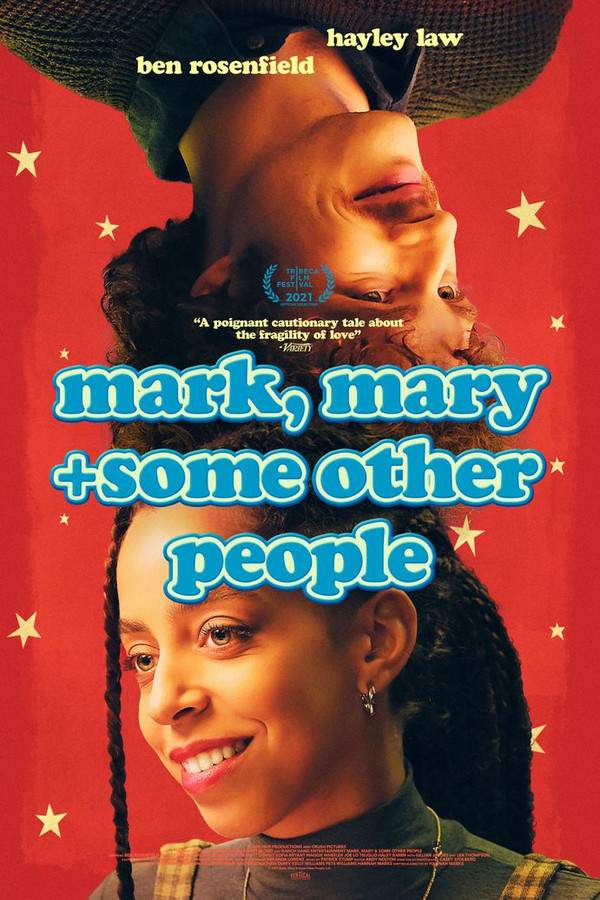
Zoe is an almost 30-year-old woman who runs an unsuccessful waxing business on the same street as Paul's adult video store. She lives in a tiny home on her landlord's land and struggles to pay rent, clinging to a routine that feels precarious yet familiar. To cope with her intimate life, she keeps a Polaroid photograph of every person she has sex with, a detail that underscores how her relationships are measured in moments rather than commitments. The story sets a tone of quiet, messy realism as she navigates her own ambitions against a backdrop of financial and emotional strain.
Paul's marriage is strained. Jane is a serious lawyer who supports their family, but the couple hasn't had sex in three months. Jane suggests that Paul consider an affair, hoping to shake loose the stagnation, yet the idea leaves Paul uneasy and is ultimately rejected. The tension at home contrasts with Zoe's increasingly entangled social world, where intimate choices begin to ripple outward.
Zoe attends Lana's wedding and later crosses paths with Paul at his store. After their brief encounter, Paul brings up the affair idea with Jane, stirring old ambiguities between honesty, desire, and duty. Jane, meanwhile, tries to pursue sexual relief, but each attempt turns charged with emotion and ends in tears, revealing how fragility and fear complicate their attempts at reconciliation.
Zoe meets Paul again after Lana's baby shower, and the shock of discovering he has three kids overwhelms her. Rather than pursue him further, she ends up sleeping with the bartender at the event, a choice that underscores her own struggle with attachment and judgment. As moments of potential reconciliation flicker between Paul and Jane, Jane consistently backs away, leaving a fragile balance between home life and desire unresolved. Yet Paul and Zoe continue to see each other, gradually building a rapport that culminates in a sexual connection. Zoe's best friend Claire points out that Zoe had waited longer to sleep with him than is usually expected, a blunt reflection on timing and risk in their evolving bond. After they finally sleep together, Zoe wrestles with the reality that Paul already has a wife and three kids, feeling at once drawn to him and wary of being used. Paul offers quiet reassurance, but the ache of realization lingers.
Jane visits Zoe's store to book a waxing appointment out of curiosity, half-expecting to find herself entangled with Paul. The encounter is revealing: Jane is passive and confesses that Lana and her husband are already having problems, and that he has been cheating on Lana. The admission triggers a breakdown, and Jane reveals she has been having regular panic attacks, a detail that adds depth to her emotional vulnerability. Embarrassed, she leaves soon after the appointment, carrying the weight of what she has learned and what she fears she may become.
Some time later, Lana has given birth and hosts a dinner that includes Zoe, Paul, Jane, Claire, and Claire's fiancé Justin. The evening sours when Paul makes abrasive comments about Jane's parenting, exposing fissures in each character's approach to family and responsibility. Jane pushes back, criticizing Paul's work ethic and arguing that his self-focused approach keeps him from being the primary provider. The tension simmers, and Zoe senses how fragile the ground beneath their relationships has become. After the dinner, Zoe cuts off contact with Paul, signaling a crossroads for her own future.
Jane later reveals to Paul that she had paid someone to have sex with her, a confession that reframes the entire dynamic and adds a layer of moral ambiguity to the film's exploration of honesty, guilt, and desire. The revelation rattles Paul and heightens the sense that all four adults are improvising their way through love, loyalty, and disappointment.
After their son goes missing, Jane and Paul unload their frustrations on each other. Jane reflects on her own efforts and feels crushed by the label of a “shitty wife,” while Paul counters that her honesty is sometimes used as a weapon rather than a bridge. The exchange underscores how pain can masquerade as truth and how hard it is to sustain openness without hurting the people you care about.
In a bid to reclaim control over her life, Zoe throws herself into a more optimistic phase and hosts an event to promote her waxing business. The crowd roars with energy, but the evening takes a drastic turn when they march on the window of a major competitor and Zoe is promptly arrested. Claire steps in to bail her out, though she is frustrated by Zoe's impulsiveness and the lack of a clear plan to repay the help she receives. The moment becomes a test of friendship and responsibility, pushing Zoe to confront the consequences of her choices and the people who stand by her.
Meanwhile, Paul relocates, moving out of his home with Jane as the lease on his store ends, signaling a fresh start and a complicated logistical “reset” for all involved. Zoe regains her job at Beer Land and works to repay Claire, restoring a sense of repayment and respect in their friendship. Paul crafts an elaborate night designed to win Zoe back, and the plan succeeds; the couple begins dating again, choosing to redefine their relationship on mutual consent and renewed boundaries.
Jane moves into a new apartment with the kids and begins living more freely, choosing a path that prioritizes her own standards over others’ expectations. In the end, the narrative returns to its core motif: imperfect, evolving relationships that grow stronger as each person grows more comfortable with themselves. The film closes with a sense of cautious optimism, emphasizing personal growth and a recalibrated sense of trust and connection among the central characters.