12‑year‑old Henry Rowengartner, whose late father was a minor‑league player, breaks his arm at school; the tendon heals tightly, granting him a 103 mph fastball. Cubs GM “Fish” Fisher sees Henry at Wrigley when he rockets a home‑run ball back from the bleachers, sparking hope that the Chicago Cubs, under Bob Carson, have found a miracle pitcher.
Find where to stream, rent, or buy Rookie of the Year (1993) in the US with current JustWatch availability, up-to-date pricing, and platform listings for subscription, rental, and digital purchase options.
Warning: spoilers below!
Haven’t seen Rookie of the Year yet? This summary contains major spoilers. Bookmark the page, watch the movie, and come back for the full breakdown. If you're ready, scroll on and relive the story!
Trace every key event in Rookie of the Year (1993) with our detailed, chronological timeline. Perfect for unpacking nonlinear stories, spotting hidden connections, and understanding how each scene builds toward the film’s climax. Whether you're revisiting or decoding for the first time, this timeline gives you the full picture.
Last updated: October 09, 2025 at 09:20
Find frequently asked questions about the Rookie of the Year (1993) timeline, including chronological order, nonlinear jumps, cause-and-effect links, and scene sequence clarifications. This timeline FAQ helps explain when key events happen, how moments connect, and why the story unfolds in that specific order.
After Henry breaks his arm catching a fly ball, his cast is removed and a doctor discovers his tendons healed 'a little too tight.' This unusual medical condition causes his throwing arm to become extraordinarily powerful, giving him the ability to pitch over 100 mph, a velocity that catches the attention of Major League scouts.
The injury occurs early in the film when Henry, an unskilled Little Leaguer, tries to catch a fly ball at school.
In his MLB debut against the Mets, Henry enters as a relief pitcher with the Cubs leading. Though he gives up a home run to the first batter, hits another batter, and throws a wild pitch, the Cubs still win the game. Since Henry was the final pitcher and his team held the lead when he finished, he receives credit for the save despite the rocky appearance.
The Floater is a slow, floating changeup pitch that Henry's mother Mary teaches him. In the final at-bat against the Mets' slugger Heddo, Henry peels back the tape on his glove to find Mary's name written there as a signal. She gives him the sign from the stands to throw the Floater, and Henry delivers the pitch that floats past Heddo's swing for the final strikeout, clinching the division title.
Mary and Henry share a moment earlier in the film where she teaches him the Floater, calling it her special pitch.
During the top of the ninth inning in the season's final game, Henry's arm suddenly reverts to its normal strength. The supernatural ability that made his fastball so powerful was always temporary, a side effect of his tendons healing improperly. The regression happens at a crucial moment, forcing Henry to rely on strategy rather than pure velocity.
The film establishes early on that Henry's ability came from an unusual medical circumstance, implying it could change.
Jack Bradfield, Mary's ex-boyfriend, attempts to engineer a contract that would send Henry to the New York Yankees. He schemes behind the scenes to push the deal through the Cubs' front office, likely for a significant payout. The deal is never authorized by team owner Bob Carson, but Jack's manipulation creates conflict between Mary and Henry's stable life with the Cubs.
Mary discovers the truth behind Jack's scheme to send Henry to the Yankees, a deal that would have uprooted Henry's life and career for financial gain. The revelation that Jack was plotting behind her back, potentially sacrificing Henry's development with the Cubs for money, causes her to end the relationship.
Jack's controlling behavior and pressure on the Cubs organization hints at his self-interest throughout the film.
GM Larry Fisher orchestrates the attempt to send Henry to the Yankees without owner Bob Carson's authorization. Once Carson learns of Fisher's scheme, he demotes Fisher from general manager to the lowest position in the stadium, selling hot dogs. This punishment removes Fisher's power and satisfies the team's loyalty to Henry.
Fisher's desperation to improve attendance leads him to push aggressively for Henry's recruitment from the start.
When Henry peels back the tape on his glove in the final inning, he expects to see his late father's name, a message he'd been hoping for throughout the film. Instead, he finds his mother's name, Mary. This reveals she's been the one supporting him all along, and she signals him to throw the Floater that wins the game.
Henry often wonders about messages from his father, creating anticipation for what he might find in his glove.
Henry decides to help his friends complete an old boat project rather than film a lucrative Pepsi commercial. The choice reflects Henry's loyalty to his friends and his values, prioritizing relationships and personal commitments over fame and money. This decision also demonstrates his maturity despite his sudden success.
Henry knows to throw the Floater because his mother Mary signals him from the stands. Earlier, she had written her name inside his glove as a secret cue. When the crucial moment arrives in the final game, Mary gives Henry the sign to throw his special Floater pitch, and he delivers it for the game-ending strikeout.
The film shows Mary writing her name in Henry's glove as a surprise, and earlier in their relationship she teaches him the Floater pitch.
Discover curated groups of movies connected by mood, themes, and story style. Browse collections built around emotion, atmosphere, and narrative focus to easily find films that match what you feel like watching right now.
Inspiring stories where an unlikely hero defies the odds to achieve greatness.If you enjoyed the feel-good triumph of Rookie of the Year, you'll love these other inspiring sports stories. Discover movies where an unlikely hero gets a miraculous chance to shine, filled with teamwork, lighthearted fun, and uplifting endings that leave you cheering.
These narratives typically follow a linear 'Cinderella story' arc: an ordinary person, often a child or an amateur, stumbles into extraordinary athletic success. The journey involves overcoming initial disbelief, navigating the challenges of sudden fame, facing a minor antagonist or setback, and ultimately proving their worth through a climactic, crowd-pleasing victory that reinforces themes of belief and heart.
Movies in this thread are grouped by their shared lighthearted tone, focus on inspirational underdog journeys, and predictable yet satisfying sports-movie structure. They prioritize fun, feel-good emotions, and a hopeful outlook over intense drama or complex plots, creating a reliably cheerful and uplifting viewing experience.
Cheerful adventures where a child's extraordinary talent turns their world upside down.Fans of Rookie of the Year's premise of a kid with a miracle arm will enjoy these other films. Explore stories where children get a magical power or an incredible opportunity in the adult world, leading to comedic mishaps, lighthearted adventures, and heartwarming conclusions.
The narrative pattern revolves around a sudden, often magical, change in a child's ordinary life that propels them into an adult domain. The story explores the initial excitement and comedy of this disruption, followed by challenges that teach responsibility and the importance of being true to oneself. The arc typically concludes with the child using their special status to solve a problem before returning to a improved version of their normal life.
These films are united by their central wish-fulfillment fantasy, light comedic tone, and focus on a child's perspective. They share a low-intensity, steady pacing that makes them accessible family viewing, blending gentle humor with positive messages about growth and self-discovery without ever becoming dark or overly complex.
Don't stop at just watching - explore Rookie of the Year in full detail. From the complete plot summary and scene-by-scene timeline to character breakdowns, thematic analysis, and a deep dive into the ending - every page helps you truly understand what Rookie of the Year is all about. Plus, discover what's next after the movie.
Read a complete plot summary of Rookie of the Year, including all key story points, character arcs, and turning points. This in-depth recap is ideal for understanding the narrative structure or reviewing what happened in the movie.
Discover the characters, locations, and core themes that shape Rookie of the Year. Get insights into symbolic elements, setting significance, and deeper narrative meaning - ideal for thematic analysis and movie breakdowns.
Discover movies like Rookie of the Year that share similar genres, themes, and storytelling elements. Whether you’re drawn to the atmosphere, character arcs, or plot structure, these curated recommendations will help you explore more films you’ll love.
Rookie of the Year (1993) Plot Summary & Movie Recap
Rookie of the Year (1993) Scene-by-Scene Movie Timeline
Rookie of the Year (1993) Spoiler-Free Summary & Key Flow
Movies Like Rookie of the Year – Similar Titles You’ll Enjoy
The Rookie (2002) Plot Summary & Ending Explained
The Kid (2000) Full Movie Breakdown
The Benchwarmers (2006) Spoiler-Packed Plot Recap
Little Big League (1994) Full Summary & Key Details
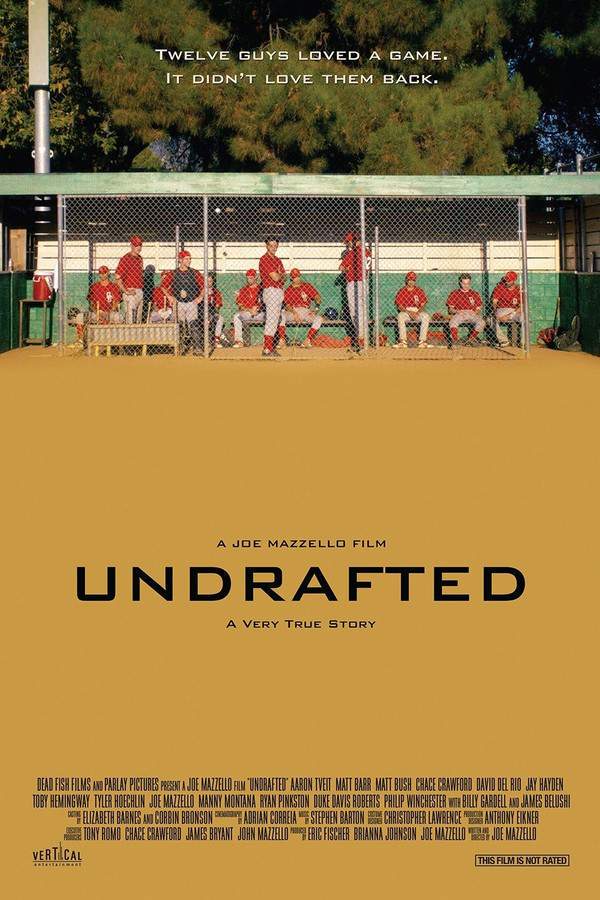
Undrafted (2016) Film Overview & Timeline
The Sandlot: Heading Home (2007) Complete Plot Breakdown
The Rookie Bear (1941) Movie Recap & Themes
The Kid from Left Field (1979) Ending Explained & Film Insights
The Kid from Left Field (1953) Story Summary & Characters
The Kid from Cleveland (1949) Spoiler-Packed Plot Recap
Little Giants (1994) Detailed Story Recap
A No-Hit No-Run Summer (2008) Story Summary & Characters
Big Leaguer (1953) Detailed Story Recap
Rookie of the Year (1955) Story Summary & Characters
Major League: Back to the Minors (1998) Detailed Story Recap