Year: 1978
Runtime: 91 min
Language: English
Director: John Berry
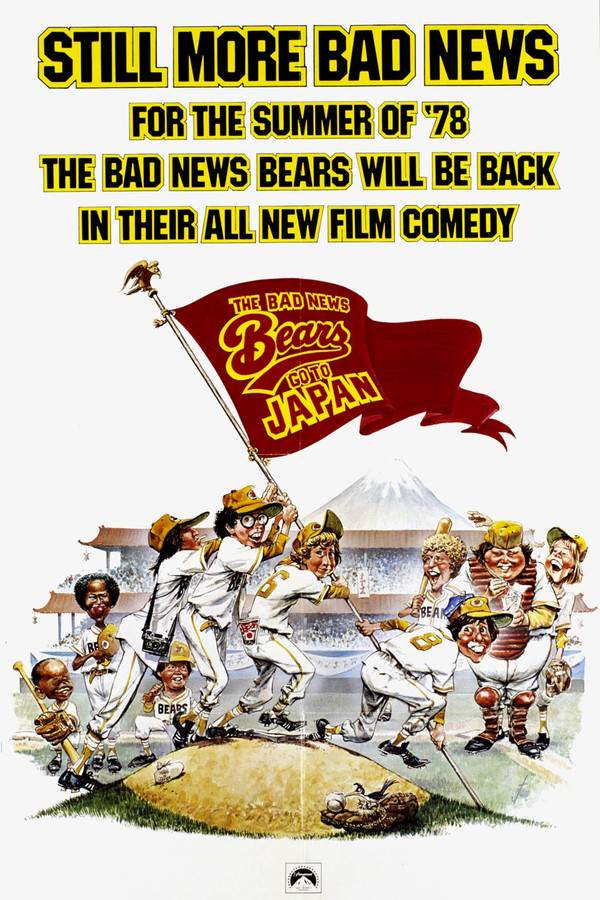
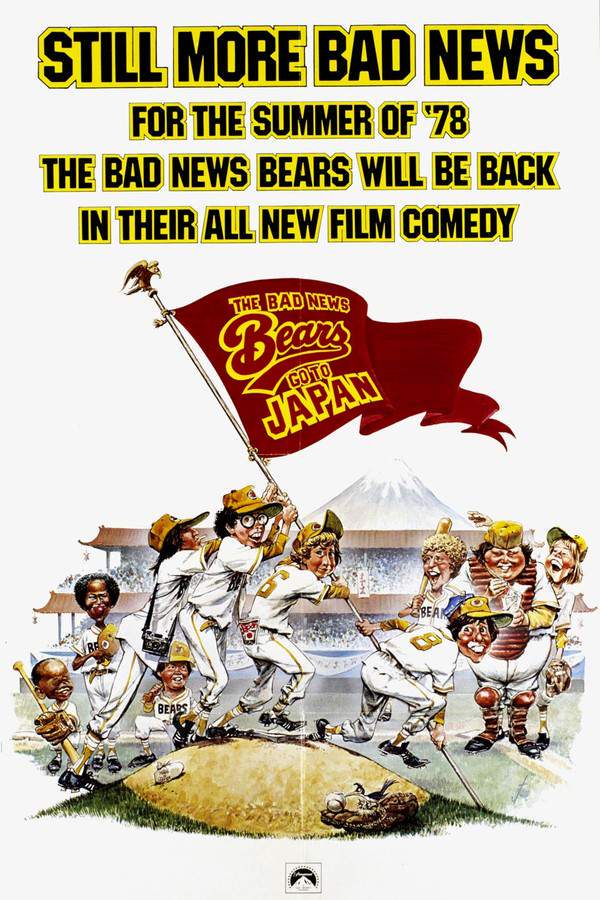
A charismatic promoter takes the lovable misfits of the Bad News Bears to Japan for a baseball tournament against the nation's best young team. The mismatched squad encounters cultural differences and hilarious adventures as they prepare for the competition. Tony Curtis stars in this third installment, delivering plenty of laughter and memorable moments for the whole family.
Find where to stream, rent, or buy The Bad News Bears Go to Japan (1978) in the US with current JustWatch availability, up-to-date pricing, and platform listings for subscription, rental, and digital purchase options.
Warning: spoilers below!
Haven’t seen The Bad News Bears Go to Japan yet? This summary contains major spoilers. Bookmark the page, watch the movie, and come back for the full breakdown. If you're ready, scroll on and relive the story!
Read the complete plot breakdown of The Bad News Bears Go to Japan (1978), including all key story events, major twists, and the ending explained in detail. Discover what really happened, and what it all means.
The hapless American Little League baseball team known as the Bears stumbles upon an unexpected opportunity when they catch a glimpse of the Japanese junior baseball champions on television. These champions have issued an open invitation to American teams, yet none have accepted the challenge. Inspired, the Bears decide to rise to the occasion and take to a local morning talk show to drum up support for their audacious venture.
Enter local hustler and con artist Marvin P. Lazar, portrayed by the charismatic Tony Curtis, who, amidst contemplating his mounting debts, can’t help but get an idea upon seeing the Bears on TV. He shares this idea with his associate, Louis the Gambler, played by Lonny Chapman. Marvin proposes that for a hefty sum of $10,000, Louis can invest in his plan to take the Bears to Tokyo and broadcast the game to an American audience. However, Louis declines, citing Marvin’s existing debts to him. As luck would have it, the Bears soon appear at Marvin’s office, where he deceitfully pretends to have already secured funding. He hands out contracts to the children, claiming approval from their parents and vows to make them famous as their new manager and coach. Little does he know, the team member Ahmad Rahim, played by Erin Blunt, insists they must bring along his six-year-old brother, Mustapha.
Fast forward several days, the Bears arrive in the bustling heart of Tokyo, where they meet the Japanese team and their coach, Shimizu, played by Tomisaburô Wakayama. Soon after checking into their hotel, Marvin’s troubles begin as he presents two credit cards to the hotel management, which leads to a comedic series of events as he desperately tries to secure televised coverage for the much-anticipated exhibition game.
During the practice session, spontaneous antics unfold as Marvin pitches various narratives to Eddie, an American journalist played by Jerry Ziesmer, determined to spin the Bears’ story to attract viewership. Despite the star player, Kelly Leak, played by Jackie Earle Haley, hitting a home run, his teammates struggle, resulting in Japan scoring a dominating ten runs against the Bears’ single, disappointing score. Eddie warns Marvin that viewers in the U.S. are unlikely to tune in to watch an American team face defeat.
On his trek back to the hotel, Kelly encounters a captivating Japanese girl, played by Hatsune Ishihara, who captures his attention with her beauty. However, she only speaks Japanese, leading Kelly on a comical adventure as he attempts to communicate using a dictionary. This budding romance flourishes as they share a dinner and learn about each other, despite the language barrier.
Back in the hotel, Marvin faces the harsh reality of his situation—his promotional skills are, unsurprisingly, not bearing fruit. He’s forced to come clean when the hotel realizes he lacks the funds to pay for their stay, drastically cutting up his credit cards. The Bears, now disillusioned, confront Marvin about his deception, yet Mustapha stays supportive of Marvin, revealing the child’s unwavering loyalty.
Determined not to be beaten by adverse circumstances, Marvin enters a wrestling ring against Japanese champion Antonio Inoki. Contrary to his expectations, Marvin finds himself on the receiving end of a real wrestling match full of chaos and humor, as Mustapha heroically intervenes in a moment of panic. The game’s unusual twist garners media attention, sending the Bears shooting up in publicity.
While the excitement grows, the team rides a train to their game location, only to discover Kelly is missing. Kelly is blissfully wandering the streets of Tokyo with Arika, enjoying each other’s company. However, Marvin realizes he is falling behind on his responsibilities as coach and manager. Later, Shimizu observes the media buzz around Marvin with skepticism but ultimately acknowledges that their mutual interests may align since success could benefit both teams.
As the Bears begin to see some financial success, Marvin overlooks their contentment with their old uniforms and insists on presenting them with brand-new gear. While all seems well, the underlying tension between Marvin’s hustling nature and the team’s genuine desire to play emerges. When Ahmad angrily confronts Marvin about his unscrupulous methods, Marvin starts to reflect on his actions.
On the day of the game, Marvin introduces a trio of talented Texas players to bolster the Bears’ chances. However, the Bears, feeling betrayed by Marvin’s manipulations, resist the changes. Disregarding their objections, Marvin proclaims the Texans will turn them into heroes. This leads to turmoil and, in a twist of fate, a riot breaks out, forcing officials to cancel the game.
Against this backdrop of chaos, Marvin realizes that camaraderie is more valuable than the relentless pursuit of fame and fortune. The network director’s threats push Marvin to weigh his contractual obligations against his integrity, culminating in a decision to step back from the relentless promotion. Embracing a newfound teamwork spirit, Marvin proposes a joint exhibition match in Cuba for the following year, bringing the two rival teams together for a brighter, more fulfilling future.
Last updated: January 18, 2025 at 14:36
Explore frequently asked questions about The Bad News Bears Go to Japan (1978) with spoiler-rich answers covering the full plot summary, major story beats, character motivations, hidden details, and ending meaning. This movie summary FAQ helps explain confusing scenes, plot twists, and narrative decisions in clear, searchable detail.
Marvin P. Lazar, a local con artist, sees the Bears on television discussing their interest in playing the Japanese junior baseball champions. Facing mounting debts and desperate for money, Marvin sees an opportunity to profit by positioning himself as their manager and coach. He pitches a plan to his associate Louis the Gambler to take the team to Tokyo for $10,000, hoping to generate revenue through television broadcasting rights and promotional deals.
Marvin initially cannot afford the trip at all. His associate Louis the Gambler refuses to fund him due to existing debts. Instead, Marvin deceives the Bears by pretending he has already secured funding and hands them contracts, misrepresenting that their parents approved. He later attempts to make money through a televised wrestling match against Japanese champion Antonio Inoki, which generates enough publicity and funds to cover their hotel expenses.
On game day, Marvin introduces three talented teenage players from Texas to strengthen the Bears' roster. The original Bears feel betrayed by Marvin's manipulation and resist the changes, viewing it as selling out their identity as underdogs. Tensions escalate into a physical fight between the Texans and the Bears that spills into the stands, forcing officials to cancel the match.
Marvin believes he needs to ensure the Bears win the game to make the broadcast worthwhile and justify his promotional efforts. The television director Eddie has warned him that American viewers won't tune in to watch their team lose. Desperate to salvage his scheme, Marvin recruits three talented teenage players from Texas to beef up the roster and secure a competitive game that will attract viewership.
Kelly meets Arika, a Japanese girl, while wandering the streets of Tokyo. She does not speak English, so Kelly attempts to communicate using a dictionary. Their relationship develops through comical attempts at conversation, shared dinners, and cultural exchange. Despite the language barrier, they manage to bond and eventually share their first kiss.
The hotel management realizes Marvin has no funds to pay for their stay and demands cash payment. When his credit cards are rejected and cut up, the Bears discover that Marvin never had the promised funding. They confront him about his lies and deception, feeling betrayed that he misrepresented his ability to finance their trip to Japan.
After experiencing the chaos of the canceled game and witnessing the conflict between the Texas players and the original Bears, Marvin has a change of heart. The network director demands he deliver a game, but Marvin realizes that his relentless pursuit of fame and money has damaged the team. He chooses integrity over profit and refuses to promote further, suggesting instead that the two teams could collaborate for future games.
Facing mounting financial problems with no way to pay the hotel, Marvin desperately seeks alternative income. He arranges a wrestling match against Japanese champion Antonio Inoki, hoping to generate quick money and publicity. The chaotic match, during which Mustapha heroically intervenes, creates enough media buzz to win Marvin enough money to cover their hotel expenses and salvage the trip.
Mustapha, the six-year-old brother of teammate Ahmad Rahim, is brought along to Japan per his insistence. Throughout Marvin's troubles, the failed promotions, the money problems, and the chaotic wrestling match, Mustapha remains surprisingly supportive. The child's unwavering loyalty highlights the innocent trust that children can have, and his heroic intervention during the wrestling match actually helps save the situation.
After refusing further promotion and experiencing the value of teamwork beyond competition, Marvin proposes that both the American and Japanese teams play together in Cuba the following year. This suggests a shift in his priorities from personal profit to genuine camaraderie and international friendship. The proposal represents the movie's theme that sportsmanship and togetherness matter more than winning.
Discover curated groups of movies connected by mood, themes, and story style. Browse collections built around emotion, atmosphere, and narrative focus to easily find films that match what you feel like watching right now.
Lovable misfits overcome odds through teamwork and hilarious misadventures.If you enjoyed the comedic journey of the Bears, you'll like these movies featuring scrappy underdog teams. Discover similar family-friendly sports comedies and heartwarming stories about lovable misfits finding their stride through teamwork and humorous adventures.
These stories follow a predictable but satisfying arc: a mismatched group of underdogs, often guided by an unconventional coach or mentor, face a series of humorous challenges and setbacks. Through their shared experiences, they learn to work as a team, ultimately finding success not just in winning, but in their newfound camaraderie.
Movies in this thread share a core focus on lighthearted, optimistic team dynamics. They blend gentle comedy with a heartwarming message about belonging, making them perfect for audiences seeking uplifting and family-friendly entertainment centered on sports.
Characters navigate hilarious misunderstandings and adventures in a new culture.Looking for more movies like The Bad News Bears Go to Japan where characters travel abroad? Explore similar comedies about cultural differences, charming misadventures in a foreign land, and stories that find humor and heart in being a fish out of water.
The narrative pattern involves a character or group leaving their familiar environment for a new location, often for a specific purpose like a competition or event. The plot unfolds through episodic, humorous situations driven by cultural clashes and naive interactions with the new setting, ultimately leading to a greater appreciation for the different culture and personal connections.
These films are grouped by their shared vibe of cheerful, adventurous comedy derived from cultural exploration. They offer a gentle, optimistic look at navigating difference, resulting in a viewing experience that is amusing, light, and ultimately heartwarming.
Don't stop at just watching - explore The Bad News Bears Go to Japan in full detail. From the complete plot summary and scene-by-scene timeline to character breakdowns, thematic analysis, and a deep dive into the ending - every page helps you truly understand what The Bad News Bears Go to Japan is all about. Plus, discover what's next after the movie.
Track the full timeline of The Bad News Bears Go to Japan with every major event arranged chronologically. Perfect for decoding non-linear storytelling, flashbacks, or parallel narratives with a clear scene-by-scene breakdown.
Discover the characters, locations, and core themes that shape The Bad News Bears Go to Japan. Get insights into symbolic elements, setting significance, and deeper narrative meaning - ideal for thematic analysis and movie breakdowns.
Discover movies like The Bad News Bears Go to Japan that share similar genres, themes, and storytelling elements. Whether you’re drawn to the atmosphere, character arcs, or plot structure, these curated recommendations will help you explore more films you’ll love.
The Bad News Bears Go to Japan (1978) Scene-by-Scene Movie Timeline
The Bad News Bears Go to Japan (1978) Movie Characters, Themes & Settings
The Bad News Bears Go to Japan (1978) Spoiler-Free Summary & Key Flow
Movies Like The Bad News Bears Go to Japan – Similar Titles You’ll Enjoy
Bad News Bears (2005) Film Overview & Timeline
Old Dogs (2009) Ending Explained & Film Insights
The Country Bears (2002) Movie Recap & Themes
The Bad News Bears (1976) Complete Plot Breakdown
The Sandlot (1993) Ending Explained & Film Insights
The Benchwarmers (2006) Film Overview & Timeline
The Bad News Bears in Breaking Training (1977) Full Summary & Key Details
Little Big League (1994) Spoiler-Packed Plot Recap
The Sandlot: Heading Home (2007) Movie Recap & Themes
Mr. Baseball (1992) Ending Explained & Film Insights
The Great American Pastime (1956) Full Summary & Key Details
Here Come the Tigers (1978) Plot Summary & Ending Explained
Major League II (1994) Movie Recap & Themes
Major League: Back to the Minors (1998) Full Summary & Key Details
The Three Bears (1939) Ending Explained & Film Insights