Plot Explained Spoilers guaranteed!
Plot Explained

Browse by genre

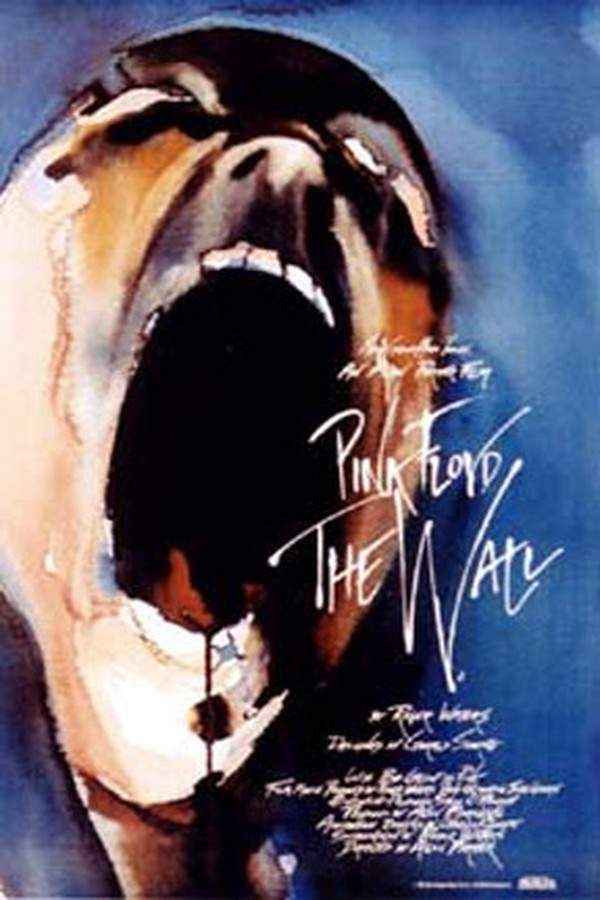
Pink Floyd: The Wall (1982) movie poster

Timeline

Pink Floyd: The Wall (1982) Timeline Explained – Every Event in Order

Release, runtime and language
1982 · 95 min · English
Directed by
Alan Parker
Starring
Bob Hoskins, Bob Geldof, Jenny Wright, Alex McAvoy, Christine Hargreaves, David Bingham

Confined to a Los Angeles hotel room, a successful musician begins a descent into psychological turmoil, triggering a series of fragmented memories and surreal visions. He confronts a painful past marked by loss, isolation, and an overprotective mother, events that have led him to construct a metaphorical wall to protect himself. The film explores themes of trauma, grief, and the struggle for personal freedom through a combination of live-action and animation.

On this page (6)
  1. 1 Events in order (15)
  2. 2 Timeline questions answered
  3. 3 Movie threads
  4. 4 Movies like Pink Floyd: The Wall
  5. 5 Categories
  6. 6 Every angle

15 events in order · contains spoilers

Pink Floyd: The Wall Timeline: Events in Chronological Order

Every key event of Pink Floyd: The Wall (1982) in order, scene by scene, with when and where it takes place. Use it to untangle flashbacks, time jumps and parallel storylines, to refresh your memory before the sequel or to find the exact scene you are thinking of.

  1. Opening Scene

    The film begins in a chaotic hotel room that the protagonist, Pink, has completely trashed. Set to the melancholic tune of Vera Lynn's song, it establishes an atmosphere of emotional turmoil and sets the tone for Pink's story.

    Where
    Hotel Room
  2. Pink's Father's Death

    We learn that Pink's father was a British soldier killed in World War II when Pink was just an infant. This personal tragedy evokes real-life parallels, reflecting the emotional void and loss that haunt Pink throughout his life.

  3. Childhood Struggles

    Flashing back to the 1950s, Pink grapples with the absence of his father and experiences deep feelings of isolation. The depiction of his emotional landscape reveals his struggle for connection during his formative years.

    When
    1950s
  4. School Humiliation

    At school, Pink faces humiliation when a teacher reads aloud his poetry to the class, further exacerbating his feelings of alienation. This experience ignites a violent fantasy among the students, leading to a rebellion against their oppressive teacher.

    Where
    School
  5. Fantasy Rebellion

    In a vivid dream, Pink and his classmates band together to destroy the school. This segment starkly contrasts with the oppressive environment, embodying their repressed frustrations toward authority.

    Where
    School
  6. Conflict with Mother

    Pink’s relationship with his overbearing mother complicates his emotional state. Her protective nature adds to his feelings of entrapment, leading him further into isolation.

  7. Marriage Breakdown

    As an adult, Pink marries but the relationship deteriorates due to his self-destructive behavior. This disconnect is amplified when he learns of his wife's infidelity while on tour in the United States.

    Where
    United States
  8. Rage and Destruction

    In a fit of rage fueled by despair, Pink violently tears apart his hotel room. This act symbolizes his internal chaos as he lashes out, signifying his emotional unraveling.

    Where
    Hotel Room
  9. Isolation Deepens

    Pink's emotional descent continues as he declares his desire for solitude. He begins to close himself off completely, building a psychological wall to protect against further pain.

  10. Loss of Sanity

    Pink's mental state deteriorates further as he becomes consumed by hallucinations. He transforms into a disturbing neo-Nazi figure, symbolizing his ultimate detachment from reality and the world around him.

  11. Forced Intervention

    His manager and hotel staff forcibly intervene, sedating Pink as he prepares for a performance. This crisis point underscores his spiraling decline and how far removed he has become from his former self.

    Where
    Hotel Room
  12. The Neo-Nazi Rally

    In a disturbing fantasy sequence, Pink imagines leading a neo-Nazi rally, filled with chaos and violence. This event amplifies his feelings of alienation and hatred towards those he perceives as different.

    Where
    Suburban London
  13. Psychological Tribunal

    Pink stands trial in his mind, depicted as a small doll before a grotesque judge. The trial features characters from his life, representing emotional burdens that have led to his downfall.

  14. Destruction of the Wall

    Ultimately, the judge orders Pink's psychological wall to be destroyed, culminating in a dramatic explosion. This moment signifies the shattering of his defenses and the potential for healing.

  15. Aftermath and Reflection

    In the aftermath, three children are seen tasked with cleaning up the remnants of the chaos. This poignant ending invites viewers to reflect on Pink's tumultuous journey and the broader themes of isolation and human connection.

Last updated: November 03, 2024 at 20:25

Was this helpful?

Timeline questions answered

Pink Floyd: The Wall Timeline Explained: Your Questions Answered

When does it happen, and why in that order? The questions people ask about the chronology of Pink Floyd: The Wall (1982): time jumps, flashbacks, cause and effect between scenes and the correct order of events, each answered with spoilers.

Q1

Why does Pink become a neo-Nazi in his hallucination?

Pink transforms into a neo-Nazi figure as his mental state completely collapses. After learning of his wife's infidelity and destroying his hotel room in a rage, he loses touch with reality. The neo-Nazi alter-ego represents his ultimate detachment from humanity, he channels all his internalized pain and anger toward external targets, blaming others for his suffering. This disturbing fantasy culminates in a violent rally where he leads an attack against those he perceives as different, reflecting how his psychological wall has twisted into extreme hatred and violence.

Foreshadowing: Earlier scenes show Pink's growing isolation and his declaration that he needs "no one at all," hinting at his descent into self-imposed alienation.

  • pink floyd the wall
  • neo-nazi hallucination
  • mental breakdown
  • alter ego
  • psychological collapse
Q2

What triggers Pink's mental breakdown?

Pink's breakdown is triggered by multiple累积 traumatic events, but the immediate catalyst is learning that his wife is being unfaithful while he's on tour in the United States. This betrayal sends him into a violent rage, leading him to destroy his hotel room. However, this moment is only the final breaking point, years of suppressed grief over his father's death, emotional abuse from his overbearing mother, and humiliation at school have been building pressure throughout his life.

Foreshadowing: The film opens with Pink already in crisis, and his destructive behavior escalates progressively throughout the narrative.

  • pink floyd the wall
  • mental breakdown
  • emotional breakdown
  • wife infidelity
  • rage
Q3

Why does Pink destroy his hotel room?

Pink destroys his hotel room in a violent outburst after discovering his wife's infidelity. The destruction symbolizes his internal chaos and represents his complete emotional unraveling. He smashes furniture, throws objects, and ultimately uses his guitar to attack his television, declaring he needs "no one at all." This violent rampage marks the point where he fully surrenders to his psychological break.

Foreshadowing: Earlier scenes show Pink's pattern of self-destructive behavior and increasing isolation from his wife.

  • pink floyd the wall
  • hotel room destruction
  • rage
  • guitar
  • violence
Q4

What does the wall symbolize in the film?

The wall symbolizes Pink's psychological defense mechanism against emotional pain. Throughout his life, starting with the loss of his father, his oppressive school experience, and his controlling mother, Pink builds an invisible metaphorical wall to protect himself from further hurt. This wall represents isolation, alienation, and emotional detachment. By the end, the wall becomes suffocating rather than protective, and destroying it represents the possibility of healing, though the film leaves whether this liberation is real or imagined ambiguous.

Foreshadowing: The title itself and the recurring "Another Brick in the Wall" motifs throughout the film establish the wall as a central symbolic element from the beginning.

  • pink floyd the wall
  • wall symbolism
  • metaphor
  • isolation
  • psychological defense
Q5

Why does Pink's wife cheat on him?

Pink's wife cheats on him because his emotional unavailability and self-destructive behavior have driven them apart long before the infidelity is discovered. Throughout the film, Pink is unable to connect meaningfully with anyone, constantly pushing away those who try to reach him. His wife represents his last tether to normal human connection, but his closed-off emotional state makes any real relationship impossible. When she cheats, it reflects how his self-imposed isolation has destroyed his ability to maintain intimate relationships.

Foreshadowing: Earlier scenes show Pink's growing distance from his wife, with their marriage deteriorating as he becomes increasingly consumed by his mental state.

  • pink floyd the wall
  • wife infidelity
  • marriage breakdown
  • emotional isolation
Q6

What triggers Pink to build his psychological wall?

Pink's psychological wall is built gradually through multiple traumatic experiences across his life. The first major brick is his father's death in World War II, which leaves him with an emotional void. Additional bricks are added through his oppressive schooling where he was humiliated, and his overprotective mother who smothered him emotionally. Each painful experience adds another layer to his wall, until he becomes completely isolated from genuine human connection.

Foreshadowing: The song "Another Brick in the Wall" plays at key moments, illustrating how each traumatic event contributes to his emotional fortress.

  • pink floyd the wall
  • psychological wall
  • trauma
  • emotional walls
  • isolation
Q7

Why is Pink's father's death important to his story?

Pink's father's death in World War II is the foundational trauma that sets Pink's entire psychological trajectory. Losing his father as an infant left him with an unshakeable sense of loss and abandonment. This void shapes everything, his inability to form connections, his vulnerability to emotional damage, and his desperate need for protection, which manifests as his overbearing mother and eventually his metaphorical wall. The death represents the original wound that Pink spends his life trying to protect himself from experiencing again.

Foreshadowing: The film opens with the stark comparison of rock concerts to soldiers going into battle, directly connecting music and warfare from the very beginning.

  • pink floyd the wall
  • father death
  • world war 2
  • trauma
  • loss
Q8

What is the significance of the trial scene?

The trial scene represents Pink's psychological tribunal where he confronts the emotional baggage that has shaped his life. Depicted as a small pink doll before a grotesque judge, Pink faces witnesses including his mother and wife, the people who have contributed to his psychological burden. This surreal trial is his mind's way of processing guilt, blame, and the consequences of his actions. The judge ultimately orders the wall destroyed, representing a potential breakthrough in his psychological struggle, though whether this leads to real healing remains ambiguous.

Foreshadowing: The trial builds on Pink's earlier descent into madness and represents the culmination of his psychological break.

  • pink floyd the wall
  • trial scene
  • psychological tribunal
  • judge
  • wall destruction
Q9

Why do three children appear at the end of the film?

The three children at the end appear in the aftermath of the wall's destruction, tasked with cleaning up the remnants of Pink's psychological chaos. Their presence is ambiguous but carries symbolic weight, they represent the next generation or potential for renewal and rebuilding. Their mundane task of cleaning contrasts sharply with the intense emotional destruction they've inherited. The ending leaves Pink's fate uncertain, suggesting the cycle of trauma might continue or that new growth is possible.

Foreshadowing: The children's appearance follows the dramatic explosion of the wall, marking a shift from destruction to the possibility of reconstruction.

  • pink floyd the wall
  • three children
  • ending
  • cleanup
  • regeneration
Q10

How does Pink's school experience affect him?

Pink's school experience profoundly impacts his psychological development. When his teacher publicly reads his private poetry aloud, it violates his trust and exposes his vulnerability to ridicule. This humiliation adds another major brick to his wall and triggers a violent fantasy where students destroy their oppressive school. The experience represents authority betraying a child's trust and reinforces Pink's belief that the world is hostile and unsafe. This trauma contributes directly to his inability to open up emotionally later in life.

Foreshadowing: The school scenes occur early in the timeline, establishing patterns of abuse and betrayal that Pink carries into adulthood.

  • pink floyd the wall
  • school trauma
  • teacher
  • poetry
  • humiliation

Movie threads

More Movies Like Pink Floyd: The Wall, by Mood & Story

Curated lists built around what makes Pink Floyd: The Wall tick: the same mood, the same kind of story or the same emotional payoff. Each list explains why these movies belong together.

Surreal Descent into Madness like in Pink Floyd: The Wall

Films that blur reality and hallucination in a journey through psychological collapse. If you liked the surreal, psychological journey of Pink Floyd: The Wall, discover more movies that use avant-garde techniques to explore a character's mental breakdown. These films often blend animation and live-action, feature fragmented narratives, and share a dark, intense, and artistically bold vibe.

  • surreal
  • disturbing
  • dreamlike
  • unhinged
  • psychological
  • claustrophobic
  • Tone: dark, disturbing, melancholic
  • Pacing: variable, chaotic
Why these movies?

The story pattern: Narratives in this thread are rarely straightforward. They follow a character's internal unraveling, often triggered by trauma, through a series of symbolic visions and distorted memories. The plot structure itself mimics a fractured mind, prioritizing emotional and thematic logic over chronological events, and building towards a cathartic, if ambiguous, climax.

Why they belong together: Movies in this thread are grouped by their commitment to visualizing internal psychological states. They share a high-intensity, dark tone, complex narrative structures, and a heavy emotional weight centered on themes of trauma and alienation. The similar use of surreal imagery and disorienting pacing creates a cohesive, challenging viewing experience.

Movies About Artistic Catharsis Like Pink Floyd: The Wall

Stories where creative expression becomes the volatile outlet for deep-seated pain. Explore films similar to Pink Floyd: The Wall where music and art are central to a character's confrontation with trauma. These movies share a focus on the dark side of creativity, intense emotional journeys, and ambiguous endings that question the cost of artistic expression born from pain.

  • melancholic
  • introspective
  • angry
  • cathartic
  • emotional
  • artistic
  • Tone: dark, melancholic, introspective
  • Pacing: variable, reflective
Why these movies?

The story pattern: The narrative follows a creative individual grappling with profound personal demons, often stemming from childhood trauma or loss. Their art becomes a conduit for their anguish, leading to self-destructive behavior and a turbulent journey that interrogates whether creation can truly lead to healing or merely mirrors the chaos within.

Why they belong together: These films are connected by their central theme of art as a double-edged sword for processing trauma. They consistently feature a heavy emotional weight, dark tones, and complex protagonists. The focus on the creative process itself, often visualized in ambitious ways, creates a unique and intense vibe shared across the group.

If you liked this

Movies Like Pink Floyd: The Wall

Similar movies to Pink Floyd: The Wall: the same genre, themes or kind of story. Each one comes with its own plot summary, timeline and ending explained.

Browse all movie summaries

Categories

Movie Lists Featuring Pink Floyd: The Wall

Pink Floyd: The Wall appears in these hand-built movie categories. Each one groups movies by a specific mood, theme or story type, with their plot summaries and endings explained.

View all movie categories

Every angle

Pink Floyd: The Wall (1982) Explained: Plot, Timeline & Characters

Everything about Pink Floyd: The Wall in one place: what happens in the plot summary, the timeline in chronological order, the characters and meaning and a spoiler-free summary. What's After the Movie adds the cast, box office and post-credit scenes.

Coming soon on iOS and Android

The Plot Explained Movie Summary App

Plot summaries, endings explained and timelines on your phone. Catch up on any movie in minutes, save your favorites and never miss a twist again.

Be the first to know when we launch. Your email stays private, always.

Learn more about the app