Plot Explained Spoilers guaranteed!
Plot Explained

Browse by genre

Obvious Child (2014) movie poster

Timeline

Obvious Child (2014) Timeline Explained – Every Event in Order

Release, runtime and language
2014 · 84 min · English
Loading streaming availability…
Directed by
Gillian Robespierre
Starring
Richard Kind, Jenny Slate, Gaby Hoffmann, David Cross, Jake Lacy, Cindy Cheung

Aspiring stand-up comedian Donna Stern finds her life upended by a breakup, a career setback, and an unexpected pregnancy. As she grapples with these challenges, she humorously explores themes of sex, relationships, and the awkwardness of everyday life. Facing an uncertain future, Donna confronts her vulnerabilities and discovers strength in unexpected support and connection, ultimately embracing love and the complexities of adulthood.

On this page (6)
  1. 1 Where to watch
  2. 2 Events in order (15)
  3. 3 Timeline questions answered
  4. 4 Movie threads
  5. 5 Movies like Obvious Child
  6. 6 Every angle
Loading streaming availability…

15 events in order · contains spoilers

Obvious Child Timeline: Events in Chronological Order

Every key event of Obvious Child (2014) in order, scene by scene, with when and where it takes place. Use it to untangle flashbacks, time jumps and parallel storylines, to refresh your memory before the sequel or to find the exact scene you are thinking of.

  1. Breakup in the Bathroom

    Donna Stern's life takes a dramatic turn when her boyfriend Ryan unexpectedly breaks up with her in the bathroom after one of her comedy sets. His confession that he is leaving her for one of her friends leaves her heartbroken and spiraling into a depression.

    Where
    Comedy Venue Bathroom
  2. Spiraling into Depression

    The shock of the breakup plunges Donna into a deep depression, affecting her personal and professional life. She feels lost and angry, struggling to cope with her emotions as she grapples with the betrayal of her boyfriend.

  3. Drunken Mishap

    During her next comedy performance, distraught over the breakup, Donna drunkenly lashes out at her ex and her situation. This unexpected outburst leads to an encounter with Max at a bar, sparking an undeniable chemistry between them.

    Where
    Bar
  4. One-Night Stand

    Donna and Max's chemistry culminates in a one-night stand after their chance meeting at the bar. However, the following morning, Donna quietly slips out of Max's apartment, leaving behind a fleeting connection.

    Where
    Max's Apartment
  5. Pregnancy Scare

    Weeks later, Donna experiences breast soreness and fears she may be pregnant. After taking a home pregnancy test, her worst fears are confirmed, leading her to seek advice about her options.

  6. Planned Parenthood Visit

    Donna visits a Planned Parenthood clinic to arrange for an abortion, only to find that the available appointments coincide with significant dates in her life. After much consideration, she chooses Valentine's Day for the procedure.

    Where
    Planned Parenthood
  7. Awkward Encounters with Max

    Max seeks out Donna at the bookstore where she works, leading to a series of awkward meetings filled with unspoken tension. Their paths cross again when Max returns a book to Nancy, Donna's mother—adding to the complexity of their relationship.

    Where
    Bookstore
  8. Dinner Discussion

    During a dinner gathering, Donna considers revealing her pregnancy and abortion plans to Max. However, she hesitates after he expresses a desire to be a grandfather someday, complicating her emotions and thoughts about the future.

    Where
    Dining Area
  9. Cancelled Comedy Show

    Hoping to reconnect with Max, Donna invites him to her comedy show, but the set ultimately gets canceled. In her disappointment, she finds herself with another man named Sam but realizes that the connection she craves is with Max.

    Where
    Comedy Venue
  10. Confiding in Her Mother

    In distress over her upcoming abortion, Donna confides in her mother, who reassures her by sharing her own experience with the procedure. This conversation provides Donna with a sense of comfort as she prepares for her decision.

    Where
    Home
  11. Voicemail Apologies

    Struggling with her feelings, Donna leaves multiple voicemail messages for Max, expressing her need to talk about their relationship and her situation. The urgency in her voice reflects her inner turmoil and desire for connection.

  12. Invitation to Perform

    Determined to have an honest conversation, Donna invites Max to her next performance, hoping to share her news. As she prepares to take the stage, the weight of her truth looms over her, intensifying her anxiety about what to reveal.

    Where
    Comedy Venue
  13. Max Walks Out

    During her performance, just as Donna gathers the courage to tell the audience about her pregnancy, Max unexpectedly walks out. This moment signifies both a sense of loss for Donna and the ongoing complexity of their relationship.

    Where
    Comedy Venue
  14. Support on Abortion Day

    On the day of her abortion, Max surprises Donna by showing up at her home with flowers, ready to offer support. His gesture symbolizes the depth of his feelings and commitment to be there for her during this difficult time.

    Where
    Donna's Home
  15. Healing Together

    After the abortion, Max takes Donna back to his place where he makes her tea and they share a comforting moment. Watching the classic film *Gone with the Wind* together signifies a potential new beginning for their relationship amidst the chaos.

    Where
    Max's Apartment

Last updated: November 15, 2024 at 15:57

Was this helpful?

Timeline questions answered

Obvious Child Timeline Explained: Your Questions Answered

When does it happen, and why in that order? The questions people ask about the chronology of Obvious Child (2014): time jumps, flashbacks, cause and effect between scenes and the correct order of events, each answered with spoilers.

Q1

Why does Donna leave Max's apartment without saying goodbye?

Donna leaves Max's apartment in the morning because she's emotionally overwhelmed. After her painful breakup with Ryan, she wasn't looking for a relationship, she just wanted a distraction. The one-night stand happened in a moment of vulnerability, and she panicked about having to face Max and explain her emotional state. This sets up the later tension when their paths cross again and she has to deal with the consequences of both the encounter and her unexpected pregnancy.

Foreshadowing: Earlier, Donna's breakup was triggered by Ryan leaving her for a friend, establishing her fear of being abandoned or judged.

  • donna stern
  • max
  • one-night stand
  • morning after
  • breakup
Q2

Why does Donna choose Valentine's Day for her abortion?

Donna chooses Valentine's Day because it's the only available appointment at Planned Parenthood that doesn't conflict with her mother's birthday. The film uses this darkly ironic detail to highlight how awkward and unavoidable the situation is, Valentine's Day, a holiday about love and romance, becomes the day she terminates her pregnancy. This choice also creates narrative tension with Max, as the date becomes significant to their developing relationship.

  • valentine's day
  • abortion
  • planned parenthood
  • appointment
  • timing
Q3

Why does Max walk out during Donna's comedy set?

Max walks out because he assumes Donna is about to publicly humiliate him or reveal something painful about him to the audience. Earlier in the film, Donna had been trying to tell Max something important but kept hesitating. When she takes the stage and starts talking about her pregnancy, Max misreads the situation as an attack rather than a confession. His walking out reflects his own fear of vulnerability and being put on display, though it's a misunderstanding that the film resolves when he shows up at her apartment later.

Foreshadowing: Donna's repeated attempts to talk to Max and her invitation to the show signal she's building up to a serious revelation.

  • max
  • comedy set
  • pregnancy reveal
  • walking out
  • misunderstanding
Q4

Why does Donna hesitate to tell Max about her pregnancy?

Donna hesitates to tell Max about her pregnancy because during dinner, Max mentions wanting to be a grandfather someday. This comment makes her fear that he'll judge her for considering abortion, or that he'll feel obligated to stay with her out of responsibility rather than genuine connection. She's already dealing with the emotional weight of the decision and doesn't want to risk Max's reaction complicating things further or making her feel even more alone.

  • donna
  • max
  • pregnancy
  • hesitation
  • grandfather comment
Q5

Why does Max show up with flowers on the day of Donna's abortion?

Max shows up because he realizes his mistake. After walking out of her comedy set, he reflects on their relationship and understands that Donna was trying to share something vulnerable, not attack him. His decision to come with flowers represents his commitment to being there for her despite his earlier misjudgment. He clarifies that his comment about wanting to be a grandfather was about a distant future, not an immediate expectation, which removes Donna's main fear about telling him.

Foreshadowing: Earlier voicemail apologies show Donna's efforts to connect, which Max finally reciprocates.

  • max
  • flowers
  • abortion day
  • support
  • redemption
Q6

Why does Donna go home with Sam after her comedy show gets canceled?

Donna goes home with Sam because she's lonely and frustrated after her planned connection with Max falls through. The comedy show was canceled, she felt rejected, and Sam was conveniently available. However, she quickly realizes the connection she actually wants is with Max, not Sam. This moment highlights Donna's emotional confusion and her pattern of seeking temporary comfort over confronting what she really wants.

  • donna
  • sam
  • one-night stand
  • rebound
  • max
Q7

What does the ending with Gone with the Wind signify?

The ending where Max and Donna watch Gone with the Wind together signifies a new beginning in their relationship. After the emotional turmoil of the abortion, Max taking care of Donna and choosing to watch a classic film with her represents domesticity, comfort, and hope for the future. The film also contrasts with Donna's earlier chaotic, self-destructive behavior, showing she's found someone who supports her through difficult moments. It's a hopeful, grounding conclusion to their romance.

  • gone with the wind
  • ending
  • max
  • donna
  • new beginning
  • hope
Q8

Why does Donna's mother share her own abortion experience?

Donna's mother shares her abortion story to comfort Donna during a distressing time. By revealing she had an abortion before Donna was born, the mother normalizes the experience and reassures Donna that the procedure doesn't define a person's life or worth. This moment also strengthens their bond and shows the generational support women can offer each other. It transforms the abortion from something shameful into a shared human experience.

  • nancy
  • mother
  • abortion story
  • comfort
  • generational support
Q9

How does Donna's comedy routine reflect her emotional state?

Donna's comedy serves as both a coping mechanism and a form of emotional expression throughout the film. After her breakup, her jokes become darker and more bitter, reflecting her anger and depression. Her drunken outburst on stage directly stems from her pain. As she processes her pregnancy and relationship with Max, her material evolves. By the end, her ability to joke about her experiences shows emotional growth and acceptance, demonstrating how her comedy career mirrors her journey toward self-understanding.

Foreshadowing: Early scenes show comedy as her identity and escape, setting up its role in her emotional arc.

  • comedy
  • stand-up
  • donna
  • emotions
  • coping mechanism
  • depression
Q10

What does the title 'Obvious Child' mean?

The title 'Obvious Child' refers to both the pregnancy itself and Donna's tendency to be emotionally transparent. The 'obvious child' is the unborn baby, her unexpected pregnancy. But it also describes Donna, who as a comedian and person tends to be upfront and unfiltered rather than subtle. The title contrasts with the secrecy and awkwardness she experiences around her pregnancy and relationships, suggesting that sometimes the most straightforward approach to difficult situations is the most honest.

  • title
  • obvious child
  • meaning
  • pregnancy
  • honesty

Movie threads

More Movies Like Obvious Child, by Mood & Story

Curated lists built around what makes Obvious Child tick: the same mood, the same kind of story or the same emotional payoff. Each list explains why these movies belong together.

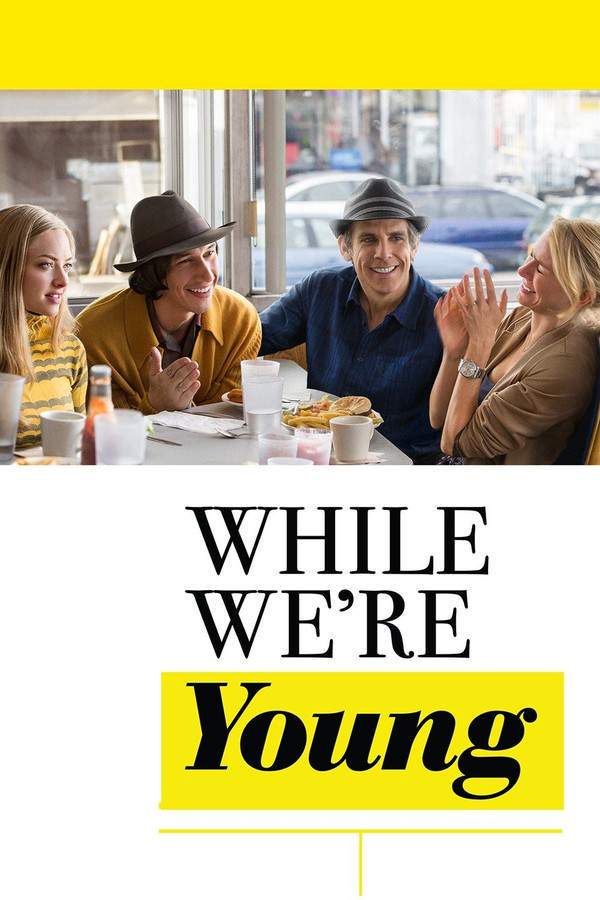
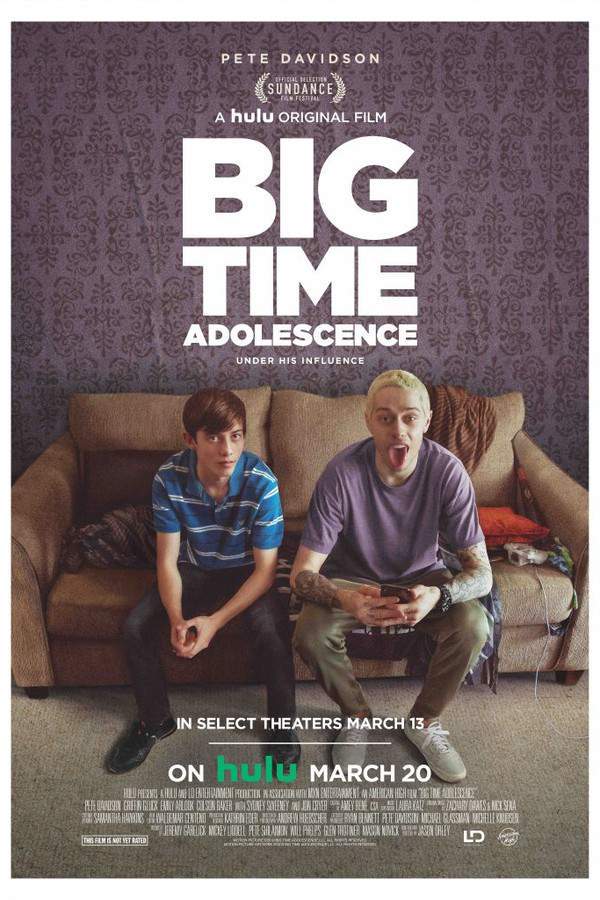
Awkwardly humorous coming-of-age stories like Obvious Child

Stories that tackle adult life with humor, vulnerability, and refreshing candor. Find more movies like Obvious Child that explore the messy transition to adulthood. These films combine relatable humor with heartfelt vulnerability, perfect if you enjoy character-driven comedies about finding your way.

  • awkward
  • humorous
  • vulnerable
  • reflective
  • anxious
  • candid
  • Tone: bittersweet, humorous
  • Pacing: steady, character-driven
Why these movies?

The story pattern: The narrative focuses on a protagonist facing a pivotal life decision or personal setback, using humor as a coping mechanism. The journey involves navigating embarrassing situations, testing support systems, and ultimately finding strength through vulnerability, leading to a more mature self-awareness.

Why they belong together: Movies in this thread are grouped by their unique balance of awkward comedy and sincere character development. They share a tone that is neither purely cynical nor saccharine, but authentically bittersweet, making the emotional beats land with greater impact.
Romances built during a personal crisis like in Obvious Child

Where new relationships are tested and strengthened by a shared personal challenge. Discover movies similar to Obvious Child where a new romantic relationship is tested by a major life event. If you liked how Donna and Max's connection grew through support, you'll find more heartfelt stories here.

  • supportive
  • vulnerable
  • hopeful
  • anxious
  • heartfelt
  • romantic
  • Tone: hopeful, supportive
  • Pacing: steady
Why these movies?

The story pattern: The plot introduces a new romantic interest just as the protagonist faces a significant personal crisis. The relationship develops unconventionally, with the partner's reaction to the hardship serving as the true test of their character and the potential for a meaningful future together.

Why they belong together: These films are linked by the specific narrative pattern of a romance that is accelerated and authenticated through adversity. They share a hopeful, supportive mood, emphasizing emotional honesty over idealized romance, and often feature a steady, character-focused pace.

If you liked this

Movies Like Obvious Child

Similar movies to Obvious Child: the same genre, themes or kind of story. Each one comes with its own plot summary, timeline and ending explained.

Browse all movie summaries

Every angle

Obvious Child (2014) Explained: Plot, Timeline & Characters

Everything about Obvious Child in one place: what happens in the plot summary, the timeline in chronological order, the characters and meaning and a spoiler-free summary. What's After the Movie adds the cast, box office and post-credit scenes.

Coming soon on iOS and Android

The Plot Explained Movie Summary App

Plot summaries, endings explained and timelines on your phone. Catch up on any movie in minutes, save your favorites and never miss a twist again.

Be the first to know when we launch. Your email stays private, always.

Learn more about the app