Plot Explained Spoilers guaranteed!
Plot Explained

Browse by genre

Moon Child (2003) movie poster

Characters & Themes

Moon Child (2003) Characters, Setting & Themes Explained

Release, runtime and language
2003 · 120 mins · Japanese
Directed by
Takahisa Zeze
Starring
Susumu Terajima, Lee-Hom Wang, Ryo Ishibashi, Anne Suzuki, Seiji Chihara, Kanata Hongo

Moon Child follows childhood friends who become entangled in a futuristic criminal underworld. Sho feels doomed to follow his idol Kei’s path as a vampire, cursed with eternal life and a thirst for blood. Their tight bond unravels as rivalry and love for the same woman turn friendship into bitter conflict.

On this page (7)
  1. 1 Characters explained (8)
  2. 2 Where & when it takes place
  3. 3 Themes & meaning (4)
  4. 4 Character & meaning questions
  5. 5 Movie threads
  6. 6 Movies like Moon Child
  7. 7 Every angle

8 main characters · contains spoilers

Moon Child Characters Explained: Who Is Who

The main characters of Moon Child (2003), heroes and villains: what drives them, how they change over the course of the story and what each of them reveals about the film's bigger ideas.

  • Sho (Gackt)

    A former thief who rises to lead in Mallepa, Sho fights to protect his makeshift family and struggles with his love for Yi-Che. His leadership blends courage and vulnerability, and he often bears the costs of their violent lifestyle. He embodies loyalty, risk-taking, and personal sacrifice.

    • ⚖️ Responsibility
    • 💘 Love
    • 🤝 Loyalty
  • Kei (Hyde)

    A vampire who forms the core of the group, Kei is both dangerous and protective. His immortality strains relationships, but he remains a guardian-like figure for Sho and Hana. His arc centers on power, restraint, and the moral weight of a timeless existence.

    • 🧛 Immortality
    • 🗡️ Violence
    • 🛡️ Protector
  • Luka (Etsushi Toyokawa)

    One of the early vampires who influences the boys, Luka embodies the darker, fatalist side of vampirism. His presence foreshadows the dawn and shapes Sho's path through the story.

    • 🧛 Vampire
    • 🗺️ Morality
    • 🛡️ Protector
  • Yi-Che (Zeny Kwok Sin-Yu)

    A pivotal figure torn between love and loyalty, facing cancer and danger as the criminal world continues to spin around her. She becomes a mother and a symbol of resilience amid violence.

    • 💔 Love
    • 🧬 Resilience
    • 🧭 Identity
  • Son (Lee-Hom Wang)

    A gangster who allies with Sho and later opposes him, Son embodies the volatile alliances of the underworld. His loyalties shift as he pursues vengeance, friendship, and control over the city.

    • ⚔️ Rivalry
    • 🧭 Loyalty
    • 🤝 Alliance
  • Shinji (Susumu Terajima)

    Sho’s brother, a crucial presence who is killed early in the story. His death weighs on Sho and anchors the emotional stakes of later conflicts.

    • 🤝 Loyalty
    • 💔 Tragedy
    • 🧭 Identity
  • Toshi (Taro Yamamoto)

    Original trio member turned thief, Toshi dies during the confrontation with Mr. Chan, marking the cost of their violent world.

    • 🤝 Loyalty
    • 🕊️ Sacrifice
    • 🧬 Risk
  • Hana (Anne Suzuki)

    Shō and Yi-Che’s daughter, raised by Kei after her parents’ turmoil. She grows into a young woman who senses the truth about Kei and Sho and carries the legacy forward.

    • 🧭 Identity
    • 👩‍🎓 Education
    • 👨‍👩‍👧 Family

Last updated: October 04, 2025 at 12:00

Was this helpful?

Setting

Where and When Does Moon Child Take Place?

The setting of Moon Child (2003): the year and time period, the places and locations, and how they shape the characters, the mood and the tension of the story.

Time period

2014–2045

The story starts in 2014, during Japan's economic collapse that drives emigration to China, where Mallepa becomes the focal point of the protagonists' world. It then jumps to 2045, showing Hana as a young woman and revealing the long arc of Kei and Sho's intertwined lives. The era shifts from violent street life to a supernatural fate where daylight and death shape their destinies.

Location

Mallepa

Mallepa is a fictional Chinese city depicted as a densely populated, multicultural hub where rival groups vie for control. The setting blends immigrant communities from various Asian backgrounds within a rough, waterfront landscape. Its atmosphere is defined by poverty, crime, and a complex web of loyalty that drives Sho, Kei, Luka and the others.

  • 🌆 Urban
  • 🗺️ Fictional city
  • 🚨 Crime-ridden

Last updated: October 04, 2025 at 12:00

Was this helpful?

4 major themes

Moon Child Meaning: Themes & Message Explained

What is Moon Child (2003) really about? The emotional, social and philosophical themes the film keeps returning to, its symbolism and the message beneath the surface.

  • Immortality

    Vampirism defines Kei and Sho's fate, granting them enduring lifespans that deepen their bond and complicate their choices. The film uses immortality to explore loyalty, love, and the heavy burden of existing beyond a normal life. As time passes, the characters confront the costs of eternal life and the chance for reconciliation in the face of dawn.

  • Family Bonds

    The group evolves from a street gang into a surrogate family centered on Hana. Sho's devotion to Yi-Che and Hana, Kei's protective role, and Hana's upbringing knit a fragile but enduring unit. In a world ruled by crime, family becomes the true source of strength and purpose.

  • Loyalty and Betrayal

    Alliances shift as gangs clash for power, forcing characters to choose between friendship and survival. Loyalties are tested by violence, imprisonment, and the desire to protect loved ones. The narrative continually probes where true allegiance lies when the stakes are life and death.

  • Sunrise and Death

    The sunrise, once lethal to Kei, becomes a symbolic moment of acceptance and possible reunion. The final beach scene suggests redemption, or an afterlife-like connection, as the characters confront mortality together. The sun's rise marks both an end and a potential new beginning for them.

Last updated: October 04, 2025 at 12:00

Was this helpful?

Character & theme questions

Moon Child Characters & Meaning: Your Questions Answered

The questions people ask about Moon Child (2003): who the characters really are, their relationships, what the symbols mean, where it takes place and what the movie is really about. Each answer contains spoilers.

Q1

Where is the movie set?

Moon Child takes place in Mallepa, a fictional Chinese city depicted as a densely populated, multicultural hub where rival criminal groups vie for control. The setting features immigrant communities from various Asian backgrounds within a rough, waterfront landscape, defined by poverty, crime, and complex loyalties.

  • mallepa
  • fictional city
  • setting
  • location
  • crime-ridden
Q2

When does the story take place?

The story spans from 2014 to 2045. It begins in 2014 during Japan's economic collapse, which drives emigration to China where Mallepa becomes the focal point. The narrative then jumps to 2045, showing Hana as a young woman and revealing the long arc of Kei and Sho's intertwined lives.

  • 2014
  • 2045
  • time period
  • future
  • setting
Q3

What are the main themes?

Moon Child explores four major themes: Immortality, which examines the burden of eternal life for vampires Kei and Sho; Family Bonds, showing how a street gang evolves into a surrogate family centered on Hana; Loyalty and Betrayal, probing where true allegiance lies when stakes are life and death; and Sunrise and Death, symbolizing acceptance, redemption, and possible reunion.

  • themes
  • immortality
  • family
  • loyalty
  • sunrise
Q4

What does vampirism represent in the story?

Vampirism defines Kei and Sho's fate, granting them enduring lifespans that deepen their bond while complicating their choices. The film uses immortality to explore loyalty, love, and the heavy burden of existing beyond a normal life, as the characters confront the costs of eternal life and the chance for reconciliation.

  • vampire
  • immortality
  • keis sho
  • blood
  • cursed
Q5

Who is Kei in the movie?

Kei is a vampire who forms the core of the group and serves as both dangerous and protective. His immortality strains relationships, but he remains a guardian-like figure for Sho and Hana. His arc centers on power, restraint, and the moral weight of a timeless existence.

  • kei
  • vampire
  • guardian
  • hyde
  • character
Q6

Who is Sho?

Sho is a former thief who rises to lead in Mallepa, fighting to protect his makeshift family while struggling with his love for Yi-Che. His leadership blends courage and vulnerability, embodying loyalty, risk-taking, and personal sacrifice throughout the story.

  • sho
  • leader
  • gackt
  • thief
  • character
Q7

What is the relationship between Sho and Kei?

Sho and Kei are childhood friends whose tight bond unravels as rivalry and love for the same woman turn their friendship into bitter conflict. Their relationship is central to the film, exploring how immortality and competing loyalties strain their connection over decades.

  • sho
  • kei
  • friendship
  • rivalry
  • vampire
Q8

Who is Hana?

Hana is Sho and Yi-Che's daughter, raised by Kei after her parents' turmoil. She grows into a young woman by 2045 who senses the truth about Kei and Sho, carrying the legacy forward and representing the hope for reconciliation.

  • hana
  • daughter
  • anne suzuki
  • character
  • legacy
Q9

How does the setting shape the story?

Mallepa's atmosphere of poverty, crime, and complex loyalty drives the characters' choices and conflicts. The multicultural, crime-ridden urban environment forces Sho, Kei, and others to form a surrogate family for survival, while the waterfront landscape provides the backdrop for both violent confrontations and emotional moments.

  • mallepa
  • setting
  • crime
  • urban
  • environment
Q10

What does the sunrise symbolize?

The sunrise, once lethal to Kei, becomes a symbolic moment of acceptance and possible reunion. The final beach scene suggests redemption, or an afterlife-like connection, as characters confront mortality together. The sun's rise marks both an end and a potential new beginning.

  • sunrise
  • symbolism
  • ending
  • death
  • redemption
Q11

What is the family bonds theme about?

The group evolves from a street gang into a surrogate family centered on Hana. Sho's devotion to Yi-Che and Hana, Kei's protective role, and Hana's upbringing knit a fragile but enduring unit. In a world ruled by crime, family becomes the true source of strength and purpose.

  • family
  • bonds
  • surrogate family
  • hana
  • loyalty
Q12

What is the loyalty and betrayal theme about?

Alliances shift as gangs clash for power, forcing characters to choose between friendship and survival. Loyalties are tested by violence, imprisonment, and the desire to protect loved ones. The narrative continually probes where true allegiance lies when stakes involve life and death.

  • loyalty
  • betrayal
  • gangs
  • alliances
  • trust
Q13

What is the message or meaning of the movie?

Moon Child explores the cost of immortality and the enduring power of human connection despite time and tragedy. The story delivers a bittersweet resolution, suggesting a peaceful, spiritual reunion beyond death while emphasizing that family bonds and loyalty provide meaning even in a dark, crime-ridden world.

  • meaning
  • message
  • theme
  • interpretation
  • bittersweet

Movie threads

More Movies Like Moon Child, by Mood & Story

Curated lists built around what makes Moon Child tick: the same mood, the same kind of story or the same emotional payoff. Each list explains why these movies belong together.

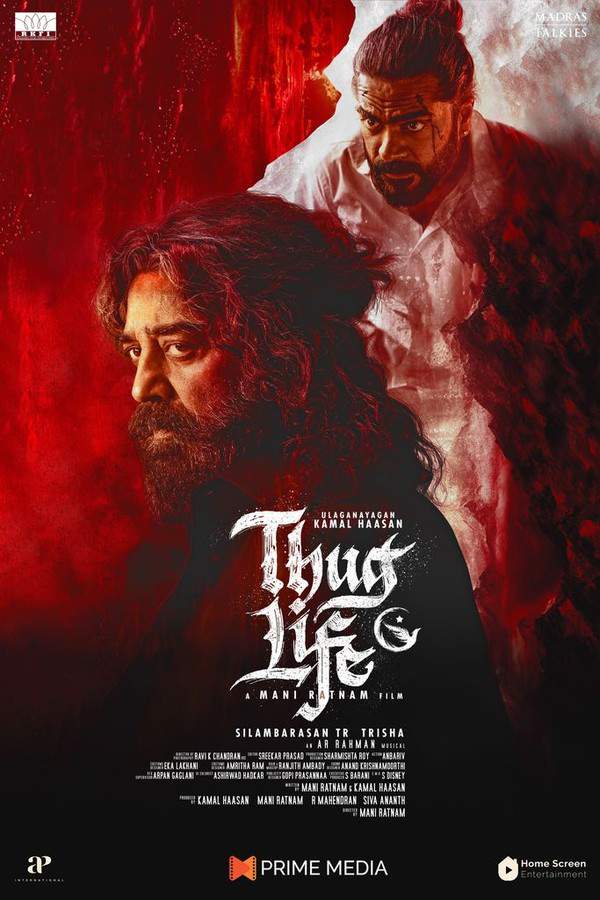
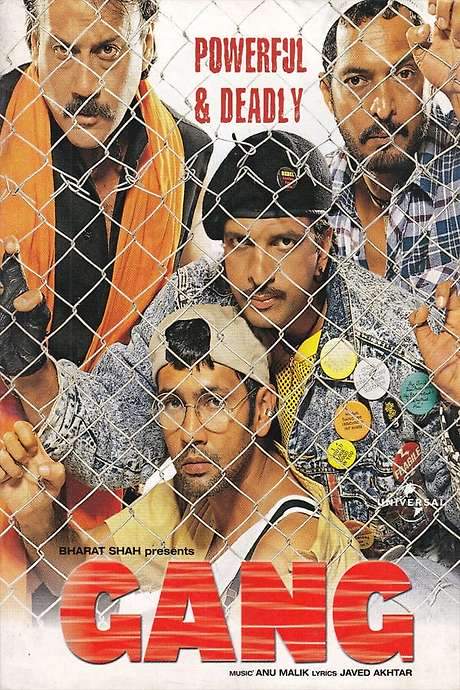
Futuristic Gangster Tragedies like Moon Child

Stories of loyalty and loss set against a bleak, futuristic criminal underworld. If you liked the gritty, futuristic world and tragic criminal drama of Moon Child, explore more movies like it. These films feature found families in a dystopian underworld, where heavy emotional themes of loyalty, sacrifice, and loss create a powerful, melancholic experience.

  • gritty
  • tragic
  • atmospheric
  • melancholic
  • futuristic
  • fatalistic
  • Tone: dark, melancholic, tragic
  • Pacing: variable, with action and reflection
Why these movies?

The story pattern: These narratives typically follow a group of characters bound by loyalty or circumstance in a high-stakes criminal environment. The story arc often involves a descent into conflict, leading to tragic losses and a bittersweet resolution that questions the cost of survival and the meaning of bonds formed in darkness.

Why they belong together: Movies are grouped here for their shared atmosphere of urban decay, their focus on criminal underworld dynamics, and their emotionally heavy exploration of themes like sacrifice, terminal illness, and the burden of loyalty, all set within a distinct sci-fi or futuristic aesthetic.
Movies with Bittersweet Endings Like Moon Child

Characters weighed down by curses or fate find a painful but transcendent peace. For viewers who appreciated the heavy emotional journey and bittersweet, transcendent ending of Moon Child. These similar movies feature characters grappling with curses like immortality or fatal illness, leading to profound sacrifices and a resolution that mixes deep sorrow with a sense of peaceful closure.

  • tragic
  • bittersweet
  • melancholic
  • fatalistic
  • heavy
  • transcendent
  • Tone: bittersweet, heavy, tragic
  • Pacing: variable, building to emotional climax
Why these movies?

The story pattern: The narrative follows characters grappling with an inescapable fate, such as a curse, terminal illness, or a heavy moral debt. Their journey is defined by sacrifice for loved ones, leading to a climax where personal tragedy is ultimately transformed into a form of spiritual or emotional release, providing a bittersweet catharsis.

Why they belong together: These films share a core emotional pattern: a narrative defined by high emotional weight, existential burdens placed on the characters, and a conclusion that is not purely tragic but offers a complex, bittersweet sense of peace or resolution after immense sacrifice.

If you liked this

Movies Like Moon Child

Similar movies to Moon Child: the same genre, themes or kind of story. Each one comes with its own plot summary, timeline and ending explained.

Browse all movie summaries

Every angle

Moon Child (2003) Explained: Plot, Timeline & Characters

Everything about Moon Child in one place: what happens in the plot summary, the timeline in chronological order, the characters and meaning and a spoiler-free summary. What's After the Movie adds the cast, box office and post-credit scenes.

Coming soon on iOS and Android

The Plot Explained Movie Summary App

Plot summaries, endings explained and timelines on your phone. Catch up on any movie in minutes, save your favorites and never miss a twist again.

Be the first to know when we launch. Your email stays private, always.

Learn more about the app