





Plot Explained Spoilers guaranteed!
Plot Explained

Browse by genre

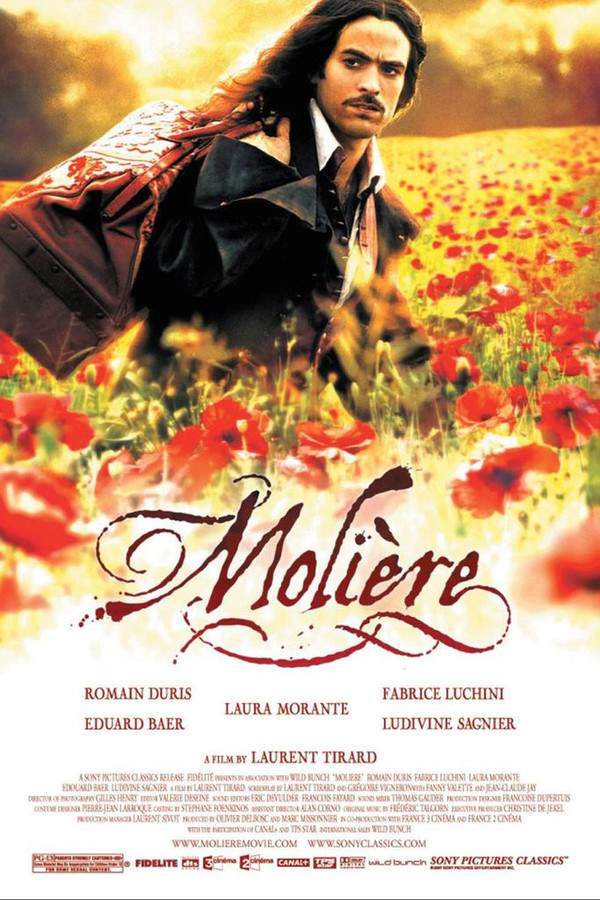
Molière (2007) movie poster

Characters & Themes

Molière (2007) Characters, Setting & Themes Explained

Release, runtime and language
2007 · 120 min · French
Directed by
Laurent Tirard
Starring
Romain Duris, Laura Morante, Fabrice Luchini

During the Restoration era in France, the struggling playwright Molière accepts a commission from the wealthy Monsieur Jourdain, who desires to learn the art of theater. As Molière guides his patron, he finds himself entangled in the complex and often dangerous world of the aristocracy. He encounters Climene, a captivating figure who hosts a salon where intrigue and veiled threats abound. Through these experiences, Molière begins to recognize the absurdities of the elite and discovers his own unique artistic perspective.

On this page (8)
  1. 1 Where to watch
  2. 2 Characters explained (3)
  3. 3 Where & when it takes place
  4. 4 Themes & meaning (4)
  5. 5 Character & meaning questions
  6. 6 Movie threads
  7. 7 Movies like Molière
  8. 8 Every angle

Where to watch

Where to Watch Molière (2007)

Where can you watch Molière? Stream, rent or buy it in the US, including on Amazon Video, Apple TV Store and Fandango At Home: current JustWatch availability with up-to-date prices.

Streaming availability powered by JustWatch

3 main characters · contains spoilers

Molière Characters Explained: Who Is Who

The main characters of Molière (2007), heroes and villains: what drives them, how they change over the course of the story and what each of them reveals about the film's bigger ideas.

  • Molière (Romain Duris)

    A gifted but indebted actor and playwright who maneuvers debt, patronage, and artistic ambition. He engineers his own social ascent by tutoring Jourdain in acting while navigating forbidden feelings for Elmire. His wit and craft fuel both the troupe’s survival and the rebirth of a legendary playwright’s voice.

    • 🎭 Theatre
    • 💡 Creativity
    • ❤️ Love
  • Elmire (Laura Morante)

    Jourdain’s neglected wife, whose quiet strength and intelligence become a catalyst for the story. She becomes entangled in Molière’s affection and the family’s schemes, balancing duty with desire. Her presence exposes the fragility of domestic life within a corrosive social web.

    • 💖 Love
    • 🧭 Agency
    • 🎭 Theatre
  • Monsieur Jourdain (Fabrice Luchini)

    A wealthy, socially ambitious commoner with grand pretensions who seeks to use theatre to win favor and status. He hires Molière, hoping to master acting and impress Célimène, while his own gullibility and vanity drive comic and dramatic tension. His scheming exposes the fragility of social climbers when confronted with authentic art.

    • 👑 Social status
    • 🧠 Naivety
    • 🎭 Theatre

Last updated: February 17, 2026 at 17:46

Was this helpful?

Setting

Where and When Does Molière Take Place?

The setting of Molière (2007): the year and time period, the places and locations, and how they shape the characters, the mood and the tension of the story.

Time period

1645–1658

The narrative shifts between 1645 and 1658, placing the drama in mid‑17th‑century Paris. It reflects a period when debt, patronage, and prestige shaped a playwright’s career and opportunities for stage success. The year 1658 anchors the return to Paris as Molière reclaims the stage with his troupe.

Location

Paris, France

The action unfolds in Paris, a 17th‑century capital known for its theatre culture and patronage networks. We see the royal and bourgeois circles intersect through Jourdain’s ambitions and Molière’s troupe. The film moves between the city’s theatres and the Jourdains’ domestic spaces, illustrating the urban stage where art and society collide.

  • 🗺️ City
  • 🏛️ Historic
  • 🎭 Theatre hub

Last updated: February 17, 2026 at 17:46

Was this helpful?

4 major themes

Molière Meaning: Themes & Message Explained

What is Molière (2007) really about? The emotional, social and philosophical themes the film keeps returning to, its symbolism and the message beneath the surface.

  • Theatre & Identity

    The film blurs actor, character, and life as Molière performs a role both on stage and off. The boundary between artist and persona is porous, with Tartuffe and other plays echoing in the plot. Characters reinvent themselves through performance, shaping reputation and fate.

  • Social Pretensions

    Jourdain’s appetite for status drives the plot, using theater as a tool to climb socially. The film pokes at aristocratic vanity and the hollow glamour of wealth, showing how appearances can mask insecurity. The tension between old social orders and rising ambition is a central engine.

  • Love & Deception

    Romantic desire complicates loyalties; Molière’s affection for Elmire risks scandal and jeopardizes debts and loyalties. Deception is a weapon and a shield, used to gain advantage or protect secrets. The plot uses romance to expose vulnerabilities in both performers and patrons.

  • Creative Legacy

    The story explicitly nods to Molière’s real plays, citing Tartuffe, Le Misanthrope, Le Malade Imaginaire and Le Bourgeois Gentilhomme. The fictional events are presented as possible inspirations for his mature works. The film frames these connections as a mythic bridge between life and literature.

Last updated: February 17, 2026 at 17:46

Was this helpful?

Character & theme questions

Molière Characters & Meaning: Your Questions Answered

The questions people ask about Molière (2007): who the characters really are, their relationships, what the symbols mean, where it takes place and what the movie is really about. Each answer contains spoilers.

Q1

Where is the movie set?

The film takes place in Paris, France during the mid-17th century. The city serves as both a theatrical hub and a backdrop for the intersection of royal and bourgeois circles, illustrating the urban stage where art and society collide.

  • paris
  • 17th century
  • setting
  • france
  • theatre city
Q2

When does the story take place?

The narrative unfolds between 1645 and 1658, a period when debt, patronage, and prestige shaped a playwright's career. The year 1658 specifically marks Molière's return to Paris and his reclaiming of the stage with his troupe.

  • 1645
  • 1658
  • 17th century
  • time period
  • restoration era
Q3

What does the film say about theatre and identity?

The movie blurs the line between actor, character, and real life as Molière performs both on stage and off. The boundary between artist and persona is porous, with his plays like Tartuffe echoing in the plot. Characters reinvent themselves through performance, shaping their reputation and fate.

  • theatre
  • identity
  • performance
  • self-reinvention
  • molière plays
Q4

How does the film critique social climbing?

Jourdain's relentless appetite for status drives the plot, using theatre as a tool to climb socially. The film pokes at aristocratic vanity and the hollow glamour of wealth, showing how appearances mask insecurity. The tension between old social orders and rising ambition is a central engine of the story.

  • social climbing
  • aristocracy
  • vanity
  • class
  • status
  • jourdain
Q5

How does love and deception intertwine in the story?

Romantic desire complicates loyalties throughout the film. Molière's affection for Elmire risks scandal and jeopardizes both debts and existing loyalties. Deception serves as both weapon and shield, used to gain advantage or protect secrets. Romance exposes vulnerabilities in performers and patrons alike.

  • love
  • deception
  • romance
  • elmire
  • affair
  • scandal
Q6

How does the film connect to Molière's real plays?

The story explicitly references Molière's actual works including Tartuffe, Le Misanthrope, Le Malade Imaginaire, and Le Bourgeois Gentilhomme. The fictional events are presented as possible inspirations for his mature works, framing these connections as a mythic bridge between his life and literary legacy.

  • tartuffe
  • le misanthrope
  • molière plays
  • creative legacy
  • inspiration
Q7

Who is Molière in this movie?

Molière is portrayed as a gifted but indebted actor and playwright who maneuvers through debt, patronage, and artistic ambition. He engineers his own social ascent by tutoring Jourdain in acting while navigating forbidden feelings for Elmire. His wit and craft fuel both his troupe's survival and the rebirth of a legendary playwright's voice.

  • molière
  • playwright
  • protagonist
  • artist
  • patron
Q8

Who is Monsieur Jourdain and what does he want?

Monsieur Jourdain is a wealthy, socially ambitious commoner with grand pretensions who seeks to use theatre to win favor and status. He hires Molière hoping to master acting to impress Célimène, while his own gullibility and vanity drive both comic and dramatic tension. His scheming exposes the fragility of social climbers when confronted with authentic art.

  • monsieur jourdain
  • social climber
  • theatre patron
  • Célimène
  • ambition
Q9

What role does Elmire play in the story?

Elmire is Jourdain's neglected wife whose quiet strength and intelligence become a catalyst for the story. She becomes entangled in Molière's affection and the family's schemes, balancing duty with desire. Her presence exposes the fragility of domestic life within a corrosive social web.

  • elmire
  • jourdain's wife
  • Molière's love interest
  • domestic life
  • intelligence
Q10

What was Paris like as a theatre hub in the 17th century?

Paris in the mid-17th century was a capital known for its vibrant theatre culture and complex patronage networks. The city's theatres and domestic spaces illustrated the urban stage where art and society constantly collided, with success depending heavily on wealthy patrons like Jourdain.

  • paris theatre
  • patronage
  • 17th century theatre
  • stage
  • artistic community

Movie threads

More Movies Like Molière, by Mood & Story

Curated lists built around what makes Molière tick: the same mood, the same kind of story or the same emotional payoff. Each list explains why these movies belong together.

Movies like Molière: Witty Farces and Artistic Inspiration

Charming comedies where deception inspires a creator's signature work. If you enjoyed the clever deceptions and artistic journey in Molière, you'll love these witty period comedies. Discover similar stories about poets, painters, and playwrights whose greatest works are inspired by comedic mishaps, romantic foibles, and a satirical view of society's absurdities.

  • witty
  • charming
  • satirical
  • playful
  • clever
  • romantic
  • Tone: witty, romantic, satirical
  • Pacing: steady, character-driven
Why these movies?

The story pattern: The narrative typically revolves around an artist who accepts a dubious commission or enters a world of pretense, leading to a farcical plot of mistaken identities and secret agendas. Through these comedic experiences, the protagonist gains a deeper understanding of human nature, which directly fuels their future masterpieces.

Why they belong together: These movies are grouped by their shared focus on a lighthearted, artistic origin story. They blend comedy, romance, and social satire with a steady pace, avoiding heavy drama in favor of a charming and intellectually playful tone. The central theme is the comedic process of finding inspiration.

Movies with Social Satire and Disguise like Molière

Humorous stories where disguises expose the absurdities of social climbing. Fans of Molière's witty take on class and deception will enjoy these similar films. Explore other charming stories where characters use secret identities to infiltrate high society, exposing its absurdities through a blend of romance, comedy, and clever social commentary.

  • satirical
  • charming
  • witty
  • playful
  • clever
  • romantic
  • Tone: light, satirical, charming
  • Pacing: steady
Why these movies?

The story pattern: The plot often involves a character of lower status who adopts a disguise to interact with the elite, leading to a series of comedic misunderstandings and near-scandals. The narrative uses this device to satirize social climbing, arranged marriages, and the frivolity of the upper class, culminating in a happy resolution that reinforces the value of authenticity.

Why they belong together: These films share a specific comedic tone that is more intellectual than slapstick. The focus is on verbal wit, situational irony, and the humorous contrast between genuine feeling and social artifice. The pacing is steady, allowing the social critique and romantic tensions to develop without becoming overly frantic or dark.

If you liked this

Movies Like Molière

Similar movies to Molière: the same genre, themes or kind of story. Each one comes with its own plot summary, timeline and ending explained.

Browse all movie summaries

Every angle

Molière (2007) Explained: Plot, Timeline & Characters

Everything about Molière in one place: what happens in the plot summary, the timeline in chronological order, the characters and meaning and a spoiler-free summary. What's After the Movie adds the cast, box office and post-credit scenes.

Coming soon on iOS and Android

The Plot Explained Movie Summary App

Plot summaries, endings explained and timelines on your phone. Catch up on any movie in minutes, save your favorites and never miss a twist again.

Be the first to know when we launch. Your email stays private, always.

Learn more about the app