Plot Explained Spoilers guaranteed!
Plot Explained

Browse by genre

Maria (2019) movie poster

Ending Explained

Maria (2019) Ending Explained – Final Scene & Meaning

Release, runtime and language
2019 · 90 min · French
Echo score 63
Directed by
Pedring Lopez
Starring
Andrea Del Rosario, Cindy Miranda, Cristine Reyes, Freddie Webb, Germaine De Leon, Guji Lorenzana
Budget
$1.2M

A skilled assassin working for the BlackRose cartel abruptly abandons a mission, triggering a violent and relentless pursuit when the cartel seeks retribution. To escape, she fabricates her death and assumes a new identity, hoping to leave her dangerous past behind. However, her enemies track her down, forcing her into a desperate fight for survival and a quest for revenge against those who shattered her carefully constructed life.

On this page (6)
  1. 1 What happens at the end
  2. 2 Final events in order
  3. 3 Ending questions answered
  4. 4 Movie threads
  5. 5 Movies like Maria
  6. 6 Every angle

Ending explained · contains spoilers

What Happens at the End of Maria?

How Maria (2019) ends, what the final scene means, which earlier moments set it up and how to read the ending if the film leaves it open. The full ending explained, with every spoiler.

In the film’s final moments, Maria Callas is shown playing a card game with her caretakers, Bruna and Ferrucio, telling them to stay together because they deserve each other's goodness. This quiet, intimate scene is a peaceful farewell, suggesting that she has accepted her fate and cherishes the relationships that sustained her. Shortly after, she dies the next morning, seemingly from a heart attack. Throughout the film, we see her struggle with both physical illness and emotional scars from her past, which have taken a toll on her health. Her physical decline is portrayed as a consequence of her psychological pain, her need to defy doctors' advice, and her relentless drive to perform despite her failing body. The film hints that her death might have been an overdose—possibly after listening to a recording of her last performance, which devastated her, or during a hallucination where she envisions her younger self performing one last time. Instead of making her death a mystery, director Pablo Larrain chooses a poetic ending, emphasizing the toll that fame, relationships, and internal struggles take on her. Ultimately, Maria’s final scene is a reflection on her complex life—her artistry, her pain, and her desire to leave the world with a sense of peace, even if it was possibly self-inflicted. The film leaves viewers with a poignant reminder of the human behind the legend, suggesting that her true death stemmed from a combination of physical frailty and emotional exhaustion.

Last updated: June 25, 2025 at 08:44

Was this helpful?

The last 4 events

How Maria Ends: The Final Events in Order

The last events of Maria (2019) in chronological order, the run-up to the ending explained above. The complete timeline has all 15 events, scene by scene.

Open the full timeline
  1. The Showdown

    The action escalates at the docks where Kaleb and Victor prepare for a final confrontation. Maria, dressed in tactical gear, stealthily takes out Kaleb's men, showing her skills and intent to reclaim her power.

    Where
    Docks
  2. Kaleb's Defeat

    In an intense standoff, Maria ultimately gains the upper hand against Kaleb, declaring that she is death itself. She slits his throat, bringing a critical element of her quest for revenge to a climax.

    Where
    Dockside Office
  3. Aftermath and Reflection

    In the aftermath, Ricardo urges Victor to avenge Kaleb's death, solidifying the ongoing cycle of violence. Maria meets with Greg, who provides her with cash and expresses his concern for her future, hinting that her battle may not yet be over.

    Where
    Bar
  4. The Final Scene

    The film closes with Maria and Greg sharing a drink in silence, facing the reality of their violent lives. As they lock eyes, the story hints at the potential for hope amid the darkness they both endure.

    Where
    Bar

Ending questions answered

Maria Ending: Your Questions Answered

The questions people ask most about the ending of Maria (2019): what the final scene means, how the twist works, what happens to each character and how to read the ending. Each answer contains spoilers.

Q1

How does Maria die at the end of the film?

Maria Callas dies the morning after a peaceful card game with her caretakers, Bruna and Ferrucio, apparently from a heart attack. The film strongly hints, however, that her death may actually have been an overdose, possibly triggered by listening to a devastating recording of her last operatic performance or by a hallucination in which she envisions her younger self singing one final time.

  • maria callas death
  • maria ending
  • heart attack
  • overdose
  • final scene
Q2

Does Maria intentionally kill herself in the ending?

Maria never confirms a suicide, but director Pablo Larraín deliberately leaves open the possibility that her death was self-inflicted. The suggestion of an overdose, combined with her refusal to follow medical advice and her emotional collapse after hearing her final performance, implies Maria may have chosen to end her suffering rather than endure further decline.

Foreshadowing: Throughout Maria, she repeatedly defies her doctors and insists on performing despite her failing body, foreshadowing a willingness to choose artistry and control over preservation.

  • maria suicide
  • overdose ending
  • self-inflicted death
  • larrain intent
Q3

Why does Maria play cards with Bruna and Ferrucio in her final scene?

The quiet card game functions as Maria's unspoken farewell to the two people who cared for her in her final years. By choosing intimacy, humor, and domestic normalcy in her last conscious hours, Maria signals that she has accepted her fate and found a measure of peace through the human connections that remained when her career and her body had failed her.

Foreshadowing: Bruna and Ferrucio are presented throughout the film as the only companions who treat Maria as a person rather than a legend, setting up their presence as the emotional anchor of her final scene.

  • maria card game
  • bruna ferrucio
  • farewell scene
  • final moments
Q4

What does Maria's hallucination of her younger self signify?

The vision of her younger self performing one last time represents Maria reconciling with the artist she once was before illness, heartbreak, and fame diminished her. It is a moment of reunion between Maria the woman and Maria the legend, suggesting that her death allows her to finally return to the version of herself she mourned.

Foreshadowing: Earlier flashbacks to Maria's prime vocal performances establish the younger self as the standard she measures her present self against, building toward this final comparison.

  • maria hallucination
  • younger self
  • vision
  • reconciliation
  • prime performance
Q5

Why does Maria listen to her final performance recording before dying?

Hearing the recording of her last performance devastates Maria because it confronts her with the irreversible decline of her voice and artistry. The moment functions as the emotional trigger that tips her toward accepting, or possibly choosing, death, framing the recording as the final wound her legacy inflicts on her.

Foreshadowing: Maria's obsession with sonic perfection is established early, making the act of replaying her own voice an intimate and destructive ritual rather than a casual one.

  • final performance recording
  • maria callas last performance
  • voice decline
  • trigger
Q6

Is Maria's death caused by physical illness or emotional trauma?

The film presents Maria's death as the convergence of both. Her physical frailty, heart condition, and refusal to follow medical guidance provide the bodily mechanism, while her unresolved grief, her tortured relationship with Aristotle Onassis, and her inability to stop performing provide the emotional cause. Larraín frames the two as inseparable.

Foreshadowing: Maria's constant coughing fits, canceled engagements, and defiance of her doctors throughout the film telegraph that her body is failing long before her final morning.

  • maria illness
  • emotional trauma
  • physical decline
  • onassis grief
Q7

What does Maria's ending say about the cost of fame?

By ending on a frail, isolated Maria rather than a triumphant performance, Larraín argues that legendary status cannot protect a person from loneliness, illness, or self-destruction. The poetic, ambiguous death reframes Maria Callas as a woman first and an icon second, suggesting that the toll of being adored ultimately exceeded the rewards.

Foreshadowing: Maria's recurring flashbacks to her most celebrated roles are paired with images of her alone and unwell, hinting that public glory and private suffering are inextricably linked.

  • cost of fame
  • maria callas legacy
  • isolation
  • price of greatness
Q8

Why does Larraín choose a poetic ending instead of explaining Maria's death?

Larraín avoids a definitive cause of death because a clinical explanation would reduce Maria Callas to a medical case rather than a complex artist. Leaving her death ambiguous between heart failure, overdose, and psychological collapse honors the unknowability of her inner life and invites viewers to feel the weight of her final hours rather than diagnose them.

  • larrain ending
  • poetic death
  • ambiguous ending
  • interpretive

Movie threads

More Movies Like Maria, by Mood & Story

Curated lists built around what makes Maria tick: the same mood, the same kind of story or the same emotional payoff. Each list explains why these movies belong together.

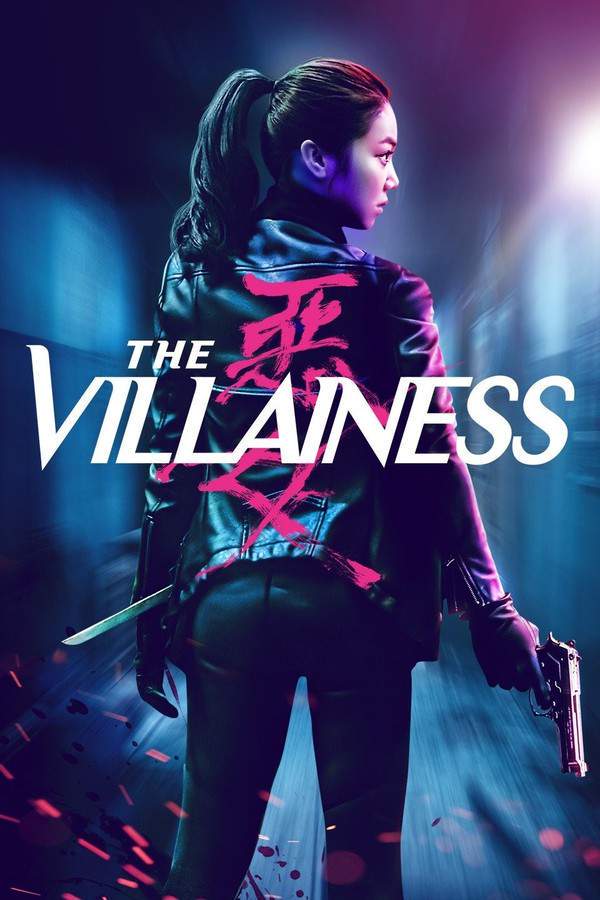
Female-led revenge thrillers like Maria

Skilled women unleashed against the syndicates that dared to cross them. If you liked Maria, you'll love these action thrillers centered on a deadly female protagonist hunting down the criminal empire that shattered her life. These movies like Maria combine gritty violence, dark noir aesthetics, and a woman unleashing her lethal skills against ruthless cartels and syndicates. Expect high intensity shootouts, hand to hand combat, and a vengeful spirit that refuses to break.

  • vengeful
  • brutal
  • female-led
  • noir
  • intense
  • gritty
  • Tone: dark, brooding, vengeful
  • Pacing: fast and relentless
Why these movies?

The story pattern: Stories in this thread typically begin with a woman who has every reason to stay hidden, but is cornered into action when something irreplaceable is taken from her. Her training, once meant to be left behind, becomes the only language she still speaks fluently. The plot moves through a chain of escalating confrontations, each one peeling back a layer of the organization that wronged her, until she reaches the source of her pain and delivers a brutal, personal reckoning. Romance, hesitation, and mercy are rarely rewarded.

Why they belong together: They share a dark, brooding tone, fast pacing, and heavy emotional weight driven by personal loss. The heroines are competent, cold, and morally compromised, which makes their moments of vulnerability hit harder. The violence is graphic and purposeful, and the endings tend to be bittersweet at best, with survival coming only at the cost of everything soft in the character's life.
Movies about a hidden past catching up to you like Maria

A quiet identity built on lies collapses the moment old enemies arrive. Movies like Maria for fans of stories where a character trying to escape a violent past has their peaceful new identity torn apart. These thrillers focus on assumed names, hidden histories, and the terrifying moment when enemies from a former life track you down. Expect heavy emotional weight, dark tone, and a desperate fight to protect loved ones while a constructed life crumbles into revenge.

  • hidden identity
  • relentless pursuit
  • family in danger
  • paranoia
  • broken cover
  • vengeful
  • Tone: dark, paranoid, mournful
  • Pacing: fast once exposed
Why these movies?

The story pattern: These films follow a character living under a fabricated identity, usually with a partner, child, or quiet routine that anchors them. Inciting violence arrives not from choice but from exposure, forcing the protagonist to protect what little remains of their new self. The middle section is often a cat and mouse pursuit where the lines between hunter and hunted blur. By the end, the original identity has resurfaced, the new life is gone, and what remains is a hollow, solitary figure shaped entirely by what was lost.

Why they belong together: They are unified by the central tension between a constructed civilian self and a buried violent self, with the cartel, agency, or syndicate acting as the force that rips them apart. Tone is consistently dark and brooding, pacing is fast once the cover is blown, and emotional weight is heavy because family, love, and innocence are the stakes being destroyed. The endings tend toward bittersweet, where survival is purchased at the cost of the very things that made the new life worth living.

If you liked this

Movies Like Maria

Similar movies to Maria: the same genre, themes or kind of story. Each one comes with its own plot summary, timeline and ending explained.

Browse all movie summaries

Every angle

Maria (2019) Explained: Plot, Ending, Timeline & Characters

Everything about Maria in one place: what happens in the plot summary, the timeline in chronological order, the characters and meaning, the ending explained and a spoiler-free summary. What's After the Movie adds the cast, box office and post-credit scenes.

Coming soon on iOS and Android

The Plot Explained Movie Summary App

Plot summaries, endings explained and timelines on your phone. Catch up on any movie in minutes, save your favorites and never miss a twist again.

Be the first to know when we launch. Your email stays private, always.

Learn more about the app