










Year: 2018
Runtime: 112 min
Language: English
Director: Clare Niederpruem
Echo Score: 60Budget: $40M
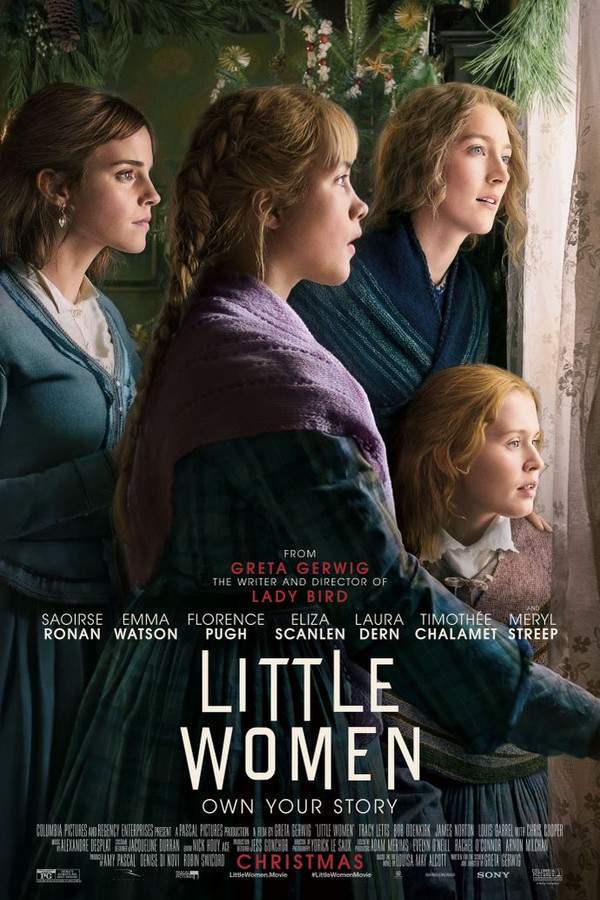
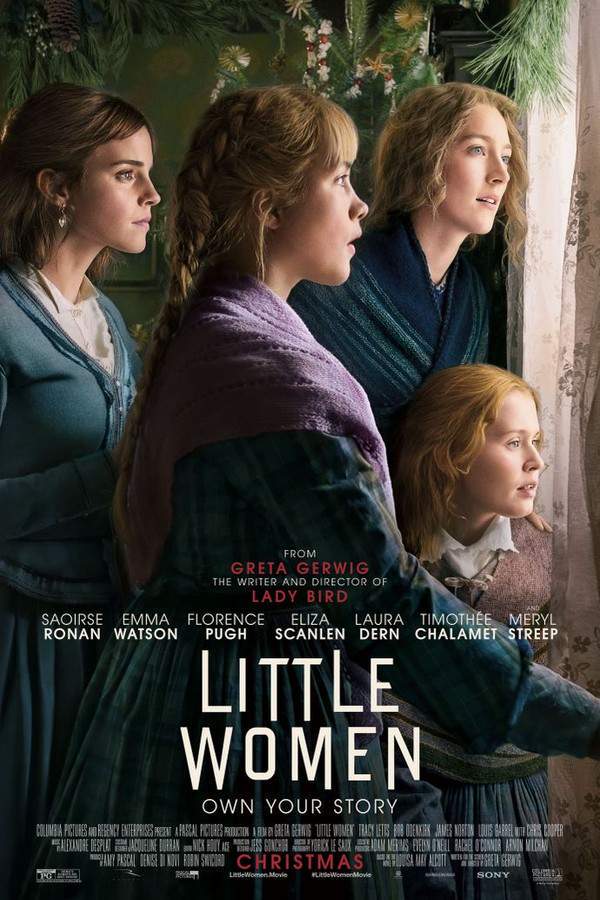
During the American Civil War, the four March sisters—Jo, Meg, Beth, and Amy—experience both hardship and joy. Their father is away serving as a chaplain, and the sisters grapple with poverty, societal expectations, and the pursuit of their individual dreams. Meg longs for marriage and a comfortable home, while Jo aspires to be a writer, Beth finds solace in music, and Amy seeks artistic recognition. Their strong familial bond helps them navigate these challenges and discover their own paths to happiness and fulfillment.
Warning: spoilers below!
Haven’t seen Little Women yet? This summary contains major spoilers. Bookmark the page, watch the movie, and come back for the full breakdown. If you're ready, scroll on and relive the story!
Still thinking about how Little Women (2018) ended? Here’s a full breakdown of the ending, key final moments, major twists, and the deeper meaning behind the film’s conclusion.
At the end of Greta Gerwig’s Little Women, the film cuts between the joyful scenes of Jo’s family celebration and the process of her first book being physically bound and prepared for publication—though this moment isn’t actually part of the original story, but a reflection of Louisa May Alcott’s real-life experiences. This blending of fiction and reality introduces a meta-narrative that elevates the film beyond a simple retelling. Throughout the movie, Jo struggles to assert her independence in her career, negotiating with a publisher and ultimately securing better terms for her work. Her success is depicted as an act of creative and personal agency, emphasizing the film’s central theme: women owning their stories and their futures.
In the final scenes, Jo’s victorious publication process overlaps with her personal life, including her engagement to Professor Bhaer. But the meta-narrative raises the question of whether the romantic scene, resembling her ideal ending, is a real moment or a fabricated fantasy that Jo imagines to satisfy her publisher—mirroring Alcott’s own life, where she married later as a spinster and negotiated her story in her own terms. The film leaves this ambiguous, prompting viewers to consider if Jo’s love story and her evolution as a writer are genuine or constructed. Ultimately, Gerwig’s ending celebrates the idea that women can craft their own stories—both in fiction and in life—and that the act of storytelling itself is a form of independence.
By blending the fictional narrative with Alcott’s real-life journey and adding this meta-layer, Gerwig highlights the importance of women’s authorship and autonomy. The final shot, with Jo watching her book come to life, encapsulates the triumph of creative self-determination. It suggests that whether her marriage to Bhaer was an actual event or a narrative device, the true victory lies in Jo’s assertion of agency over her story. This innovative and nuanced ending underscores the enduring power of storytelling as a tool for women to define themselves and their worlds, making Gerwig’s adaptation both a tribute to Alcott and a statement about women’s independence today.
Last Updated: June 25, 2025 at 09:00
Discover curated groups of movies connected by mood, themes, and story style. Browse collections built around emotion, atmosphere, and narrative focus to easily find films that match what you feel like watching right now.
Stories where youthful ambition and joy are tempered by loss and life's inevitable changes.Explore movies like 'Little Women' that capture the bittersweet journey of growing up. These films feature hopeful characters navigating ambition, family bonds, and life's challenges, blending heartfelt joy with the poignant weight of change and loss for a deeply affecting experience.
Narratives in this thread typically follow an ensemble or a central protagonist through formative years, focusing on personal ambitions clashing with societal or familial expectations. The journey is marked by both achievement and sacrifice, with emotional climaxes often stemming from loss, unrequited love, or the painful but necessary process of leaving childhood behind.
Movies are grouped here for their shared ability to evoke a specific bittersweet nostalgia. They share a moderate emotional weight, a steady, character-focused pace, and a tone that expertly blends hopefulness with melancholy, resulting in stories that feel both uplifting and authentically somber.
Intimate stories focusing on the enduring bonds and gentle conflicts within a family.Find more heartfelt family dramas similar to 'Little Women'. These movies focus on the complex bonds between siblings and parents, exploring themes of love, duty, and individual growth within the family structure, often set against a historical backdrop.
The narrative pattern revolves around multiple character arcs within a single family, often set against a specific time period. Conflicts are internal and relational, stemming from differing aspirations, financial strains, or illness. The story's heart lies in quiet moments of connection and resilience, building towards an ending that reaffirms the family's strength.
These films are connected by their primary focus on family bonds as the central narrative force. They share a heartfelt and hopeful mood, a steady pacing that allows for character immersion, and a medium intensity that makes them engaging without being overwhelming. The setting is often a key part of the world-building.
Don't stop at just watching — explore Little Women in full detail. From the complete plot summary and scene-by-scene timeline to character breakdowns, thematic analysis, and a deep dive into the ending — every page helps you truly understand what Little Women is all about. Plus, discover what's next after the movie.
Read a complete plot summary of Little Women, including all key story points, character arcs, and turning points. This in-depth recap is ideal for understanding the narrative structure or reviewing what happened in the movie.
Track the full timeline of Little Women with every major event arranged chronologically. Perfect for decoding non-linear storytelling, flashbacks, or parallel narratives with a clear scene-by-scene breakdown.
Discover the characters, locations, and core themes that shape Little Women. Get insights into symbolic elements, setting significance, and deeper narrative meaning — ideal for thematic analysis and movie breakdowns.
Get a quick, spoiler-free overview of Little Women that covers the main plot points and key details without revealing any major twists or spoilers. Perfect for those who want to know what to expect before diving in.
Visit What's After the Movie to explore more about Little Women: box office results, cast and crew info, production details, post-credit scenes, and external links — all in one place for movie fans and researchers.
Discover movies like Little Women that share similar genres, themes, and storytelling elements. Whether you’re drawn to the atmosphere, character arcs, or plot structure, these curated recommendations will help you explore more films you’ll love.
Little Women (2018) Plot Summary & Movie Recap
Little Women (2018) Scene-by-Scene Movie Timeline
Little Women (2018) Movie Characters, Themes & Settings
Little Women (2018) Spoiler-Free Summary & Key Flow
Movies Like Little Women – Similar Titles You’ll Enjoy
Little Men (2016) Spoiler-Packed Plot Recap
Little Children (2006) Full Summary & Key Details
Little Big Women (2021) Film Overview & Timeline
Little Woods (2019) Plot Summary & Ending Explained
Little Sister (2016) Complete Plot Breakdown
Little Women (1949) Ending Explained & Film Insights
Little Women (2019) Film Overview & Timeline
Little (2019) Full Summary & Key Details
Little Women (1994) Ending Explained & Film Insights
Little House: Bless All the Dear Children (1983) Movie Recap & Themes
Little Women (1000) Detailed Story Recap
Tales of Little Women (1000) Movie Recap & Themes
Little Women (1918) Spoiler-Packed Plot Recap
Little Women (1000) Ending Explained & Film Insights
Little Women II : Jo’s Boys (1000) Film Overview & Timeline