Plot Explained Spoilers guaranteed!
Plot Explained

Browse by genre

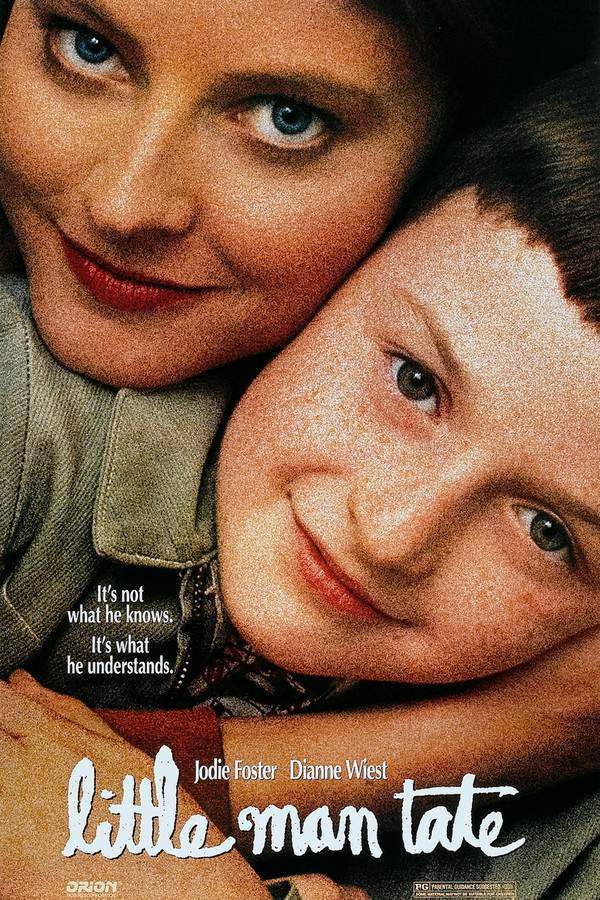
Little Man Tate (1991) movie poster

Plot Summary

Little Man Tate (1991) Plot Summary Explained

Release, runtime and language
1991 · 99 min · English
Loading streaming availability…
Starring
Jodie Foster, Dianne Wiest, Adam Hann-Byrd

A poignant drama following Fred Tate, a seven-year-old boy with exceptional intellectual gifts. His single mother, Dede, grapples with nurturing his extraordinary abilities while striving to provide him with a typical childhood. Fred attends a summer camp for gifted children where his intellectual development blossoms, forcing him to consider the challenges of advanced education versus a carefree life, and the impact of being labeled a prodigy.

On this page (6)
  1. 1 Where to watch
  2. 2 What happens: full plot
  3. 3 Plot questions answered
  4. 4 Movie threads
  5. 5 Movies like Little Man Tate
  6. 6 Every angle
Loading streaming availability…

Full plot summary · contains spoilers

What Happens in Little Man Tate: Full Plot Summary

The whole story of Little Man Tate (1991) explained, from the opening scene to the final frame: every key event, every twist and what it all adds up to. Read it as a quick recap before the sequel, to check a scene you missed, or to finally understand what really happened.

In the seemingly ordinary life of Dede Tate, a devoted mother portrayed by Jodie Foster, her seven-year-old son Fred shines brightly with extraordinary talents. Despite his average intelligence, Fred displays remarkable skills in reading, mathematics, and music, effortlessly playing the piano with a level of proficiency that could rival seasoned professionals. Unfortunately, his exceptional abilities have made him a target for isolation among his peers at public school. However, this situation catches the attention of Jane Grierson, a psychologist and former child prodigy, who has dedicated her career to nurturing gifted children.

Jane proposes a new opportunity to Dede: enrolling Fred in her elite school where he can truly flourish away from the limitations of traditional education. Initially hesitant, fearing that Fred might miss out on a ‘normal’ childhood, Dede ultimately decides to embrace the change when she recognizes her son’s growing loneliness.

With Fred's admission into the prestigious institution, he embarks on a transformative journey, joining a unique cohort of brilliant students, including Damon Wells, known as the Mathemagician, who dons an eye-catching black cape. However, a rivalry soon brews when Fred's talents overshadow Damon during an intense Odyssey of the Mind competition, leading to tension between the two. Nevertheless, during a pivotal horseback ride at Jane's ranch, Damon reveals a crucial lesson to Fred: > "It's not the size of a man's IQ that matters; it's how he uses it." This advice invites Fred into a broader world, one where he can apply his incredible abilities for meaningful purposes.

Throughout this new chapter, Jane’s struggle to connect with Fred on a personal level poses yet another challenge. She tends to view him through the scope of her research, rather than understanding him as an individual. As Fred navigates his new life, he grapples with the trials of being labeled a child prodigy, yearning for genuine relationships and emotional support in a society that often prioritizes intellectual achievement over personal connections.

As Fred transitions into university life, his mother, aunt, and cousins take a summer trip to Florida, leaving him to delve into the complexities of quantum physics on his own. During this time, he unexpectedly encounters Eddie, a fellow adult student. A lighthearted moment quickly turns chaotic when a playful throw inadvertently hits Fred. However, this mishap blossoms into a budding friendship when Eddie introduces Fred to simple pleasures like a moped ride and shooting pool. Sadly, their connection falters when Fred inadvertently witnesses Eddie in an intimate moment with a woman, prompting him to retreat and reflect on his need for companionship with his peers.

As Fred continues to feel the weight of his isolation, nightmares plague him with fears of rejection due to his prodigious talents. His emotional struggles become evident when Jane invites him to join a televised panel discussion on gifted children; here, he becomes overwhelmed, reciting a harmless poem from a classmate before hastily leaving the stage. Witnessing her son’s distress on live television spurs Dede into action, leading her to return to New York to comfort Fred.

In the aftermath of this emotional upheaval, Dede finds Fred, embraces him, and for the first time in years, he affectionately calls her “mom.” A year later, as Fred learns to navigate the complexities of being a child genius, his coping mechanisms improve, in part thanks to the arrival of a younger student at Jane's school. To celebrate Fred’s birthday, Dede throws a vibrant party that symbolizes a pivotal moment in his emotional growth, bridging the gap between his formidable intelligence and his evolving sense of self.

Last updated: November 19, 2024 at 18:33

Was this helpful?

Plot questions answered

Little Man Tate Plot Explained: Your Questions Answered

The questions people ask most about Little Man Tate (1991): what happens in the confusing scenes, why the characters do what they do, the twists, hidden details and what the ending means. Each answer contains spoilers.

Q1

Why did Dede decide to enroll Fred in Jane's elite school?

Dede decided to enroll Fred in Jane's school after recognizing his growing loneliness at public school. Despite initially fearing he would miss out on a normal childhood, she saw that his exceptional talents had created a barrier between him and his peers, leaving him isolated. When Jane Grierson proposed the opportunity, Dede chose to prioritize Fred's social and intellectual needs over her concerns about losing his typical childhood experiences.

Foreshadowing: Earlier in the film, Fred's isolation at public school is shown through his separation from other children, making this transition inevitable.

  • Dede Tate
  • Fred Tate
  • Jane Grierson
  • gifted education
  • school enrollment
  • child prodigy
Q2

Why did Fred's rivalry with Damon develop at the elite school?

The rivalry began during an Odyssey of the Mind competition where Fred's talents overshadowed Damon's. Damon, known as the Mathemagician and previously the star student, felt diminished when Fred's abilities took center stage. This competition created tension between the two bright students, highlighting the competitive atmosphere among gifted children.

Foreshadowing: The film establishes Damon's distinctive presence early, wearing a black cape and being known for his mathematical abilities.

  • Damon Wells
  • Fred Tate
  • Odyssey of the Mind
  • rivalry
  • gifted students
  • competition
Q3

Why did Fred have an emotional breakdown during the televised panel?

Fred became overwhelmed during the televised panel about gifted children because of the immense psychological pressure placed on him as a child prodigy. The experience triggered his deep-seated fears of rejection due to his exceptional abilities. When asked to participate, he was already struggling with nightmares about being rejected because of his intellect, and the live television environment amplified his anxiety to the point where he fled the stage after reciting a classmate's poem.

Foreshadowing: Fred's nightmares about rejection are shown earlier, revealing his underlying emotional turmoil about being defined by his intelligence.

  • Fred Tate
  • television panel
  • emotional breakdown
  • child prodigy
  • pressure
  • anxiety
Q4

Why did Fred call Dede 'mom' for the first time in years?

Fred calling Dede 'mom' marked a significant emotional breakthrough because it represented his renewed acceptance of their mother-son bond. After his breakdown on live television and his mother's return to comfort him, Fred felt genuinely seen and supported as a person rather than just a gifted child. This moment symbolized the healing of their relationship, which had been strained by years of Fred's emotional distancing due to his isolation and the pressures of his extraordinary abilities.

Foreshadowing: Dede's decision to rush back to New York after witnessing her son's distress demonstrates her unconditional support, which paves the way for this reconciliation.

  • Fred Tate
  • Dede Tate
  • emotional breakthrough
  • mother-son bond
  • reconciliation
Q5

Why did Fred's friendship with Eddie at university falter?

Fred's friendship with Eddie, the adult university student he met, began to unravel when Fred inadvertently witnessed Eddie in an intimate moment with a woman. This caused Fred to retreat and reflect on his need for companionship with peers. The awkwardness of the situation, combined with Fred's general difficulty forming connections due to his isolation throughout his childhood, led him to pull away from the friendship.

Foreshadowing: Earlier scenes establish Fred's struggle with peer relationships and his yearning for genuine connections, making this retreat consistent with his character arc.

  • Fred Tate
  • Eddie
  • friendship
  • university
  • peer relationships
  • isolation
Q6

What was the significance of Damon's lesson about IQ during the horseback ride?

Damon's lesson to Fred during the horseback ride at Jane's ranch was significant because it shifted Fred's perspective on how to apply his extraordinary intelligence. When Damon said "It's not the size of a man's IQ that matters; it's how he uses it," he introduced Fred to the idea that his gifts could serve meaningful purposes beyond mere academic achievement. This wisdom helped Fred begin to see his abilities as tools for contribution rather than reasons for isolation.

Foreshadowing: The rivalry earlier in the film establishes that Damon initially felt threatened by Fred, making this moment of genuine insight more impactful.

  • Damon Wells
  • Fred Tate
  • horseback ride
  • IQ
  • wisdom
  • gifted children
  • personal growth
Q7

Why did Jane Grierson struggle to connect with Fred beyond his giftedness?

Jane Grierson struggled to connect with Fred because she tended to view him through the scope of her research rather than as an individual person. As a psychologist and former child prodigy who dedicated her career to nurturing gifted children, she often saw Fred as a subject or case study rather than understanding his emotional needs. This clinical approach created a barrier in forming a genuine personal connection with him.

Foreshadowing: Jane's professional background is established early when she approaches Dede about Fred, framing her interest in him as partly research-oriented.

  • Jane Grierson
  • Fred Tate
  • psychologist
  • child prodigy
  • emotional connection
  • research
Q8

Why did Fred have nightmares about rejection due to his abilities?

Fred had nightmares about rejection because his exceptional intellectual abilities had consistently set him apart from his peers throughout his childhood. At public school, his talents isolated him from other children, and this social rejection left deep emotional scars. Even in his new environment at the elite school and university, he struggled with feelings of not belonging, fearing that his intelligence would always prevent genuine human connection.

Foreshadowing: Fred's isolation at public school is shown early in the film, establishing the root cause of his fears.

  • Fred Tate
  • nightmares
  • rejection
  • isolation
  • child prodigy
  • fears
Q9

What did Fred's birthday party symbolize in the film?

Fred's birthday party, thrown by Dede a year after his emotional breakdown, symbolized a pivotal moment in his emotional growth and integration of his identity. It represented the bridging of the gap between his formidable intelligence and his evolving sense of self as a child who could also experience joy and connection. The celebration marked his improved coping mechanisms and the healing of his relationship with his mother.

Foreshadowing: The party comes after Fred's breakthrough moment of calling Dede 'mom', showing the progression of their reconciliation.

  • Fred Tate
  • birthday party
  • emotional growth
  • Dede Tate
  • healing
  • identity
Q10

Why was Fred isolated at his public school despite his talents?

Fred was isolated at public school because his exceptional abilities in reading, mathematics, and music set him apart from his peers. While his intelligence was average, his remarkable skills created a barrier between him and other children, who could not relate to his advanced capabilities. This isolation highlights the social challenges gifted children face in traditional educational environments where they struggle to find peers who share their intellectual level.

Foreshadowing: The film opens with Dede witnessing Fred's extraordinary talents, immediately establishing the contrast between his abilities and those around him.

  • Fred Tate
  • public school
  • isolation
  • gifted child
  • social challenges
  • peers

Movie threads

More Movies Like Little Man Tate, by Mood & Story

Curated lists built around what makes Little Man Tate tick: the same mood, the same kind of story or the same emotional payoff. Each list explains why these movies belong together.

Movies about gifted outsiders like Little Man Tate

Emotional dramas about prodigies struggling to connect in a world that doesn't understand them. If you liked Little Man Tate, explore more movies about child prodigies and gifted individuals navigating the challenges of being different. These films share a similar bittersweet tone, focusing on the emotional cost of genius and the universal search for connection in movies like Little Man Tate.

  • introspective
  • poignant
  • isolated
  • hopeful
  • melancholic
  • thoughtful
  • Tone: bittersweet, poignant
  • Pacing: steady, character-driven
Why these movies?

The story pattern: Stories in this thread typically follow a protagonist with extraordinary abilities whose intellectual or artistic development outpaces their emotional maturity. The central conflict arises from their difficulty connecting with peers and the pressure to fulfill their potential, often leading to a journey of self-discovery that balances achievement with emotional growth.

Why they belong together: These movies are grouped together because they share a core focus on the emotional landscape of giftedness. They blend hopeful moments of intellectual triumph with melancholic themes of isolation, creating a specific bittersweet mood that explores what is gained and lost when one is born different.

Gentle parent-child bond dramas similar to Little Man Tate

Quiet stories about families facing unique challenges that test their love and resilience. Viewers who appreciated the mother-son relationship in Little Man Tate will find similar emotional journeys in these gentle dramas. Discover movies like Little Man Tate that focus on the quiet strength of family bonds tested by unique challenges, featuring steady pacing and a hopeful yet realistic tone.

  • heartfelt
  • gentle
  • hopeful
  • emotional
  • poignant
  • family
  • Tone: hopeful, bittersweet
  • Pacing: steady, gentle
Why these movies?

The story pattern: The narrative pattern revolves around a parent, often a single mother or father, striving to support a child through a specific challenge—be it giftedness, illness, or social adversity. The plot is less about external events and more about the internal, emotional evolution of their relationship as they learn to understand and support each other better.

Why they belong together: These films are connected by their gentle, steady pacing and their primary focus on the emotional dynamics of a central parent-child relationship. They share a medium emotional weight and often a bittersweet or hopeful tone, prioritizing heartfelt character development over complex plotting.

If you liked this

Movies Like Little Man Tate

Similar movies to Little Man Tate: the same genre, themes or kind of story. Each one comes with its own plot summary, timeline and ending explained.

Browse all movie summaries

Every angle

Little Man Tate (1991) Explained: Plot, Timeline & Characters

Everything about Little Man Tate in one place: what happens in the plot summary, the timeline in chronological order, the characters and meaning and a spoiler-free summary. What's After the Movie adds the cast, box office and post-credit scenes.

Coming soon on iOS and Android

The Plot Explained Movie Summary App

Plot summaries, endings explained and timelines on your phone. Catch up on any movie in minutes, save your favorites and never miss a twist again.

Be the first to know when we launch. Your email stays private, always.

Learn more about the app