Year: 1966
Runtime: 66 mins
Language: English
Director: Andy Warhol
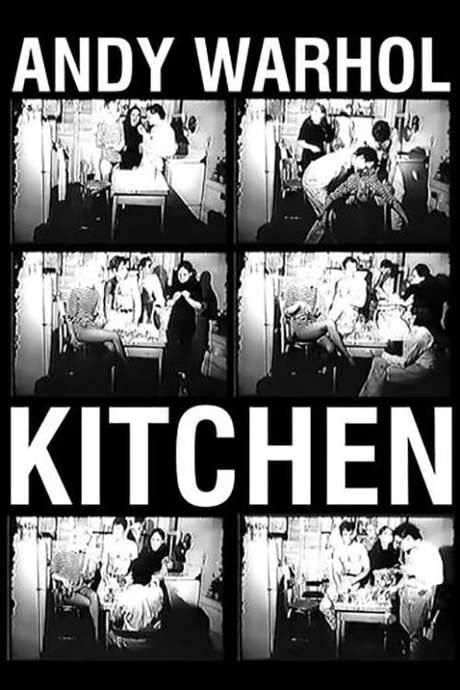
Andy Warhol asked Ronald Tavel to write a vehicle for Edie Sedgwick in a white kitchen, creating an iconic short. A cast of actors and objects—sink, trash basket—are thrust into absurd comic theater. In the cramped, filled kitchen, boredom, confusion and dread mingle with conflict, turning the space into a laboratory of self‑creation.
Warning: spoilers below!
Haven’t seen Kitchen yet? This summary contains major spoilers. Bookmark the page, watch the movie, and come back for the full breakdown. If you're ready, scroll on and relive the story!
Trace every key event in Kitchen (1966) with our detailed, chronological timeline. Perfect for unpacking nonlinear stories, spotting hidden connections, and understanding how each scene builds toward the film’s climax. Whether you're revisiting or decoding for the first time, this timeline gives you the full picture.
Last Updated: October 09, 2025 at 10:46
Discover curated groups of movies connected by mood, themes, and story style. Browse collections built around emotion, atmosphere, and narrative focus to easily find films that match what you feel like watching right now.
Films that draw attention to their own artifice and the nature of performance.Discover other avant-garde films like Kitchen that deconstruct cinema and focus on performance art, meta-fiction, and collaboration. Find movies where the process of creation is the main subject.
Narratives in this thread often eschew traditional plot in favor of a conceptual framework. The 'story' is about the making of the film, the relationship between actors and director, or the role of the spectator. Conflict arises from the tension between artifice and reality.
These films are grouped by their shared focus on meta-commentary, their experimental approach to narrative structure, and their intellectual engagement with themes of spectatorship and artistic creation.
Films that transform everyday routines into hypnotic, unsettling atmospheres.Find movies similar to Kitchen that explore the hypnotic and unsettling quality of everyday routines. These films use slow pacing and a static feel to turn banality into a compelling cinematic experience.
The narrative pattern involves a deliberate lack of traditional events, focusing instead on the ritualistic repetition of actions like cleaning, eating, or working. The journey is internal and atmospheric, with any drama stemming from the psychological weight of the mundane.
They share a specific mood blend of boredom, dreamlikeness, and unease, achieved through slow pacing, a focus on detail, and a transformation of everyday settings into spaces of hypnotic observation.
Don't stop at just watching — explore Kitchen in full detail. From the complete plot summary and scene-by-scene timeline to character breakdowns, thematic analysis, and a deep dive into the ending — every page helps you truly understand what Kitchen is all about. Plus, discover what's next after the movie.
Read a complete plot summary of Kitchen, including all key story points, character arcs, and turning points. This in-depth recap is ideal for understanding the narrative structure or reviewing what happened in the movie.
Discover the characters, locations, and core themes that shape Kitchen. Get insights into symbolic elements, setting significance, and deeper narrative meaning — ideal for thematic analysis and movie breakdowns.
Get a quick, spoiler-free overview of Kitchen that covers the main plot points and key details without revealing any major twists or spoilers. Perfect for those who want to know what to expect before diving in.
Visit What's After the Movie to explore more about Kitchen: box office results, cast and crew info, production details, post-credit scenes, and external links — all in one place for movie fans and researchers.