Plot Explained Spoilers guaranteed!
Plot Explained

Browse by genre

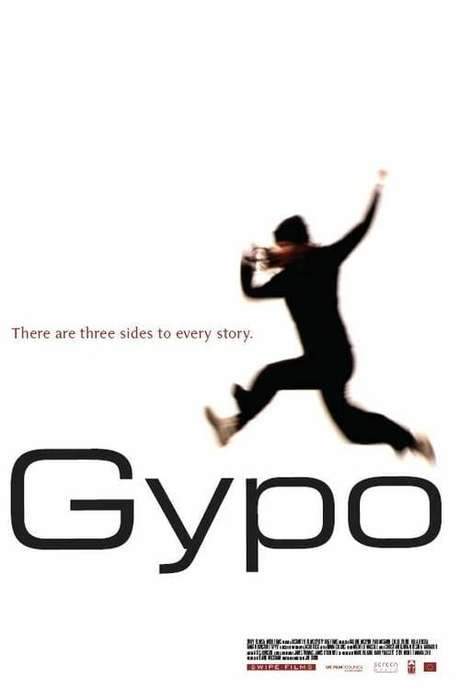
Gypo (2005) movie poster

Characters & Themes

Gypo (2005) Characters, Setting & Themes Explained

Release, runtime and language
2005 · 98 mins · English
Directed by
Jan Dunn
Starring
Pauline McLynn, Ashley McGuire, Chloe Sirene, Paul McGann, James Blanchard, Olegar Fedoro

Gypo follows a working‑class family in Margate, Kent, a seaside town where anti‑immigrant sentiment is growing. Over a few weeks their routine is disrupted when a young Czech visitor, Tash, arrives. Shot in the Dogme 95 style with no lighting, costumes, props or sets, the film’s raw handheld aesthetic underscores its gritty, charged narrative.

On this page (7)
  1. 1 Characters explained (3)
  2. 2 Where & when it takes place
  3. 3 Themes & meaning (3)
  4. 4 Character & meaning questions
  5. 5 Movie threads
  6. 6 Movies like Gypo
  7. 7 Every angle

3 main characters · contains spoilers

Gypo Characters Explained: Who Is Who

The main characters of Gypo (2005), heroes and villains: what drives them, how they change over the course of the story and what each of them reveals about the film's bigger ideas.

  • Paul (Paul McGann)

    Paul is a protective, anxious figure navigating the crisis and his own limitations as a family member. His perspective reveals his attempts to rationalize events, while his concern for his daughter's future and the family's reputation runs deep. He grapples with loyalty, pride, and the discomfort of facing uncomfortable truths.

    • 👨‍👧 Family
    • 🧠 Memory
    • ⚖️ Responsibility
  • Helen (Pauline McLynn)

    Helen is the mother whose defenses rise as the daughter's friendship destabilizes the household. Her views are shaped by fear and concern for appearances, yet she also shows vulnerability beneath a pragmatic exterior. Her account reflects how mistrust and communal pressure strain the family’s bonds.

    • 👩‍👧 Family dynamics
    • 🧠 Perception
    • ⚖️ Social judgment
  • Tasha (Chloe Sirene)

    Tasha is a Romani refugee from the Czech Republic who becomes the catalyst for the family’s crisis. She embodies vulnerability and resilience in an environment of suspicion, while her quiet presence forces others to reconsider assumptions and biases. Her friendship with the daughter drives the story’s moral and social tensions.

    • 🌍 Immigration
    • 🫂 Vulnerability
    • 🎯 Catalyst

Last updated: February 20, 2026 at 18:26

Was this helpful?

Setting

Where and When Does Gypo Take Place?

The setting of Gypo (2005): the year and time period, the places and locations, and how they shape the characters, the mood and the tension of the story.

Time period

The narrative takes place in a contemporary, present-day setting, with a documentary-like immediacy provided by handheld camerawork and improvised dialogue. The town's rhythms—work, school, and social interactions—reflect current social tensions and changing attitudes. The time frame reinforces themes of fear, prejudice, and the fragility of memory under pressure.

Location

Small English coastal town

The film unfolds in a working-class English coastal town, where sea air and close quarters shape daily life. Its harbor, seaside streets, and aging homes create a compact environment that amplifies gossip and scrutiny. This setting intensifies neighborhood dynamics as the daughter's friendship with a refugee triggers clashes between memory, motive, and communal judgment.

  • 🏖️ Coastal town
  • 🧩 Close-knit community
  • 🛑 Tension and suspicion

Last updated: February 20, 2026 at 18:26

Was this helpful?

3 major themes

Gypo Meaning: Themes & Message Explained

What is Gypo (2005) really about? The emotional, social and philosophical themes the film keeps returning to, its symbolism and the message beneath the surface.

  • Perception vs Truth

    The Rashomon‑like structure pushes viewers to weigh competing versions of events, showing how memory and motive shape what characters claim to remember. No single account can fully capture the truth, highlighting how bias and personal interest distort the past. The film uses overlapping perspectives to illuminate how small acts of omission and justification alter reality. This theme invites reflection on how people construct truth to protect themselves or others.

  • Prejudice & Social Pressure

    Prejudice and suspicion surface as neighbors and institutions question the friendship between the daughter and the refugee. Fear and bias drive hasty judgments and sweeping labels, revealing the danger of labeling the other. The film shows how marginalization can escalate into conflict, betrayal, and fractured trust within a community.

  • Family Breakdown

    Tensions within the working‑class family unravel as private loyalties collide with external scrutiny. The story traces how trust erodes under pressure, exposing fault lines and unspoken resentments. Through linked viewpoints, the film charts the slow, painful disintegration of a once‑stable family and the personal cost of collective fear.

Last updated: February 20, 2026 at 18:26

Was this helpful?

Character & theme questions

Gypo Characters & Meaning: Your Questions Answered

The questions people ask about Gypo (2005): who the characters really are, their relationships, what the symbols mean, where it takes place and what the movie is really about. Each answer contains spoilers.

Q1

Where is the film set?

Gypo is set in Margate, Kent, a working-class English coastal town. The setting centers on the harbor, seaside streets, and aging homes that create a compact, close-knit community where gossip and scrutiny thrive. This environment intensifies the neighborhood dynamics as tensions rise over the daughter's friendship with a refugee.

  • margate
  • kent
  • coastal town
  • setting
  • english town
Q2

What time period does the film take place in?

The story takes place in contemporary, present-day England. The documentary-like immediacy comes from the handheld camerawork and improvised dialogue, reflecting current social tensions and attitudes. The time frame reinforces themes of fear, prejudice, and the fragility of memory in modern Britain.

  • present day
  • contemporary
  • time period
  • modern britain
Q3

What are the main themes explored in the film?

Gypo explores three interconnected themes: Perception vs Truth, which examines how memory and motive shape competing versions of events; Prejudice & Social Pressure, showing how fear and bias drive hasty judgments toward outsiders; and Family Breakdown, tracing how trust erodes under external scrutiny, exposing fault lines within the family unit.

  • themes
  • perception
  • truth
  • prejudice
  • family breakdown
  • social pressure
Q4

How does the film handle perception versus truth?

The film uses a Rashomon-like structure, presenting competing versions of events from different characters. This approach shows how memory and personal interest distort what characters claim to remember, highlighting how bias shapes truth. No single account fully captures what happened, inviting viewers to question the reliability of each perspective.

  • rashomon
  • perception
  • truth
  • memory
  • bias
  • perspective
Q5

What does the film say about prejudice and suspicion?

Prejudice and suspicion surface as neighbors and institutions question the friendship between the daughter and the refugee Tasha. The film shows how fear and bias lead to hasty judgments and labeling of outsiders, revealing how marginalization can escalate into conflict and fractured trust within a community. The town's close quarters amplify these tensions.

  • prejudice
  • suspicion
  • refugee
  • xenophobia
  • community
  • social tension
Q6

Who is Tasha in the film?

Tasha is a Romani refugee from the Czech Republic who becomes the catalyst for the family's crisis. She embodies vulnerability and resilience in an environment of suspicion. Her friendship with the daughter drives the story's moral and social tensions, forcing other characters to confront their assumptions and biases.

  • tasha
  • refugee
  • romani
  • czech
  • outsider
  • catalyst
Q7

Who are the main characters?

The main characters are Paul, the protective and anxious father who grapples with loyalty and uncomfortable truths; Helen, the mother whose defenses rise as the family faces scrutiny, shaped by fear and concern for appearances; and Tasha, the Czech refugee whose presence disrupts the household. The daughter's friendship with Tasha drives the central conflict.

  • paul
  • helen
  • tasha
  • main characters
  • family
  • protagonists
Q8

What kind of community does the film portray?

The film portrays a close-knit working-class coastal community where sea air and tight living spaces shape daily life. The compact environment amplifies gossip and neighbor scrutiny. The setting creates an atmosphere of tension and suspicion, where external changes, like a stranger arriving, threaten the established social order and trigger underlying prejudices.

  • community
  • working class
  • neighbors
  • tension
  • suspicion
  • social dynamics
Q9

What is the film's visual style and why does it matter?

Gypo was shot in Dogme 95 style with no artificial lighting, costumes, props, or sets. The raw handheld aesthetic underscores the gritty, charged narrative and creates an immediacy that makes the characters' fears and vulnerabilities feel unvarnished. This approach reinforces themes of truth and perception by presenting events in an unpolished, documentary-like manner.

  • dogme 95
  • handheld
  • cinematic style
  • aesthetic
  • documentary style
Q10

What is the overall tone and mood of the film?

The film maintains a tense, uneasy atmosphere driven by the gradual escalation of neighborhood suspicion and personal anxieties. The pacing is steady, unfolding through overlapping perspectives rather than rapid plot turns. The emotional weight is heavy, focusing on simmering tension rather than explosive violence, with an ambiguous ending that refuses neat resolution.

  • tone
  • mood
  • tense
  • ambiguous
  • emotional weight
  • pacing

Movie threads

More Movies Like Gypo, by Mood & Story

Curated lists built around what makes Gypo tick: the same mood, the same kind of story or the same emotional payoff. Each list explains why these movies belong together.

Raw family dramas on the brink like Gypo

Domestic lives cracking under the weight of unspoken conflicts and social pressures. If you appreciated the intense domestic conflict and social pressure in Gypo, explore other movies like it. These films feature families grappling with internal and external threats, filmed with a raw aesthetic that heightens the emotional stakes.

  • gritty
  • claustrophobic
  • uneasy
  • somber
  • anxious
  • raw
  • Tone: tense, somber
  • Pacing: steady, deliberate
Why these movies?

The story pattern: These stories typically follow a family unit as an external force or internal secret exposes its fragile foundations. The narrative focus is on psychological tension and character reactions rather than intricate plotting, often leading to an ambiguous or bittersweet resolution that reflects the complexity of real-life relationships.

Why they belong together: They are grouped by their shared focus on the microcosm of the family under duress, a steady pacing that builds dread, and a heavy emotional weight derived from relatable, painful human interactions.

Subjective truth social realism like Gypo

Gritty stories where truth is fragmented and perspective shapes reality. For viewers who liked the Rashomon-like structure and social commentary of Gypo, this list finds similar movies. These films use raw aesthetics and multiple perspectives to explore divisive themes like prejudice and moral ambiguity.

  • gritty
  • raw
  • morally ambiguous
  • uneasy
  • thought-provoking
  • somber
  • Tone: tense, morally ambiguous
  • Pacing: steady, methodical
Why these movies?

The story pattern: The narrative pattern involves a central conflict or event revisited from different character perspectives. This structure emphasizes the subjectivity of truth and the role of bias, often leaving the audience with more questions than answers about morality and motive.

Why they belong together: They share a commitment to social realism, a complex narrative structure built on shifting perspectives, and a gritty aesthetic that grounds weighty themes like prejudice and moral ambiguity in a palpable, immediate reality.

If you liked this

Movies Like Gypo

Similar movies to Gypo: the same genre, themes or kind of story. Each one comes with its own plot summary, timeline and ending explained.

Browse all movie summaries

Every angle

Gypo (2005) Explained: Plot, Timeline & Characters

Everything about Gypo in one place: what happens in the plot summary, the timeline in chronological order, the characters and meaning and a spoiler-free summary. What's After the Movie adds the cast, box office and post-credit scenes.

Coming soon on iOS and Android

The Plot Explained Movie Summary App

Plot summaries, endings explained and timelines on your phone. Catch up on any movie in minutes, save your favorites and never miss a twist again.

Be the first to know when we launch. Your email stays private, always.

Learn more about the app