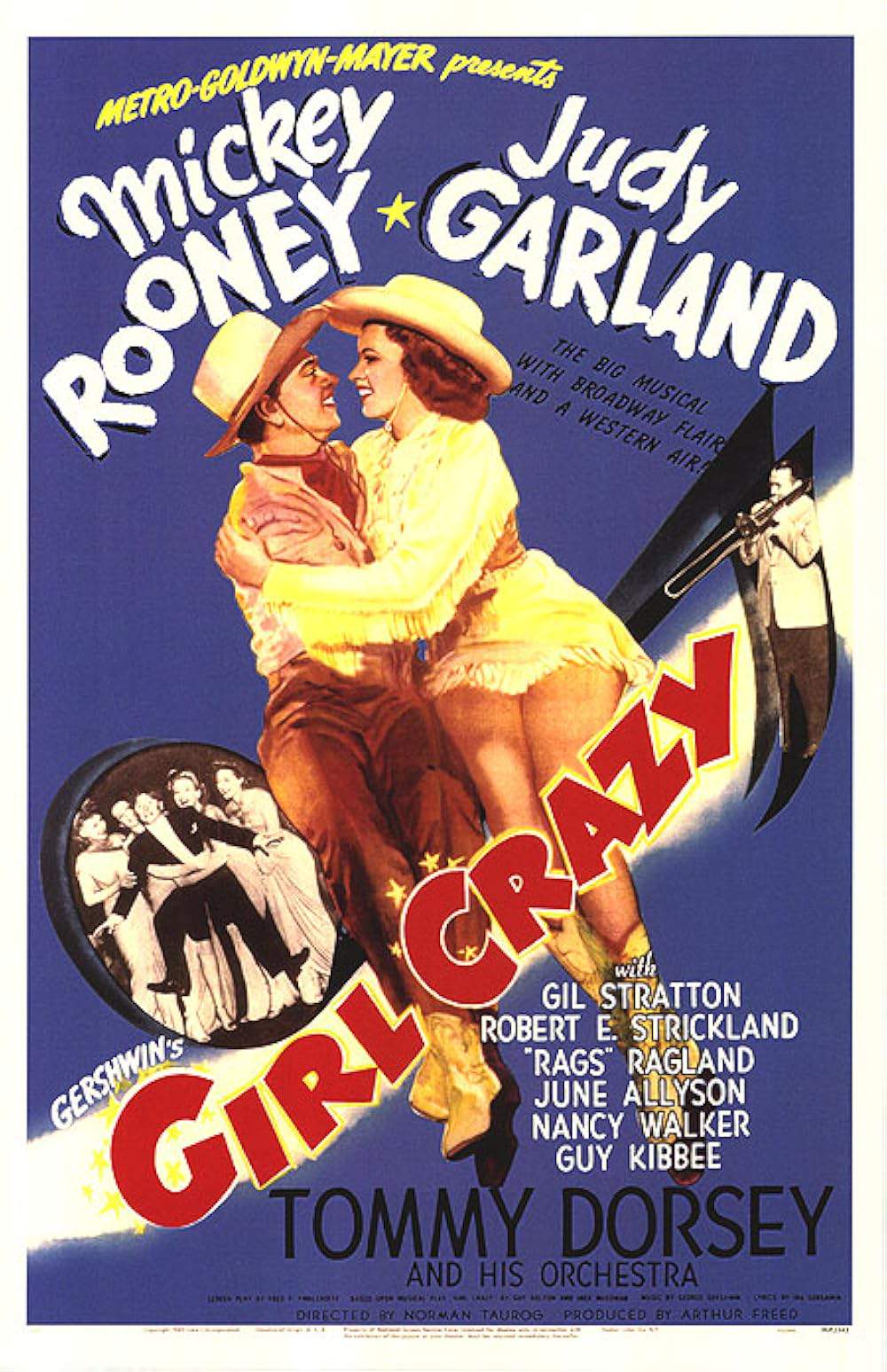
On a bustling Broadway rehearsal floor, the temperamental star of a new musical revue storms off, leaving the show in a knot of tension. The director-choreographer Ted Sturgis improvises on the fly, proposing to cast an unknown to bring fresh energy to the number one spot. When the casting news hits the newspapers, crowds of hopefuls flood the stage, each eager to seize a chance at fame. Among the hopefuls is the enigmatic Dancer, a poised yet unnamed presence who embodies the kind of breakthrough the production desperately needs.
The show’s internal politics heat up quickly. The musical’s composer, Leo Belney, champions the luminous Joanna Moss, a dancer with a rare blend of grace and stage presence. On the other hand, gofer Bob Dowdy is quietly swept up by the new-spark appeal of novice Suzy Doolittle. The producers press with their own agendas: Felix Jordan convinces Ted’s former dance partner, Madelyn Corlane, to come out of retirement and throw her hat back into the ring, much to Ted’s clear discomfort. The trio—Leo, Bob, and Ted—sing about the challenge of rewriting the show for a fresh performer in the number Nothing is Impossible, a moment that crystallizes the competing visions in the room.
Joanna returns home, sharing the hopeful news with her husband that she has a real chance for the part. Her husband brings his own news as well—an offer to lead a university Music Department—sparking an argument that evolves into a reconciliation, a reminder of the personal costs that often accompany show business. Meanwhile, Suzy rehearses at home, practicing diligently while her mother urges her to be ready for the audition the next day. Bob shows up unannounced, and Suzy spends an evening out with him; they sing and dance to In Our United State, a sequence that hints at their chemistry and complicates the coming audition.
Back on the studio floor, Ted visits Madelyn to warn that if she wants the role she must show up and deliver a great audition. She rises to the challenge, matching Ted step for step in a powerful display known in the room as The Challenge Dance. Joanna and Madelyn both perform strongly, and Suzy holds her own as well. As the auditions progress, Leo, Felix, and Ted debate who should win the role. Bob overhears the conversations about Suzy possibly landing the part and reaches out to tell her, triggering a hopeful, frustrated wave of reactions. Suzy is crushed at first, waiting for belief that she truly could or should be the piece that saves the show.
A heated discussion unfolds among the production team. Felix and Leo each pull for Joanna, whose confidence is tempered by the reality of competing against seasoned performers. Ted, despite his misgivings, leans toward Madelyn, but time and circumstance push the decision in unexpected directions. Joanna accepts the part, but Bob’s call to Suzy reveals a changing plan: Madelyn’s absence in town creates a moment of vulnerability, and the decision ultimately shifts toward offering the role to Suzy.
Opening night arrives with a sense of anticipation and nerves that crackle through the theater. Suzy Doolittle takes the stage with Ted Sturgis at her side as they dance and sing the show-stopping number Applause, Applause. The crowd roars, the production hums with energy, and the curtain rises on a performance that feels both triumphant and transformative. As the lights fade and the applause swells, the director exits into the empty theater, where he encounters Madelyn Corlane. She reveals that her departure was about understanding whether what she missed was show business itself or the man who stood beside it. The truth lands softly between them: it was him. In a moment charged with unresolved history and renewed promise, they run into each other’s arms, leaving the future of the show—along with their own lives—open to scripted possibility.
The arc of the production—its cast, its ambitions, and its backstage tug-of-war—unfolds against a backdrop of dance, music, and the ever-present lure of Broadway. The clashes and compromises that define the creative process become almost as dramatic as the performances themselves, painting a portrait of ambition tempered by personal ties, and a reminder that the stage can be a mirror as much as it is a platform. Through it all, the show presses on, guided by the stubborn optimism of those who believe in a brighter finale, and by the enduring bond between artists who find in each other the momentum to keep moving forward.