
Gerald's Game
Following a passionate but ultimately strained anniversary getaway, a woman finds herself handcuffed to a bed in a remote cabin. When her husband suddenly dies from a stroke, she’s trapped and isolated, facing a terrifying ordeal. As she struggles to free herself, she’s plagued by disturbing visions and confronts buried memories, forcing her to examine the complexities of her marriage and her own inner turmoil.
Warning: spoilers below!
Haven’t seen Gerald's Game yet? This summary contains major spoilers. Bookmark the page, watch the movie, and come back for the full breakdown. If you're ready, scroll on and relive the story!
Gerald's Game (2017) – Full Plot Summary & Ending Explained
Read the complete plot breakdown of Gerald's Game (2017), including all key story events, major twists, and the ending explained in detail. Discover what really happened—and what it all means.
Jessie and Gerald embark on a seemingly peaceful getaway to an isolated lake house in Fairhope, Alabama. Their retreat quickly takes a dark turn when Gerald decides to spice up their evening with a bit of experimentation. After taking Viagra, he playfully restrains Jessie, played by Carla Gugino, with handcuffs to the bed, intending to enact a stranger rape fantasy. While Jessie, feeling a mix of surprise and trepidation, initially goes along with the play, the mood shifts dramatically when she demands he uncuff her. Gerald retorts, >“What if I won’t?” His inflexibility leads to a heated argument, during which he accuses her of neglecting their relationship. Tragically, Gerald suffers a fatal heart attack, leaving Jessie trapped and alone in the house.
Amidst the chaos, a stray dog enters and, in a gruesome turn, bites into Gerald’s arm, taking a piece of him with it. Jessie soon finds herself haunted by Gerald’s distorted apparition, who taunts her about their troubled marriage and his failures. With mounting desperation, she battles her reality, ultimately pulling a hand free from the cuff. However, her confidence is short-lived when she realizes that she is still very much in peril.
As she grapples with the hallucinations of Gerald and an echo of her former self, Jessie recalls the glass of water left tantalizingly out of reach. With ingenuity, she transforms the tag from her nightdress into a makeshift straw, managing to hydrate herself just in time to sustain her endurance.
Jessie’s harrowing ordeal continues as she is plagued by the dark figure known as the “Moonlight Man”, personified by Carel Struycken, who embodies her deepest fears. A memory resurfaces—a traumatic encounter with her father, Tom, played by Henry Thomas—from her childhood that ties into her current trauma. As the past and present collide, Jessie is forced to confront the painful truth of her experiences.
Finally, using sheer determination, Jessie orchestrates her escape by inflicting a wound on herself that allows her to slip free of her restraints. After an intense fight against her circumstances, she manages to liberate herself and darts for her car, but the haunting Moonlight Man appears again, leading to a crash that might signify her liberation or the end.
Months later, we see Jessie pen a letter to her younger self, reflecting on her hard-fought recovery and the creation of a foundation to support victims of sexual abuse, funded by Gerald’s life insurance. Still, the vestiges of her trauma linger—each night the spectral figure manifests in her dreams. As she learns of a serial killer, tied to her horrific experiences, Jessie finds herself compelled to confront the past in a courtroom, finally declaring, “You’re so much smaller than I remember,” as she steps out into the sunlight, triumphant in her reclaiming of identity and strength.
Last Updated: October 27, 2024 at 16:53
Ending Explained – What Happens at the End of Gerald's Game?
Still wondering what the ending of Gerald's Game (2017) really means? Here’s a spoiler-heavy breakdown of the final scene, major twists, and the deeper themes that shape the film’s conclusion.
By the end of Gerald’s Game, Jessie has undergone a harrowing journey of survival and self-discovery. After realizing she must confront her deepest trauma, she slices her wrist and uses her blood to free herself from the handcuffs that bind her to the bed. She then crashes her car into the woods and is rescued by a kind couple. Despite the physical scars—particularly her injured hand—she survives and begins a new chapter with a sense of empowerment. She writes a letter to her younger self, symbolizing her acceptance of her past and hope for her future, and she channels her trauma into helping others by founding a victim’s aid organization. The ending seems optimistic but takes a dark turn with the reveal of Raymond Joubert, a real necrophile-serial killer who had been stalking her in her mind and, perhaps, in reality. Throughout the film, the spectral presence of Joubert manifests as the “Moonlight Man,” an unsettling figure who haunts her visions, blurring the line between her psychological trauma and a horrific real-world threat. In the final scenes, this figure is revealed to be more than a hallucination—Joubert was a genuine killer who had encountered Gerald and, by extension, Jessie. When Jessie confronts Joubert at his arraignment, she notices a strange, almost surreal connection: he calls her “not real” and makes a cryptic comment about her being smaller than he remembered, hinting that their true confrontation was with her fears and memories. Ultimately, Jessie’s escape signifies her reclaiming her life and mental health from the grip of her past, illustrating that confronting trauma and accepting it allows her to move forward. The story emphasizes that healing is an ongoing process—one that is rooted in acknowledging the darkest parts of ourselves to find hope and strength in the aftermath.
Last Updated: June 25, 2025 at 08:44

Explore Movie Threads
Discover curated groups of movies connected by mood, themes, and story style. Browse collections built around emotion, atmosphere, and narrative focus to easily find films that match what you feel like watching right now.
Claustrophobic Survival Thrillers like Gerald's Game
Stories where characters are trapped in a desperate physical and psychological fight for survival.If the tense, trapped survival horror of Gerald's Game gripped you, explore these other movies where characters face extreme physical confinement. These stories deliver similar feelings of high-stakes desperation, claustrophobic tension, and a nerve-wracking fight for freedom against overwhelming odds.
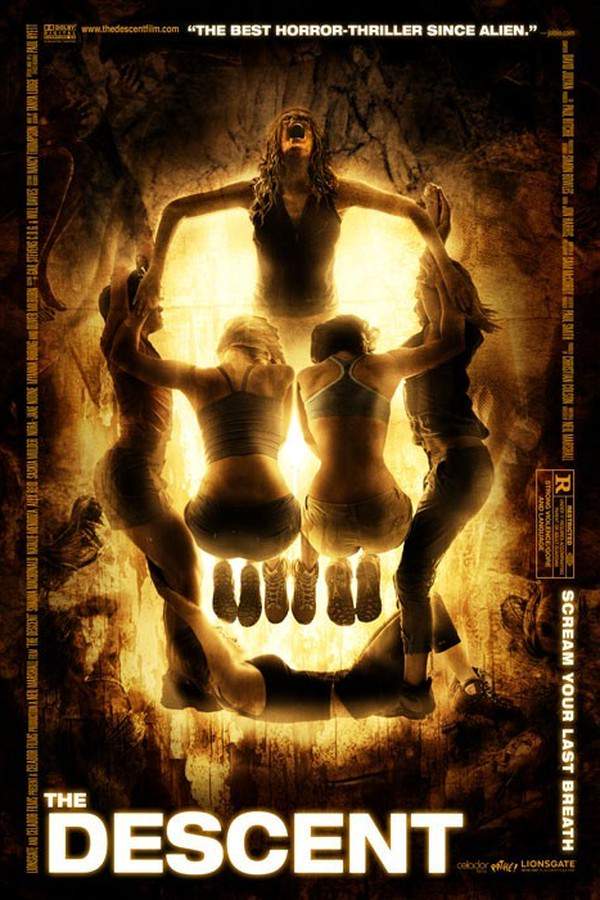
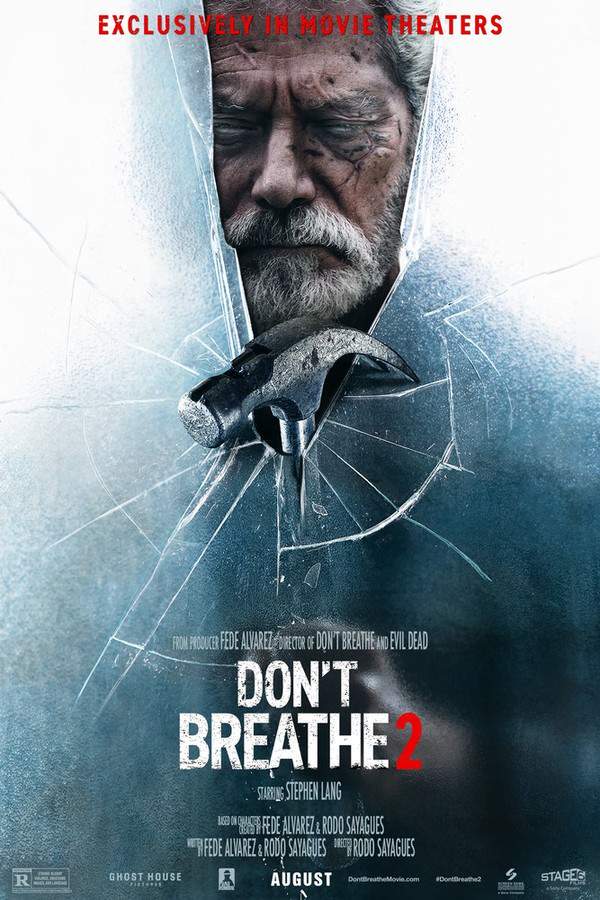
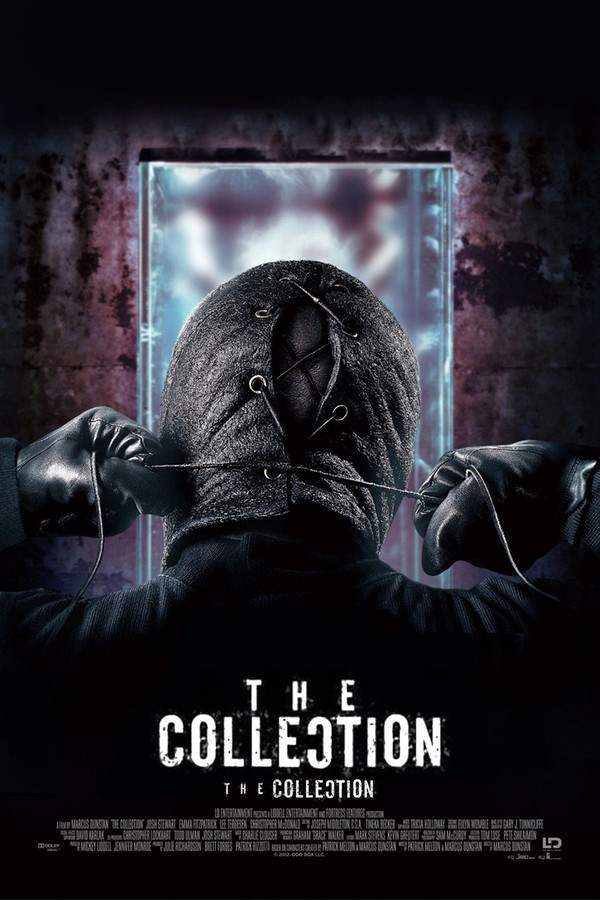

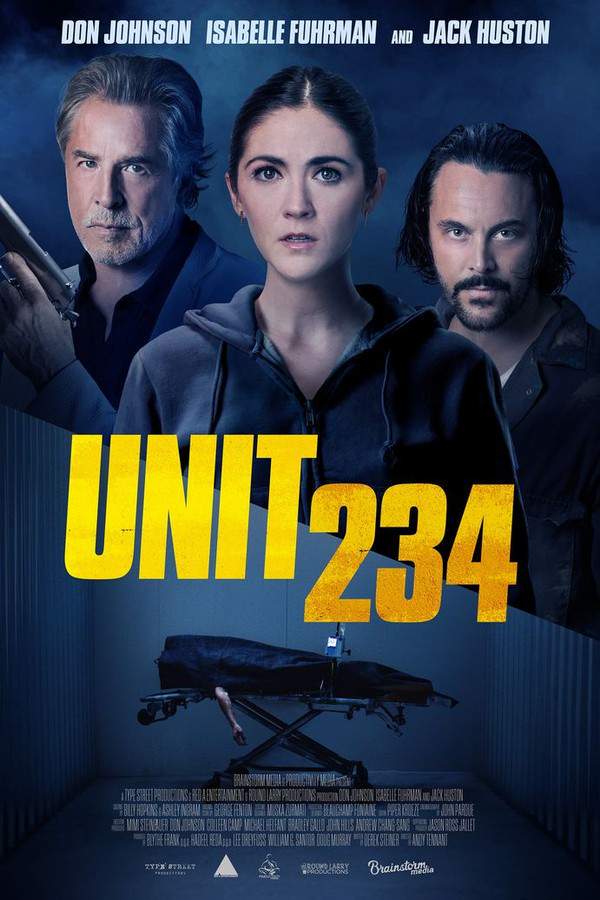






Narrative Summary
These narratives typically begin with a character becoming physically trapped in an isolated location. The plot revolves around their immediate, life-threatening struggle to escape, often relying on their own wits and limited resources. The confined setting intensifies every decision and setback, creating a straightforward but deeply immersive survival arc.
Why These Movies?
They are grouped by the shared, visceral experience of extreme confinement and high-stakes survival. The movies share a similar tone of desperation and tension, a high-intensity pace driven by immediate danger, and a focus on the psychological and physical toll of being trapped.
Movies About Confronting Trauma like Gerald's Game
Journeys where confronting repressed trauma forces a character's psyche to the brink.If you were captivated by how Gerald's Game used a survival scenario to explore deep psychological trauma, these movies offer similar journeys. They feature characters whose present ordeal forces a painful confrontation with a repressed past, blending psychological horror with heavy emotional weight.
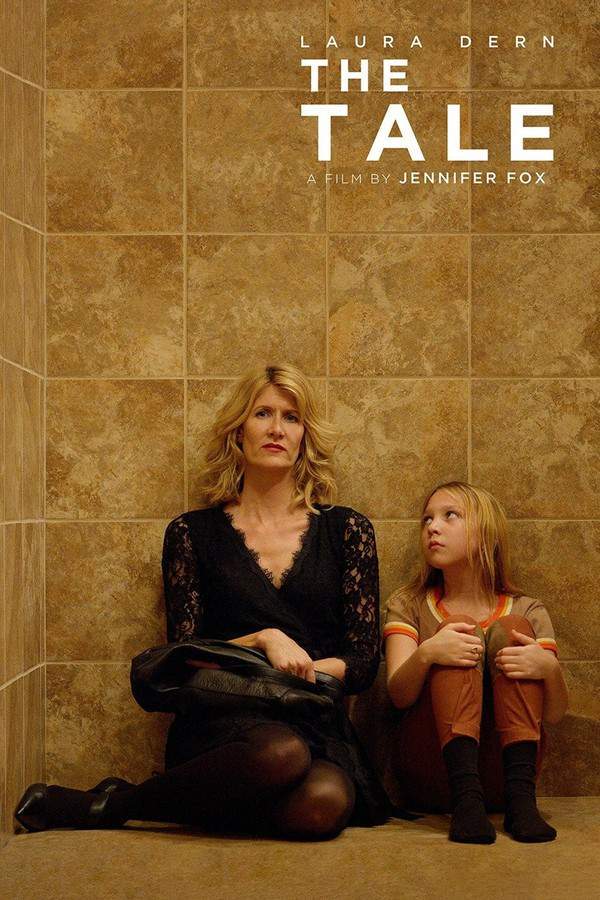

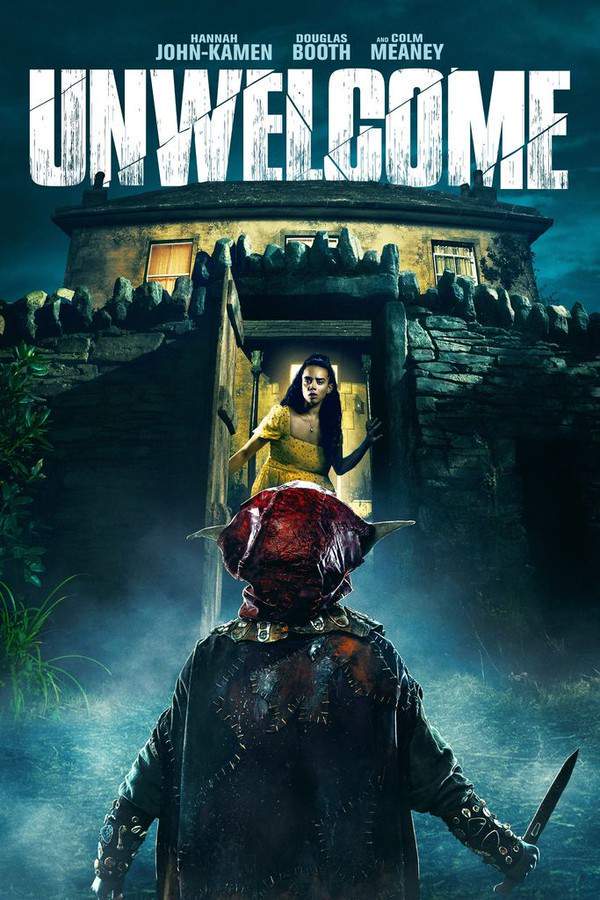
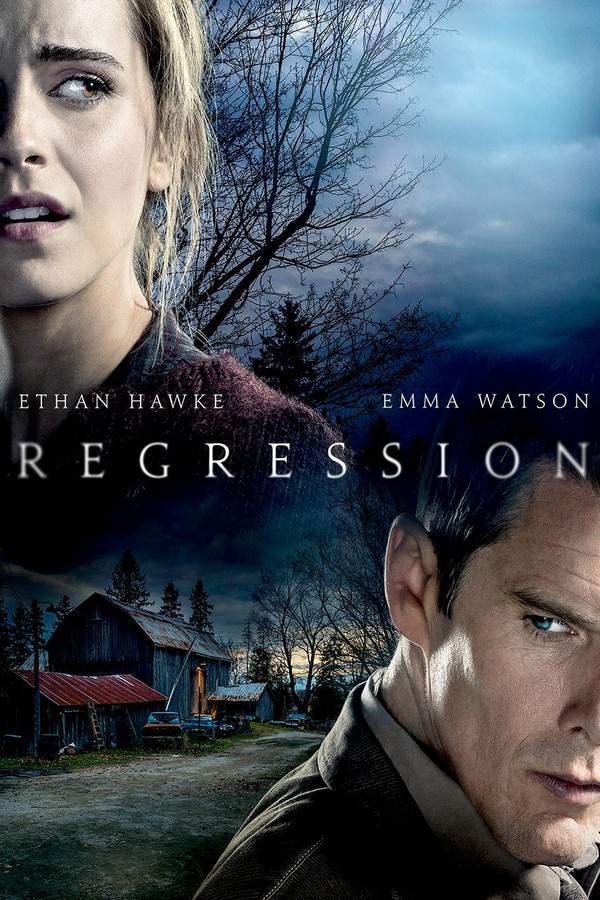



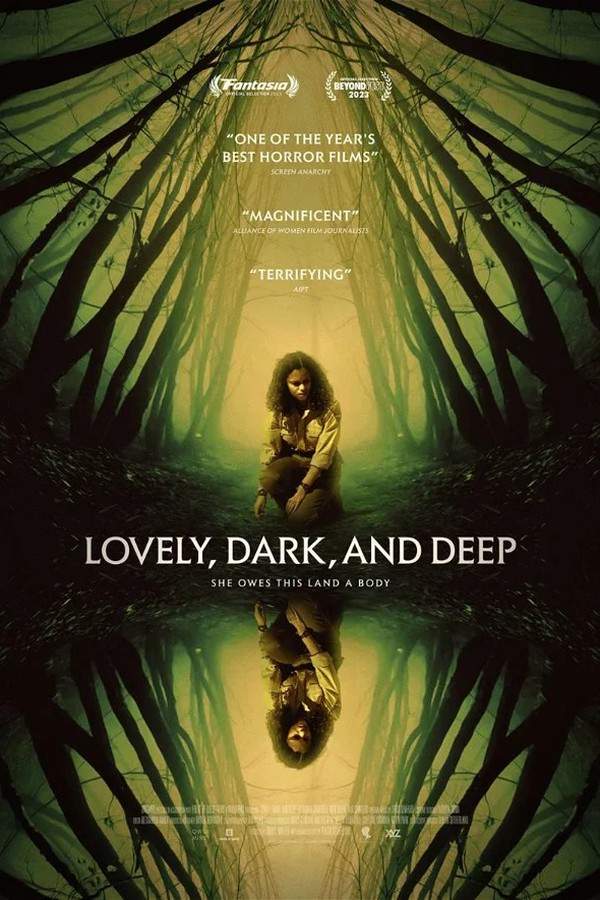



Narrative Summary
The story structure often involves a triggering event in the present that violently dredges up repressed memories from the past. The plot unfolds on two parallel tracks: the external struggle and the internal, psychological battle. Flashbacks and hallucinations are common narrative devices used to reveal the truth of the trauma and its lasting impact on the character.
Why These Movies?
These films share a focus on the process of psychological disintegration and integration triggered by trauma. They are united by a dark, heavy tone, a variable pacing that balances external action with internal reflection, and a thematic depth centered on survival, memory, and healing.
Unlock the Full Story of Gerald's Game
Don't stop at just watching — explore Gerald's Game in full detail. From the complete plot summary and scene-by-scene timeline to character breakdowns, thematic analysis, and a deep dive into the ending — every page helps you truly understand what Gerald's Game is all about. Plus, discover what's next after the movie.
Gerald's Game Timeline
Track the full timeline of Gerald's Game with every major event arranged chronologically. Perfect for decoding non-linear storytelling, flashbacks, or parallel narratives with a clear scene-by-scene breakdown.

Characters, Settings & Themes in Gerald's Game
Discover the characters, locations, and core themes that shape Gerald's Game. Get insights into symbolic elements, setting significance, and deeper narrative meaning — ideal for thematic analysis and movie breakdowns.

Gerald's Game Ending Explained
What really happened at the end of Gerald's Game? This detailed ending explained page breaks down final scenes, hidden clues, and alternate interpretations with expert analysis and viewer theories.



Similar Movies to Gerald's Game
Discover movies like Gerald's Game that share similar genres, themes, and storytelling elements. Whether you’re drawn to the atmosphere, character arcs, or plot structure, these curated recommendations will help you explore more films you’ll love.











Explore More About Movie Gerald's Game
Gerald's Game (2017) Scene-by-Scene Movie Timeline
Gerald's Game (2017) Movie Characters, Themes & Settings
Gerald's Game (2017) Ending Explained & Theories
Gerald's Game (2017) Spoiler-Free Summary & Key Flow
Movies Like Gerald's Game – Similar Titles You’ll Enjoy
Funny Games (1998) Detailed Story Recap
Funny Games (2008) (2008) Full Summary & Key Details
Incident In a Ghostland (2018) Movie Recap & Themes
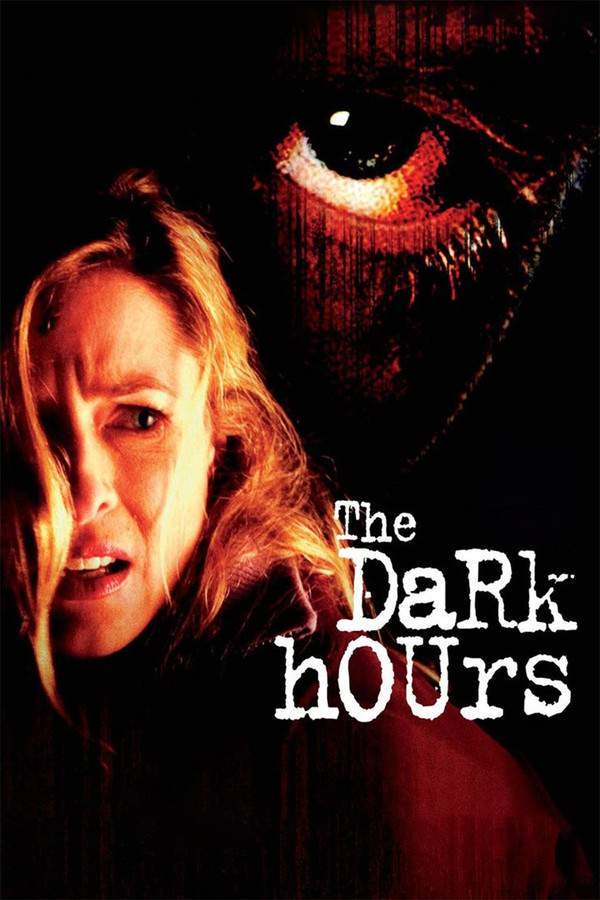
The Dark Hours (2005) Spoiler-Packed Plot Recap
Girl (2020) Full Movie Breakdown
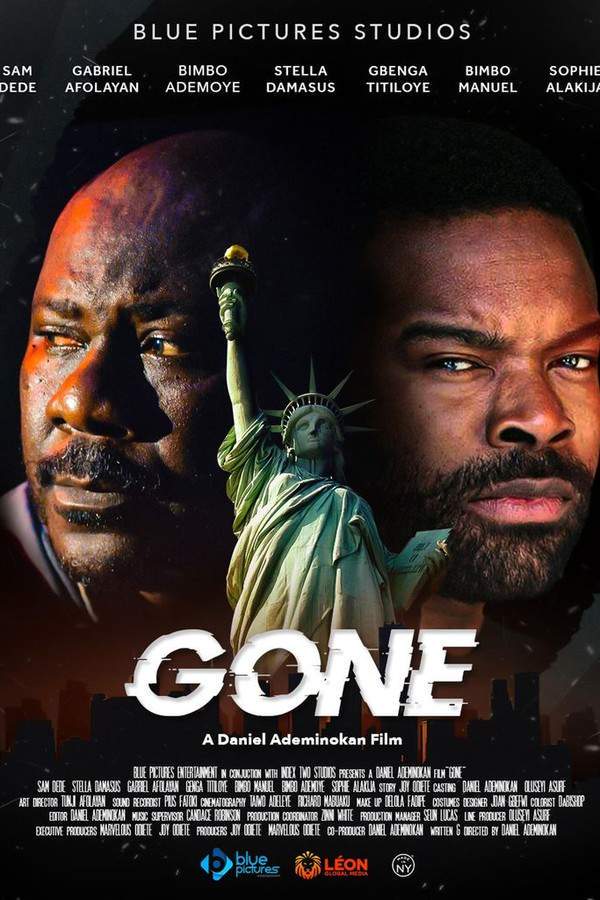
Gone (2012) Complete Plot Breakdown
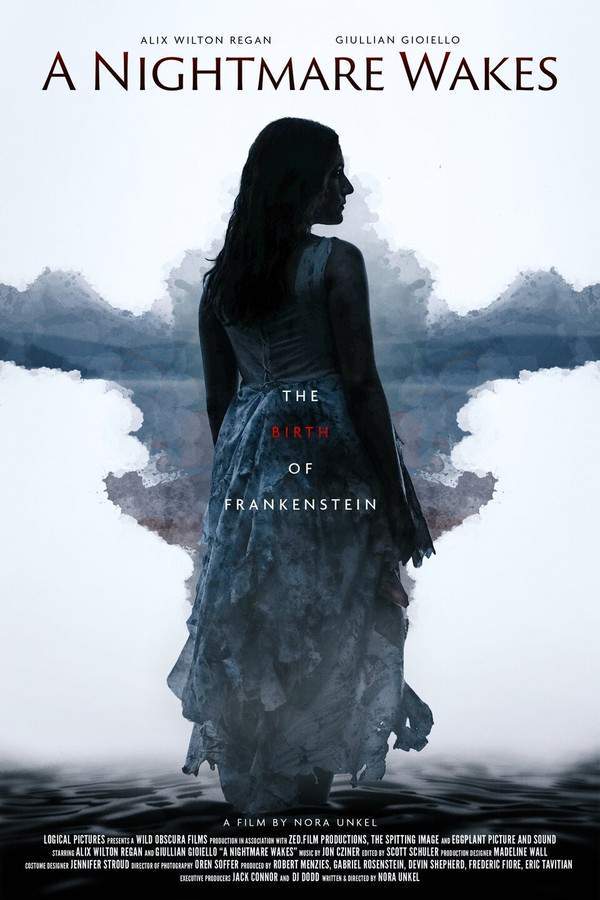
A Nightmare Wakes (2021) Story Summary & Characters
Funny Games (2007) Movie Recap & Themes
Deadly Games (1982) Spoiler-Packed Plot Recap
Nightkill (1980) Detailed Story Recap
Fair Game (1988) Full Movie Breakdown
Trauma (1978) Complete Plot Breakdown
Death Game (1977) Movie Recap & Themes
Dead and Gone (2008) Story Summary & Characters
The Name of the Game Is Kill (1968) Complete Plot Breakdown